Are you facing flickering lights or outlets that just won’t work? Electrical problems can be frustrating and even a little scary when you’re trying to fix them yourself.
But don’t worry—you have the power to solve these issues safely and confidently. In this guide, you’ll discover simple, practical tips that make electrical troubleshooting easier than you think. By the end, you’ll know exactly what steps to take to get your home’s wiring back on track without calling in an expensive pro.
Ready to take control and save time and money? Let’s dive in!
Common Electrical Issues
Electrical problems can be confusing and dangerous for DIYers. Knowing common issues helps keep your home safe.
This guide covers frequent electrical issues you may face and simple tips to troubleshoot them.
Frequent Circuit Breaker Trips
Circuit breakers trip to protect your home from electrical damage. If they trip often, it means too much current flows.
Common causes include overloaded circuits, short circuits, or faulty appliances.
- Unplug devices to reduce load
- Check for damaged wires or outlets
- Replace faulty appliances causing shorts
- Consult an electrician if trips continue
Flickering Lights
Flickering lights can mean loose bulbs or bad wiring. It might also signal a problem in the circuit.
Check if the bulb is tight. If flickering continues, look for loose connections or voltage changes.
- Tighten or replace the bulb
- Inspect light switches and sockets
- Avoid using too many devices on one circuit
- Call a professional if unsure
Dead Outlets
Dead outlets do not supply power. This can happen from tripped breakers or loose wiring inside the outlet.
Test the outlet with a voltage tester. Reset breakers or replace faulty outlets if needed.
- Check circuit breakers first
- Inspect outlet for damage
- Replace the outlet if broken
- Hire an electrician for complex issues

Credit: expresselectricalservices.com
Essential Tools For Troubleshooting
Fixing electrical problems safely requires the right tools. Using proper tools helps find issues quickly and avoids accidents.
This guide covers three key tools every DIYer should have. Learn what they do and how to use them.
Multimeter Basics
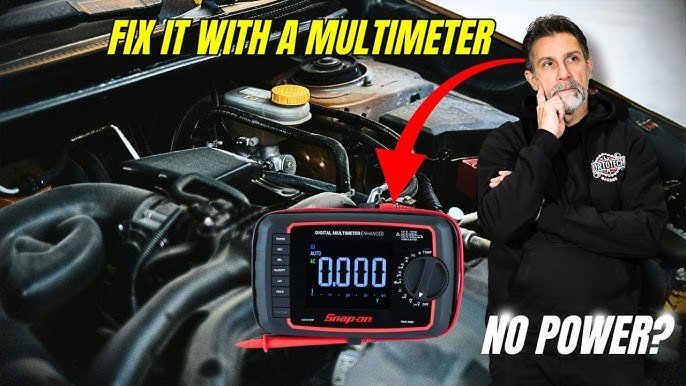
A multimeter measures voltage, current, and resistance. It helps check if wires and devices work correctly.
- Set the dial to the right measurement type before testing.
- Connect the probes to the circuit carefully to avoid short circuits.
- Read the display to see the measurement results.
- Turn off the multimeter after use to save battery.
Non-contact Voltage Tester
This tool detects live wires without touching them. It is safer for quick voltage checks.
| Feature | Use |
| LED Light | Lights up near live wires |
| Sound Alarm | Beep indicates voltage presence |
| Battery Powered | Portable and easy to use |
Wire Strippers And Pliers
Wire strippers remove insulation without cutting the wire. Pliers help bend and hold wires firmly.
- Choose wire strippers with multiple gauge sizes for different wire thicknesses.
- Use needle-nose pliers for tight spaces and precise bending.
- Keep tools clean and dry to prevent rust.
Safety First
Electrical troubleshooting can be risky if you do not follow safety rules. Always put safety first to protect yourself.
Using correct methods and gear lowers the chance of injury or damage. This guide helps you stay safe.
Power Shutoff Procedures
Before working on any electrical device, turn off the power at the main breaker. This stops electricity flow and reduces shock risk.
- Locate the main electrical panel in your home.
- Identify the breaker that controls the circuit you will work on.
- Switch the breaker to the OFF position.
- Use a voltage tester to confirm no power is present.
- Lock or tag the breaker to prevent it from being turned on accidentally.
Using Protective Gear
Wear the right safety gear to protect your body from electrical hazards. This gear helps prevent burns and shocks.
- Use insulated gloves rated for electrical work.
- Wear safety goggles to protect your eyes.
- Put on rubber-soled shoes to reduce ground contact.
- Wear flame-resistant clothing if working on high voltage.
Avoiding Electrical Shock
Electrical shock can cause serious injury. Follow these tips to avoid shocks while working.
| Tip | Reason |
| Never touch wires with wet hands | Water conducts electricity and increases shock risk |
| Use one hand when possible | Reduces the chance of current passing through your heart |
| Keep tools insulated | Prevents accidental contact with live parts |
| Do not work alone | Someone can help in case of emergency |

Credit: www.youtube.com
Diagnosing Wiring Problems
Wiring problems can cause many electrical issues at home. They may lead to flickering lights, power loss, or safety risks.
Knowing how to diagnose wiring issues helps you fix them safely and fast. This guide covers key checks for common wiring problems.
Checking Loose Connections
Loose connections cause intermittent power and sparks. Start by turning off the power at the breaker before inspecting.
- Remove outlet or switch covers
- Gently tug wires to see if they move
- Look for screws that are not tight
- Tighten any loose wire nuts or terminals
- Replace damaged connectors as needed
Identifying Damaged Wires
Damaged wires can cause shorts and shocks. Inspect wires for visible signs of damage or wear.
| Wire Damage Type | Signs to Look For |
|---|---|
| Frayed Insulation | Exposed copper, cracks, or splits |
| Burn Marks | Blackened or melted insulation |
| Corrosion | Green or white buildup on copper wires |
| Cuts or Nicks | Deep grooves or breaks in wire coating |
Replace or repair any wire showing these signs to keep your system safe.
Testing Switches And Outlets
Switches and outlets often fail due to wear or wiring issues. Use a tester to check their function.
- Turn off power to the circuit
- Remove the switch or outlet cover
- Use a voltage tester to check for power
- Test the switch by toggling it and watching the tester
- Replace faulty switches or outlets
Testing helps confirm if the problem is inside the device or the wiring behind it.
Quick Fixes For Common Problems
Electrical problems can be scary but some fixes are easy for DIYers. Knowing simple tricks helps save time and money.
This guide covers quick fixes for three common issues. You can try these safely with some basic tools and care.
Resetting Circuit Breakers
Circuit breakers stop power when there is a fault. Sometimes they trip by mistake and need resetting.
- Find your electrical panel, usually in the basement or garage.
- Look for switches in the “off” position or showing red.
- Turn the breaker fully off, then back on firmly.
- Check if power is restored to the affected area.
- If it trips again, avoid resetting and call a professional.
Replacing Faulty Outlets
A loose or dead outlet can cause problems. Replace it safely by following these tips.
| Tool | Purpose |
|---|---|
| Screwdriver | Remove outlet cover and screws |
| Voltage tester | Check if outlet is live |
| New outlet | Replace the faulty one |
| Wire strippers | Prepare wires for new outlet |
Before starting, turn off the breaker to the outlet. Use the voltage tester to confirm no power. Unscrew the outlet, disconnect wires, and attach them to the new outlet. Finally, screw it back in and restore power.
Fixing Loose Light Fixtures
Loose light fixtures can flicker or fall. Tighten them to keep safe and bright rooms.
- Turn off the light switch and breaker.
- Remove the fixture cover or globe carefully.
- Check screws or mounting brackets for looseness.
- Tighten all screws with a screwdriver.
- If wires are loose, reconnect them securely.
- Replace the cover and turn power back on.
Credit: thefurnaceoutlet.com
When To Call A Professional
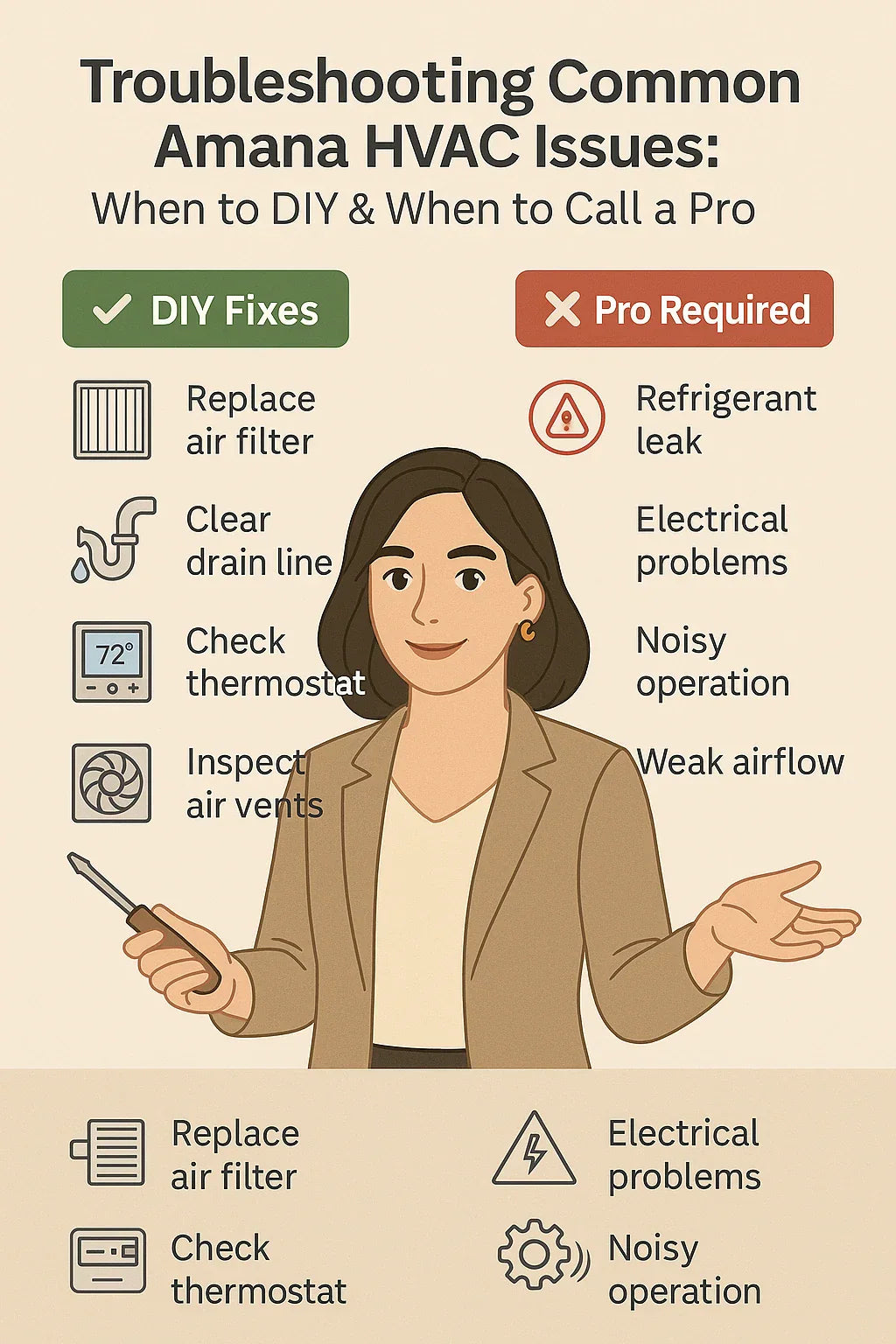
Electrical work can be risky without the right skills. Some problems are safe for DIY fixes. Others need a professional’s help to avoid danger.
Knowing when to call an expert saves time and prevents accidents. Use these tips to decide when to get professional help.
Complex Wiring Issues
Complex wiring includes tangled wires, old wiring, or multiple circuits. These can cause serious safety hazards if handled wrong.
- Wiring inside walls that needs repair or replacement
- Adding new circuits or outlets to old wiring systems
- Replacing wiring after water damage or fire
- Fixing wiring with unclear or no labels
If you see these issues, it is safer to hire a professional electrician. They have tools and knowledge to fix wiring safely.
Persistent Electrical Failures
Sometimes, electrical problems keep coming back. Flickering lights or frequent breaker trips are signs of bigger issues.
| Problem | Possible Cause | Action Needed |
| Flickering Lights | Loose connections | Check and tighten wiring |
| Breaker Trips Often | Overloaded circuit | Redistribute load or upgrade panel |
| Outlet Sparks | Damaged outlet or wiring | Replace outlet or wiring |
If these problems return after fixes, call a professional. They can diagnose hidden dangers and fix them properly.
Upgrading Electrical Panels
Electrical panels control power flow in your home. Upgrading is complex and requires knowledge of codes and safety rules.
- Adding more circuits for new appliances
- Replacing old or faulty panels
- Increasing panel capacity for higher power needs
- Ensuring panel meets current safety standards
Panel work involves high voltage and risk. Always hire a licensed electrician for upgrades to avoid fire or shock hazards.
Frequently Asked Questions
What Tools Are Essential For Electrical Troubleshooting?
Basic tools include a multimeter, voltage tester, wire stripper, and insulated screwdrivers. These help measure voltage, check continuity, strip wires safely, and tighten connections, making troubleshooting safer and more efficient for DIYers.
How Can I Identify A Faulty Electrical Circuit?
Look for signs like flickering lights, frequent breaker trips, or outlets that don’t work. Use a multimeter to test voltage and continuity, helping pinpoint issues like shorts, open circuits, or overloaded wiring.
Is It Safe To Troubleshoot Electrical Problems Myself?
Basic troubleshooting can be safe if you follow precautions. Always turn off power before inspecting, use insulated tools, and avoid working in wet areas. If unsure, consult a professional to prevent injury or damage.
How Do I Reset A Tripped Circuit Breaker?
Locate the breaker panel, find the tripped switch, usually in the middle position. Flip it fully to the OFF position, then back ON. This restores power unless there’s a persistent fault needing further troubleshooting.
Conclusion
Troubleshooting electrical issues at home can be straightforward. Safety must come first. Always turn off power before starting. Use the right tools for the job. Check connections and wires carefully. Loose wires often cause problems. Take your time and work methodically.
If unsure, consult with a professional. Mistakes can be dangerous. Practice makes perfect with DIY tasks. Keep learning and gaining experience. Remember, patience is key. With these tips, you can handle many electrical issues. Stay safe and keep your home well-maintained.