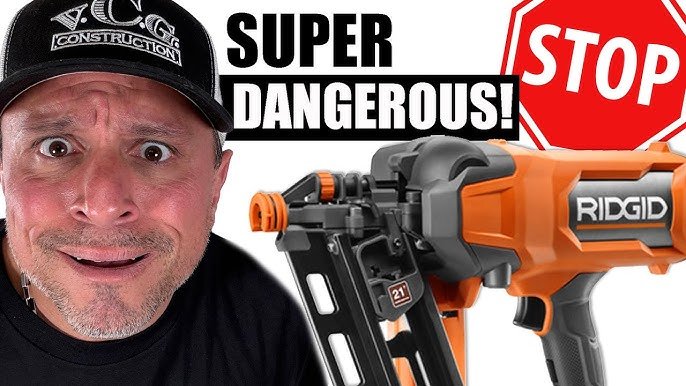
If you want your construction projects to be strong, fast, and professional, using a framing nailer properly is key. You might have the tool, but are you really getting the most out of it?
Imagine finishing your work quicker, with nails driven perfectly every time, and no frustrating mistakes slowing you down. This guide will show you exactly how to handle your framing nailer safely and effectively. Keep reading, and you’ll discover tips that save you time, prevent accidents, and make your projects look sharp—every single time.
Choosing The Right Framing Nailer
Using a framing nailer helps you build wood frames faster and easier. Picking the right tool makes your work safer and more accurate.
Learn about different types of framing nailers, nail sizes, and power sources. This will help you choose the best nailer for your needs.
Types Of Framing Nailers
There are mainly three types of framing nailers: coil, stick, and clipped head nailers. Each type fits different jobs and nail sizes.
Coil nailers hold many nails and are good for large projects. Stick nailers use strips of nails and are easier to reload. Clipped head nailers use shorter nails for tight spaces.
- Coil nailers: hold 100+ nails, good for big jobs
- Stick nailers: hold 15-30 nails, easy to reload
- Clipped head nailers: use shorter nails, fit tight spots
Nail Sizes And Compatibility
Framing nailers use nails of different lengths and gauges. Choose nails that match your nailer’s capacity and your project needs.
Longer nails are good for thick wood, and shorter nails work for thin boards. Make sure the nails fit the nailer to avoid jams and poor performance.
| Nail Length | Common Uses | Compatibility |
|---|---|---|
| 2 to 3-1/2 inches | Framing, heavy wood | Most framing nailers |
| 1-1/2 to 2 inches | Trim, smaller wood | Some framing and finish nailers |
| 1 to 1-1/2 inches | Detail work, thin wood | Finish nailers |
Power Sources Compared
Framing nailers get power from air, gas, or electricity. Each power source has benefits and limits to consider.
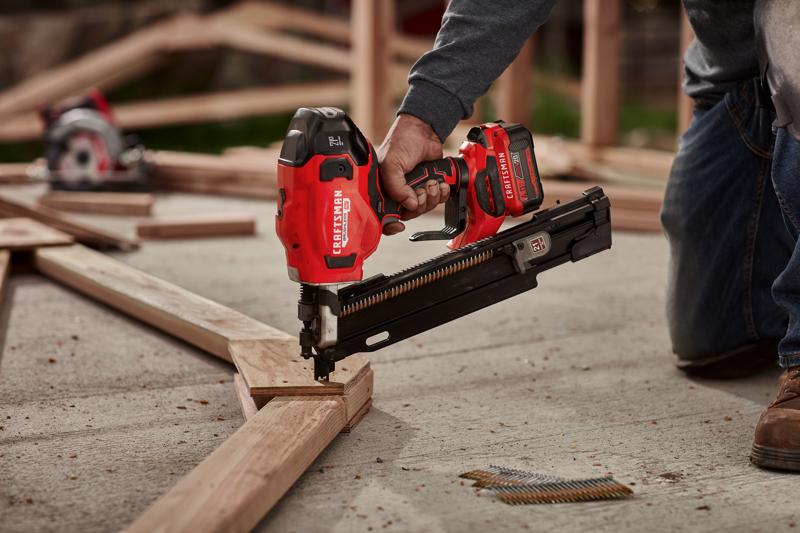
Air-powered nailers need a compressor but are very strong. Gas-powered nailers use fuel cells and work without cords. Electric nailers are light and quiet but may not be as powerful.
- Air-powered: strong, needs air compressor
- Gas-powered: cordless, uses fuel cells
- Electric: quiet, light, less powerful
Credit: www.craftsman.com
Preparing For Safe Use
Using a framing nailer can speed up construction work. It is important to use it safely to avoid injuries.
Preparing before you start ensures you protect yourself and others around you.
Essential Safety Gear
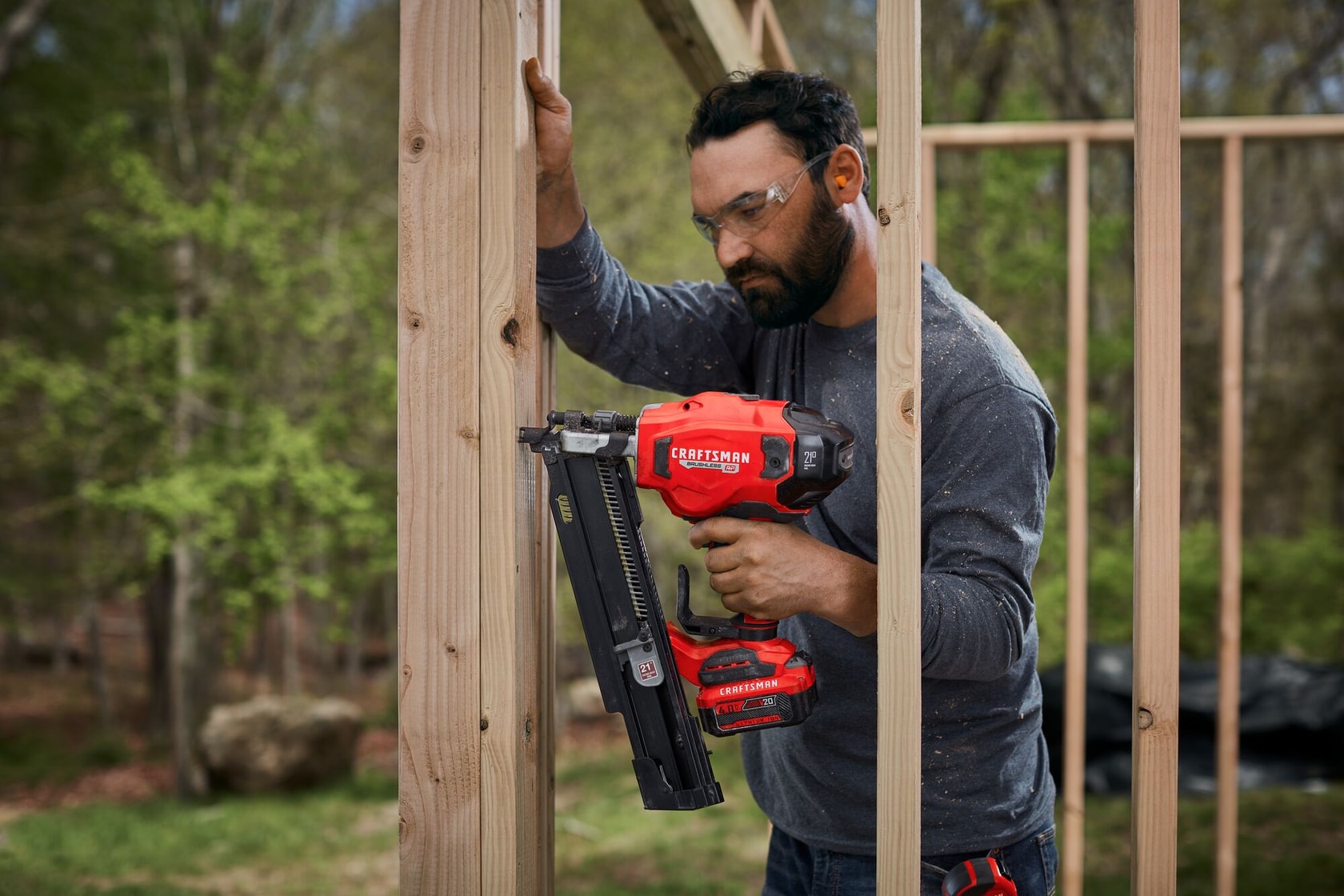
Wear the right safety gear to protect your eyes, ears, and hands. This gear reduces the risk of serious injury.
- Safety glasses to shield your eyes from flying nails and debris
- Ear protection to guard against loud noises
- Work gloves to protect your hands from sharp edges and splinters
- Sturdy boots to protect your feet from falling objects
Work Area Setup
Clear the work area of any obstacles or hazards. A tidy space helps you work safely and efficiently.
Make sure the surface you will work on is stable and secure. Good lighting is important to see clearly.
- Remove loose tools and materials from the floor
- Keep bystanders, especially children, away from the work area
- Check for any hidden electrical wires or pipes before nailing
- Use clamps to hold materials steady if needed
- Ensure you have enough space to handle the nailer safely
Tool Inspection Checklist
Check your framing nailer before use. This prevents malfunctions that can cause accidents.
Look for damage, loose parts, or worn components. Always use the correct nails for your tool.
- Inspect the nailer body for cracks or damage
- Make sure the trigger and safety mechanism work properly
- Check the air hose or power cord for leaks or cuts
- Clean the nailer to remove dust and debris
- Load nails correctly according to the manufacturer’s instructions
Mastering Nail Placement
Using a framing nailer correctly helps create strong and safe structures. Proper nail placement is key to good results.
This guide covers how to align the nailer, control nail depth, and avoid common mistakes.
Aligning The Nailer Correctly
Hold the nailer straight against the wood surface. Make sure it is flat and not tilted.
Aligning the nailer well prevents nails from bending or missing the wood.
- Keep the nailer perpendicular to the wood
- Do not hold it at an angle
- Check the surface before firing
Controlling Nail Depth
Set the nail depth to fit the material thickness. Nails should be flush or slightly below the surface.
Adjust the depth control on your nailer to avoid nails sticking out or sinking too deep.
- Test on scrap wood first
- Use the depth dial or screw on the tool
- Check nail heads after each few nails
Avoiding Common Placement Errors
Common errors include nailing too close to edges and uneven spacing. These weaken the structure.
Keep nails spaced evenly and away from wood ends to avoid splits and cracks.
- Do not nail too close to edges
- Space nails about 6 to 8 inches apart
- Use correct nail size for the material

Credit: www.youtube.com
Maintenance And Troubleshooting
Using a framing nailer correctly helps you work faster. Keeping it clean and well-maintained prevents problems.
Knowing how to fix common issues saves time. This guide covers cleaning, jam fixing, and regular care tips.
Cleaning Your Nailer
Clean your nailer after every use. Dirt and dust can cause it to jam or work poorly.
Use a dry cloth to wipe the outside. Blow compressed air into the nail chamber to remove dust.
- Remove nails before cleaning
- Use a soft brush for tight spots
- Check the air vents for blockages
Fixing Jams Quickly
Nail jams are common but easy to fix. Stop using the tool and unplug or disconnect it first.
Open the magazine and carefully remove the stuck nail. Clear any debris inside the nail path.
- Check for bent or damaged nails
- Reload the magazine properly
- Test the nailer on scrap wood
Regular Maintenance Tips
Keep your nailer in good shape with regular checks. Lubricate moving parts to avoid wear.
Inspect nails before loading. Replace worn or broken parts as needed to keep your nailer safe.
- Oil the tool as recommended by the manufacturer
- Store in a dry, clean place
- Check screws and bolts for tightness
Advanced Techniques For Precision
Using a framing nailer with precision takes skill and care. Small adjustments can improve your results.
This guide covers ways to use angled nails, handle different materials, and combine tools effectively.
Using Angled Nails
Angled nails help reach tight corners and create stronger joints. They reduce splitting in wood.
- Hold the nailer steady to keep the angle correct.
- Use nails designed for the specific angle of your nailer.
- Practice on scrap wood before working on your project.
- Adjust depth settings to avoid over-driving the nail.
Handling Different Materials
Different materials need different nail types and pressure settings. Wood, plywood, and metal react differently.
| Material | Nail Type | Pressure Setting | Notes |
|---|---|---|---|
| Softwood | Smooth nails | Medium | Less pressure to avoid splitting |
| Hardwood | Ring shank nails | High | Stronger hold needed |
| Plywood | Brad nails | Low | Thin material, avoid damage |
| Metal framing | Special metal nails | High | Use recommended nails only |
Combining With Other Tools
Use other tools to improve nail placement and safety. This helps achieve cleaner and safer results.
- Use clamps to hold pieces steady before nailing.
- Mark nail spots with a pencil for accuracy.
- Use a hammer to set nails that did not go in fully.
- Wear safety glasses to protect your eyes during work.
Credit: www.craftsman.com
Frequently Asked Questions
What Safety Tips Should I Follow Using Framing Nailers?
Always wear safety glasses and hearing protection. Keep hands away from the nailing area. Disconnect the nailer when not in use. Follow the manufacturer’s instructions to prevent accidents and ensure safe operation.
How Do I Choose The Right Framing Nailer?
Consider the nail size and power source. Pneumatic nailers offer more power but need an air compressor. Cordless nailers provide mobility. Match the nailer to your project size and material for best results.
Can I Use Framing Nailers On Different Wood Types?
Yes, framing nailers work on various woods. Adjust nail length and pressure for softwood or hardwood. Use suitable nails to ensure strong, secure fastening without damaging the wood.
How Do I Maintain A Framing Nailer Properly?
Clean the nailer after each use. Lubricate moving parts as recommended. Check for loose screws or worn components. Proper maintenance extends tool life and keeps performance optimal.
Conclusion
Proper use of framing nailers ensures safety and efficiency on projects. Always choose the right nailer for your task. Check the tool before each use. Wear protective gear to prevent injuries. Follow the manufacturer’s instructions carefully. Practice makes perfect, so take time to learn.
With these tips, handling nailers becomes easier and more effective. Happy building, and stay safe!