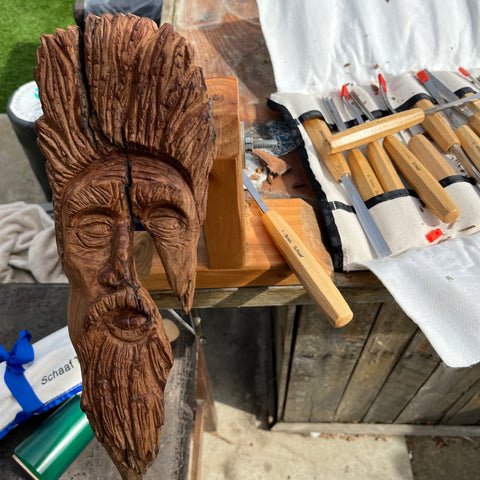
Are you ready to turn a simple block of wood into a work of art? Carving wood with chisels is a skill that anyone can learn, and it’s incredibly rewarding.
Whether you want to create intricate designs or smooth, clean shapes, mastering chisels will give you the control and precision you need. This guide will walk you through everything—from choosing the right tools to essential techniques—so you can start carving confidently.
Stick with me, and soon you’ll see your ideas come to life, one careful cut at a time.

Credit: daitool.com
Choosing The Right Chisels
Wood carving needs the right tools to work well. Picking proper chisels makes carving easier and safer. This guide helps you choose chisels that fit your wood carving projects.
Different chisels serve different purposes. Knowing their types, sizes, and quality helps you select the best tools.
Types Of Wood Carving Chisels
There are several chisel types for wood carving. Each type has a shape and use that suits certain cuts.
- Gouges:Curved blades for scooping wood and making hollows.
- V-tools:V-shaped blades for fine lines and details.
- Straight chisels:Flat blades for smoothing and straight cuts.
- Skew chisels:Angled blades for angled cuts and trimming.
Selecting Chisel Sizes
Chisels come in many widths. The right size depends on the carving detail and wood size.
- Small chisels (6-12 mm) work well for detail and small projects.
- Medium chisels (12-25 mm) suit general carving tasks.
- Large chisels (25 mm and up) handle big cuts and rough shaping.
Materials And Quality Factors
Good chisels last longer and cut better. Look for quality steel and solid handles.
| Material | Benefit | Note |
|---|---|---|
| High carbon steel | Sharp edges, easy to sharpen | May rust if not cared for |
| Stainless steel | Rust resistant, low maintenance | Edges can dull faster |
| Wood handles | Comfortable grip, classic look | Can crack or swell with moisture |
| Plastic handles | Durable, water resistant | Less comfortable for long use |
Preparing Your Workspace
Setting up your workspace is key before carving wood with chisels. A neat and safe area helps you work better.
Take time to organize your tools and keep your space clean. It lowers risks and improves your carving experience.
Setting Up A Safe Carving Area
Choose a spot with good light and fresh air. Clear the table of clutter and use a sturdy workbench.
- Keep sharp tools away from edges
- Use clamps to hold your wood firmly
- Wear safety glasses and gloves
- Have a first-aid kit nearby
- Keep children and pets out of the area
Essential Tools And Accessories
Gather the right chisels in different sizes. Have a mallet, sharpening stones, and a brush for cleanup.
| Tool | Purpose |
| Bevel-edge chisel | Fine detail work |
| Gouge | Curved cuts |
| V-tool | Lines and textures |
| Mallet | Tap chisels safely |
| Sharpening stone | Keep edges sharp |
Maintaining Sharpness And Safety
Sharp chisels cut cleanly and reduce accidents. Regularly check edges and handle conditions.
- Sharpen tools before each use
- Use oil stones or water stones
- Store chisels in a protective case
- Never leave tools unattended
- Wear protective gear always
Basic Carving Techniques
Carving wood with chisels requires practice and care. Using the right techniques helps you shape wood safely and well.
Focus on holding the chisel right, controlling how deep and at what angle you cut, and learning common carving strokes.
Holding The Chisel Correctly
Grip the chisel firmly but not too tight. Use one hand on the handle and the other near the blade for control. Keep your hands steady.
- Hold the handle with your dominant hand.
- Place your other hand close to the blade for guidance.
- Keep your fingers away from the cutting edge.
- Use a comfortable grip to avoid strain.
Controlling Depth And Angle
Control the depth by pressing lightly or firmly. The angle affects how the wood chips away. Practice to find the right balance.
| Angle | Effect |
| Low (15°–20°) | Thin, smooth shavings |
| Medium (25°–35°) | Standard carving cuts |
| High (40°+) | Deeper, rough cuts |
Common Carving Strokes
Different strokes create different shapes and textures. Use the right stroke for your design.
- Push Stroke:Push the chisel forward to remove thin wood layers.
- Paring Stroke:Use gentle, long cuts to smooth surfaces.
- Stop Cut:Make a short, deep cut to mark edges.
- V-Stroke:Carve a V shape for detail and texture.
Advanced Cutting Methods
Carving wood with chisels requires more than basic cuts. Advanced methods help create detailed and smooth shapes.
These techniques improve control and allow you to shape wood with precision.
Creating Smooth Curves
To carve smooth curves, use a curved chisel or gouge. Move the chisel in small, controlled strokes.
Keep the blade sharp and follow the wood grain to avoid rough edges.
- Use a shallow angle to guide the chisel
- Work slowly to shape the curve evenly
- Sand lightly after carving for extra smoothness
Making Precise Detail Cuts
For fine details, choose a small, sharp chisel. Hold it steady and apply gentle pressure.
Use a bench hook or clamp to keep the wood stable. This helps prevent slips and mistakes.
- Mark your design clearly before cutting
- Cut slowly to keep control
- Remove small chips instead of big chunks
Combining Chisels For Complex Shapes
Use different chisels together to carve complex shapes. Start with larger chisels for rough cuts.
Switch to smaller chisels to add detail and refine the shape.
- Begin with a flat chisel to remove big areas
- Use gouges for rounded or curved parts
- Finish with V-tools for sharp lines and textures
Wood Selection For Chisel Carving
Choosing the right wood is important for carving with chisels. The type of wood affects how easy it is to carve and the final look.
Different woods have unique textures and hardness. Knowing these helps you pick the best wood for your project.
Softwoods Vs Hardwoods
Softwoods are easier to carve because they are less dense. Hardwoods are tougher but give more detail and strength.
Softwoods work well for beginners and quick projects. Hardwoods are better for fine, lasting carvings.
- Softwoods: Pine, Cedar, Basswood
- Hardwoods: Oak, Walnut, Cherry
- Softwoods carve faster but may chip
- Hardwoods are harder but hold detail better
Grain Direction And Its Impact
Wood grain shows the direction of the wood fibers. Carving with the grain is smoother and safer.
Carving against the grain can cause splinters and rough edges. Pay attention to grain to avoid damage.
- Look for long, straight grain lines
- Cut along the grain, not across
- Check for knots that make carving hard
Best Woods For Beginners
Beginners should use softwoods that are easy to carve and forgiving. These woods help you learn without much effort.
Basswood and pine are popular beginner woods. They carve well and have fewer knots.
- Basswood: Soft, smooth, and easy to shape
- Pine: Readily available and affordable
- Cedar: Soft with a nice smell
Troubleshooting Common Issues
Carving wood with chisels can be tricky. Small problems may slow your work or damage your wood.
This guide helps you fix common issues. It covers splintering, uneven cuts, and dull chisels.
Avoiding Splintering And Tear-out
Splintering happens when wood fibers break unevenly. Tear-out is when chunks pull away from the wood.
To avoid these, carve slowly and use sharp chisels. Always cut with the wood grain, not against it.
- Score the wood surface before deep cuts
- Support the wood fibers by placing tape on the cut line
- Use a backing board to protect the wood
- Take shallow cuts instead of deep ones
Fixing Uneven Cuts
Uneven cuts make your work look rough and may cause fitting problems. This usually happens from poor chisel control.
Keep your chisel steady and use both hands if needed. Check your angle and adjust your grip for better control.
- Mark your cut lines clearly before carving
- Use a mallet to tap gently for consistent depth
- Sand or pare down high spots after cutting
- Practice carving on scrap wood to improve accuracy
Handling Dull Chisels
Dull chisels cause rough cuts and require more force. They increase the chance of mistakes and injuries.
Keep your chisels sharp by honing and sharpening regularly. Use a sharpening stone or professional service if needed.
- Check sharpness by slicing a piece of paper
- Hone the edge daily with a leather strop
- Sharpen with water or oil stones for a fine edge
- Store chisels properly to protect the blades
Finishing And Care
Carving wood with chisels is just the start. Finishing your work gives it a smooth look. Caring for your tools keeps them ready for use.
Good finishing and tool care improve your carving’s beauty and lifespan. Learn how to sand, apply finishes, and store chisels properly.
Sanding And Smoothing Techniques
Sanding removes rough edges and makes the wood smooth. Use fine sandpaper to avoid scratches. Sand along the grain for best results.
After sanding, wipe the wood with a soft cloth. This removes dust and prepares the surface for finishing.
- Start with medium grit sandpaper (120-150 grit)
- Move to fine grit sandpaper (220 grit or higher)
- Sand gently to keep the wood’s shape
- Use a soft brush to clean dust from details
Applying Finishes And Sealants
Finishes protect wood from moisture and dirt. They also bring out the wood’s color and grain. Choose finishes like oil, wax, or varnish.
Apply finishes with a clean cloth or brush. Let each layer dry before adding another. This builds a strong protective coat.
- Use boiled linseed oil or tung oil for a natural look
- Wax adds a soft shine and smooth feel
- Varnish gives a hard, shiny finish
- Test finishes on scrap wood first
Chisel Maintenance And Storage
Keep chisels sharp for clean cuts. Dull chisels can damage your work and cause accidents. Regular sharpening is important.
Store chisels in a dry place. Use a case or rack to keep blades safe. Clean chisels after each use to prevent rust.
- Sharpen chisels with a whetstone or sharpening system
- Wipe blades with oil to stop rust
- Store chisels with blade guards or in a tool roll
- Check handles for cracks and replace if needed

Credit: www.familyhandyman.com

Credit: beavercrafttools.com
Frequently Asked Questions
What Types Of Wood Are Best For Carving With Chisels?
Softwoods like basswood and pine are ideal for beginners. Hardwoods such as oak and walnut offer durability and fine detail for advanced carvers. Choosing the right wood depends on your skill level and project type.
How Do I Maintain And Sharpen Chisels For Wood Carving?
Regularly hone chisels with a sharpening stone to keep edges sharp. Clean blades after use and store them safely. Proper maintenance ensures precise cuts and extends tool life.
What Are Essential Safety Tips For Carving Wood With Chisels?
Always carve away from your body to avoid injury. Use a carving glove on your non-dominant hand for protection. Keep chisels sharp to reduce slipping and work in a well-lit area.
How Do I Choose The Right Chisel Size For My Project?
Select smaller chisels for fine details and larger ones for broad cuts. A basic set usually includes ¼”, ½”, and 1″ sizes. Match chisel size to the carving complexity for best results.
Conclusion
Embarking on wood carving with chisels is a rewarding journey. Start with basic tools. Practice often to gain confidence. Patience and persistence are key to improvement. Enjoy the creative process and watch your skills grow. Remember, every piece tells a story.
Experiment with different woods for varied textures. Keep your chisels sharp for clean cuts. Safety should always be a top priority. Wear protective gear to prevent accidents. Share your creations with friends and family. Inspire others to explore this timeless craft.
Happy carving!