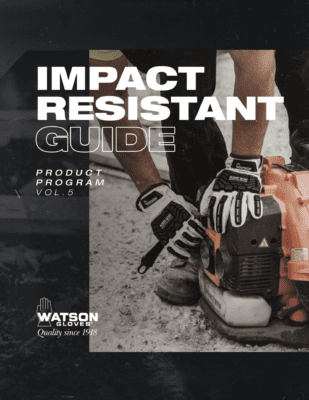
Imagine you’re on the job, hands busy with tasks that demand precision and safety. The right gloves can be your best ally, especially when dealing with heavy tools or sharp objects.
Impact-resistant gloves are not just a piece of gear; they’re a necessity for protecting your hands from injuries. But with so many options available, choosing the right pair can be overwhelming. Are you confident in picking the best fit for your needs?
This guide will unravel the secrets to selecting impact-resistant gloves that ensure your safety without compromising comfort. Discover how the right choice can make all the difference in your daily routine. Keep reading to equip yourself with the knowledge that could save your hands and enhance your work performance.
Types Of Impact-resistant Gloves
Impact-resistant gloves protect your hands from bumps and heavy hits. They are used in many jobs where hand safety is important.
Choosing the right type depends on the material, design, and level of protection you need. This guide explains these key factors.
Material Options
Materials affect how strong and flexible gloves are. Some materials offer better shock absorption, while others provide more comfort.
- Leather:Durable and good for heavy work. It protects well but can be less flexible.
- Kevlar:Cut-resistant and tough. It offers strong impact protection.
- Rubber and Neoprene:Flexible and water-resistant. They absorb shocks well.
- Mesh fabrics:Lightweight and breathable. They provide comfort but less heavy protection.
Design Styles
Glove designs vary to fit different tasks. Some cover the whole hand, others focus on knuckles or fingers.
- Full-Finger Gloves:Cover all fingers for complete protection.
- Fingerless Gloves:Offer impact protection but allow finger movement.
- Knuckle Guards:Extra padding on knuckles to absorb strong hits.
- Reinforced Palms:Add extra layers on palms for grip and safety.
Level Of Protection
Gloves come with different protection levels. Higher levels mean more impact resistance but can reduce flexibility.
- Light Protection:Good for minor bumps and light tasks.
- Medium Protection:Suitable for moderate impact and work with tools.
- High Protection:Designed for heavy impact and tough environments.
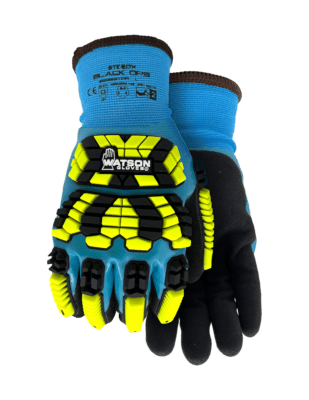
Credit: www.watsongloves.com
Key Features To Look For
Choosing the right impact-resistant gloves is important for safety and comfort. These gloves protect your hands from injuries during work or sports.
Look for gloves with features that match your needs. This guide explains key features to help you decide.
Padding And Reinforcement
Padding helps absorb shocks and reduces hand injuries. Reinforced areas give extra protection to key parts of the hand.
Look for gloves with thick padding on the knuckles and palms. Reinforced stitching adds strength and durability.
- Thick padding on knuckles and palms
- Extra layers on impact-prone areas
- Strong stitching for long-lasting use
Grip And Dexterity
Good grip helps you hold tools and objects securely. Dexterity means you can move your fingers freely while wearing gloves.
Choose gloves with textured surfaces for better grip. Flexible materials let you work without feeling clumsy.
- Textured palms for a strong grip
- Flexible materials to move fingers easily
- Snug fit to avoid slipping
Breathability And Comfort
Breathable gloves keep your hands cool and dry. Comfortable gloves reduce hand fatigue during long use.
Look for gloves made with mesh or perforated materials. Soft linings can improve comfort without losing protection.
- Mesh or perforated fabric for airflow
- Soft inner lining for comfort
- Lightweight design to reduce tiredness
Choosing Gloves For Specific Tasks
Choosing the right impact-resistant gloves depends on the task you need to do. Different jobs require different protection levels and glove features.
Knowing what type of work you will do helps you pick gloves that keep your hands safe and comfortable.
Construction And Heavy-duty Work
In construction, gloves must protect against strong impacts, cuts, and rough surfaces. They should also fit well and allow good hand movement.
- Look for gloves with reinforced knuckles and palms.
- Choose materials like leather or heavy-duty synthetic fabrics.
- Ensure gloves have good grip for handling tools and materials.
- Check for gloves with padding to absorb shocks.
Mechanical And Industrial Use
Gloves used in mechanical work must protect hands from sharp parts and sudden impacts. They also need to resist oils and chemicals.
| Feature | Importance |
| Cut resistance | High |
| Impact protection | High |
| Oil resistance | Medium |
| Flexibility | High |
| Grip | High |
Outdoor And Sports Applications
For outdoor and sports use, gloves need to protect against impacts and weather conditions. Comfort and breathability are also important.
- Choose gloves with padding on impact areas like knuckles.
- Look for moisture-wicking materials to keep hands dry.
- Select gloves with adjustable cuffs for a secure fit.
- Consider gloves that offer good ventilation for long use.
Sizing And Fit Tips
Choosing the right size and fit for impact-resistant gloves is key for comfort and protection. Gloves that fit well let you work safely and move your hands freely.
Below are tips to help you find gloves that fit your hands perfectly. These tips focus on measuring, flexibility, and common fit problems.
Measuring Your Hands
To find the right glove size, you need to measure your hands carefully. Use a soft tape measure and follow these steps.
- Wrap the tape around the widest part of your palm, just below your knuckles.
- Note the measurement in inches or centimeters.
- Measure the length from the tip of your middle finger to your wrist.
- Compare your measurements to the glove brand’s size chart.
Ensuring Flexibility
Good gloves must allow your fingers and hands to bend easily. Too tight gloves reduce movement. Too loose gloves cause slipping.
| Fit Feature | What to Check |
|---|---|
| Finger Movement | Can you bend fingers without pressure? |
| Grip Comfort | Does the glove let you hold tools firmly? |
| Material Stretch | Does the glove material stretch but keep shape? |
Avoiding Common Fit Issues
Many people face fit problems with gloves. Knowing these issues helps you avoid discomfort and poor protection.
- Gloves too tight may cut off circulation and cause hand fatigue.
- Gloves too loose may catch on objects or reduce control.
- Long cuffs can limit wrist movement if not sized right.
- Seams in wrong places can create pressure points or blisters.
- Wrong finger lengths cause bunching or pinching.
Maintenance And Care
Proper care extends the life of impact-resistant gloves. It keeps them safe and effective. Regular cleaning and correct storage are key.
Knowing when to replace gloves ensures your hands stay protected. Follow simple steps for maintenance and care.
Cleaning Guidelines
Clean your gloves after each use to remove dirt and sweat. Use mild soap and lukewarm water. Avoid harsh chemicals that can damage materials.
- Gently scrub gloves with a soft brush or cloth
- Rinse thoroughly to remove all soap
- Air dry gloves away from direct heat or sunlight
- Do not machine wash or dry
Storage Recommendations
Store gloves in a cool, dry place to keep them in good condition. Avoid folding or crushing them. Keep away from sharp objects and chemicals.
| Storage Tip | Reason |
| Keep gloves flat or on a glove rack | Prevents deformation and damage |
| Use a breathable bag or container | Allows air circulation to avoid moisture buildup |
| Store away from direct sunlight | Protects material from UV damage |
When To Replace Gloves
Replace gloves if they show signs of wear or damage. Old gloves may not protect your hands properly.
- Check for tears, holes, or thinning material
- Look for stiff or cracked areas
- Replace if impact padding is compressed or broken
- Discard gloves that smell bad or have mold
- Replace gloves after heavy impact or accident

Credit: www.ergodyne.com
Certifications And Standards
Choosing impact-resistant gloves requires understanding their certifications and standards. These marks show the glove’s ability to protect your hands in tough conditions.
Knowing the ratings and testing behind these gloves helps you pick the right pair for your safety needs.
Impact Resistance Ratings
Impact resistance ratings measure how well gloves protect against sudden force or strikes. These ratings come from standardized tests that check glove strength.
- Level 1: Basic protection for light impacts
- Level 2: Moderate protection for medium impacts
- Level 3: High protection for strong impacts
- Level 4: Maximum protection for severe impacts
Safety Compliance Marks
Safety compliance marks show that gloves meet legal and industry standards. Look for these marks on the glove label or packaging.
| Mark | Meaning | Region |
| CE | Meets European safety standards | Europe |
| ANSI | Certified by American National Standards Institute | USA |
| EN 388 | Standard for protective gloves against mechanical risks | Europe |
| ASTM F2992 | Test for cut resistance | USA |
Testing Procedures
Testing procedures check how gloves perform under impact. These tests use machines to apply force and measure glove response.
- The glove is struck by a weighted hammer or impactor.
- Sensors measure the force transmitted through the glove.
- Results show how much protection the glove offers.
- Gloves that pass the test receive official certification.
Budgeting For Quality Gloves
Choosing impact-resistant gloves means balancing cost and safety. You want gloves that protect your hands without overspending.
Understanding the factors that affect glove prices helps you make smart buying decisions. Quality gloves can be an investment in your safety.
Cost Vs. Protection
Higher-priced gloves often provide better impact protection. Cheaper gloves may lack key safety features and last less time.
- Mid-range gloves usually balance price and protection well.
- Top-tier gloves offer advanced materials and comfort.
- Low-cost gloves may suit light tasks but not heavy impacts.
Brand Reputation
Brands with a strong reputation often invest more in quality control. They provide reliable gloves that meet safety standards.
| Brand | Price Range | Known For |
| SafeGrip | $$$ | Durability and comfort |
| HandGuard | $$ | Good balance of price and protection |
| WorkSafe | $ | Basic protection for light use |
Warranty And Support
Check if the gloves come with a warranty. Good support can save money if gloves fail early.
- Replacement or refund for defects
- Clear terms and conditions
- Customer service contact options

Credit: trueprepper.com
Frequently Asked Questions
What Are Impact-resistant Gloves Used For?
Impact-resistant gloves protect hands from sudden blows and crushing injuries. They are essential in construction, manufacturing, and heavy-duty work environments. These gloves reduce injury risk by absorbing and dispersing impact energy, ensuring worker safety during hazardous tasks.
How To Choose The Best Impact-resistant Gloves?
Choose gloves based on impact protection level, material durability, and comfort. Look for gloves with reinforced knuckles and padded palms. Ensure the gloves fit well and allow dexterity. Consider the specific work environment and hazards for optimal protection.
What Materials Are Common In Impact-resistant Gloves?
Impact-resistant gloves often use materials like leather, synthetic fabrics, and thermoplastic rubber. These materials provide flexibility, durability, and shock absorption. Some gloves include additional padding or inserts for extra protection against impacts.
Can Impact-resistant Gloves Improve Work Safety?
Yes, impact-resistant gloves significantly reduce hand injuries from impacts and abrasions. They enhance worker confidence and productivity by providing reliable protection. Using these gloves is a proactive step in workplace safety programs.
Conclusion
Choosing the right impact-resistant gloves protects your hands and boosts confidence. Focus on fit, material, and protection level. Gloves that fit well feel comfortable all day. Strong materials guard against cuts and shocks. Think about your work needs before buying.
Good gloves help prevent injuries and improve safety. Keep these tips in mind for better hand protection. Your hands deserve the best care possible. Stay safe and work with peace of mind.