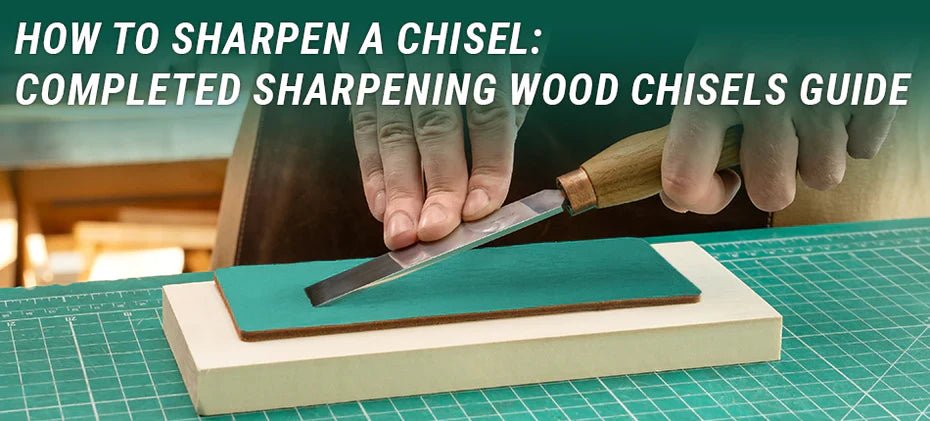
If you want your chisels to last longer and work better every time, cleaning and maintaining them is key. Neglecting this simple routine can lead to dull blades, rust, and frustrating results.
But don’t worry—this guide will show you easy steps to keep your chisels sharp and ready for any project. By following these tips, you’ll save time, money, and avoid unnecessary hassle. Ready to take your chisels from worn-out to like-new?
Let’s dive in.

Credit: daitool.com
Choosing The Right Chisel
Picking the right chisel makes your work easier and safer. Different jobs need different chisels.
Good chisels last longer and give better results. Learn about types and materials before buying.
Types Of Chisels
Chisels come in many shapes and sizes. Each type fits a special task.
- Bench Chisels: Used for general woodworking and shaping.
- Mortise Chisels: Strong and thick for cutting deep holes.
- Paring Chisels: Long and thin for delicate trimming.
- Corner Chisels: Used to clean out corners and square holes.
- Skew Chisels: Angled edge for smooth cuts on wood grain.
Materials And Quality
Chisels must be made from strong steel. High-quality steel holds the edge longer.
Handle materials affect comfort and control. Wood and plastic are common handle types.
- High-carbon steel: Easy to sharpen, holds edge well.
- Chrome-vanadium steel: Resists rust and wear.
- Wood handles: Comfortable but can crack over time.
- Plastic handles: Durable and weather-resistant.

Credit: daitool.com
Essential Cleaning Tools
Keeping chisels clean helps them last longer and work better. Using the right tools makes cleaning easier and more effective.
This guide covers important brushes, cloths, and cleaning agents you need for chisel care.
Brushes And Cloths
Soft brushes remove dirt and rust without scratching the metal. Cloths help wipe away grime and dry the chisel after cleaning.
- Use a brass or nylon brush for gentle scrubbing.
- Microfiber cloths absorb moisture well and avoid leaving lint.
- Lint-free cotton cloths work well for applying oil.
- Keep separate cloths for cleaning and drying to avoid spreading rust.
Cleaning Agents
Choose the right cleaning agent to remove rust, oil, and dirt from chisels.
| Cleaning Agent | Use | Notes |
| Mineral spirits | Remove grease and oil | Evaporates quickly, safe for metal |
| White vinegar | Remove light rust | Soak for a few hours, rinse well |
| WD-40 or similar | Protect metal and loosen rust | Apply lightly, wipe off excess |
| Soap and water | Clean dirt and debris | Dry immediately to prevent rust |
Step-by-step Cleaning Process
Keeping chisels clean helps them last longer and work better. Dirt, rust, and oils can damage the blade and handle. Follow these steps to clean and maintain your chisels properly.
This guide covers how to remove rust, clean the blade, and care for the handle. Each section shows simple actions you can do at home.
Removing Rust
Rust weakens the metal and makes chisels hard to use. You can remove rust with basic tools and household items.
- Soak the chisel blade in white vinegar for 1 to 2 hours.
- Use a wire brush or steel wool to scrub off loosened rust.
- Rinse the blade with clean water and dry it well.
- Apply a light coat of oil to stop new rust from forming.
Cleaning The Blade
After rust removal, clean the blade to remove dirt and old oil. This keeps the blade sharp and ready to use.
| Cleaning Step | Materials Needed | Instructions |
| Remove dirt and debris | Soft cloth, warm water | Wipe the blade gently with a damp cloth to remove dirt. |
| Remove old oil | Mineral spirits or rubbing alcohol | Apply with cloth to clean off old oil and grease. |
| Dry blade | Clean dry cloth | Wipe the blade dry to prevent moisture buildup. |
| Protect metal | Light machine oil | Apply a thin layer of oil to prevent rust. |
Cleaning The Handle
The handle needs care to stay strong and comfortable. Clean and treat wood or plastic handles carefully.
- Remove surface dirt with a dry brush or cloth.
- For wooden handles, use fine sandpaper to smooth rough spots.
- Apply wood oil or wax to wooden handles to keep them from drying out.
- Wipe plastic handles with mild soap and water, then dry well.
- Check the handle for cracks or loose fittings regularly.
Sharpening Techniques
Keeping chisels sharp is key for smooth and safe woodworking. Sharpening makes the blade cut cleanly without effort.
This guide covers how to select sharpening stones, keep the right angle, and polish the edge.
Selecting The Right Sharpening Stones
Use the correct stones to sharpen your chisels well. Stones come in different grits for different jobs.
- Coarse stones remove chips and shape the edge.
- Medium stones refine the edge after coarse sharpening.
- Fine stones polish the blade for a smooth finish.
- Water stones are common and easy to use with water.
- Oil stones require oil but last longer and cut slower.
Maintaining The Correct Angle
Hold your chisel at the right angle to sharpen it properly. The correct angle keeps the edge sharp and strong.
| Chisel Type | Recommended Sharpening Angle |
| Bench Chisel | 25 to 30 degrees |
| Paring Chisel | 20 to 25 degrees |
| Mortise Chisel | 30 to 35 degrees |
Keep the angle steady while moving the chisel on the stone. Use guides if needed to keep the angle consistent.
Polishing The Edge
Polishing removes tiny scratches and makes the edge very sharp. It improves cutting and lasts longer.
Follow these polishing tips:
- Use very fine stones or a leather strop.
- Apply polishing compound on the strop for best results.
- Draw the chisel back and forth gently on the strop.
- Check the edge regularly to avoid over-polishing.
Proper Storage Tips
Storing chisels properly keeps them sharp and safe. Good storage stops rust and damage.
Organizing your chisels helps you find the right tool quickly. It also protects the blades.
Protecting The Blade
Always cover the blade edge to keep it sharp and safe. Use blade guards or caps to protect it.
Keep chisels dry to avoid rust. Wipe blades with an oily cloth before storing.
- Use plastic or leather blade guards
- Apply light machine oil to blades
- Store in a dry place away from moisture
Organizing Your Tools
Keep chisels in a dedicated box or rack. This stops them from banging and getting dull.
Label or arrange chisels by size or type. This makes it easy to find the right one fast.
- Use a wooden or foam tool rack
- Store chisels handle up for safety
- Group similar chisels together
Routine Maintenance
Keeping chisels clean and well-maintained helps them last longer. Routine maintenance stops damage and keeps edges sharp.
Simple daily care makes a big difference. It saves time and money on repairs or replacements.
Regular Inspection
Check chisels before and after each use. Look for chips, cracks, or dull edges. Detecting problems early prevents serious damage.
Also inspect handles for looseness or splits. A broken handle can cause accidents. Tighten or replace loose parts quickly.
- Look for blade damage or dullness
- Check handle for cracks or looseness
- Ensure the blade fits securely in the handle
- Remove dirt or debris from the tool
Lubrication And Rust Prevention
Apply light oil to metal parts after cleaning. Oil stops rust and keeps the blade smooth. Avoid heavy grease that attracts dirt.
Store chisels in dry places. Use protective covers or cases if possible. Rust damages the blade and lowers cutting quality.
- Clean blade with a dry cloth before oiling
- Use machine oil or light mineral oil
- Wipe off excess oil to prevent dirt build-up
- Keep chisels in a toolbox or rack away from moisture
Troubleshooting Common Issues
Chisels can get damaged or loose after frequent use. Fixing these issues keeps them safe and sharp.
This guide helps you fix chips, nicks, and loose handles on your chisels. Proper care extends their life.
Fixing Chips And Nicks
Chisel edges can chip or nick from hitting hard surfaces. You need to sharpen and smooth them out.
Use a sharpening stone or fine sandpaper to fix small chips. For bigger damage, grind the edge carefully.
- Start with coarse grit to remove chips
- Move to finer grit for a smooth edge
- Keep the original bevel angle while sharpening
- Test sharpness by cutting soft wood
Addressing Loose Handles
Loose handles make chisels unsafe and hard to use. Tighten or replace handles to fix this issue.
Check if the handle is cracked or if the tang fits loosely. Use wood glue or wedges to secure it.
- Remove the handle if it is too loose
- Apply wood glue inside the handle socket
- Insert a wooden wedge to tighten the fit
- Let glue dry fully before using the chisel

Credit: daitool.com
Frequently Asked Questions
How Often Should Chisels Be Cleaned?
Chisels should be cleaned after every use to prevent rust and residue buildup. Regular cleaning maintains sharpness and performance. Wipe the blade with a dry cloth and apply light oil to protect the metal. Proper care extends the chisel’s lifespan and ensures safe handling.
What Is The Best Way To Sharpen Chisels?
Use a sharpening stone or honing guide for precise sharpening. Start with coarse grit, then move to finer grits for a sharp edge. Keep the blade angle consistent, usually around 25 degrees. Sharpening regularly improves cutting efficiency and safety.
How Do I Prevent Rust On Chisels?
Prevent rust by storing chisels in a dry place and applying a thin oil layer after cleaning. Avoid moisture exposure and wipe off any dirt or debris promptly. Using protective covers or cases also helps keep chisels rust-free and ready to use.
Can Chisels Be Cleaned With Household Products?
Yes, mild household products like vinegar or baking soda can remove rust and grime. Use them carefully, followed by thorough rinsing and drying. Avoid harsh chemicals that may damage the metal. Regular maintenance with gentle cleaners keeps chisels in good condition.
Conclusion
Cleaning and caring for chisels keeps them sharp and ready to use. Regular maintenance stops rust and damage early. Wipe blades clean after each use. Store chisels in a dry place to avoid moisture. Sharpen edges carefully for best results.
Small efforts add up to longer tool life. Take time for simple care routines. Your chisels will perform better and last longer. Easy steps make a big difference. Keep your tools in top shape every day.