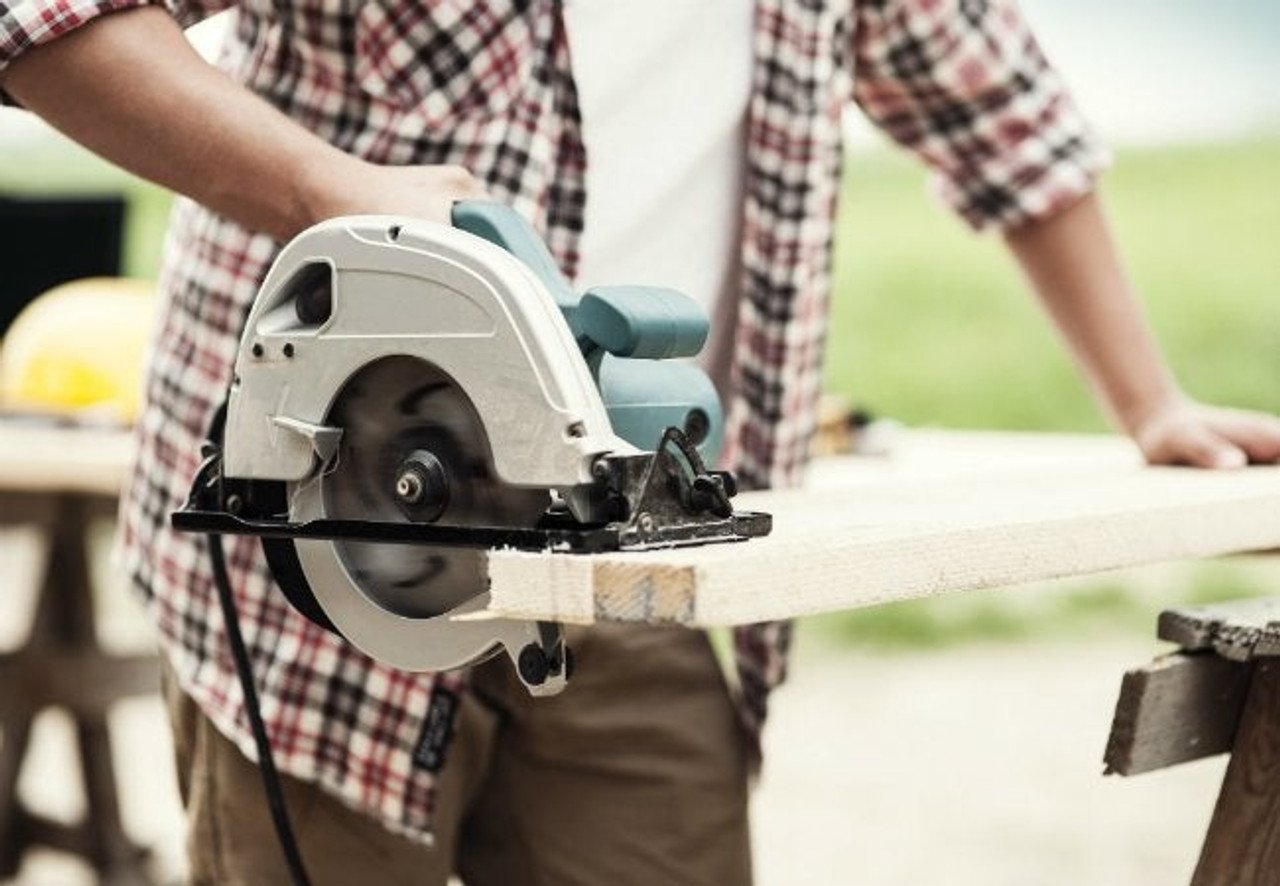
If you use a circular saw, you know how dust can quickly build up around the dust port. This buildup can clog your tool, reduce its efficiency, and even affect your safety.
But cleaning those dust ports doesn’t have to be a frustrating task. In this guide, you’ll discover simple, effective steps to keep your circular saw running smoothly. By the time you finish reading, you’ll have the confidence to maintain your tool like a pro and enjoy cleaner, safer cuts every time.
Let’s get started and make your saw work better for you.
Importance Of Clean Dust Ports
Keeping circular saw dust ports clean helps your saw work better. Dust ports remove sawdust and debris during cutting.
Blocked dust ports reduce the saw’s efficiency and can cause damage. Cleaning them regularly keeps your tool safe and lasting longer.
Impact On Saw Performance
Dirty dust ports block airflow and cause sawdust buildup inside the tool. This slows down the motor and can lead to overheating.
Clean dust ports allow sawdust to leave the saw quickly. This keeps the saw running smoothly and cuts more accurately.
- Prevents motor strain and overheating
- Improves cutting accuracy and speed
- Reduces wear and tear on saw parts
Health And Safety Benefits
Clean dust ports reduce the amount of dust released into the air. This helps keep your workspace cleaner and safer to breathe in.
Less dust in the air lowers the risk of breathing problems and fire hazards. It also helps keep your eyes and skin safe from irritation.
- Improves air quality in your workspace
- Reduces risk of respiratory issues
- Decreases chance of fire caused by dust buildup
Tools Needed For Cleaning
Cleaning circular saw dust ports keeps your tool working well. Dust can block air flow and cause damage.
Using the right tools makes cleaning easier and more effective. Here are the main tools you need.
Basic Cleaning Supplies
These simple supplies help remove dust and debris from saw dust ports. They are easy to find and use.
- Soft-bristle brush for dust removal
- Compressed air can or air compressor
- Clean rags or microfiber cloths
- Mild cleaning solution or isopropyl alcohol
- Small vacuum cleaner with a hose attachment
Specialized Equipment
Some tools help clean hard-to-reach areas inside the dust ports. They are designed for precision and safety.
| Tool | Purpose | Notes |
| Air compressor | Blows out dust from tight spaces | Use low pressure to avoid damage |
| Flexible cleaning brush | Reaches inside narrow ports | Soft bristles prevent scratching |
| Vacuum with narrow nozzle | Removes loosened dust | Helps keep the workspace clean |
| Pipe cleaners or cotton swabs | Detail cleaning inside small holes | Use gently to avoid bending parts |
Preparing Your Circular Saw
Cleaning the dust ports on your circular saw keeps it working well. Proper preparation helps you clean safely and thoroughly.
Before you start, make sure you have a safe workspace. Gathering tools and understanding the parts will make cleaning easier.
Unplugging And Safety Precautions
Always unplug the circular saw before cleaning. This stops the saw from turning on by mistake.
Wear safety gloves and glasses to protect your hands and eyes from dust and debris. Work in a well-lit area.
- Unplug the saw from the power source
- Wear gloves to avoid cuts
- Use safety glasses to protect eyes
- Clear your workspace of clutter
Disassembling Dust Port Components
Remove the dust port parts carefully. Check your circular saw manual to find how to take them apart.
Use the right tools like screwdrivers or wrenches. Keep the small pieces in a safe place to avoid losing them.
- Locate screws or clips holding the dust port
- Use tools to loosen and remove parts
- Place parts on a clean surface
- Inspect parts for damage before cleaning

Credit: www.boschtools.com
Step-by-step Cleaning Process
Cleaning the circular saw dust ports keeps your saw working well. Dust can build up and block airflow.
This guide shows simple steps to remove dust and debris safely and easily.
Removing Dust And Debris
Start by unplugging the saw for safety. Use a small brush or cloth to clear loose dust and wood chips from the dust ports.
- Remove the blade guard if needed.
- Use a dry cloth to wipe dust from the port opening.
- Brush inside the port to loosen stuck debris.
- Collect dust on a paper towel or tray for easy disposal.
Using Compressed Air
Compressed air helps blow out dust stuck deep inside the ports. Use it carefully to avoid damage.
- Wear safety glasses to protect your eyes.
- Hold the can or compressor nozzle a few inches from the dust port.
- Spray short bursts of air into the port to dislodge dust.
- Turn the saw to blow air through different angles.
- Repeat until no more dust comes out.
Cleaning With Brushes And Cloths
Use soft brushes and cloths to clean remaining dust and maintain the ports.
| Tool | Purpose |
| Soft-bristle brush | Loosen dirt without scratching |
| Microfiber cloth | Wipe fine dust from surfaces |
| Wooden stick or toothpick | Reach tight corners inside ports |
Lightly dampen the cloth if dust is sticky, but avoid water inside the saw.
Preventing Future Clogs
Keeping your circular saw dust ports clean helps your saw work better. Dust can block the ports and reduce air flow.
Preventing clogs saves time and keeps your workspace safer. A few simple steps help avoid dust build-up.
Regular Maintenance Tips
Check your dust ports after each use. Remove any dust or debris with a brush or compressed air.
Clean filters and hoses often. This stops small dust particles from building up inside the system.
- Use a soft brush to clear dust from ports
- Blow air through hoses to clear blockages
- Inspect and clean filters regularly
- Store saw in a dry place to avoid moisture clogging
Upgrading Dust Collection Systems
Old dust collection systems may not remove all dust. Upgrading helps keep ports clear and air clean.
Choose a system that fits your saw and work area. Larger hoses and better filters improve dust flow and collection.
- Use wider hoses to reduce clogs
- Choose filters with fine mesh for small dust
- Consider a dust extractor with strong suction
- Regularly check new system for leaks or blockages

Credit: www.jamtkrogen.com
Troubleshooting Common Issues
Cleaning the dust ports on your circular saw keeps the tool working well. Dust buildup and damage can cause problems. This guide helps you find and fix common issues.
Check your saw regularly for signs of trouble. Fixing issues early saves time and keeps your saw safe to use.
Persistent Blockages
Dust ports can get clogged with sawdust and debris. This lowers suction and makes cleanup hard. Clean blockages carefully to avoid damage.
- Turn off and unplug the saw before cleaning.
- Use a soft brush or compressed air to clear dust.
- Remove large debris with a small tool like a toothpick.
- Check the dust port opening for cracks or breaks.
- Repeat cleaning regularly to prevent buildup.
Signs Of Dust Port Damage
Damage to the dust port affects suction and safety. Look for cracks, holes, or loose parts. Damaged ports may let dust escape or block airflow.
| Damage Type | Signs | Action |
|---|---|---|
| Cracks | Visible lines or splits around the port | Replace the dust port or get professional help |
| Holes | Unexpected holes or gaps in the plastic | Seal small holes with tape or replace if large |
| Loose Fittings | Dust port moves or wobbles when touched | Tighten screws or replace mounting parts |

Credit: www.walmart.com
Frequently Asked Questions
How Do I Clean A Circular Saw Dust Port?
To clean a circular saw dust port, first unplug the saw. Use a brush or compressed air to remove debris. Ensure the dust port is clear for optimal performance. Regular cleaning prevents blockages and maintains efficiency. Always follow safety precautions when handling tools.
Why Is My Saw’s Dust Port Clogged?
A clogged dust port often results from accumulated sawdust. Regularly cleaning helps prevent this issue. Moisture and improper storage can also contribute to clogging. Ensure the sawdust is dry and store your saw in a dry place. Routine maintenance keeps the saw functioning efficiently.
What Tools Are Needed To Clean Dust Ports?
To clean dust ports, you’ll need a brush, compressed air, and a vacuum. A small brush effectively removes debris from tight spaces. Compressed air blasts away stubborn particles. A vacuum ensures thorough cleaning. Regular maintenance with these tools keeps your saw’s dust port in optimal condition.
How Often Should I Clean The Dust Port?
Clean your circular saw’s dust port after every few uses. Regular cleaning prevents buildup and ensures efficient operation. If you notice decreased performance, check and clean the port more frequently. Maintaining a cleaning schedule extends your saw’s lifespan and enhances its functionality.
Conclusion
Cleaning your circular saw dust ports keeps your tool working well. Clear dust helps you cut safely and precisely. Regular cleaning stops clogs and improves airflow. Simple steps like brushing and blowing out dust help a lot. Keep your saw in good shape with easy care.
Small efforts now save you trouble later. Your saw will last longer and work better. Stay safe and enjoy smooth, clean cuts every time.