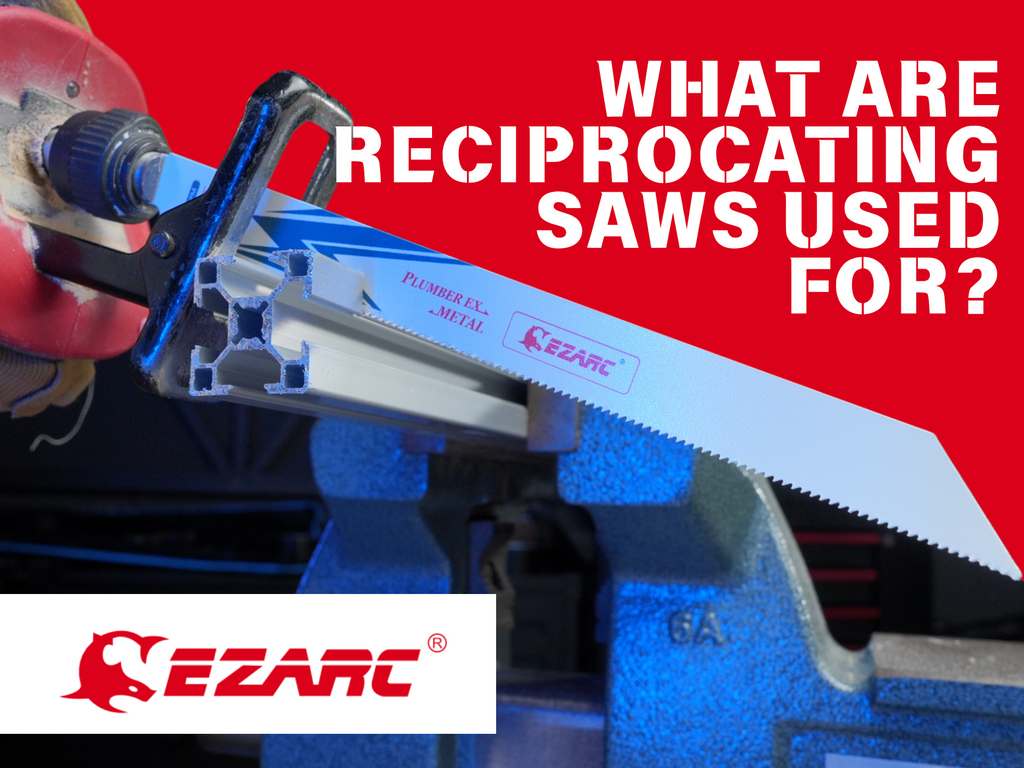
Have you ever noticed your reciprocating saw isn’t performing as smoothly as it used to? It might be time for a good cleaning.
Keeping your tools in top shape ensures they work efficiently and last longer, saving you time and money in the long run. In this guide, you’ll discover simple, effective steps to clean your reciprocating saw without any hassle. Imagine the satisfaction of a perfectly working tool every time you reach for it.
Dive in, and you’ll soon see how a clean saw can make all the difference in your DIY projects or professional jobs. Get ready to transform your tool maintenance routine!
Choosing The Right Cleaning Tools
Keeping your reciprocating saw clean helps it work better and last longer. Using the correct cleaning tools makes the process easier and safer.
Selecting proper tools prevents damage to the saw and keeps you safe during cleaning. Here are some key tools to have on hand.
Essential Cleaning Supplies
You need basic supplies to clean your reciprocating saw properly. These tools remove dust, grease, and debris from all parts of the saw.
- A soft-bristle brush for removing dust and sawdust
- Lint-free cloths to wipe surfaces without scratching
- Isopropyl alcohol or mild cleaning solution for grime
- Compressed air canister to blow out dirt from tight spots
- Protective gloves to keep your hands safe and clean
Blade-specific Tools
Blades need special care because they cut through tough materials. Using the right tools keeps blades sharp and rust-free.
| Tool | Purpose | Notes |
| Wire brush | Remove resin and pitch buildup | Use gently to avoid dulling blade |
| Blade lubricant | Protect against rust and reduce friction | Apply after cleaning and drying |
| Fine-grit sandpaper | Lightly polish dull spots | Use only if blade is not severely damaged |
| Blade cleaning solvent | Break down sticky residues | Follow manufacturer’s safety instructions |

Credit: www.ebay.com
Disassembling Your Reciprocating Saw
Cleaning your reciprocating saw requires some disassembly. Taking it apart carefully helps you clean inside parts. This guide shows how to do it safely.
Always follow safety steps before opening your tool. Proper handling prevents damage and keeps you safe.
Removing The Blade Safely
Before removing the blade, unplug the saw or remove the battery. This stops accidental starts. Use gloves to protect your hands from sharp edges.
To remove the blade, unlock the blade clamp. Some saws have a lever, others a twist collar. Pull the blade out carefully once it is loose.
- Disconnect power source
- Wear protective gloves
- Unlock the blade clamp
- Pull the blade straight out
Accessing Internal Components
After removing the blade, remove screws on the saw’s body. Keep track of all screws to avoid losing them. Use the right screwdriver size to prevent damage.
Gently separate the two halves of the saw casing. Inside, you can reach the motor, gears, and other parts that need cleaning. Avoid pulling too hard to prevent breaking wires.
- Remove all screws on the casing
- Keep screws organized
- Use proper screwdriver size
- Carefully open the casing
- Avoid pulling on wires
Cleaning The Blade And Blade Clamp
Keeping your reciprocating saw clean helps it work better. Dirt and rust can slow the blade down.
Focus on cleaning the blade and the blade clamp for best results. This keeps the saw safe and strong.
Removing Rust And Debris
Rust and debris build up on the blade and clamp. This can make the blade dull and hard to use.
Use a wire brush or steel wool to scrub off rust. Clean the clamp area with a small brush or cloth.
- Unplug the saw before cleaning
- Remove the blade carefully
- Brush away rust and dirt
- Wipe with a damp cloth
- Dry parts completely before reassembly
Lubricating Moving Parts
Lubrication keeps the blade clamp moving smoothly. It prevents parts from sticking or wearing out fast.
Apply a few drops of machine oil to the clamp and moving parts. Wipe off extra oil to avoid dust build-up.
- Use light machine oil or lubricant
- Apply oil to the blade clamp mechanism
- Move the clamp to spread oil evenly
- Remove excess oil with a clean cloth
- Lubricate regularly after cleaning
Maintaining The Motor And Internal Parts
Keeping the motor and internal parts clean helps your reciprocating saw last longer. Dirt and dust can cause damage inside the saw. Regular care stops problems before they start.
Check the saw often to make sure parts work well. This guide shows how to clean and check for wear safely.
Dust And Dirt Removal
Dust and dirt build up inside the saw can cause the motor to overheat. Cleaning stops this and keeps the tool running smoothly.
- Unplug the saw before cleaning.
- Use a soft brush to remove dust from vents and openings.
- Blow compressed air gently into the motor area to clear loose dirt.
- Wipe the outside parts with a dry cloth.
- Avoid using water or liquids inside the motor.
Checking For Wear And Tear
Regular checks find worn parts early. Replace parts to avoid damage to the motor or poor cutting.
| Part | Signs of Wear | Action Needed |
| Carbon Brushes | Short length, sparking | Replace immediately |
| Motor Bearings | Noise, rough rotation | Lubricate or replace |
| Internal Wiring | Frayed, burnt spots | Repair or replace wiring |
| Blade Clamp | Loose or damaged | Tighten or replace |
Reassembling And Testing
After cleaning your reciprocating saw, reassembly is key to safe use. Proper testing ensures the tool works well and lasts long.
Follow clear steps to install the blade and check the saw’s performance. This keeps you safe and your tool effective.
Proper Blade Installation
Install the blade tightly to avoid slipping or damage. The blade should face the right direction for cutting efficiency.
- Place the blade into the clamp with the teeth facing forward.
- Secure the blade by tightening the clamp or lever firmly.
- Check that the blade does not wobble or move.
- Use gloves to avoid injury while handling the blade.
- Make sure the blade matches the saw’s specifications.
Performance Check
Test the saw to confirm it runs smoothly and safely. Look for any unusual noises or vibrations.
| Test Action | What to Check | Expected Result |
| Turn on the saw | Motor sound | Steady and even noise |
| Run the saw without load | Vibrations | Minimal vibration |
| Cut a test piece | Blade movement and cutting | Smooth and accurate cut |
| Turn off the saw | Stop time | Stops promptly |

Credit: www.familyhandyman.com
Tips For Regular Maintenance
Keeping your reciprocating saw clean helps it work better and last longer.
Regular maintenance stops dirt and dust from causing problems inside the tool.
Cleaning Frequency
Clean your saw after every use to remove dust and debris. This prevents build-up on the blade and motor.
- Wipe the outside with a dry cloth
- Use compressed air to blow out dust from vents
- Check the blade for dirt and clean it carefully
- Remove any stuck material around the blade clamp
Storage Recommendations
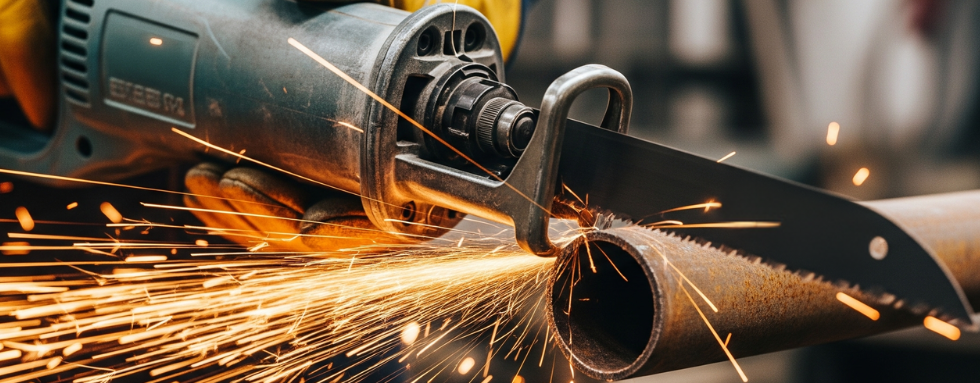
Store your saw in a dry, cool place away from moisture and dust. Proper storage keeps parts from rusting.
| Storage Tip | Reason |
| Use a tool case | Protects from dust and damage |
| Keep away from damp areas | Prevents rust on metal parts |
| Store blades separately | Stops blade damage and dulling |
| Check battery levels before storage | Maintains battery health |
Credit: onevantool.com
Frequently Asked Questions
How Often Should I Clean My Reciprocating Saw?
Clean your reciprocating saw after every use. This prevents dust buildup and prolongs tool life. Regular cleaning ensures optimal performance and safety.
What Is The Best Way To Clean The Blade?
Remove the blade carefully. Use a wire brush or cloth with mild detergent to clean debris. Dry thoroughly before reattaching.
Can I Use Water To Clean The Saw Motor?
Avoid using water directly on the motor. Use a dry brush or compressed air to remove dust. Keep the motor area dry to prevent damage.
How Do I Maintain The Reciprocating Saw’s Moving Parts?
Lubricate moving parts with manufacturer-recommended oil after cleaning. This reduces friction and wear. Regular lubrication keeps the saw running smoothly.
Conclusion
Cleaning your reciprocating saw keeps it working well and safe. Regular care stops rust and blade damage. Always unplug the tool before cleaning. Use a brush to remove dirt and dust. Wipe with a damp cloth, then dry it well.
Check the blade often and replace when needed. A clean saw lasts longer and cuts better. Simple steps save time and money. Keep your tool ready for every job. Easy maintenance makes a big difference.