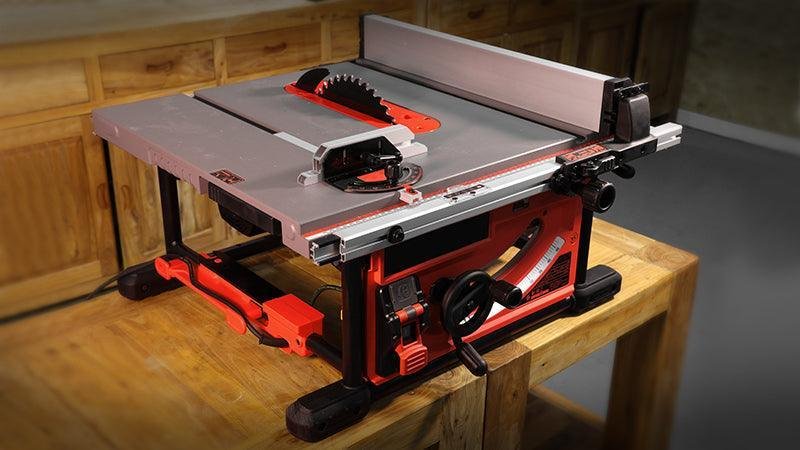
If you’ve invested in a table saw, you know it’s a powerhouse in your workshop. But like any tool, it needs proper care to keep performing at its best.
That’s where regular cleaning comes in. Imagine the satisfaction of smoother cuts and a machine that runs like new, every time you use it. This guide is crafted for you, to help you maintain your table saw with ease. By following these simple steps, you can extend the life of your saw and ensure it operates safely and efficiently.
Curious about how a clean table saw can transform your woodworking experience? Keep reading to discover the secrets to keeping your tool in prime condition for the long haul.
Importance Of Regular Cleaning
Cleaning your table saw often keeps it working well. Dust and debris can build up fast.
Regular cleaning helps avoid problems and saves money in the long run.
Extending Saw Lifespan
Dust and resin can damage parts of your table saw. Cleaning stops this damage.
Clean parts slide and move better, causing less wear and tear.
- Remove sawdust after each use
- Clean the blade and motor regularly
- Check for rust and clean it off
Ensuring Safety
A dirty table saw can cause accidents. Dust can block safety guards and controls.
Keeping the saw clean makes it safer to use and helps prevent injuries.
- Clear dust from blade guards and switches
- Keep the work area free from debris
- Inspect the saw before each use
Maintaining Cutting Precision
Dirt and resin on the blade or fence cause poor cuts. Clean tools cut better.
Regular cleaning keeps the saw accurate and helps you make smooth cuts every time.
- Wipe the blade and fence clean before use
- Remove sticky resin with a soft cloth
- Check alignment often and clean contact points
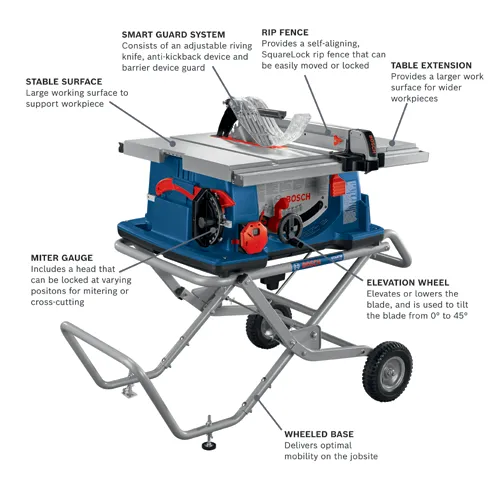
Credit: www.boschtools.com
Essential Cleaning Tools
Keeping your table saw clean helps it work well for a long time. Using the right tools makes cleaning easier and safer.
Some tools help remove dust, while others protect metal parts. Knowing which tools to use keeps your saw in top shape.
Brushes And Compressed Air
Brushes remove dust and small debris from hard-to-reach areas. Use soft-bristle brushes to avoid scratching the saw.
Compressed air blows away dust from tight spots. It helps clean inside the motor and around the blade guard.
- Use a small, soft brush for delicate parts
- Apply compressed air in short bursts
- Wear safety glasses to protect your eyes
Lubricants And Rust Protectors
Lubricants keep moving parts smooth and reduce wear. Apply them to the gears, bearings, and hinges.
Rust protectors stop metal from rusting. Use these on exposed metal surfaces, especially if you live in a humid area.
- Choose lubricants made for power tools
- Apply rust protectors after cleaning and drying
- Wipe off extra lubricant to avoid dust buildup
Cleaning Solutions
Cleaning solutions help remove grease, sap, and sticky dirt from the table saw. Use mild cleaners to protect the saw’s finish.
Avoid harsh chemicals that can damage plastic or metal parts. Always test a small area before full cleaning.
- Use warm water with a mild soap
- Try specialized power tool cleaners if needed
- Dry all parts well after cleaning to prevent rust
Step-by-step Cleaning Process
Keeping your table saw clean helps it work well for many years. Dirt and dust can make the saw unsafe and slow.
This guide shows easy steps to clean your table saw safely and correctly.
Disconnecting Power
Always unplug the table saw before cleaning. This stops the saw from turning on by mistake.
Find the power switch and make sure it is off. Then, pull the plug from the outlet.
Removing Dust And Debris
Use a brush or vacuum to remove sawdust and debris. Clean inside the blade area and motor vents.
- Brush dust off the table surface
- Vacuum around the motor and base
- Clear dust from the blade slot
Cleaning The Blade And Guard
Remove the blade guard and clean it with a soft cloth. Wipe the blade gently to remove pitch and sap.
Use a blade cleaner or warm soapy water for sticky residue. Dry the parts completely before reassembling.
Cleaning The Table Surface
Wipe the table surface with a clean cloth. Use a mild cleaner to remove stains and rust spots.
Apply a thin layer of paste wax to protect the surface and keep wood from sticking.
Lubricating Moving Parts
Apply lubricant to the moving parts like the gears, trunnions, and elevation screws. This keeps the saw running smoothly.
- Use a dry lubricant or light machine oil
- Wipe off any extra oil to avoid dust build-up
- Check the manual for recommended lubricant types

Credit: www.popularmechanics.com
Tips For Blade Maintenance
Keeping your table saw blade clean and sharp helps it work longer. Regular care keeps cuts smooth and safe.
Proper blade maintenance prevents damage and saves money. Follow these tips to keep your blade in good shape.
Sharpening Techniques
Sharp blades cut better and reduce stress on the motor. Dull blades can cause burn marks and rough cuts.
You can sharpen blades by hand or use professional services. Hand sharpening needs a diamond file or stone to keep teeth even.
- Check blade teeth for damage before sharpening
- Use a diamond file to sharpen each tooth carefully
- Maintain the original tooth angle during sharpening
- Clean the blade after sharpening to remove debris
- Consider professional sharpening for best results
Avoiding Rust And Corrosion
Rust weakens blades and lowers their performance. Keep blades dry and clean to stop rust from forming.
Use protective sprays and store blades in dry places. Wipe blades after use to remove moisture and sap.
- Wipe blades with a clean cloth after use
- Apply a light coat of oil or rust inhibitor spray
- Store blades in a dry, cool area away from humidity
- Avoid touching blade teeth with bare hands to reduce moisture
- Check blades regularly for early signs of rust
Blade Storage Suggestions
Proper storage keeps blades safe and prevents damage. Avoid stacking blades directly on top of each other.
Use blade cases or hang blades on a pegboard. Keep blades away from dust and moisture for long-term care.
- Store blades in blade cases or protective sleeves
- Hang blades on hooks or pegboards to avoid contact
- Keep blades in a dry, dust-free environment
- Label blades by size and type for easy access
- Check stored blades regularly for signs of damage
Preventive Measures For Longevity
Cleaning and maintaining your table saw helps it last longer. Taking care of the saw prevents costly repairs. Simple steps keep the saw running smoothly and safely.
This guide covers key ways to protect your table saw. Learn how to store it, check it often, and avoid common mistakes. These tips keep your saw in good shape for years.
Proper Storage Practices
Store your table saw in a dry, clean place. Avoid damp areas that cause rust. Cover the saw to keep dust and debris off the blade and motor.
- Use a protective cover when not in use
- Keep the saw in a well-ventilated room
- Store away from moisture and direct sunlight
- Place the saw on a stable, flat surface
- Disconnect power before storing
Routine Inspections
Inspect your table saw regularly to catch problems early. Look for loose parts, damaged cords, and worn blades. Clean the saw to remove sawdust build-up.
| Inspection Point | What to Check | Action Needed |
|---|---|---|
| Blade | Sharpness and damage | Sharpen or replace if dull |
| Power Cord | Frays or cuts | Replace if damaged |
| Moving Parts | Smooth movement | Lubricate or tighten |
| Dust Collection | Clogging or buildup | Clean regularly |
Avoiding Common Mistakes
Many users make simple errors that harm the saw. Avoid these to keep your tool safe and lasting longer. Proper use helps prevent damage and accidents.
- Do not force the wood through the blade
- Avoid cutting materials not meant for the saw
- Never skip cleaning after use
- Always unplug before changing the blade
- Do not leave the saw exposed to dust

Credit: www.familyhandyman.com
Troubleshooting Common Issues
Cleaning your table saw regularly helps it work well for many years. Sometimes, problems still happen even with care.
Here are common problems you might face and how to fix them for long-term use.
Blade Dulling Quickly
Blades can lose sharpness fast if the saw cuts dirty or hard materials. A dull blade makes cuts rough and unsafe.
Check if the blade is clean and not damaged. Clean the blade with a soft brush and mild detergent to remove pitch and resin.
- Use the right blade for the material
- Avoid cutting nails or hard objects
- Keep blades dry to stop rust
Excessive Dust Buildup
Dust can gather inside the saw and on moving parts. This buildup can cause poor performance and safety hazards.
Clean dust after each use. Use a vacuum or air compressor to reach tight spots. Make sure dust collection systems work well.
- Empty dust bags often
- Clean vents and fans regularly
- Wear a mask to protect from dust
Unusual Noises During Operation
Strange sounds can mean loose parts or worn bearings. These noises may signal a problem that needs fixing soon.
Turn off the saw and check for loose screws or bolts. Listen for grinding or squealing sounds which may show worn parts.
- Tighten loose screws and bolts
- Lubricate moving parts carefully
- Replace worn bearings or belts
Frequently Asked Questions
How Often Should I Clean My Table Saw?
Clean your table saw after every use or at least once a month. Regular cleaning prevents dust buildup, which affects performance and safety. Consistent maintenance ensures long-term functionality and accuracy of your saw.
What Tools Do I Need To Clean A Table Saw?
You need a brush, vacuum, compressed air, and a soft cloth. Additionally, use a mild detergent for sticky residues and lubricants for moving parts. These tools help remove sawdust and keep components running smoothly.
Can I Use Wd-40 To Clean My Table Saw?
Yes, WD-40 can remove rust and lubricate parts, but use sparingly. Avoid over-application as it attracts dust. Always wipe off excess and follow with appropriate saw blade maintenance.
How Do I Clean The Table Saw Blade Safely?
Unplug the saw before cleaning the blade. Use a blade cleaner or mild detergent with a brush to remove pitch and resin. Dry the blade thoroughly to prevent rust and ensure smooth cutting.
Conclusion
Regular cleaning keeps your table saw working smoothly and safely. Dust and debris can slow down the motor and cause damage. Clean the blade, motor, and table after each use. Check for rust and oil moving parts to stop wear.
A well-maintained saw lasts longer and cuts better. Small efforts save you time and money later. Keep your workspace clean too. Enjoy safer, more precise cuts with a clean saw. Maintenance is simple but important for every woodworker. Stay consistent and your table saw will serve you well.