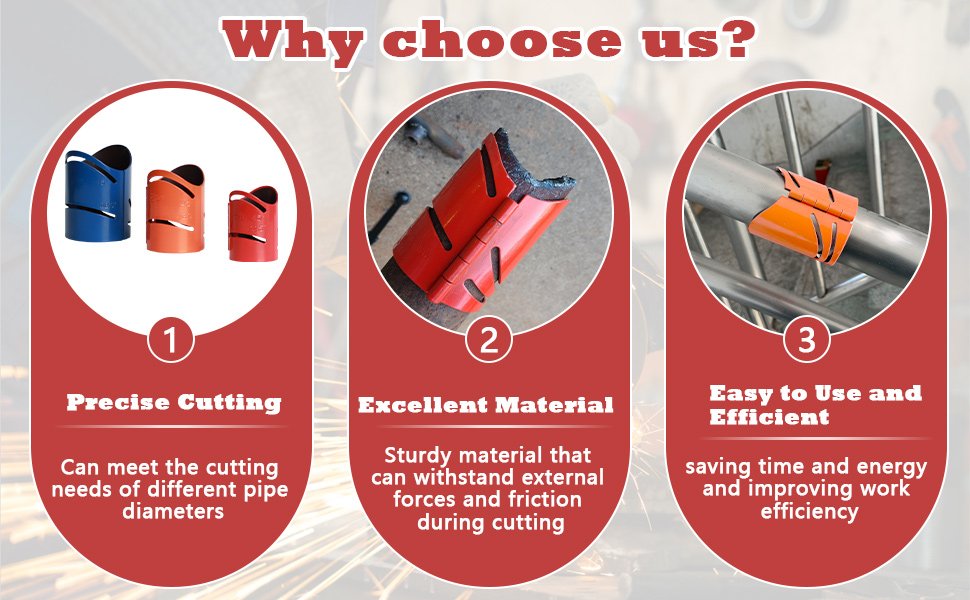
Cutting metal conduit might sound tricky, but with the right tips, you can do it quickly and safely. Whether you’re working on a home project or a professional job, knowing how to cut metal conduit properly saves you time and frustration.
In this guide, you’ll discover simple steps and useful tools that make the whole process easier. Ready to master cutting metal conduit and get your project done right? Keep reading to find out how.

Credit: www.ebay.com
Types Of Metal Conduit
Metal conduit protects electrical wiring in many buildings. It keeps wires safe from damage and fire.
There are different types of metal conduit. Each type fits certain needs and installation styles.
Rigid Metal Conduit
Rigid metal conduit, or RMC, is a thick and strong metal tube. It is usually made from steel or aluminum.
This conduit is very good for outdoor use and places where wires need extra protection.
Intermediate Metal Conduit
Intermediate metal conduit, or IMC, is lighter than RMC but still strong. It is often made from galvanized steel.
- Weighs less than RMC
- Used indoors and outdoors
- Resists rust and corrosion
- Easier to cut and bend than RMC
Flexible Metal Conduit
Flexible metal conduit, or FMC, is made from spiraled metal strips. It bends easily to fit around corners.
| Feature | Description |
| Flexibility | Can bend without tools |
| Use | Good for tight spaces |
| Material | Steel or aluminum strips |
| Protection | Less strong than RMC or IMC |
Tools For Cutting Metal Conduit
Cutting metal conduit needs the right tools to get clean and safe cuts. Using proper tools makes the work easier and faster.
There are several tools to choose from. Each one fits different needs and skill levels.
Hacksaws
A hacksaw is a simple hand tool with a fine blade. It works well for small jobs and tight spaces.
It gives you control but requires some effort and time to cut through metal conduit.
Tube Cutters
Tube cutters are designed for round metal pipes and conduit. They produce clean and straight cuts quickly.
- Easy to use with one hand
- Good for thin to medium-thick conduit
- Leaves smooth edges that usually do not need extra filing
- Not ideal for very thick or hard metals
Angle Grinders
Angle grinders use a spinning disc to cut metal fast. They are power tools and need safety gear.
| Feature | Benefit |
| Fast cutting speed | Completes work quickly |
| Works on thick metals | Handles tough conduit types |
| Requires power source | Less portable than hand tools |
| Needs protective equipment | Prevents injury from sparks and debris |
Reciprocating Saws
Reciprocating saws have a blade that moves back and forth to cut metal. They work well for rough cuts or demolition.
This tool is powerful but may leave rough edges that need smoothing.
Preparing For The Cut
Cutting metal conduit needs careful preparation. This helps you get a clean, accurate cut.
Proper steps make your work safer and easier. Start by planning each part of the process.
Measuring And Marking
Measure the conduit length twice to avoid mistakes. Use a tape measure for accuracy.
Mark the cut line clearly with a permanent marker or pencil. Make sure the line is straight.
- Hold the tape measure tight against the conduit
- Mark the exact spot for the cut
- Use a square or ruler to draw a straight line
Securing The Conduit
Hold the conduit firmly in place before cutting. This stops it from moving and causing errors.
Use a vise or clamps to keep the conduit stable. Check that the conduit is level and tight.
- Place conduit in a vise or on a stable surface
- Tighten clamps or vise jaws securely
- Double-check the conduit does not move
Safety Gear
Wear safety gear to protect yourself from sparks and sharp edges. Safety is very important.
Use gloves, safety glasses, and long sleeves. These protect your hands, eyes, and arms.
- Wear cut-resistant gloves
- Use safety goggles or glasses
- Wear long-sleeved shirts to protect skin
- Use ear protection if using power tools
Cutting Techniques
Cutting metal conduit is an important skill for electrical work. It helps you fit conduit to the right length. There are several ways to cut conduit safely and cleanly.
This guide explains three common cutting techniques. You will learn how to use a hacksaw, a tube cutter, and power tools. Each method suits different needs and tools.
Using A Hacksaw
A hacksaw is a simple tool for cutting metal conduit. It works well for small jobs or tight spaces. You can control the cut easily with a hacksaw.
To cut with a hacksaw, first mark the cut line clearly. Hold the conduit steady with a clamp or vise. Saw slowly and evenly to avoid bending the metal.
- Use a fine-toothed blade made for metal.
- Keep the blade straight and apply light pressure.
- Wear gloves and eye protection for safety.
- Clean the cut edges with a file after cutting.
Using A Tube Cutter
A tube cutter is a tool designed to cut metal conduit quickly. It makes smooth and straight cuts. This tool is best for round conduit like EMT.
Place the tube cutter around the conduit at the mark. Tighten the cutter and rotate it around the conduit. Tighten more after each turn until the conduit cuts through.
- Ensure the cutting wheel is sharp and clean.
- Rotate the cutter slowly for a smooth cut.
- Do not over-tighten to avoid crushing the conduit.
- Remove burrs with a reamer or file after cutting.
Using Power Tools
Power tools cut metal conduit faster than hand tools. Common power tools include an angle grinder, a reciprocating saw, or a chop saw. Use the right blade for metal cutting.
Secure the conduit firmly before cutting. Wear eye protection and gloves. Cut slowly to keep control and avoid rough edges. Finish the cut edge with a file or sandpaper.
- Use metal cutting blades or discs.
- Keep hands away from the blade at all times.
- Cut in a well-ventilated area to avoid dust.
- Check the tool’s speed and power before use.
Smoothing And Finishing Edges
Cutting metal conduit leaves rough and sharp edges. These edges can be dangerous and may cause injury.
Smoothing and finishing edges makes the conduit safe to handle and improves its fit in installations.
Deburring Methods
Deburring removes sharp bits and roughness from cut metal edges. It helps prevent cuts and snags.
Tools for deburring include special deburring tools, rotary files, or sanders. Each tool suits different needs.
- Use a deburring tool to scrape off sharp edges
- Rotary tools can smooth edges quickly
- Sanders provide a fine finish for delicate work
Using A File Or Sandpaper
A metal file or sandpaper works well to smooth rough conduit edges. They are easy to use and widely available.
Files remove burrs by scraping metal away. Sandpaper smooths edges by abrasion. Both give better safety and fit.
- Hold the conduit steady while filing or sanding
- File in one direction to avoid uneven edges
- Use fine-grit sandpaper for a smooth finish
- Wear gloves to protect your hands

Credit: www.amazon.com
Common Mistakes To Avoid
Cutting metal conduit needs care and attention. Many beginners make mistakes that cause problems.
This guide shows common errors to avoid. Fixing these will help you get clean, safe cuts.
Uneven Cuts
Uneven cuts make it hard to fit conduit pieces together. This leads to gaps and weak joints.
Uneven cutting happens when you do not mark the cut line clearly or rush the job.
- Always mark the cut line with a clear marker.
- Use a steady hand and cut slowly.
- Check your tools for sharpness and stability.
Damaging The Conduit
Metal conduit can bend or crack if you use the wrong tools or too much force. This reduces its strength.
Using a dull blade or a saw not made for metal can damage the conduit’s surface and shape.
- Use a pipe cutter or a hacksaw designed for metal.
- Do not squeeze or bend the conduit while cutting.
- Check the conduit after cutting for cracks or dents.
Ignoring Safety Precautions
Cutting metal conduit creates sharp edges and metal dust. Ignoring safety risks cuts and eye injuries.
Many accidents happen because people skip wearing gloves, goggles, or masks.
- Wear thick gloves to protect your hands.
- Use safety goggles to shield your eyes.
- Wear a dust mask if cutting indoors.
- Keep your work area clean and well-lit.
Tips For Efficiency And Accuracy
Cutting metal conduit needs care and good habits. Using the right tips helps you work faster and make fewer mistakes.
These tips focus on measuring well, keeping tools ready, and organizing your workspace.
Consistent Measurement Practices
Always measure twice to avoid mistakes. Use a reliable tape measure and mark clearly before cutting.
Hold the conduit steady while measuring. Check marks to make sure they are clear and in the right place.
- Use a sharp pencil or marker for clear lines
- Measure from the same starting point each time
- Double-check measurements before cutting
Proper Tool Maintenance
Keep your cutting tools clean and sharp. Dull tools make cuts uneven and slow your work.
Check tools for damage before use. Fix or replace broken tools to keep cuts accurate and safe.
- Clean blades after each use
- Sharpen cutting edges regularly
- Store tools in a dry place to stop rust
- Inspect tools for cracks or wear
Workplace Organization
Keep your workspace tidy to find tools quickly. An organized area helps you work faster and safer.
Arrange tools and materials where you can reach them easily. Clear away scrap pieces to avoid mistakes.
- Use tool racks or boxes for storage
- Keep measuring tools separate and visible
- Clear the workspace after each job
- Place cut pieces in a safe spot
Credit: www.ebay.com
Frequently Asked Questions
What Tools Are Best For Cutting Metal Conduit?
The best tools for cutting metal conduit are a hacksaw, tubing cutter, or power saw with a metal blade. Each tool provides clean, precise cuts suitable for different conduit sizes and types. Choose based on your project needs and tool availability.
How Do I Measure Conduit Before Cutting?
Measure the conduit carefully with a tape measure and mark the cut point using a marker or pencil. Double-check measurements to ensure accuracy. Proper measuring prevents waste and ensures the conduit fits perfectly in your installation.
Can I Cut Metal Conduit Without Damaging It?
Yes, by using the right tools and cutting techniques, you can avoid damaging metal conduit. Cut slowly and steadily, and deburr edges after cutting to maintain conduit integrity and safety. Proper handling preserves the conduit’s function and appearance.
Is It Safe To Cut Metal Conduit Indoors?
Cutting metal conduit indoors is safe if you use proper ventilation and wear protective gear like gloves and safety glasses. Metal cutting produces dust and sparks, so take precautions to protect yourself and your surroundings from injury or damage.
Conclusion
Cutting metal conduit becomes simple with the right tools and steps. Remember to measure twice, cut once. Safety gear is a must for every project. Practice makes perfect, so start with scrap pieces. Consistency ensures clean, accurate cuts. Always check your equipment before use.
Proper maintenance extends tool life. Feel free to experiment with different techniques. Each method has its own benefits. Stay patient and take your time. With practice, you’ll gain confidence. Soon, cutting conduit will be second nature. Keep learning and improving your skills.
Happy cutting!