Cutting wood with a circular saw can feel tricky if you’re not sure where to start. But what if you could make clean, straight cuts every time without stress or mistakes?
This guide will show you exactly how to use your circular saw safely and effectively, whether you’re a beginner or just need a refresher. By the end, you’ll have the confidence to handle your wood projects like a pro. Ready to turn your ideas into reality?
Let’s dive in.

Credit: www.familyhandyman.com
Choosing The Right Circular Saw
Choosing the right circular saw is important for safe and accurate cutting. It helps you finish your woodworking projects well.
This guide covers types of circular saws, blade choices, and safety features you should know.
Types Of Circular Saws
Circular saws come in different types for various tasks. Picking the right type depends on your work needs.
- Sidewinder:Common and lightweight, good for general cutting.
- Worm Drive:Offers more torque, ideal for heavy-duty work.
- Hypoid:Quieter and powerful, used in professional jobs.
- Mini Circular:Small and handy for tight spaces and small cuts.
Blade Selection
Choosing the right blade affects the quality and type of cut. Use blades made for your material.
| Blade Type | Material | Use |
| Carbide-Tipped | Wood | Clean, fast cuts on wood |
| Abrasive | Metal | Cutting metal and tough materials |
| Diamond | Concrete | Cutting tiles and concrete |
| Crosscut | Wood | Fine, smooth cuts across the grain |
Safety Features To Look For
Safety features reduce accidents and make cutting safer. Always check these before buying.
- Blade Guard: Covers blade when not cutting.
- Electric Brake: Stops blade quickly after release.
- Safety Switch: Prevents accidental starts.
- Ergonomic Handle: Gives good grip and control.
Preparing For The Cut
Cutting wood with a circular saw requires careful preparation. Taking time before the cut helps ensure safety and accuracy.
This guide covers measuring and marking wood, setting the blade depth, and securing the workpiece.
Measuring And Marking Wood
Start by measuring the wood to the length or size you want. Use a tape measure for accuracy.
Mark the cut line clearly with a pencil or chalk. Draw a straight line to guide the saw blade.
- Measure twice to avoid mistakes
- Mark the wood on the side you will cut
- Use a square tool for straight lines
Setting The Blade Depth
Adjust the blade depth so it cuts just past the thickness of the wood. This reduces risk and improves control.
Too deep a cut can cause kickback or damage the surface below the wood.
- Unplug the saw before adjusting
- Set the blade about 1/4 inch deeper than wood thickness
- Check the blade depth before each cut
Securing The Workpiece
Hold the wood firmly to stop it from moving during the cut. Movement can cause inaccurate cuts or injury.
Use clamps or a workbench to keep the wood steady and safe.
- Clamp wood to a stable surface
- Make sure clamps do not block the cut line
- Check that the wood will not shift when cutting
Cutting Techniques
Using a circular saw needs good cutting techniques for safety and accuracy. Different cuts suit different projects and materials.
This guide covers straight cuts, bevel cuts, and plunge cuts to help you use your saw well.
Straight Cuts
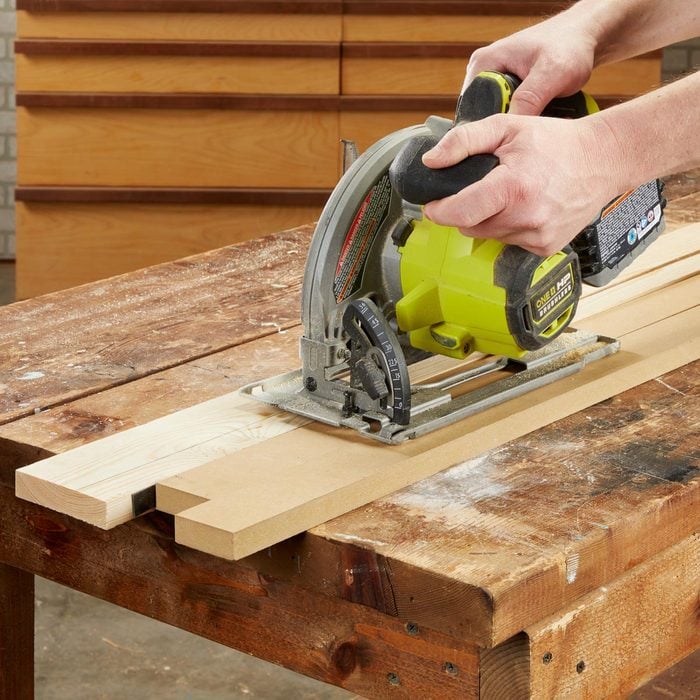
Straight cuts are the most common. They create clean, straight edges on wood pieces. You should mark the cutting line clearly before starting.
- Use a straight edge or guide to keep the saw steady.
- Set the blade depth just deeper than the wood thickness.
- Keep both hands on the saw and push it slowly along the line.
- Wear safety glasses to protect your eyes from dust and chips.
Bevel Cuts
Bevel cuts tilt the blade to cut wood edges at an angle. This is useful for making angled joints or decorative edges.
| Blade Angle | Use | Tip |
| 0° (Straight) | Standard cuts | Keep steady for clean edges |
| 15°–45° | Angled edges and joints | Adjust the saw base plate before cutting |
| Over 45° | Specialty cuts | Use caution and test on scrap wood |
Plunge Cuts
Plunge cuts start in the middle of the wood, not the edge. This is good for making openings or cutouts.
- Mark the cut area clearly on the wood surface.
- Lock the blade depth to the wood thickness.
- Hold the saw firmly and place the blade tip on the wood.
- Slowly lower the blade into the wood while the saw is running.
- Move the saw forward to complete the cut inside the marked area.
Credit: www.familyhandyman.com
Safety Tips
Cutting wood with a circular saw can be dangerous without the right precautions. Safety helps you avoid injuries and work better.
Follow these safety tips to protect yourself and make your cuts safer and smoother.
Proper Protective Gear
Always wear the correct protective gear before you start cutting. It reduces the risk of injury from wood chips and sawdust.
Wear safety glasses to protect your eyes from flying debris. Use ear protection to guard against loud noise. Gloves help protect your hands, but make sure they fit well and do not interfere with handling the saw.
- Safety glasses or goggles
- Earplugs or earmuffs
- Close-fitting gloves
- Dust mask to avoid inhaling sawdust
- Non-slip shoes for good footing
Avoiding Kickback
Kickback happens when the saw blade catches the wood and suddenly jumps back. This can cause serious injuries.
To avoid kickback, keep the blade sharp and clean. Do not force the saw; let it cut at its own speed. Always support the wood firmly and never cut warped or twisted pieces.
- Keep the blade sharp and clean
- Do not push the saw too fast
- Support wood firmly on both sides
- Do not cut warped or unstable wood
- Use the saw’s safety features properly
Maintaining A Stable Stance
A solid stance helps you control the saw and keeps you balanced. This lowers the risk of accidents.
Stand with your feet shoulder-width apart. Keep your body weight balanced and slightly lean forward. Avoid standing directly behind the saw to stay clear if it slips.
- Feet shoulder-width apart
- Weight balanced evenly
- Slight forward lean for control
- Keep clear of the saw’s path
- Do not overreach or stretch
Maintaining Your Circular Saw
Keeping your circular saw in good condition helps it work safely and last longer. Regular care prevents problems and keeps cuts clean.
This guide covers how to clean the saw, maintain the blade, and inspect the tool regularly.
Cleaning The Saw
Remove dust and debris after each use. Use a brush or compressed air to clean hard-to-reach areas. Avoid water to prevent rust.
- Unplug the saw before cleaning
- Brush away sawdust from the motor and blade guard
- Wipe the exterior with a dry cloth
- Check the vents for blockages
Blade Maintenance
Sharp blades make cleaner cuts and reduce strain on the saw. Replace or sharpen dull blades promptly. Use the correct blade type for your wood.
| Blade Type | Use | Maintenance Tip |
| Rip Blade | Cutting along wood grain | Check teeth for chips |
| Crosscut Blade | Cutting across wood grain | Sharpen regularly |
| Combination Blade | General purpose cuts | Clean resin build-up |
Regular Inspection
Check your saw before each use. Look for loose parts, damaged cords, and blade alignment. Fix problems before you start cutting.
- Unplug the saw
- Inspect the power cord for cracks or frays
- Ensure the blade is tight and straight
- Check the blade guard moves freely
- Test the trigger and safety switch
Troubleshooting Common Issues
Cutting wood with a circular saw is easy if the tool works well. Sometimes, problems happen during cutting. Knowing how to fix these helps you work safely.
We will look at three common issues: blade binding, uneven cuts, and motor overheating. Each problem has clear signs and fixes.
Blade Binding
Blade binding happens when the saw blade gets stuck in the wood. This stops the blade from turning and can be dangerous.
Binding often happens if the wood closes on the cut or if the blade is dull. To fix it, check the wood and blade.
- Use sharp blades to cut smoothly.
- Support the wood well to avoid pinching the blade.
- Do not force the saw; let it cut at its speed.
- Clear sawdust and debris from the cut line.
Uneven Cuts
Uneven cuts look rough or wavy. This makes the wood hard to use for projects needing straight edges.
Uneven cuts happen if the saw moves too fast or if the blade is not aligned. You can improve cuts by adjusting your tool and technique.
- Check if the saw blade is straight and tight.
- Use a guide or straight edge to follow while cutting.
- Cut slowly and keep the saw steady.
- Make sure the base plate is flat against the wood.
Motor Overheating
The motor can get very hot if you use the saw for a long time or cut hard wood. Overheating can damage the saw.
To stop overheating, give the motor breaks and use the right blade. Keep the motor clean and check for air flow.
- Take short breaks when cutting large wood pieces.
- Use blades made for the type of wood you cut.
- Clean saw vents to allow air to cool the motor.
- Do not overload the saw by pushing too hard.

Credit: www.findbuytool.com
Frequently Asked Questions
What Is The Best Circular Saw Blade For Wood?
The best blade for cutting wood is a carbide-tipped one. It offers precision and longevity. Choose a blade with more teeth for smoother cuts. A 24-tooth blade is ideal for rough cuts, while a 40-tooth blade suits finer work. Always ensure the blade is sharp and clean.
How Do I Ensure Straight Cuts With A Circular Saw?
To ensure straight cuts, use a guide or straight edge. Clamp the guide to your workpiece before cutting. Align the saw’s base plate with the guide. Maintain a steady hand and consistent speed. Check your blade’s alignment regularly to ensure precision and accuracy.
What Safety Gear Is Needed For Cutting Wood?
When cutting wood, always wear safety goggles to protect your eyes. Use ear protection to shield against loud noise. Gloves can protect your hands from splinters. A dust mask prevents inhalation of sawdust. Ensure you have a clear, clean workspace to minimize accidents.
How Do I Prevent Wood Splintering?
To prevent splintering, use a fine-toothed blade. Cut with the finished side facing down. Apply masking tape along the cut line for extra protection. Ensure the blade is sharp and the saw is set to the correct depth. Cut slowly and steadily for the best results.
Conclusion
Cutting wood with a circular saw becomes easier with practice. Always wear safety gear and keep your hands clear. Measure twice, cut once saves time and wood. Use the right blade for the wood type you have. Take your time to make straight and clean cuts.
Remember, steady hands bring better results. Following these tips helps you work safely and confidently. Enjoy your woodworking projects with skill and care.