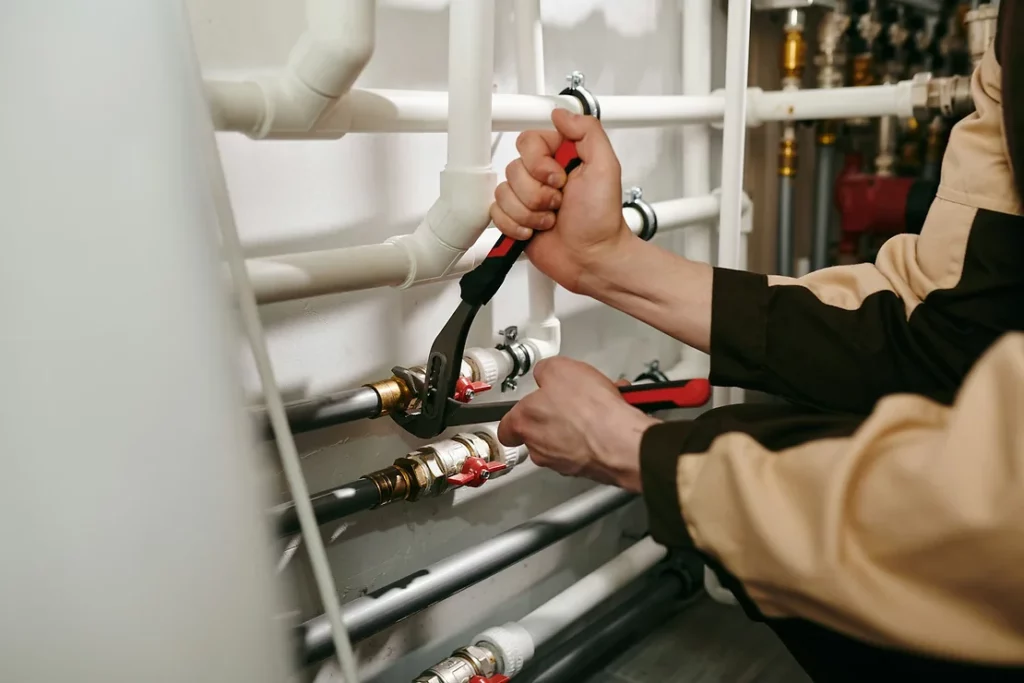
Are you ready to tackle your next plumbing project with confidence? Installing PVC pipe fittings might seem tricky at first, but with the right guidance, you can do it yourself and save time and money.
This guide will walk you through every step, making the process simple and stress-free. By the end, you’ll have the skills to handle your PVC pipes like a pro. Keep reading to discover easy tips and tricks that make your installation smooth and successful.
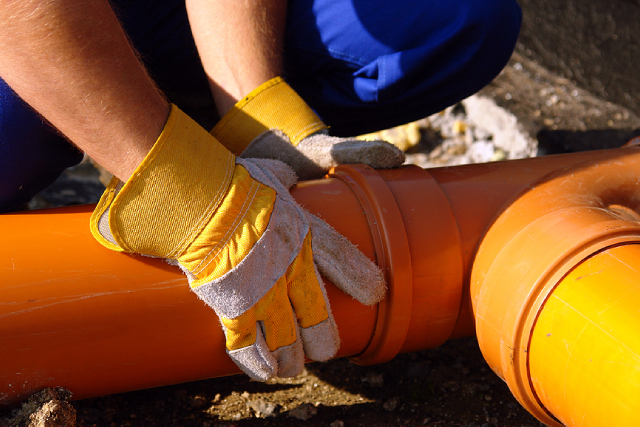
Credit: vicplas.com.sg
Choosing The Right Pvc Fittings
Choosing the right PVC fittings is important for a strong and leak-free pipe system. The fittings connect different pipe sections and help change direction or size.
Knowing the types, sizes, and materials of PVC fittings helps you pick the best parts for your project.
Types Of Pvc Fittings
There are many types of PVC fittings to suit different pipe jobs. Each type has a special shape and function.
- Elbows: Change pipe direction, usually at 90° or 45° angles
- Tees: Join three pipes for branching
- Couplings: Connect two pipes in a straight line
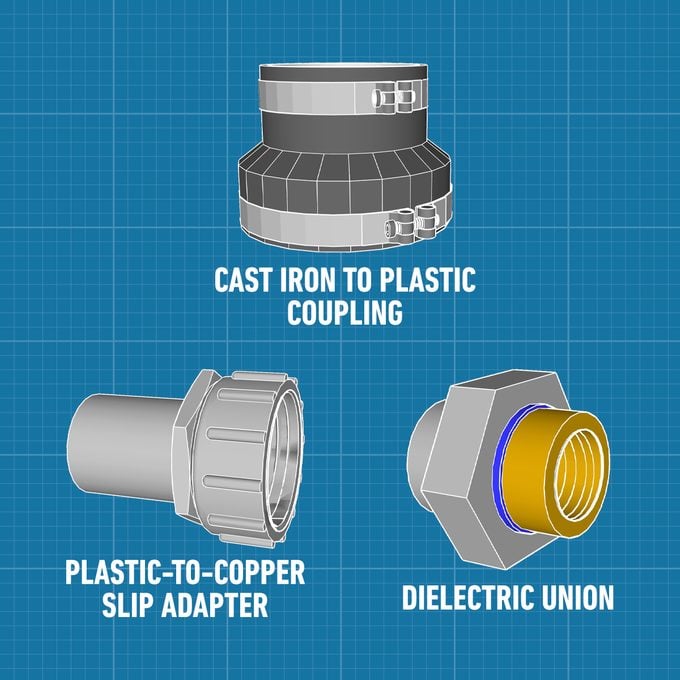
- Adapters: Connect PVC to other pipe materials
- Caps and Plugs: Close pipe ends
- Unions: Allow easy pipe disconnection
Sizing And Compatibility
Correct fitting size is key for a tight and secure pipe system. Check pipe diameter before buying fittings.
Fittings must match pipe size and type. Use the same schedule or thickness rating for both pipe and fitting.
- Measure pipe outside diameter (OD) or inside diameter (ID)
- Use fittings designed for the same pipe schedule (e.g., Schedule 40)
- Check if fittings fit the pipe type: slip, threaded, or socket
Material Considerations
PVC fittings come in different materials. Each material suits different uses and conditions.
Choose material based on pressure, temperature, and chemical exposure.
- Standard PVC: Good for cold water and low-pressure use
- CPVC: Handles higher temperatures and hot water
- ABS: Used in drain and waste systems
- Solvent cement is needed to join PVC fittings securely
Tools And Materials Needed
Installing PVC pipe fittings requires the right tools and materials. Using proper items helps ensure a strong and lasting connection.
This guide covers the essential tools, safety gear, and PVC cement and primer you need to get started.
Essential Tools
You will need some basic tools to cut, fit, and secure PVC pipes and fittings. Having these ready makes the job easier and faster.
- Pipe cutter or hacksaw for clean cuts
- Measuring tape to measure pipe lengths accurately
- Marker to mark cutting points
- Deburring tool or sandpaper to smooth pipe edges
- Adjustable wrench or pliers for tightening fittings
- Gloves to protect your hands while working
Safety Gear
Safety gear protects you from injuries during installation. Always wear the proper equipment before starting work.
| Gear | Purpose |
| Safety glasses | Protect eyes from debris and chemicals |
| Gloves | Shield hands from sharp edges and cement |
| Mask | Prevent inhaling fumes from primer and cement |
| Long sleeves | Protect skin from contact with chemicals |
Pvc Cement And Primer
PVC primer cleans and softens pipe surfaces. Cement bonds the pipe and fitting together. Both are needed for a strong seal.
- Apply primer to pipe and fitting surfaces
- Use PVC cement quickly after priming
- Hold the pieces together for a few seconds
- Allow the joint to dry before pressure testing
- Use cement and primer rated for your pipe size
Preparing The Pipes And Fittings
Preparing PVC pipes and fittings carefully helps ensure a strong and leak-free connection.
Follow these simple steps to get your pipes ready before installation.
Measuring And Cutting
Measure the length of pipe needed for your project accurately. Use a tape measure for exact results.
Mark the pipe where you want to cut. Use a pencil or marker to draw a clear line around the pipe.
Cut the pipe straight using a PVC pipe cutter or a fine-toothed saw. Keep the cut clean and even.
- Measure pipe length carefully.
- Mark cut line clearly.
- Cut pipe straight and smooth.
Deburring And Smoothing Edges
Remove rough edges or burrs from cut pipes to avoid leaks and poor fitting.
Use a deburring tool or sandpaper to smooth the inside and outside edges of the pipe.
Check that edges are even and smooth by running your finger around the cut ends.
Tools for deburring and smoothing:
- Pipe deburring tool
- Fine-grit sandpaper
- Utility knife (for rough spots)
Cleaning Surfaces
Clean pipe ends and fitting surfaces before gluing them together.
Use a clean cloth and PVC cleaner or primer to remove dirt, grease, and dust.
| Cleaning Step | Description |
| Wipe | Remove loose dirt and dust with a dry cloth. |
| Apply Primer | Use PVC primer to soften and prepare the surface. |
| Dry | Let the primer dry before applying glue. |

Credit: www.familyhandyman.com
Applying Primer And Cement
Installing PVC pipe fittings needs careful preparation. Applying primer and cement ensures a strong, lasting bond.
This guide covers how to apply primer and cement correctly. It also points out common mistakes to avoid.
Proper Primer Application
Primer cleans and softens the PVC pipe surface. It helps the cement stick better for a secure joint.
- Use a brush or applicator to apply primer to both pipe and fitting.
- Apply primer evenly to all surfaces that will join.
- Allow the primer to dry until it feels tacky, not wet.
- Do not skip primer even if the instructions say it is optional.
Using Pvc Cement Correctly
PVC cement melts the pipe and fitting surfaces. This creates a fused bond when joined.
- Apply a thin, even coat of cement to the primed pipe surface.
- Apply a heavier coat inside the fitting socket.
- Quickly push the pipe into the fitting while twisting slightly.
- Hold the joint firmly for 15 to 30 seconds to set.
- Wipe away any excess cement from the joint area.
Avoiding Common Mistakes
| Mistake | Effect | How to Avoid |
|---|---|---|
| Skipping primer | Weak joints that may leak | Always apply primer before cement |
| Using too much cement | Messy joints and slow drying | Apply cement in thin, even layers |
| Joining parts too slowly | Dry cement may cause weak bond | Assemble pipe and fitting quickly |
| Not holding joint firmly | Pipe may slip causing leaks | Hold parts together for 30 seconds |
Joining The Pipes And Fittings
Joining PVC pipe fittings is a key step in plumbing and irrigation projects. Proper joining ensures a leak-free and strong connection.
This guide explains how to align, fit, and handle PVC pipes and fittings during installation.
Aligning Components
Start by cleaning the pipe ends and fitting sockets. Remove dirt and grease to get a good bond.
Make sure pipes and fittings line up straight. Misaligned parts can cause leaks and weak joints.
- Check the pipe and fitting ends for damage
- Hold the pipe and fitting in a straight line
- Mark alignment points if needed before joining
Ensuring A Secure Fit
Apply PVC primer to pipe ends and fittings to soften the material. This helps the cement bond better.
Use PVC cement to join the parts. Push the pipe into the fitting fully and twist slightly to spread the cement evenly.
- Work quickly after applying primer and cement
- Fully insert the pipe into the fitting socket
- Hold the parts together for 30 seconds to set
Curing Time And Handling
Let the joint cure before moving or testing the pipe. The cement needs time to harden fully.
Avoid putting pressure on the joint during curing. This keeps the connection strong and leak-free.
- Wait at least 15 minutes before handling
- Allow 2 hours before pressure testing
- Longer curing time needed in cold weather
Testing And Troubleshooting
Installing PVC pipe fittings needs careful testing to avoid leaks. Troubleshooting helps find and fix problems fast.
Check your work after fitting pipes. This stops future damage and saves money.
Leak Detection Methods
Leaks can cause water loss and damage. Use these ways to find leaks in PVC pipes.
- Visual check for water drops or wet spots
- Use soapy water on joints; bubbles show leaks
- Listen for hissing sounds near fittings
- Apply pressure test with water or air
- Use a moisture meter for hidden leaks
Fixing Common Issues
Fix small problems quickly to keep pipes working well. Here are common issues and how to fix them.
- Loose fittings: tighten the connections gently
- Cracks in pipe: cut out damaged part and replace it
- Glue not bonding: clean surfaces and reapply PVC cement
- Misaligned pipes: realign and secure properly before glue dries
- Pressure loss: check for blockages or leaks
Maintenance Tips
Keep your PVC pipes and fittings in good shape with simple care. This extends their life and prevents leaks.
- Inspect pipes regularly for signs of damage
- Clean fittings to remove dirt and debris
- Avoid harsh chemicals that can weaken PVC
- Ensure pipes are supported to reduce stress
- Check pressure levels to avoid pipe bursts
Credit: www.familyhandyman.com
Frequently Asked Questions
What Tools Are Needed To Install Pvc Pipe Fittings?
You need a PVC cutter, primer, cement, and a clean cloth. These tools ensure clean cuts and secure fittings for leak-free connections.
How Do You Prepare Pvc Pipes Before Fitting?
Clean the pipe ends with a cloth, then apply primer. This removes dirt and softens surfaces for better bonding with cement.
Can Pvc Fittings Be Reused After Removal?
No, PVC fittings are designed for one-time use. Removing them often damages the fitting, risking leaks and weak connections.
How Long Does Pvc Cement Take To Dry?
PVC cement typically dries in 10-15 minutes. Full strength develops within 24 hours, so avoid pressure during this time.
Conclusion
Installing PVC pipe fittings doesn’t have to be complicated. Follow our simple steps. Measure accurately. Cut carefully. Ensure all connections are secure and tight. Use the right tools for the job. Always check for leaks. Safety is key, so wear protective gear.
Proper maintenance extends the life of your fittings. Remember, practice makes perfect. With patience and attention to detail, you can do it. Your plumbing projects will succeed. Enjoy the satisfaction of a job well done. PVC fittings offer a durable solution.
Easy to work with and reliable. Happy plumbing!