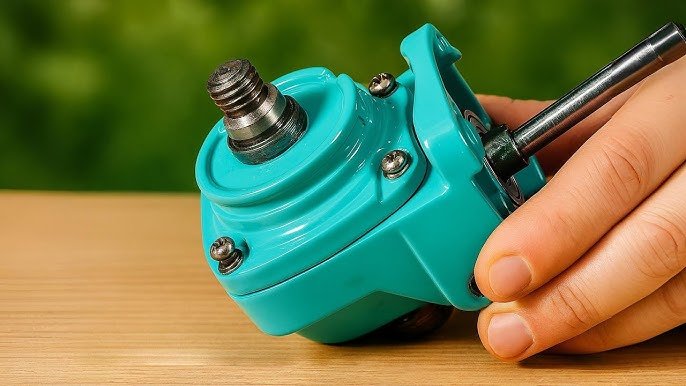
If you use an angle grinder, you know how important it is to keep it running smoothly. One simple step can save you from costly repairs and extend your tool’s life: lubricating the shaft.
But how do you do it right? In this guide, you’ll discover easy, effective ways to keep your angle grinder shaft well-lubricated. By following these tips, you’ll improve performance, reduce wear, and avoid frustrating breakdowns. Keep reading to make sure your angle grinder stays in top shape every time you need it.
Why Lubricate Angle Grinder Shafts
Lubricating angle grinder shafts is important for the tool’s long life. It helps the moving parts work smoothly. Without lubrication, the grinder can wear out fast.
This guide explains why lubrication matters and how it benefits your angle grinder.
Reduces Friction And Wear
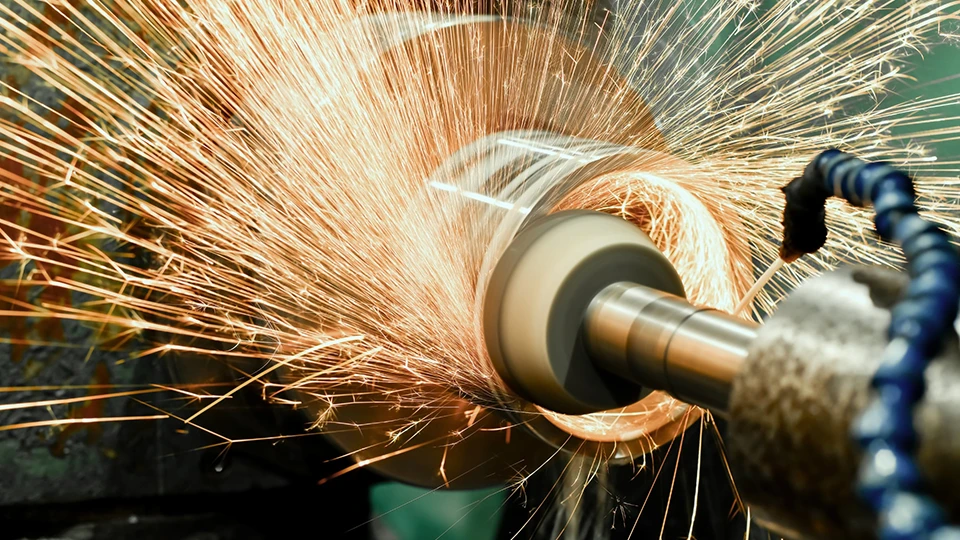
Lubrication lowers friction between the shaft and bearings. This stops the parts from rubbing too hard. It also reduces heat that can damage the grinder.
Prevents Rust And Corrosion
Applying lubricant creates a protective barrier. This barrier keeps water and dirt away. It stops rust and corrosion from forming on metal parts.
Improves Tool Performance
A well-lubricated shaft spins more freely. This means the grinder runs smoother and uses less power. It helps you work faster and with less effort.
Extends Equipment Lifespan
Regular lubrication prevents damage. This saves money on repairs and replacements. Taking care of the shaft keeps the angle grinder working longer.
- Less friction means less wear
- Protects against rust and dirt
- Runs smoother and cooler
- Reduces energy use
- Increases tool life
Credit: rosnokmachine.com
Signs Your Shaft Needs Lubrication
The angle grinder shaft needs regular care to work well. Lubrication keeps the shaft moving smoothly.
Watch for signs that show your shaft needs lubrication. Early action prevents damage and costly repairs.
Unusual Noise During Operation
If your angle grinder makes grinding or squeaking sounds, the shaft might be dry. Lubrication reduces noise by cutting friction.
Listen carefully when you turn on the tool. Strange sounds mean the shaft parts need oil or grease.
Overheating Of The Shaft Area
When the shaft heats up quickly, it may lack lubrication. Heat shows friction between moving parts.
Check the shaft after use. If it feels very hot, add lubricant to cool it down and protect the parts.
Reduced Tool Performance
A dry shaft can slow down your angle grinder. It may cut or grind less effectively than before.
Notice if your tool feels harder to use or runs slower. Lubrication helps the shaft turn freely again.
Visible Rust Or Corrosion On The Shaft
Rust on the shaft shows a lack of lubrication and moisture exposure. Rust can damage the shaft quickly.
Inspect the shaft regularly. Clean rust spots and apply lubricant to stop further corrosion.
Wobbling Or Unstable Shaft Movement
If the shaft wobbles or shakes while running, lubrication might be low. Dry parts cause uneven movement.
Check for loose or stiff parts on the shaft. Lubricate to restore smooth and stable rotation.
Choosing The Right Lubricant
Lubricating angle grinder shafts helps keep the tool running smoothly. Picking the right lubricant can extend the life of your grinder. This guide explains how to choose the best lubricant for your needs.
Different lubricants serve different purposes. Knowing the types and key factors will help you maintain your angle grinder properly.
Types Of Lubricants
There are several types of lubricants used on angle grinder shafts. Each type has unique properties that suit certain conditions.
- Grease:Thick and sticky, good for heavy loads and slow speeds.
- Oil:Thin and light, best for high-speed shafts.
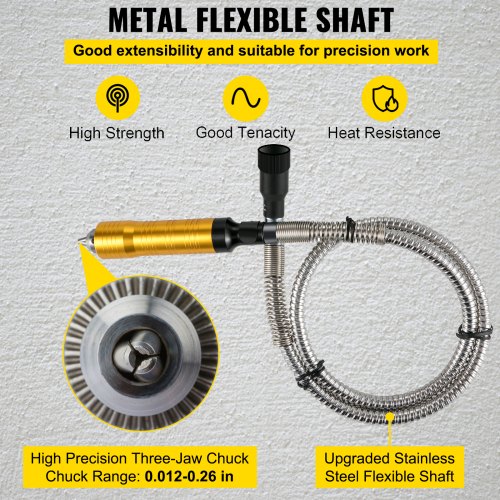
- Dry Lubricants:Powder or spray that reduces friction without attracting dirt.
- Graphite:A solid lubricant that works well in dusty or dirty environments.
Factors To Consider
Choosing the right lubricant depends on several important factors. These influence how well the lubricant protects and performs.
| Factor | Why It Matters | What to Check |
| Speed of Shaft | High speeds need thinner lubricants to avoid buildup. | Use oil for fast shafts, grease for slow shafts. |
| Load | Heavy loads require thicker lubricants to prevent wear. | Grease is best for heavy pressure areas. |
| Environment | Dust and dirt can cause damage if lubricant attracts debris. | Dry lubricants or graphite work well in dirty settings. |
| Temperature | Some lubricants perform better in cold or hot conditions. | Check lubricant specifications for temperature range. |
Credit: www.vevor.com
Tools Needed For Lubrication
Keeping angle grinder shafts lubricated helps the tool run smoothly. Using the right tools makes the job easier and safer.
Here is a list of common tools you need for lubricating angle grinder shafts properly.
Grease Gun
A grease gun helps apply lubricant directly onto the shaft. It controls the amount of grease used and reduces mess.
Choose a grease gun that fits the grease type recommended by the grinder manufacturer.
Lubricating Grease
Use high-quality grease made for power tools. It protects metal parts from wear and rust.
Check the product label to ensure it suits your angle grinder’s shaft size and speed.
Clean Cloth Or Rag
A clean cloth helps wipe off old grease and dirt from the shaft. This prepares the surface for new lubrication.
Keep a few rags handy to clean excess grease after lubrication.
Screwdrivers Or Allen Keys
These tools help remove the grinder guard or cover. You need clear access to the shaft for lubrication.
Use the correct size to avoid damaging screws or bolts.
Protective Gloves
Gloves protect your hands from grease and sharp parts. They also improve your grip during work.
Choose gloves that fit well and allow easy movement of your fingers.
Step-by-step Lubrication Process
Lubricating the shaft of your angle grinder helps it run smoothly. It prevents wear and extends the tool’s life.
This guide breaks down the lubrication process into easy steps. Follow them carefully for the best results.
Preparing The Grinder
First, unplug the grinder to avoid accidents. Remove the grinding disc using the correct wrench.
- Clean the shaft and surrounding parts with a dry cloth.
- Inspect the shaft for any damage or rust.
- Remove old grease or dirt using a brush or rag.
Applying The Lubricant
Choose a lubricant suitable for power tools, such as a high-quality grease. Apply it evenly to the shaft and bearings.
| Lubricant Type | Use |
| Multipurpose grease | General lubrication |
| Silicone grease | Water resistance |
| Graphite lubricant | High temperature areas |
Spread the grease with your finger or a small brush. Avoid applying too much to prevent build-up.
Reassembling And Testing
Put the grinding disc back in place. Tighten it securely with the wrench.
- Plug in the angle grinder.
- Turn it on briefly to let the lubricant spread evenly.
- Listen for any unusual sounds or vibrations.
- Switch it off and inspect for leaks or excess grease.
Maintenance Tips For Longevity
Keeping your angle grinder in good shape helps it last longer. Proper care prevents damage and ensures smooth work.
Lubricating the shaft is important. It reduces wear and keeps the grinder running well.
Regular Cleaning
Clean the angle grinder after each use. Dust and debris can build up and block moving parts.
Use a brush or compressed air to remove dirt from the shaft area. Avoid using water to prevent rust.
- Unplug the grinder before cleaning
- Remove the guard and wheel for better access
- Brush away dust and particles gently
- Use compressed air for hard-to-reach areas
- Check for rust or damage during cleaning
Scheduled Lubrication
Lubricate the shaft regularly to reduce friction and wear. This keeps the grinder running smoothly.
Use a light machine oil or grease made for power tools. Apply it to the shaft and bearings as needed.
- Check the user manual for recommended lubricant types
- Apply lubricant after cleaning the shaft
- Use a small amount to avoid buildup
- Wipe away excess oil to prevent dust sticking
- Lubricate every few weeks or after heavy use
Common Mistakes To Avoid
Lubricating angle grinder shafts helps keep the tool working smoothly. Doing it wrong can cause damage or reduce tool life.
Learn the common mistakes to avoid when applying lubricant to your angle grinder shafts.
Using The Wrong Type Of Lubricant
Not all lubricants work well with angle grinder shafts. Using the wrong type can cause buildup or wear.
- Avoid thick grease that clogs moving parts.
- Do not use oil that attracts dust and dirt.
- Choose lubricants made for power tools or metal shafts.
Applying Too Much Lubricant
Over-lubricating can cause excess grease to leak and attract debris. This dirt can damage the shaft and bearings.
Use a small amount and wipe off any extra after application.
Neglecting Regular Maintenance
Failing to lubricate regularly can make the shaft wear faster and cause the grinder to overheat.
- Check the shaft condition every few uses.
- Apply lubricant according to the tool manual.
- Clean the shaft before lubrication.
Ignoring Shaft Cleaning Before Lubrication
Dirt and old grease on the shaft stop lubricant from working well. Always clean the shaft first.
| Cleaning Method | Details |
|---|---|
| Use a clean cloth | Wipe off dust and old grease |
| Use solvent | Remove stubborn dirt safely |
| Dry completely | Prevent water mixing with lubricant |
Lubricating Without Removing The Disc
Applying lubricant while the disc is still on can cause the grease to get on the disc. This is unsafe and reduces disc grip.
Remove the disc before lubricating the shaft to keep the tool safe and clean.

Credit: tendsupplies.com
Frequently Asked Questions
How Often Should You Lubricate Angle Grinder Shafts?
Angle grinder shafts should be lubricated every 20 to 30 hours of use. Regular maintenance ensures optimal performance and prolongs tool life. Check your tool’s manual for specific recommendations. Proper lubrication prevents wear and tear, reducing downtime and costly repairs.
What Type Of Lubricant Is Best For Angle Grinders?
A high-quality, heat-resistant grease is ideal for angle grinder shafts. It reduces friction and withstands high temperatures. Silicone-based or lithium greases are often recommended. Always follow the manufacturer’s guidelines for the best results. Using the right lubricant ensures efficient tool operation.
Can I Use Wd-40 On Angle Grinder Shafts?
While WD-40 can provide temporary lubrication, it’s not suitable for long-term use on angle grinder shafts. It’s better to use a proper grease designed for high-temperature applications. Regular maintenance with the right lubricant ensures the grinder operates smoothly and efficiently.
Why Is Lubricating Angle Grinder Shafts Important?
Lubricating angle grinder shafts reduces friction and wear, prolonging the tool’s life. It ensures smooth operation and prevents overheating. Regular lubrication minimizes costly repairs and downtime. Proper maintenance improves performance, making your work more efficient and extending the grinder’s lifespan.
Conclusion
Regularly lubricating angle grinder shafts keeps tools working smoothly. It reduces wear and prevents rust buildup. Simple steps can extend your grinder’s life. Use the right lubricant and apply it carefully. Avoid over-lubrication to keep parts clean. Check the shaft often for dirt and grime.
Taking care of your angle grinder saves money and time. A well-maintained tool makes work easier and safer. Keep this guide handy for quick, effective lubrication. Your angle grinder will thank you with better performance.