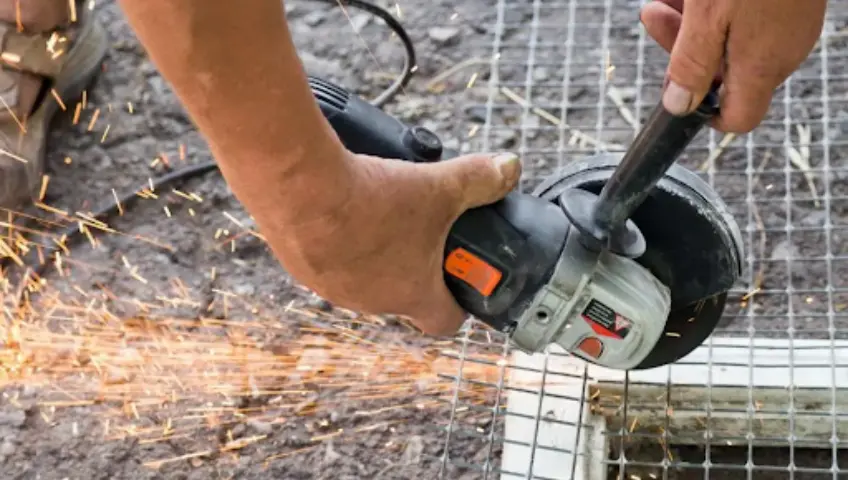
Are you tired of your angle grinder not running as smoothly as it should? You might be missing a crucial maintenance step: lubrication.
Properly lubricating your angle grinder can extend its lifespan, improve performance, and save you from costly repairs down the road. Imagine your tools working at peak efficiency every time you use them. It’s not just a dream; it’s a reality you can achieve with a little know-how.
In this guide, you’ll discover the essential steps to keep your angle grinder in top shape. Ready to unlock the secrets to better performance and longevity for your tools? Keep reading to find out how you can transform your angle grinder maintenance routine.

Credit: tendsupplies.com
Choosing The Right Lubricant
Lubricating your angle grinder keeps it running smoothly. It reduces wear and tear on moving parts.
Selecting the right lubricant depends on several factors. This guide helps you make the best choice.
Types Of Lubricants
There are different lubricants for angle grinders. Each type suits a specific need.
- Grease: Thick and stays in place, good for heavy use.
- Oil: Thinner and spreads easily, best for light parts.
- Dry Lubricants: Powder or spray that won’t attract dust.
- Synthetic Lubricants: Made for extreme temperatures and long life.
Manufacturer Recommendations
Always read your angle grinder’s manual. Use the lubricant type the maker suggests.
| Brand | Recommended Lubricant | Application Notes |
| Brand A | High-temp grease | Apply every 3 months |
| Brand B | Synthetic oil | Use before heavy work |
| Brand C | Dry spray | Best for dusty areas |
Environmental Considerations
Choose a lubricant that suits your working environment. Weather and dust affect lubricant choice.
Consider these points:
- Wet areas need water-resistant lubricants.
- Hot climates require heat-stable options.
- Dusty environments benefit from dry or synthetic lubricants.
- Eco-friendly lubricants reduce pollution risks.

Credit: www.gz-supplies.com
Preparing The Angle Grinder
Lubricating an angle grinder helps keep it working well. Proper preparation makes the job safer and easier. This guide covers key steps to prepare your tool.
Follow these steps carefully before you start lubricating. They include safety tips, cleaning, and taking apart the tool.
Safety Precautions
Always wear safety goggles and gloves before handling the angle grinder. Make sure the tool is unplugged or the battery is removed. Work in a clean, dry area with good lighting. Keep flammable materials away from your workspace.
- Wear protective goggles and gloves
- Unplug or remove the battery
- Work in a clean, dry place
- Keep flammable materials away
- Read the user manual for your model
Cleaning The Tool
Remove dust and debris from the angle grinder before lubrication. Use a dry cloth to wipe the outside. Compressed air helps clean hard-to-reach spots. Check the vents and motor housing for blockages.
| Part | Cleaning Method |
| Exterior surface | Dry cloth wipe |
| Air vents | Compressed air blowout |
| Motor housing | Soft brush or air |
| Power switch | Dry cloth only |
Disassembling Components
Take apart the angle grinder carefully to reach parts that need lubrication. Use the right tools to avoid damage. Keep screws and small parts in a container. Follow the user manual for your model’s disassembly instructions.
- Use correct tools like screwdrivers or wrenches
- Remove the grinding disc first
- Keep small parts organized in a tray
- Note the order of parts for reassembly
- Handle parts gently to avoid breakage
Applying Lubricant Properly
Lubricating an angle grinder helps it run smoothly and lasts longer. Applying the right amount of lubricant is important. Too little or too much can cause problems.
This guide explains how to apply lubricant to key parts of your angle grinder. Follow these tips to keep your tool in good condition.
Lubricating The Bearings
Bearings help the angle grinder’s parts move easily. They need grease to reduce friction and wear. Use a high-quality bearing grease for this task.
Clean the bearing area before applying grease. Add a small amount of grease evenly around the bearing. Avoid using too much to prevent dirt buildup.
Greasing The Gears
The gears inside the angle grinder transfer power to the disc. Keeping them greased reduces noise and wear. Use a gear grease that matches your tool’s specifications.
Open the gear housing carefully. Apply grease to all gear teeth. Make sure the grease covers the gears but does not overflow. Close the housing tightly after greasing.
- Use the correct gear grease type
- Cover all gear teeth evenly
- Do not mix different grease types
Avoiding Over-lubrication
Adding too much lubricant can cause problems. Excess grease attracts dust and dirt. This can damage the angle grinder parts over time.
Use only the amount recommended by the manufacturer. Check the parts after lubrication. Remove extra grease if you see it leaking or pooling.
- Use small, controlled amounts of grease
- Wipe away any extra lubricant
- Lubricate regularly but not too often
Maintenance Schedule
Keeping your angle grinder well-lubricated is key to its long life. A good maintenance schedule helps the tool run smoothly.
This guide explains how often to lubricate, signs to watch for, and how to track maintenance.
Frequency Of Lubrication
Lubricate your angle grinder after every 20 hours of use. This keeps parts moving well and stops wear.
If you use the grinder in dusty or wet places, lubricate more often. Dirt and moisture can cause damage.
- Regular use: every 20 hours
- Harsh conditions: every 10-15 hours
- Check the manual for specific advice
Signs It’s Time To Lubricate
Listen for unusual noises like grinding or squeaking. These sounds mean the tool needs lubrication.
Also, feel if the grinder is harder to turn or feels hot. These signs show the parts need oil or grease.
- Grinding or squeaking sounds
- Hard to turn or slow movement
- Excess heat from the tool
- Visible dry or rusty parts
Tracking Maintenance
Keep a simple log of your lubrication dates and hours used. This helps prevent missing a service.
You can use a notebook, calendar, or app. Note the date and any problems you notice.
- Write date of each lubrication
- Record hours of use between services
- Note any strange noises or issues
- Review log monthly to stay on schedule
Troubleshooting Lubrication Issues
Lubricating an angle grinder is important for its smooth operation. Problems with lubrication can cause damage or reduce tool life.
This guide helps you find and fix lubrication problems in your angle grinder. It also explains how to prevent damage and when to get expert help.
Common Problems
One common issue is using the wrong type of lubricant. This can cause parts to wear faster. Another problem is not adding enough grease or oil.
Sometimes dirt or dust mixes with the lubricant. This creates grit that harms the grinder’s parts. Over time, this leads to poor performance and noise.
- Using incorrect lubricant type
- Applying too little lubricant
- Contamination by dirt or dust
- Over-lubrication causing leaks
- Ignoring lubrication schedules
Preventing Damage
Use the correct lubricant recommended by the manufacturer. Clean the parts before applying grease or oil. This stops dirt from causing damage.
Apply lubricant in the right amount. Too much can attract dust and too little can cause friction. Regular maintenance helps keep the grinder in good shape.
- Check manufacturer’s lubricant type
- Clean parts before lubrication
- Use proper amount of lubricant
- Keep lubrication on a regular schedule
- Store the grinder in a clean place
When To Seek Professional Help
If the grinder makes strange noises after lubrication, it may have internal damage. Also, if lubrication does not improve performance, ask a technician.
Do not try to fix complex internal parts yourself. Professionals have the right tools and skills to repair and lubricate safely.
- Unusual noise after lubrication
- Lubrication does not fix grinding issues
- Visible damage inside the grinder
- Difficulty opening or cleaning internal parts
Enhancing Angle Grinder Longevity
Lubricating your angle grinder helps it work longer and better. Proper care keeps parts moving smoothly.
Simple steps like storage, correct use, and checks make a big difference. They prevent damage and wear.
Storage Tips
Store your angle grinder in a dry place to avoid rust. Keep it away from dust and moisture.
Use a case or cover to protect the tool. This stops dirt from getting inside and damaging parts.
- Keep in a cool, dry spot
- Use protective case or cover
- Store with power off and unplugged
Using The Tool Correctly
Use the angle grinder only for its intended tasks. Avoid forcing the tool or overloading it.
Apply lubricant to moving parts regularly. This lowers friction and keeps the grinder running smooth.
- Do not press too hard on the tool
- Apply lubricant as per instructions
- Use correct discs for each job
Regular Inspections
Check the angle grinder often for wear or damage. Look at the power cord, discs, and moving parts.
Clean the tool after each use. Replace worn parts quickly to avoid bigger problems.
- Inspect power cord for cuts or cracks
- Look for worn or damaged discs
- Lubricate bearings and moving parts
- Clean dust and debris from vents
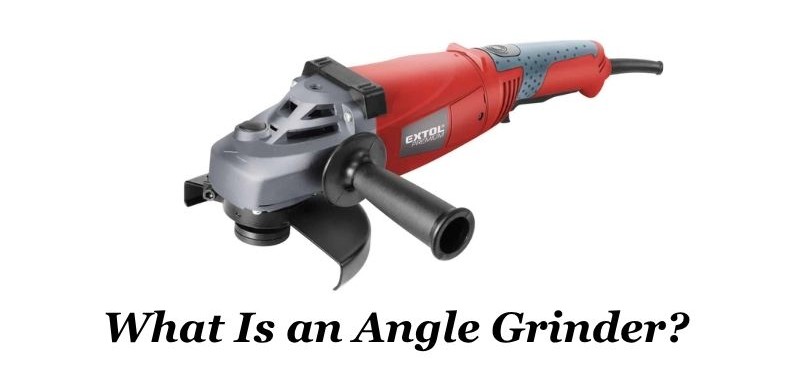
Credit: extoltools.com
Frequently Asked Questions
How Often Should I Lubricate My Angle Grinder?
Lubricate your angle grinder every 3 to 6 months for optimal performance. Frequent use may require more regular lubrication. Check the manufacturer’s guidelines to ensure proper maintenance intervals and avoid premature wear or damage.
What Type Of Lubricant Is Best For Angle Grinders?
Use high-quality grease specifically designed for power tools. Avoid general-purpose oils as they may not withstand high speeds and heat. Proper lubricant reduces friction and extends the grinder’s lifespan.
Can I Use Wd-40 To Lubricate Angle Grinders?
No, WD-40 is not suitable for lubricating angle grinders. It is a water-displacing spray, not a lubricant. Use proper grease to ensure effective lubrication and protection of moving parts.
How Do I Apply Lubricant To An Angle Grinder?
First, unplug the grinder and remove the guard and disc. Apply grease to the gears and moving parts with a brush or applicator. Reassemble the tool carefully to avoid contamination.
Conclusion
Proper lubrication keeps your angle grinder working smoothly. It reduces wear and prevents overheating. Regular care helps tools last longer and perform better. Take time to clean and oil moving parts often. Small steps protect your investment and save money.
Remember, a well-lubricated grinder makes your work easier. Keep it simple, stay consistent, and enjoy better results every time.