If you want your power planer to work smoothly and last longer, knowing how to lubricate it properly is key. Skipping this simple step can lead to costly repairs and frustrating downtime.
In this guide, you’ll discover easy, practical tips to keep your power planer running like new. Whether you’re a beginner or have some experience, this article will help you protect your tool and get the best results every time. Keep reading to learn exactly what you need to do to maintain your power planer with confidence.
Why Lubrication Matters
Lubricating power planers is key to keeping them running well. It helps the parts move smoothly.
Without lubrication, your planer can slow down and wear out faster. Good care keeps it working longer.
Impact On Performance
Lubrication reduces friction inside the planer’s motor and blades. This allows the tool to work at full power.
- Smoother blade rotation
- Less overheating
- Quieter operation
- Faster and cleaner cuts
Preventing Wear And Tear
Lubricants form a thin layer between moving parts. This layer stops metal parts from rubbing directly against each other.
| Without Lubrication | With Lubrication |
| Parts wear quickly | Parts last longer |
| More heat builds up | Heat is reduced |
| Risk of tool damage | Tool stays safe |
Extending Tool Lifespan
Regular lubrication slows down damage and keeps your planer in good shape. It helps avoid costly repairs.
To extend your tool’s life, follow these tips:
- Use the right type of lubricant
- Apply lubricant at regular intervals
- Clean the tool before lubrication
- Check for signs of wear often
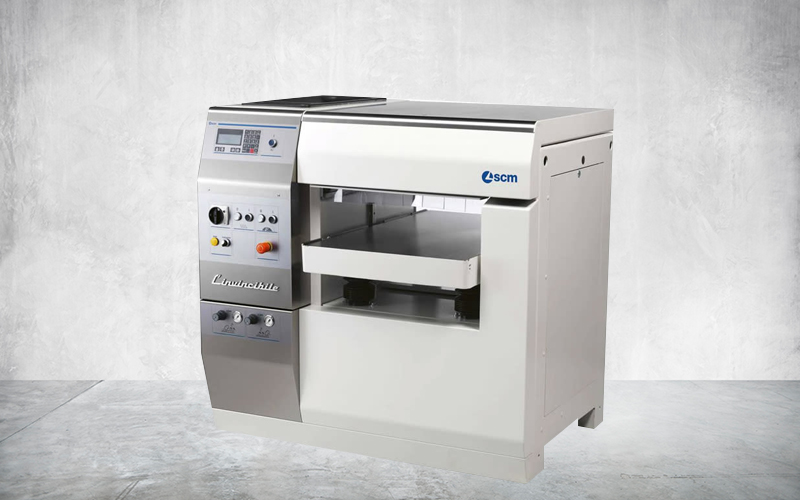
Credit: www.wurthbaermachinery.com
Choosing The Right Lubricant
Lubricating your power planer keeps it working smoothly. Picking the right lubricant is important.
The wrong lubricant can cause damage or reduce tool life. Learn what types work best.
Types Of Lubricants
There are several lubricants you can use on power planers. Each has its uses and limits.
- Oil: Light and easy to apply for metal parts
- Grease: Thicker, good for heavy wear areas
- Dry Lubricants: Powder or spray that won’t attract dust
- Silicone Lubricants: Safe on plastics and rubber parts
Use oil for moving metal parts and grease for gears or bearings.
Factors To Consider
Choose a lubricant that matches your power planer’s parts and conditions.
- Check the manufacturer’s guide for lubricant type
- Consider the working temperature and environment
- Pick lubricants that resist dirt and dust buildup
- Use lubricants that do not damage plastic or rubber parts
Using the right type keeps your planer running longer and safer.
Avoiding Common Mistakes
Many people use the wrong lubricant or apply too much. Avoid these errors.
- Don’t mix different types of lubricants
- Apply only the recommended amount
- Keep lubricant off the blades to avoid slipping
- Clean old lubricant before adding new
Following these tips helps your planer work well and last longer.
Preparing Your Power Planer
Keeping your power planer in good condition starts with proper preparation. This guide covers key steps before lubrication.
Preparing the tool carefully helps it work better and last longer. Follow these simple steps for best results.
Cleaning Before Lubrication
Remove dust and debris from your power planer before applying lubricant. Clean parts let the lubricant work well.
- Unplug the planer and remove the blade guard
- Use a brush to clear sawdust from blades and vents
- Wipe metal parts with a dry cloth
- Check for stuck debris and gently remove it
Safety Precautions
Always follow safety rules when preparing your power planer. This keeps you safe and prevents damage.
- Unplug the power planer from the outlet
- Wear safety gloves and eye protection
- Work in a clean, well-lit area
- Avoid loose clothing or jewelry near moving parts
- Keep children and pets away during maintenance
Tools Needed
| Tool | Purpose |
| Soft brush | Remove dust and debris |
| Dry cloth | Wipe metal surfaces |
| Screwdriver | Remove blade guard if needed |
| Safety gloves | Protect your hands |
| Eye protection | Shield eyes from dust |

Credit: www.findbuytool.com
Step-by-step Lubrication Process
Lubricating a power planer keeps it working smoothly and lasts longer. This guide explains how to lubricate the tool safely and effectively.
Follow each step carefully to make sure you reach all moving parts and apply lubricant evenly.
Accessing Moving Parts
First, unplug the power planer to avoid accidents. Remove any covers or guards that block the moving parts. Check the user manual if you are unsure how to open it safely.
- Unplug the planer from the power source.
- Use a screwdriver to remove any screws holding covers.
- Lift off covers to expose blades and rollers.
- Clean dust and debris from exposed parts with a brush.
Applying Lubricant Correctly
Choose a lubricant that suits power planers, like light machine oil. Apply small amounts to each moving part. Avoid over-oiling, as it can attract dirt.
| Part | Lubricant Amount | Notes |
| Blades | Few drops | Apply on blade shafts only |
| Rollers | Light coating | Cover entire roller surface |
| Gears | Thin layer | Use grease if specified |
Checking For Proper Coverage
After applying lubricant, turn the moving parts by hand. Look for smooth motion and shiny, wet surfaces. Wipe off any excess oil to prevent buildup.
- Rotate blades and rollers slowly.
- Check all lubricated spots for even coverage.
- Remove extra lubricant with a clean cloth.
- Reassemble covers and secure screws firmly.
Maintenance Tips For Longevity
Keeping your power planer well-lubricated helps it work smoothly. Regular care can extend its life. It prevents wear and tear on moving parts.
Simple maintenance steps save you time and money. This guide covers key tips to keep your planer running well.
Regular Lubrication Schedule
Follow a regular lubrication routine to avoid damage. Check your user manual for the best intervals. Some parts may need oiling more often.
- Clean the planer before applying lubricant.
- Use the recommended oil or grease only.
- Lubricate the blades and moving parts every 10 hours of use.
- Wipe off excess lubricant to prevent dust buildup.
- Inspect lubrication points monthly for dryness or dirt.
Signs Lubrication Is Needed
Watch for these signs that your planer needs lubrication. Early action avoids costly repairs and keeps the tool safe.
| Sign | What It Means |
| Unusual noise | Parts may be dry or worn |
| Overheating | Friction is too high |
| Rough operation | Moving parts lack smoothness |
| Visible rust | Lubrication layer is missing |
| Dust buildup | Old lubricant attracting dirt |
Storage Recommendations
Proper storage protects your planer from damage and rust. Clean and lubricate before storing it for a long time.
- Store in a dry, cool place away from moisture.
- Cover the planer to keep dust off.
- Apply a light coat of oil on metal parts before storage.
- Check and re-lubricate if unused for over a month.
- Keep the blades sharp and clean for next use.

Credit: www.ebay.com
Troubleshooting Common Issues
Power planers need proper lubrication to work smoothly. Without it, they can have problems. This guide helps you fix common lubrication issues.
Check your planer regularly to spot signs of poor lubrication. Fix these problems early to keep your tool in good shape.
Lubrication-related Problems
Dry or dirty lubrication can cause your planer to overheat. The blades may also wear out fast or stick during use.
- Blade overheating due to lack of oil
- Unusual noise from the motor or blades
- Planer blades sticking or not rotating freely
- Visible dirt or old grease buildup on moving parts
- Decreased cutting performance or rough surface finish
Cleaning and applying the correct lubricant can often fix these issues. Use oil made for power tools and follow the user manual.
When To Seek Professional Help
Some lubrication problems need expert care. If you see these signs, contact a professional repair service.
| Problem | Reason to Call a Professional |
| Persistent overheating | Could be motor damage or deep internal issues |
| Unusual grinding noises | May indicate worn bearings or parts needing replacement |
| Oil leaks | Seals or internal components might be broken |
| Planer does not start after lubrication | Electrical or mechanical faults require expert check |
Frequently Asked Questions
How Often Should You Lubricate Power Planers?
You should lubricate power planers every 20 to 30 hours of use. Regular lubrication ensures optimal performance and prolongs the tool’s lifespan. Always refer to the manufacturer’s guidelines for specific maintenance intervals.
What Type Of Lubricant Is Best For Power Planers?
Use a high-quality machine oil or a specific planer lubricant. These oils reduce friction and prevent wear on moving parts. Avoid using general-purpose oils, as they might not provide the necessary protection.
Can Improper Lubrication Damage Power Planers?
Yes, improper lubrication can cause excessive wear and tear. It leads to overheating and potential equipment failure. Always ensure you use the correct type and amount of lubricant to maintain efficiency and longevity.
Are There Signs A Power Planer Needs Lubrication?
Yes, signs include unusual noises, decreased performance, and overheating. If you notice any of these, check the lubrication. Regular maintenance helps prevent these issues and ensures smooth operation.
Conclusion
Keeping your power planer well-lubricated helps it run smoothly. Regular oiling stops parts from wearing out too fast. It also keeps the machine cool during use. Simple steps can save you time and money later. Take care of your planer, and it will last longer.
A little effort now means better results every time. Don’t forget to check the guide often for tips. Your power planer deserves good care to work its best.