
If you want your table saw to run smoothly and last longer, knowing how to properly lubricate its components is key. Without the right care, your saw can become noisy, sluggish, or even break down when you least expect it.
This guide will show you exactly what parts need lubrication, how to do it safely, and the best products to use. By the end, you’ll have the confidence to keep your table saw in top shape, saving you time and money on repairs.
Keep reading to learn the simple steps that make a big difference in your saw’s performance.
Credit: www.searspartsdirect.com
Choosing The Right Lubricant
Lubricating your table saw keeps it running smoothly and safely. Picking the right lubricant is key to protect parts and improve performance.
Different lubricants serve different purposes. Knowing their types and what to avoid helps you make the best choice for your saw.
Types Of Lubricants
There are several common lubricants used for table saws. Each type fits specific parts and conditions.
- Oil:Thin and easy to apply, good for blades and moving parts.
- Grease:Thicker, ideal for gears and bearings needing long-lasting lubrication.
- Dry Lubricants:Powder or spray that won’t attract dust, best for exposed parts.
- Silicone-based:Water-resistant and good for parts exposed to moisture.
Factors To Consider
Choose a lubricant by checking several important factors. These affect how well the lubricant works and how long it lasts.
| Factor | Description |
| Viscosity | Thick or thin based on the part’s needs |
| Temperature Range | Works well in the saw’s operating temperature |
| Dust Attraction | Some lubricants attract sawdust which can clog parts |
| Water Resistance | Protects parts from rust if exposed to moisture |
| Compatibility | Safe to use on metal, plastic, or rubber parts |
Avoiding Harmful Substances
Some substances damage your saw instead of helping it. Avoid these to keep your tool safe.
- Do not use WD-40 as a lubricant; it dries out parts over time.
- Avoid lubricants with acids or harsh chemicals.
- Stay away from petroleum-based products on plastic or rubber parts.
- Do not use heavy grease on blades; it can cause build-up.
- Choose lubricants labeled safe for power tools.
Key Components To Lubricate
Keeping your table saw in good shape means regular lubrication. This reduces wear and keeps parts moving smoothly.
Focus on these key parts to keep your saw running safely and efficiently.
Blade Arbor And Bearings
The blade arbor holds the saw blade and spins it. Bearings help it turn freely. Lubricate these parts to stop friction and wear.
Use light machine oil on the bearings. Avoid heavy grease as it can trap dust and cause damage.
Gears And Pulleys
Gears and pulleys transfer power from the motor to the blade. They need regular lubrication to work well and last longer.
- Clean old grease and dirt first
- Apply a thin layer of multipurpose grease
- Check for wear or damage during lubrication
- Do not over-lubricate to avoid buildup
Trunnions And Elevation Mechanisms
Trunnions hold the blade assembly and allow it to tilt. Elevation mechanisms raise or lower the blade height. Lubricate these parts for smooth adjustments.
| Component | Lubrication Type | Frequency |
| Trunnion pivots | Light machine oil | Monthly |
| Elevation screw | White lithium grease | Monthly |
| Tilting mechanism | Multipurpose grease | Every 3 months |
Fence And Rails
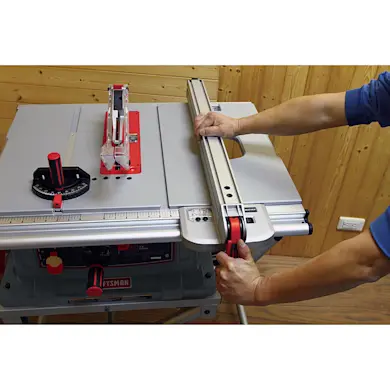
The fence guides wood through the blade. Rails let the fence slide smoothly. Lubricate these parts to keep cuts straight and easy.
Use a dry lubricant spray or paste wax on the rails. Avoid oily lubricants that attract dust and dirt. Clean the fence and rails regularly to prevent buildup.
Step-by-step Lubrication Process
Keeping your table saw parts well-lubricated helps it run smoothly. Proper lubrication also extends the life of your saw.
This guide shows you how to clean and apply lubricant to your table saw parts safely and correctly.
Cleaning Before Lubrication
Start by removing dust, dirt, and old grease from the parts. Clean surfaces help the lubricant work better.
Use a brush or cloth to clear debris. For sticky buildup, use a mild solvent and dry the parts fully.
- Unplug the saw before cleaning
- Remove the blade guard and other removable parts
- Use a soft brush to remove sawdust
- Wipe parts with a clean cloth and solvent if needed
- Let all parts dry before lubricating
Applying Lubricant Correctly
Apply lubricant only to moving parts like gears, bearings, and the arbor. Use the right type of lubricant for your saw.
Use a small amount to avoid attracting dirt. Spread it evenly on all surfaces that move or rub together.
- Use lubricants recommended by the saw manufacturer
- Apply with a brush, cloth, or spray nozzle
- Cover all moving joints and bearings lightly
- Avoid lubricating the blade or motor
- Turn the saw parts by hand to spread lubricant evenly
Wiping Excess Lubricant
After applying lubricant, wipe off any extra with a clean cloth. Excess lubricant can attract dust and cause buildup.
Check the parts again to make sure no thick layers remain. This helps keep your saw clean and running well.
- Use a dry cloth to remove excess lubricant
- Inspect parts for any missed spots
- Do not leave lubricant pools on surfaces
- Clean your workspace to avoid spreading lubricant

Credit: www.leevalley.com
Frequency And Maintenance Tips
Keeping your table saw well-lubricated helps it run smoothly. Proper lubrication reduces wear and tear on parts.
Regular maintenance keeps your table saw safe and efficient. Knowing when to lubricate is key.
Signs Lubrication Is Needed
You can tell your table saw needs lubrication by paying attention to sounds and movement. Dry parts make more noise and may feel stiff.
Look for these signs that lubrication is needed to avoid damage:
- Squeaking or grinding noises during use
- Blade or parts move slower than usual
- Visible rust or dryness on metal parts
- Parts feel rough or sticky when moved
- Increased vibration during operation
Recommended Lubrication Intervals
Lubricate your table saw parts regularly to keep it working well. The schedule depends on use and environment.
Here are general lubrication intervals for common parts:
- Blade Arbor: Every 3 months or after heavy use
- Gears and Pulleys: Every 6 months
- Trunnion and Elevation Mechanism: Every 3 months
- Fence Rails and Tracks: Monthly or as needed
- Motor Bearings: Follow manufacturer instructions
Routine Inspection Checklist
Check your table saw regularly to catch lubrication needs early. Use this checklist during inspections.
- Listen for unusual noises while running the saw
- Check metal parts for dryness or rust
- Move blade and adjustment parts to feel smoothness
- Inspect fence and rails for easy sliding
- Look for dust buildup that can block lubricant
- Clean old grease and apply fresh lubricant where needed
Common Mistakes To Avoid
Lubricating your table saw is important to keep it running smoothly. Avoiding common mistakes can save you time and money. Knowing what to do and what not to do helps extend your saw’s life.
This guide points out three key mistakes. Learn how to avoid using wrong lubricants, over-lubricating parts, and ignoring safety rules.
Using Incorrect Lubricants
Using the wrong lubricant can cause damage. Some lubricants attract dust and dirt, making the saw parts sticky. Others may not protect metal from rust or wear.
- Do not use cooking oils or WD-40 as lubricants.
- Choose lubricants made for power tools or metal parts.
- Check the saw’s manual for recommended products.
- Use dry lubricants for dust-prone areas to avoid buildup.
Over-lubricating Components
Adding too much lubricant can cause problems. Excess lubricant can drip into the motor or blade area. It can attract dust and cause parts to clog or slip.
| Problem | Effect |
|---|---|
| Too much lubricant on gears | Slows down saw, attracts dirt |
| Excess oil near motor | Can cause electrical issues |
| Lubricant on blade | Reduces cutting efficiency, unsafe |
Neglecting Safety Precautions
Ignoring safety rules while lubricating can cause injury. Some lubricants are flammable or toxic. Always follow safety steps to protect yourself.
- Wear gloves to protect your skin.
- Work in a well-ventilated area.
- Turn off and unplug the saw before lubricating.
- Keep lubricant containers sealed and away from heat.
- Clean up spills immediately to prevent slips.

Credit: www.woodcraft.com
Frequently Asked Questions
How Often Should I Lubricate My Table Saw?
Lubricate your table saw components every 6 months for optimal performance. Regular maintenance ensures smooth operation and extends the machine’s lifespan. However, if your saw is used frequently, consider lubricating more often to prevent wear and tear. Always follow the manufacturer’s guidelines for best results.
What Type Of Lubricant Is Best For Table Saws?
Use a dry lubricant or silicone spray for table saw components. These lubricants reduce friction without attracting dust and debris, ensuring a clean and efficient operation. Avoid using oil-based lubricants as they can collect sawdust and cause buildup. Always choose a product recommended by your table saw manufacturer.
Can I Use Wd-40 On My Table Saw?
Yes, you can use WD-40 for cleaning, but not for lubrication. WD-40 is excellent for removing rust and grime from metal surfaces. However, it does not provide lasting lubrication. After cleaning with WD-40, apply a suitable dry lubricant to ensure long-term protection and smooth operation.
What Parts Of A Table Saw Need Lubrication?
Focus on lubricating the trunnions, gears, and elevation mechanisms. These components are crucial for the smooth movement and precision of your table saw. Regular lubrication prevents rust and reduces friction, ensuring accurate cuts. Always consult your table saw manual for specific parts that require maintenance.
Conclusion
Keeping your table saw parts well-lubricated helps them work smoothly. It reduces wear and prevents rust. Regular lubrication saves you time and money on repairs. Use the right oil or grease for each component. Clean the parts before applying lubricant for best results.
A little care goes a long way in keeping your saw safe. Follow these simple steps to extend your saw’s life. Enjoy better cuts and safer work every time you use your table saw. Maintenance is easy and worth the effort.
