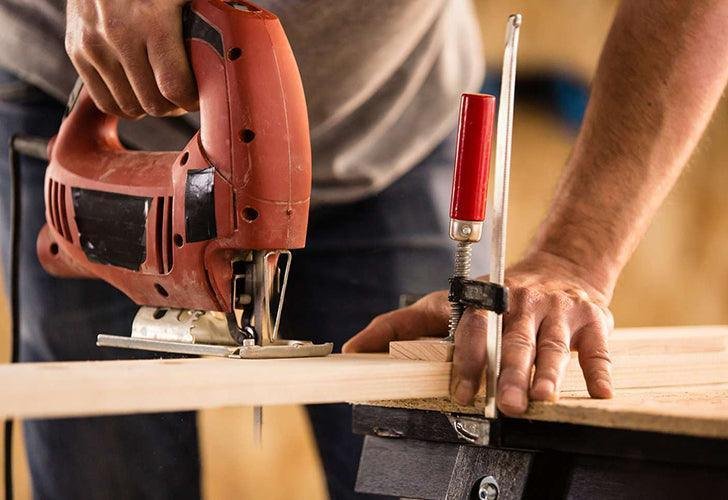
Are you tired of replacing your jigsaw every few years? Imagine the satisfaction of a jigsaw that performs like new, year after year.
This guide is your ticket to mastering the art of jigsaw maintenance. You’ll discover simple, effective strategies to extend the life of your tool, ensuring it remains a reliable partner in all your DIY projects. From cleaning tips to blade care, this article will empower you with the knowledge to keep your jigsaw in top shape.
Don’t let wear and tear cut your projects short—learn how to make your jigsaw last longer and work better. Dive in to unlock the secrets of long-term jigsaw maintenance.
Credit: www.gz-supplies.com
Choosing The Right Jigsaw
Picking the right jigsaw makes your cutting tasks easier and safer. Understanding types and features helps you select one that lasts long.
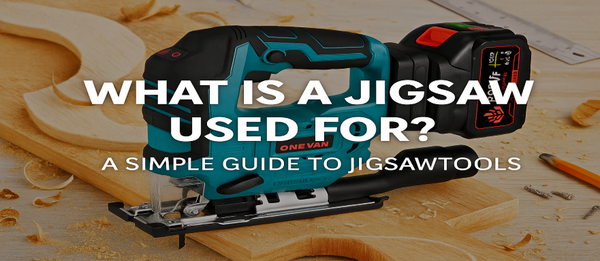
A good jigsaw fits your needs and works well on different materials. This guide covers main jigsaw types and key features to check.
Types Of Jigsaws
Jigsaws come in various designs. Each type suits different projects and user preferences.
- Corded Jigsaws:Plug into power outlets. Offer steady power for long jobs.
- Cordless Jigsaws:Use batteries. Provide freedom to move without cords.
- Orbital Jigsaws:Blade moves in small circles. Cuts faster on wood but less smooth.
- Standard Jigsaws:Blade moves straight up and down. Good for precise cuts.
Key Features To Look For
| Feature | Benefit |
| Variable Speed | Adjust speed for different materials and cuts |
| Blade Change System | Allows quick and easy blade replacement |
| Ergonomic Handle | Improves comfort and control during use |
| Dust Blower | Keeps cutting line clear of debris |
| Orbital Action | Increases cutting speed on softer materials |
| Power Source | Corded for steady power, cordless for portability |
Credit: onevantool.com
Cleaning After Each Use
Cleaning your jigsaw after every use helps it work well for years. Dirt and dust can cause damage if not removed.
Regular cleaning keeps the tool safe and ready for the next job. It also prevents parts from wearing out fast.
Removing Dust And Debris
Dust and debris collect in the jigsaw’s vents and moving parts. This build-up can slow the motor and cause overheating.
Use a small brush or compressed air to clear dust from all surfaces. Pay special attention to vents and around the blade holder.
- Unplug the jigsaw before cleaning.
- Brush dust off vents and motor housing.
- Blow compressed air into tight spaces.
- Remove debris stuck near the blade area.
Blade Cleaning Techniques
Clean the blade to remove pitch, resin, or wood chips. A clean blade cuts better and lasts longer.
Use a soft cloth and mild cleaner to wipe the blade. Avoid harsh chemicals that can damage the metal.
- Remove the blade carefully before cleaning.
- Wipe blade with a damp cloth and mild soap.
- Use a toothbrush for stuck-on resin or pitch.
- Dry the blade fully before reinstalling.
- Oil the blade lightly to prevent rust.
Blade Care And Replacement
Keeping your jigsaw blades in good shape helps you cut better. Sharp blades make your work easier and safer.
Regular checks and timely changes keep your jigsaw working for a long time. Learn how to spot blade wear and pick the right blade.
Signs Of Worn Blades
Worn blades cut slower and need more force. You may see rough or burning edges on your material.
The jigsaw might vibrate more or make strange noises. These are signs you need to replace the blade soon.
- Cutting takes longer than usual
- Edges look rough or burnt
- Blade bends or breaks easily
- Increased vibration or noise
Selecting The Correct Blade Type
Choose blades based on the material you cut. Using the right blade makes your cuts clean and fast.
Look at the blade’s tooth size and shape. Different blades fit wood, metal, or plastic better.
| Material | Blade Type | Tooth Size (TPI) |
|---|---|---|
| Wood | Coarse blades with large teeth | 6-10 |
| Metal | Fine blades with small teeth | 18-24 |
| Plastic | Fine blades, sometimes special plastic blades | 10-14 |
Lubricating Moving Parts
Keeping your jigsaw well-lubricated helps it run smoothly. It reduces wear and tear on the moving parts. Regular lubrication can extend the tool’s life and improve performance.
Applying the right lubricant in the correct areas is key. This guide shows you where to lubricate and what products work best.
Areas To Lubricate
Focus on the parts that move or create friction. These areas need lubrication to prevent damage and keep the jigsaw cutting well.
- The blade clamp, where the blade attaches and moves during use.
- The guide rollers that support and guide the blade.
- The pivot points of the pendulum mechanism, if your jigsaw has one.
- The gear assembly inside the tool housing.
- Any sliding shafts or rods that help the blade move up and down.
Recommended Lubricants
Choosing the right lubricant keeps parts working well without attracting dust or dirt. Use lubricants designed for power tools or metal parts.
| Lubricant Type | Best Use | Notes |
| Light machine oil | Blade clamp and guide rollers | Penetrates well, prevents rust |
| Silicone spray | Sliding shafts and pivot points | Dries fast, repels dust |
| Grease | Gear assembly | Thicker, stays in place longer |
| Dry lubricant (Teflon-based) | Areas prone to dust buildup | Reduces dirt attraction |
Checking Electrical Components
To keep your jigsaw working well, check its electrical parts often. This helps avoid surprises and keeps you safe.
Look closely at the power cord and switch. These parts wear out with use and need care.
Inspecting Power Cords
Power cords can get cuts, cracks, or breaks. These damage the cord and can cause shocks or short circuits.
- Look for cuts or cracks on the cord’s surface.
- Check where the cord joins the plug or the tool for loose wires.
- Make sure the plug pins are straight and clean.
- Replace the cord if you see any damage or worn spots.
Ensuring Switch Functionality
The switch controls power to your jigsaw. It must work smoothly and safely.
| Switch Check | What to Look For | Action |
|---|---|---|
| Toggle or push action | Switch should move easily without sticking. | Clean or replace if stiff. |
| On/off response | Jigsaw should start and stop quickly when switching. | Repair switch if delayed or no response. |
| Visible damage | Look for cracks or burns on the switch body. | Replace switch if damaged. |

Credit: www.findbuytool.com
Proper Storage Solutions
Keeping your jigsaw in good shape means storing it correctly. Proper storage stops damage and helps the tool last longer.
Learn how to protect your jigsaw from moisture and organize its accessories. These tips will keep your tool ready for use.
Protecting From Moisture
Moisture can cause rust and damage the jigsaw’s parts. Store your tool in a dry place to keep it safe. Use a sealed case or plastic container to block humidity.
- Keep the jigsaw away from damp basements or garages.
- Use silica gel packs inside the storage case to absorb moisture.
- Wipe the jigsaw dry before storing it after use.
- Check the storage area regularly for leaks or dampness.
Organizing Accessories
Organize all jigsaw accessories like blades and keys to find them easily. Proper organization saves time and prevents loss.
| Accessory | Storage Tip |
| Blades | Store in a labeled blade case or holder |
| Keys | Keep on a small keyring inside the jigsaw case |
| Dust bags | Fold and store in a dry pocket of the case |
| Extra parts | Use small containers or zip bags to keep parts together |
Regular Performance Testing
Regularly testing your jigsaw’s performance helps keep it in good shape. It ensures the tool works smoothly and safely over time.
Checking key features like speed and power can prevent bigger problems. It also helps you spot early signs of wear and tear.
Monitoring Speed And Power
Keep track of your jigsaw’s speed and power to ensure efficient cutting. If you notice it slowing down or losing power, it may need maintenance or repair.
- Test the jigsaw on different materials to check cutting speed.
- Listen for any changes in motor strength or cutting force.
- Clean air vents to prevent overheating and power loss.
- Replace worn brushes or parts that affect motor performance.
Addressing Unusual Noises
Strange sounds can indicate mechanical issues. Pay attention to grinding, squealing, or rattling noises during use.
| Noise Type | Possible Cause | Action Needed |
| Grinding | Blade or gear wear | Inspect and replace parts |
| Squealing | Lack of lubrication | Lubricate moving parts |
| Rattling | Loose screws or components | Tighten screws and check assembly |
Safety Tips During Maintenance
Maintaining your jigsaw safely is very important. Follow simple safety steps to avoid accidents.
Always prepare before starting any maintenance work. This helps keep you safe and your tool in good shape.
Disconnecting Power Sources
Before cleaning or fixing your jigsaw, always disconnect it from power. This stops the tool from turning on by mistake.
- Unplug the jigsaw from the electrical outlet.
- Remove the battery if it is cordless.
- Wait a few minutes to let any stored power drain.
- Check that the tool does not start when you press the switch.
Using Protective Gear
Wear protective gear to guard against injury while working on your jigsaw. It keeps you safe from sharp parts and dust.
| Protective Gear | Purpose |
| Safety Glasses | Protect eyes from debris and dust |
| Gloves | Shield hands from cuts and scrapes |
| Dust Mask | Prevent inhaling dust particles |
| Ear Protection | Reduce noise damage when testing the tool |
Frequently Asked Questions
How Often Should I Clean My Jigsaw?
Regular cleaning after each use prevents dust buildup. Wipe the exterior and use compressed air for internal parts. This keeps the jigsaw running smoothly and extends its lifespan.
What Lubricant Is Best For Jigsaw Maintenance?
Use a light machine oil or silicone spray. Apply it to moving parts like the blade clamp and gears. Proper lubrication reduces friction and prevents wear.
When Should I Replace The Jigsaw Blade?
Replace the blade when it becomes dull, bent, or damaged. A sharp blade ensures precise cuts and reduces motor strain. Regular blade replacement improves safety and cutting efficiency.
How Do I Store A Jigsaw Properly?
Store your jigsaw in a dry, cool place. Use a protective case or cover to keep dust and moisture out. Proper storage prevents rust and electrical damage.
Conclusion
Maintaining your jigsaw keeps it working well for years. Clean the blade and remove dust after each use. Check the power cord and tighten loose parts often. Store the tool in a dry place to avoid rust. Sharpen or replace blades to ensure smooth cuts.
Regular care saves money and avoids tool problems. Small steps make a big difference in performance. Keep your jigsaw ready, and enjoy safe, easy cutting every time. Simple habits protect your tool and improve your work.