If you own a table saw, you know it’s one of your most valuable tools in the workshop. But, like any tool, it requires proper care to keep it running smoothly and safely.
Imagine cutting through wood effortlessly, with precision and ease, every time you use your saw. That’s the reward of regular maintenance. Without it, you risk dull blades, inaccurate cuts, and even dangerous accidents. So, how do you ensure your table saw remains in peak condition?
This guide will show you the simple steps to keep your saw sharp and efficient. Don’t wait until problems arise; let’s dive into the essential tips that will save you time, money, and frustration down the road.
Choosing The Right Table Saw
Picking the right table saw is important for your woodworking projects. The right saw makes your work easier and safer.
This guide helps you understand types of table saws, key features, and how to set up your saw correctly.
Types Of Table Saws
There are several types of table saws. Each type suits different work and spaces.
- Portable Table Saws: Small, light, good for jobs on the go.
- Contractor Table Saws: Medium size, more power, for home workshops.
- Cabinet Table Saws: Large, heavy, for professional shops.
- Hybrid Table Saws: Mix features of contractor and cabinet saws.
Features To Consider
Look for features that match your needs. Some features help with accuracy and safety.
- Blade Size: Most saws use 10-inch blades for common cuts.
- Motor Power: Higher power cuts thicker wood easily.
- Fence System: A strong fence helps keep cuts straight.
- Dust Collection: Helps keep your workspace clean.
- Safety Features: Look for blade guards and anti-kickback pawls.
Setting Up Your Saw
Proper setup ensures your saw works well and stays safe. Take time to adjust parts before use.
- Check the blade alignment with the fence and miter slot.
- Set the blade height for the thickness of your cut.
- Secure the saw on a flat, stable surface.
- Connect dust collection if available.
- Test safety features before starting your work.
Routine Cleaning Practices
Keeping your table saw clean helps it work better and last longer. Dirt and dust can cause problems if you ignore them.
Regular cleaning makes your saw safer and easier to use. It also stops parts from wearing out too fast.
Removing Dust And Debris
Dust and wood chips build up on the table and inside the saw. Remove them often to keep the saw clean.
Use a brush or air compressor to clear dust from hard-to-reach places. Avoid using water to keep parts dry.
- Turn off and unplug the saw first
- Brush off dust on the table surface
- Blow dust from vents and motor areas
- Clear debris from under the blade guard
Cleaning The Blade And Fence
Clean the blade regularly to keep cuts smooth and safe. Dirt on the blade can cause it to stick or burn wood.
Wipe the fence clean to keep it aligned and smooth. This helps you make straight, accurate cuts every time.
- Remove the blade safely before cleaning
- Use a cloth and mild cleaner to wipe the blade
- Remove pitch and resin buildup from the blade
- Clean the fence with a damp cloth and dry it well
- Check the fence for any damage or misalignment
Lubricating Moving Parts
Lubricate moving parts to reduce friction and wear. This keeps the saw running smoothly and quietly.
Use the correct lubricant for metal parts. Avoid over-oiling as this can attract more dust and dirt.
- Apply lubricant to the blade arbor and gears
- Lubricate the height and angle adjustment mechanisms
- Use dry lubricant on the fence rails if needed
- Wipe away excess oil to prevent buildup
Blade Maintenance
Keeping your table saw blade in good condition is important for safety and precision. Regular maintenance helps the blade cut cleanly and last longer.
Proper care includes sharpening, replacing, and choosing the right blade for your projects. Each step affects the performance of your saw.
Sharpening Techniques
Sharpening your blade restores its cutting edge. You can use a professional sharpening service or sharpen it yourself with the right tools.
- Remove the blade carefully from the saw.
- Clean any resin or pitch from the blade teeth.
- Use a diamond blade sharpener or a file to sharpen each tooth evenly.
- Check the blade for any damage or missing teeth.
- Reinstall the blade and test it on scrap wood.
Replacing Blades
Replace the blade if it is damaged, warped, or too dull to sharpen. Using a bad blade can be dangerous and cause poor cuts.
| Sign of Blade Wear | Action Needed |
| Missing or chipped teeth | Replace blade |
| Blade wobbling during use | Replace blade and check arbor |
| Burn marks on wood | Sharpen or replace blade |
| Slow or rough cuts | Sharpen blade |
Selecting The Right Blade
Choosing the correct blade depends on the material you cut and the type of cut needed. The right blade improves safety and cut quality.
- Use a blade with more teeth for smooth cuts on wood.
- Choose a blade with fewer teeth for faster, rough cuts.
- Select carbide-tipped blades for durability and longer life.
- Pick blades designed for cutting metal or plastic if needed.
- Match blade diameter and arbor size to your saw’s specifications.

Credit: www.familyhandyman.com
Aligning And Calibrating
Keeping your table saw aligned and calibrated helps you make clean cuts. Proper alignment prevents accidents and improves work quality.
Regular checks ensure your saw parts work well together. Small adjustments keep your saw accurate over time.
Checking Blade Alignment
Blade alignment means the blade runs parallel to the miter slot. Use a combination square or dial indicator to check this.
- Unplug the saw for safety.
- Raise the blade to full height.
- Place the square or indicator against the miter slot and blade.
- Check for any gaps or angles between the blade and slot.
- If misaligned, adjust the blade mounting or trunnion bolts.
Adjusting The Fence And Miter Gauge
The fence and miter gauge must be square to the blade for straight cuts. Check their angles and adjust if needed.
| Part | What to Check | How to Adjust |
|---|---|---|
| Fence | Parallel to blade and miter slot | Loosen bolts and slide fence, then tighten |
| Miter Gauge | Square at 0° and 45° angles | Adjust gauge angle stops or replace if worn |
Ensuring Accurate Cuts
Accurate cuts come from correct settings and steady feed. Check blade height and fence lock before cutting.
- Set blade height to cut just above the wood thickness.
- Lock the fence firmly to prevent movement.
- Use push sticks for safety and control.
- Feed the wood evenly without forcing it.
- Test cuts on scrap wood to confirm accuracy.
Safety Checks And Tips
Maintaining a table saw safely helps prevent accidents. Regular safety checks keep the tool in good condition.
Using the right safety gear and following safe steps protect you during work. Always stay alert and careful.
Inspecting Safety Features
Check the blade guard before each use. Make sure it moves freely and covers the blade well.
Inspect the riving knife and anti-kickback pawls. These parts reduce kickback risks and keep the wood steady.
- Blade guard should not be cracked or damaged
- Riving knife must be aligned with the blade
- Anti-kickback pawls should move smoothly
- Check power switch for proper function
Using Proper Protective Gear
Wear safety glasses to protect your eyes from dust and flying chips. Use hearing protection to guard your ears.
Wear a dust mask if cutting materials that create fine dust. Avoid loose clothing that can catch in the saw.
- Safety glasses or goggles
- Earplugs or earmuffs
- Dust mask or respirator
- Close-fitting clothes and no jewelry
- Non-slip shoes for steady footing
Safe Operating Procedures
Always keep your hands away from the blade. Use push sticks to guide small pieces safely.
Stand to the side of the blade, not directly behind it. Turn off the saw and wait for the blade to stop before removing cut pieces.
- Check blade sharpness and alignment before cutting
- Keep the work area clean and free of clutter
- Use fence and miter gauge for accurate cuts
- Never reach over the blade while it is moving
- Disconnect power before changing the blade

Credit: www.thisoldhouse.com
Troubleshooting Common Issues
Table saws need regular care to work well. Some problems happen often and can be fixed easily.
This guide helps you find and solve common table saw issues fast. You can keep your saw safe and sharp.
Dealing With Motor Problems
If the motor does not start or stops suddenly, check the power source first. Make sure the plug is tight and the outlet works.
Look inside the motor for dust or debris. Clean it gently with a brush to help it run smoothly. Also, check the motor brushes. Worn brushes can cause weak power or no start.
- Test the power cord and plug for damage
- Clean dust from motor vents and parts
- Replace worn motor brushes if needed
- Check for overheating and let the motor cool
Fixing Cutting Inaccuracies
When cuts are not straight or clean, check the blade alignment. The blade should be square to the table and fence.
Blade sharpness also matters. A dull blade causes rough cuts and burns. Replace or sharpen the blade often for best results.
- Use a square to check blade angle
- Adjust the fence to keep cuts straight
- Replace or sharpen dull blades
- Make sure the table is clean and flat
Addressing Unusual Noises
Strange sounds can mean parts need attention. Listen for grinding, squealing, or rattling noises during use.
Check the blade for damage or loose bolts. Tighten any loose parts and lubricate moving parts to reduce noise.
- Inspect the blade for chips or cracks
- Tighten all screws and bolts
- Lubricate the arbor and moving parts
- Replace worn bearings if needed
Storage And Environmental Care
Keeping your table saw in good shape starts with proper storage. The right environment helps the saw last longer.
This guide covers how to protect your saw from moisture, choose the best storage place, and stop rust from forming.
Protecting From Moisture
Moisture can damage your table saw by causing rust and swelling parts. Always keep your saw dry and away from wet areas.
- Wipe down the saw after use to remove any dampness.
- Use a cover that repels water but allows air flow.
- Avoid storing near windows or leaks that let in rain or humidity.
- Consider placing a dehumidifier in the storage room.
Optimal Storage Conditions
Store your table saw in a place with steady temperature and low humidity. This keeps metal parts safe and motors dry.
| Condition | Recommended Range |
|---|---|
| Temperature | 50°F to 80°F (10°C to 27°C) |
| Humidity | 30% to 50% |
| Air Flow | Good ventilation, no stagnant air |
Preventing Rust And Corrosion
Rust can ruin your table saw’s parts and reduce its life. Use simple steps to keep rust away.
- Apply a thin layer of machine oil or rust inhibitor to metal parts.
- Clean the saw regularly to remove dust and debris.
- Check for rust spots and treat them early with fine sandpaper and oil.
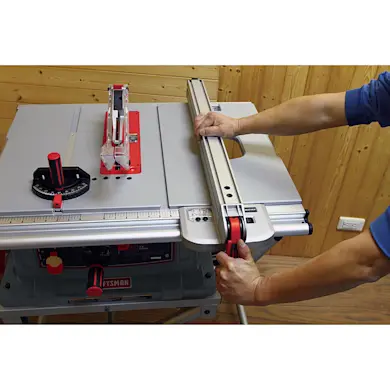
- Store the saw on a dry surface, off the ground if possible.
Credit: www.searspartsdirect.com
Frequently Asked Questions
How Often Should I Clean My Table Saw?
Regular cleaning is essential for optimal performance. Clean your table saw after every use to remove sawdust and debris. This prevents buildup that can damage components and affect precision. Use a brush or compressed air for effective cleaning.
What Is The Best Way To Lubricate A Table Saw?
Use a dry lubricant or silicone spray on moving parts. Avoid oil-based lubricants as they attract dust and grime. Apply lubricant to the arbor, gears, and trunnions to keep the saw running smoothly and reduce wear.
How Do I Check The Blade Alignment On A Table Saw?
Use a combination square to align the blade parallel to the miter slot. Proper alignment ensures accurate cuts and reduces blade wear. Adjust the blade or table until the blade is perfectly parallel to the slot.
When Should I Replace My Table Saw Blade?
Replace the blade when cuts become rough or slow, or when you see visible damage. A dull blade increases risk and reduces cutting efficiency. Regularly inspect the blade for chips, warping, or dull teeth.
Conclusion
Maintaining your table saw keeps it safe and working well. Clean the saw regularly to avoid dust buildup. Check the blade often and change it when dull. Tighten loose parts to stop accidents. Use proper oil to keep moving parts smooth.
Small steps like these save money on repairs. A well-kept saw makes every cut easy and precise. Stay consistent with care to enjoy your saw longer. Simple habits protect your tools and your work. Keep your saw ready for any project ahead.