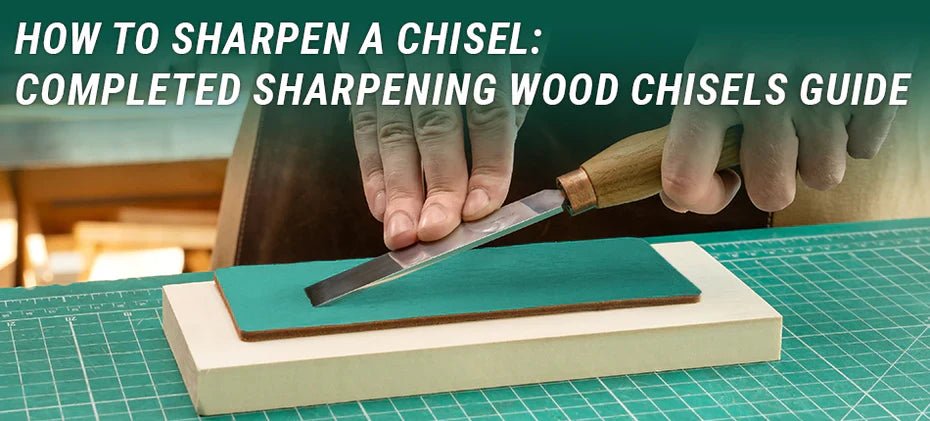
Are you passionate about woodworking or perhaps just starting out with your first set of chisels? Either way, keeping your chisel sets in top-notch condition is crucial for achieving precision and prolonging their lifespan.
Imagine effortlessly crafting your projects with tools that cut like a dream every single time. Sounds appealing, right? In this guide, you’ll discover simple yet effective tips to ensure your chisels remain as sharp and reliable as the day you got them.
Whether you’re a seasoned woodworker or a curious beginner, mastering the art of maintaining your chisel sets will not only enhance your craftsmanship but also save you time and money in the long run. Dive in to unlock the secrets of chisel maintenance and elevate your woodworking skills to the next level.

Credit: daitool.com
Choosing Quality Chisels
Choosing the right chisels is important for good woodworking. Quality chisels last longer and work better.
Good chisels help you make clean cuts and safe work. Learn what to look for before buying.
Types Of Chisels
There are different chisels for different jobs. Choose the type that fits your project needs.
- Bench chisels: Used for general woodworking tasks.
- Paring chisels: Thin blades for fine trimming.
- Mortise chisels: Strong blades for heavy cutting.
- Corner chisels: Make sharp inside corners.
- Skew chisels: Angled blades for detail work.
Materials And Build
Quality chisels use strong steel that holds a sharp edge. Look for good materials to avoid frequent sharpening.
Handles also affect comfort and control. Wood or plastic handles both work well if made solidly.
- High carbon steel is sharp and durable.
- Chrome-vanadium steel resists rust and wear.
- Wood handles offer a classic feel and grip.
- Plastic handles can resist moisture and damage.
Selecting The Right Set
Pick a chisel set that has different sizes. This helps you work on many parts of your projects.
Check if the set includes storage or protective covers. These keep your chisels safe and sharp.
- Choose sets with common sizes like 6mm, 12mm, 18mm, and 25mm.
- Look for sets with well-made handles and blades.
- Consider sets with a storage box or case.
- Buy from brands known for quality tools.
Proper Storage Techniques
Keeping chisel sets in good condition needs careful storage. Proper storage stops damage and keeps tools ready for use.
Follow simple methods to protect your chisels from rust, dullness, and loss. Store them where they stay dry and organized.
Avoiding Moisture Damage
Moisture causes rust and weakens chisel edges. Keep chisels dry to extend their life and performance.
- Store chisels in a dry place away from humidity
- Use silica gel packets or moisture absorbers in storage areas
- Wipe chisels dry after each use before storing
- Apply a light coat of oil on metal parts to prevent rust
Using Protective Cases
Protective cases keep chisels safe from knocks and dust. They also help you carry them easily.
| Case Type | Benefit |
| Wooden Box | Strong and classic protection |
| Plastic Case | Lightweight and easy to clean |
| Roll-Up Pouch | Compact and easy to carry |
| Magnetic Holder | Keeps chisels in place and visible |
Organizing For Easy Access
Good organization saves time and prevents tool damage. Keep chisels arranged by size or use.
- Group chisels by blade width or type
- Label storage spots for quick finding
- Use foam inserts or slots to hold each chisel firmly
- Keep frequently used chisels at the front
Sharpening Essentials
Keeping your chisel sets sharp helps them work better and last longer. Sharpening is key to good woodworking.
This guide covers the tools you need, the right angles, and how to sharpen your chisels step-by-step.
Tools Needed
You need a few basic tools to sharpen your chisels correctly. Using the right tools makes the job easier.
- Sharpening stones (coarse, medium, fine grit)
- Honing guide to keep angle steady
- Lubricant like water or oil
- Leather strop for final polish
- Cloth to clean the chisel
Sharpening Angles
The angle you sharpen your chisel at affects its cutting power and durability. Use the correct angle for your work.
Most chisels sharpen best at a 25 to 30-degree angle. This keeps the edge sharp and strong.
- 25 degrees for soft woods and fine work
- 30 degrees for hard woods and heavy use
Step-by-step Sharpening Process
Follow these steps to sharpen your chisels safely and effectively. Take your time for a clean edge.
- Secure the chisel in the honing guide.
- Soak the sharpening stone if needed.
- Start with coarse grit to fix any nicks.
- Move the chisel back and forth evenly.
- Switch to medium grit for smoothing.
- Finish with fine grit for a sharp edge.
- Use a leather strop to polish the blade.
- Wipe the chisel clean before use.
Maintaining Edge Sharpness
Keeping your chisel edges sharp is key for clean cuts and safety. Sharp edges make woodworking easier and more precise.
Regular care helps your chisels last longer and perform well every time you use them.
Honing Vs Grinding
Honing and grinding both sharpen chisels but serve different purposes. Grinding removes metal quickly to fix damaged edges.
Honing smooths and refines the edge after grinding. It keeps the blade sharp and ready for fine work.
- Grinding is needed for dull or chipped edges
- Honing is for regular maintenance
- Use grinding less often to avoid removing too much metal
- Honing keeps edges sharp between grinding sessions
Using Honing Guides
Honing guides help keep a consistent angle while sharpening. This leads to a better edge and longer tool life.
They hold the chisel steady, making it easier for beginners to hone evenly.
- Attach the guide to the chisel blade
- Set the angle recommended for your chisel
- Move the chisel along the stone evenly
- Check the edge regularly for sharpness
Frequency Of Maintenance
How often you sharpen depends on use and wood type. Softer woods need less frequent sharpening than hard woods.
Check your chisels before each use. Hone lightly to keep edges sharp every few uses.
- Hone after every few hours of work
- Grind only when edges are dull or damaged
- Clean and oil chisels after sharpening
- Store chisels properly to protect edges
Cleaning And Rust Prevention
Keeping chisel sets clean and free from rust helps them last longer. Rust can damage the metal and make tools unsafe.
Regular care makes chisels sharp and ready for use. Cleaning and protecting them is a simple way to keep good results.
Removing Debris
After each use, remove dirt and wood chips from chisels. Use a soft cloth or brush to clean the blade and handle.
- Wipe blades with a dry cloth.
- Use a small brush to get in tight spots.
- Do not use water as it causes rust.
- Check handles for cracks or splinters.
Applying Protective Coatings
Applying oil or wax protects metal parts from rust. A thin layer stops moisture from harming the blade.
| Protective Coating | How to Apply | Benefits |
| Light Machine Oil | Rub a few drops on blade with cloth | Keeps metal shiny and rust-free |
| Paste Wax | Apply thin wax layer, then buff | Creates a strong moisture barrier |
| WD-40 | Spray and wipe excess off | Quick rust prevention for short term |
Storage Environment Tips
Store chisels in a dry place to avoid rust. Use cases or racks that keep tools separate and safe.
- Keep chisels away from damp basements or garages.
- Use silica gel packs to absorb moisture inside toolboxes.
- Check stored chisels regularly for any signs of rust.
- Sharpen blades before storing to prevent dullness.

Credit: daitool.com
Handling And Usage Tips
Chisel sets require careful handling to keep them sharp and safe. Using the right methods helps you work better and longer.
This guide covers how to avoid damage, common mistakes, and safety tips for chisels.
Proper Techniques To Avoid Damage
Always use a wooden or rubber mallet instead of a metal hammer. This prevents dents on the chisel handle.
- Keep the chisel sharp by regularly honing the edge.
- Store chisels in a dry place to avoid rust.
- Use the correct size chisel for each task.
- Do not use chisels as pry bars or screwdrivers.
Avoiding Common Mistakes
Many users damage their chisels by using wrong techniques or tools. Avoid these mistakes for longer tool life.
| Mistake | Problem | Solution |
| Using metal hammer | Damages handle and blade | Use wooden or rubber mallet |
| Cutting on hard surfaces | Dulls blade quickly | Use a cutting board or soft surface |
| Ignoring blade sharpening | Reduces efficiency and safety | Sharpen blade regularly |
| Storing chisels loose | Blade gets damaged or rusts | Store in a protective case |
Safety Practices
Always protect yourself when using chisels. Follow safety rules to avoid injuries.
- Wear safety goggles to protect your eyes.
- Keep your hands behind the cutting edge.
- Work on a stable surface to prevent slips.
- Keep your workspace clean and well-lit.
- Do not apply excessive force to the chisel.

Credit: daitool.com
Frequently Asked Questions
How Often Should I Sharpen My Chisel Sets?
Sharpen your chisels whenever you notice dullness or reduced cutting efficiency. Regular sharpening ensures clean cuts and prolongs tool life. For frequent use, sharpen every few weeks. Light honing between major sharpening sessions helps maintain a sharp edge. Always use proper sharpening stones or systems.
What Is The Best Way To Clean Chisel Sets?
Clean chisels after each use with a dry cloth to remove debris and moisture. For stubborn dirt or resin, use mild soap and water, then dry thoroughly. Apply a light coat of oil to prevent rust. Proper cleaning keeps chisels in optimal condition.
How Should I Store My Chisel Sets Safely?
Store chisels in a protective case or rack to prevent damage and accidents. Keep them dry and away from moisture to avoid rust. Ensure blades are covered or sheathed to protect edges. Organized storage extends the life and safety of your tools.
Can I Use Any Oil To Maintain Chisel Blades?
Use light machine oil or specialized tool oil to protect chisel blades from rust. Avoid thick or sticky oils that can attract dust. Regular oiling after cleaning preserves metal surfaces and keeps blades in good working condition.
Conclusion
Maintaining your chisel sets keeps them sharp and ready to use. Clean them after each job to stop rust and damage. Store chisels in a dry place to protect their edges. Regularly check handles for cracks and tighten loose parts.
Sharpen blades carefully to keep cutting smooth and safe. Following these easy steps saves money and improves your work. Good care makes chisels last longer and perform better every time. Simple habits lead to great results and fewer problems. Keep your tools ready, and your projects will go well.