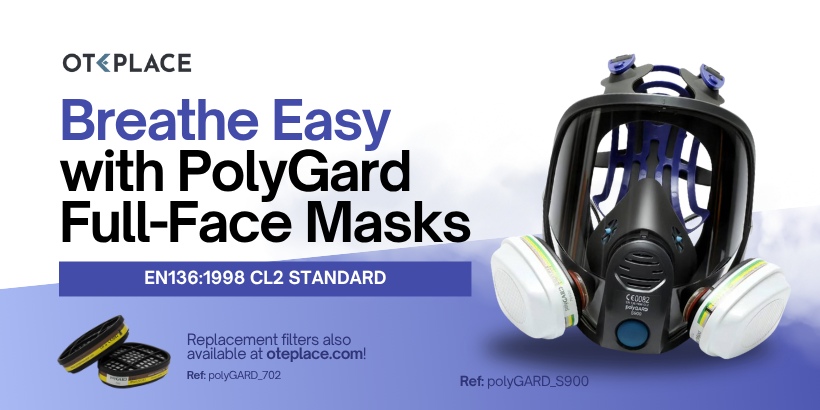
Are you using a face shield daily and wondering how to keep it in top condition? Maintaining your face shield isn’t just about ensuring it looks clean—it’s crucial for your safety.
Proper care helps you see clearly and ensures the shield effectively protects you from harmful elements. In this guide, you’ll discover simple yet effective tips to preserve your face shield’s longevity and functionality. Whether you’re a healthcare worker or someone who values extra protection, this guide is tailored for you.
Stick around, and learn how a few easy steps can make a significant difference in your safety and comfort.
Credit: www1.grousemountain.com
Choosing The Right Face Shield
Face shields protect your face from droplets and splashes. Picking the right one keeps you safe and comfortable.
Look at the materials, fit, and style before you buy a face shield. This guide helps you choose the best option.
Materials And Durability
Face shields come in different materials like plastic and polycarbonate. Choose a material that lasts and stays clear.
- Polycarbonate is strong and scratch-resistant.
- Acetate offers good clarity but may scratch easily.
- Plastic shields are cheap but can wear out fast.
- Look for shields with anti-fog coating for better vision.
Comfort And Fit
A face shield must fit well to protect you fully. Comfort helps you wear it longer without trouble.
| Feature | What to Look For |
| Headband | Adjustable and cushioned for comfort |
| Shield Size | Wide enough to cover face edges |
| Weight | Lightweight to avoid strain |
| Ventilation | Good airflow to reduce heat |
Types Of Face Shields
Face shields come in many styles. Choose one that fits your needs and daily tasks.
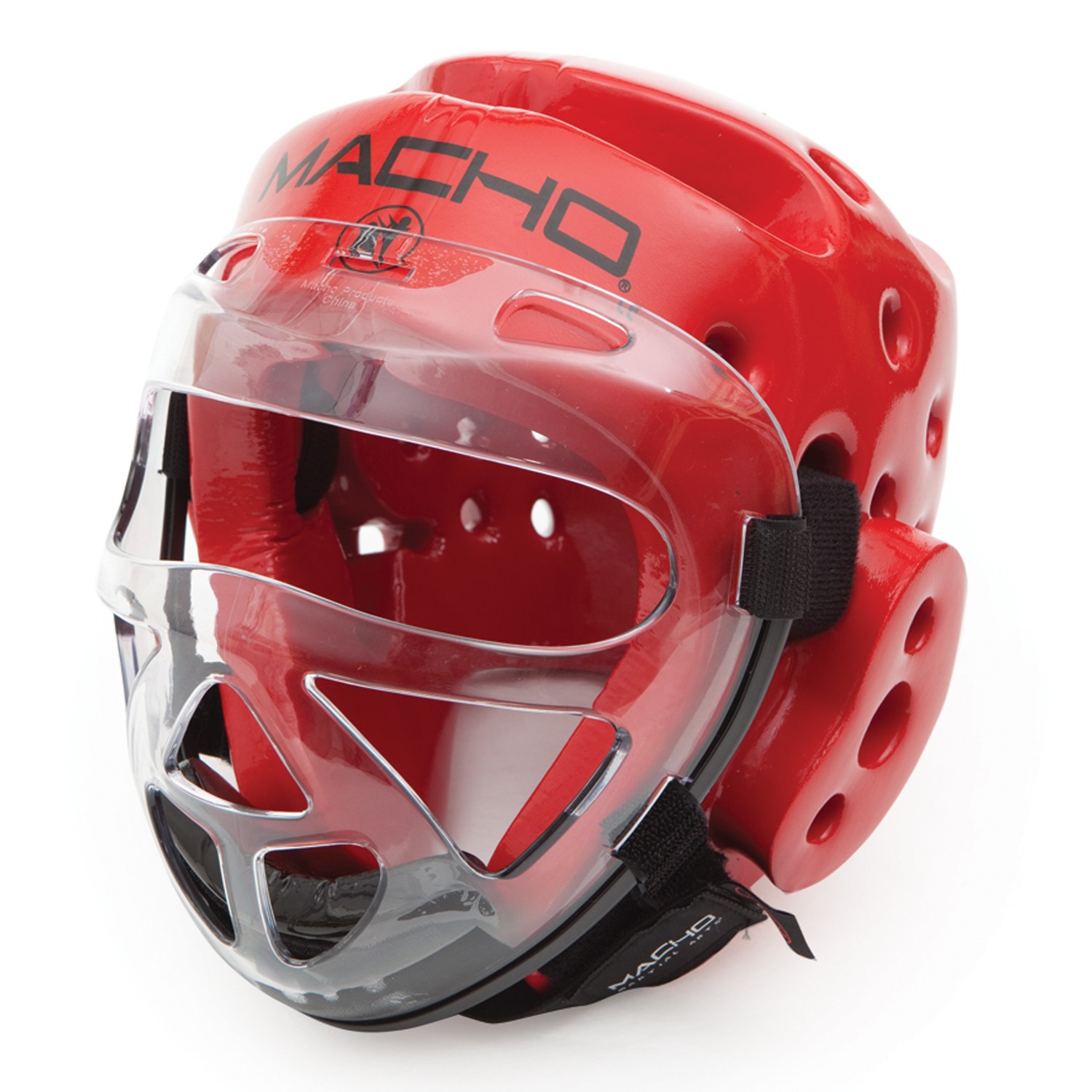
- Full face shields cover from forehead to below the chin.
- Half shields protect the eyes and nose only.
- Disposable shields are for one-time use and easy to replace.
- Reusable shields can be cleaned and worn many times.
Credit: www.foodengineeringmag.com
Cleaning Techniques
Face shields protect your face from splashes and droplets. Keeping them clean is very important. Proper cleaning helps keep them clear and safe to use.
This guide explains how to clean face shields safely. Follow these steps to keep your shield in good condition.
Safe Cleaning Solutions
Use gentle cleaning solutions to avoid damage. Harsh chemicals can make the shield cloudy or cracked. Mild soap and water work well for cleaning.
- Use warm water with mild dish soap
- Isopropyl alcohol 70% can disinfect without harm
- Avoid bleach and ammonia cleaners
- Do not use abrasive cleaners or pads
Step-by-step Cleaning Process
Clean your face shield carefully to keep it clear and safe. Follow these steps to clean it well.
- Remove the shield from your head
- Rinse with warm water to remove dust
- Apply mild soap with a soft cloth or sponge
- Gently wipe the entire shield surface
- Rinse with clean warm water
- Dry with a soft, lint-free cloth
- Allow it to air dry before reuse
Avoiding Damage During Cleaning
Face shields can get scratched or damaged easily. Use care to keep the shield clear and strong.
- Do not scrub hard or use rough cloths
- Avoid using strong chemicals like bleach
- Keep shield away from heat and direct sunlight
- Store shield in a clean, dry place
- Handle edges gently to avoid cracks
Proper Storage Methods
Keeping face shields safe needs good storage habits. Storing them right helps them last longer.
Proper storage prevents damage like scratches and warping. It also keeps shields clean and ready.
Protecting From Scratches
Scratches can make face shields hard to see through. Avoid placing shields on rough or dirty surfaces.
Use soft cloth or covers to shield the surface from contact with sharp objects.
- Store face shields in soft pouches or cloth bags.
- Keep shields separate from keys or tools.
- Handle shields with clean hands to avoid grime.
Ideal Storage Conditions
Face shields last longer if stored in cool, dry places. Avoid heat and direct sunlight that can warp or fade shields.
Keep shields away from chemicals or sprays that may damage the plastic.
- Choose a flat surface to prevent bending.
- Store shields in a dust-free container.
- Use a clean, soft cloth to cover the shield.
Travel And Portable Storage Tips
When traveling, protect face shields from bumps and pressure. Use cases designed for shields or soft bags.
Keep shields separate from other items to avoid damage while on the move.
- Use a hard or padded case for better protection.
- Place shields between soft cloth layers in bags.
- Carry shields in a dedicated compartment to avoid crushing.

Credit: www.yesmadam.com
Handling And Usage Tips
Face shields protect your face from sprays and droplets. Using them right keeps you safe and comfortable.
Learn how to wear and handle face shields properly. Follow these tips to keep your shield effective.
Correct Wearing Practices
Place the shield so it covers your entire face. Make sure it fits snugly but not too tight.
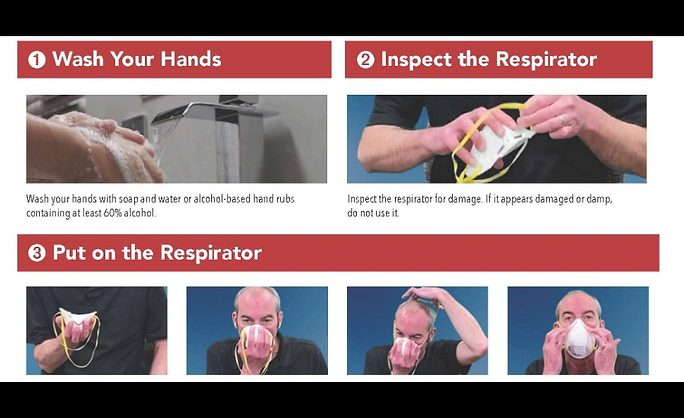
- Clean your hands before putting on the shield.
- Adjust the headband for a secure fit.
- Check the shield for cracks or dirt before use.
- Wear the shield over other protective gear if needed.
Avoiding Common Mistakes
Many people make errors that reduce face shield safety. Avoid these to stay protected.
| Common Mistake | Why to Avoid |
| Touching the front of the shield | Can transfer germs to your hands |
| Not cleaning the shield regularly | Dirt blocks vision and harbor germs |
| Wearing the shield too high or low | Leaves parts of face exposed |
| Sharing shields without cleaning | Spreads infections between users |
Extending Shield Lifespan
Proper care helps your face shield last longer. Clean and store it correctly.
- Use mild soap and water to clean the shield.
- Dry with a soft cloth to avoid scratches.
- Store in a cool, dry place away from sunlight.
- Replace the shield if it becomes cracked or cloudy.
When To Replace Face Shields
Face shields protect your face from splashes, sprays, and droplets. It is important to know when to replace them to keep safe.
Replacing face shields at the right time ensures they work well and keep you protected.
Signs Of Wear And Tear
Look closely at your face shield for cracks, scratches, or cloudiness. These signs show it may not protect you properly.
Straps or headbands that are loose or broken also mean you need a new shield.
- Cracks or breaks on the shield surface
- Scratches that block your view
- Cloudy or foggy plastic
- Damaged or loose straps
Impact On Protection
Damaged face shields do not block droplets well. This increases the chance of germs reaching your face.
A worn shield may also cause discomfort, making you less likely to wear it properly.
- Reduced barrier against splashes and sprays
- Poor visibility can cause accidents
- Unstable fit lowers protection
- Discomfort may lead to improper use
Disposal Recommendations
Throw away face shields that are cracked, scratched, or broken. Dispose of them safely to avoid contamination.
Check if your local area has specific rules for disposing of plastic safety gear.
- Do not try to repair heavily damaged shields
- Place used shields in a sealed bag before disposal
- Follow local waste guidelines for plastics
- Consider recycling if possible and safe
Frequently Asked Questions
How Often Should I Clean My Face Shield?
Clean your face shield after each use or daily if worn longer. Use mild soap and water or disinfectant wipes. Avoid abrasive cleaners that can scratch the surface. Proper cleaning maintains clarity and hygiene, ensuring effective protection.
What Is The Best Way To Store Face Shields?
Store face shields in a clean, dry place away from direct sunlight. Use a protective case or a soft cloth to avoid scratches. Proper storage prevents damage and prolongs the shield’s lifespan.
Can I Reuse Disposable Face Shields Safely?
Disposable face shields are designed for one-time use. Reusing them may reduce protection and increase contamination risk. If necessary, clean gently and inspect for damage before reuse, but replacing is recommended.
How Do I Prevent Fogging On Face Shields?
Apply anti-fog sprays or wipes designed for face shields. Ensure proper ventilation and avoid touching the inside surface. Cleaning regularly also helps reduce fog buildup and maintains clear visibility.
Conclusion
Maintaining face shields keeps them clear and safe to use. Clean them often with mild soap and water. Store shields in a dry, dust-free place. Avoid harsh chemicals that can damage the surface. Replace shields when scratches or cracks appear.
Proper care helps protect your face every day. Simple steps make a big difference in safety. Stay consistent, and your face shield will last longer. Keep your shield ready for any situation. Safety starts with good maintenance habits.