Are your jigsaw blades not cutting as smoothly as they once did? If you’ve ever found yourself frustrated with jagged edges or struggling to make precise cuts, you’re not alone.
The secret to mastering your DIY projects often lies in the care you give to your tools. Proper maintenance of jigsaw blades can not only extend their lifespan but also ensure that your projects turn out just the way you envisioned.
Imagine the satisfaction of cutting through materials like butter, with every piece fitting perfectly into place. By the end of this guide, you’ll have the know-how to keep your jigsaw blades in tip-top shape, turning your crafting frustrations into triumphs. Ready to discover how a little maintenance can make a big difference? Let’s dive in!
Credit: www.housedigest.com
Choosing The Right Blade
Picking the right jigsaw blade is key for smooth and safe cuts. The blade affects how well you cut different materials.
Knowing the right blade helps you finish your project faster and keeps the blade from wearing out quickly.
Types Of Jigsaw Blades
Jigsaw blades come in various shapes and tooth designs. Each type fits different cutting jobs.
- Standard blades are for straight cuts in wood and plastic.
- Scroll blades have fine teeth for curved and detailed cuts.
- Metal-cutting blades are made to slice through metal cleanly.
- Specialty blades cut materials like ceramic or laminate.
Material Compatibility
Blades are made from different materials to match what you cut. Using the right blade keeps your work neat.
- High-carbon steel blades work well for softwood and plastic.
- Bi-metal blades last longer and cut metal and hardwood.
- Tungsten carbide blades are best for tough materials like tile.
- Diamond-grit blades are ideal for cutting stone and glass.
Blade Size And Tpi
Blade size and teeth per inch (TPI) affect the cut speed and smoothness. Choose blades that fit your jigsaw and task.
| Blade Size | Best For | TPI (Teeth per Inch) | Effect |
|---|---|---|---|
| Short Blades | Thin materials | 10-20 TPI | Smoother, slower cuts |
| Long Blades | Thicker materials | 6-10 TPI | Faster, rougher cuts |
| High TPI | Metal and fine cuts | 20+ TPI | Very smooth cuts, slower |
| Low TPI | Wood and fast cuts | 6-10 TPI | Rougher cuts, faster |
Proper Installation Techniques
Installing jigsaw blades correctly helps you cut safely and accurately. It keeps the blade steady during work.
Follow simple steps to install blades right. This guide covers how to secure and align blades well.
Securing The Blade
Always make sure the blade is tight in the jigsaw before use. Loose blades can cause poor cuts and accidents.
Check the blade holder or clamp. Tighten it firmly so the blade does not move during cutting.
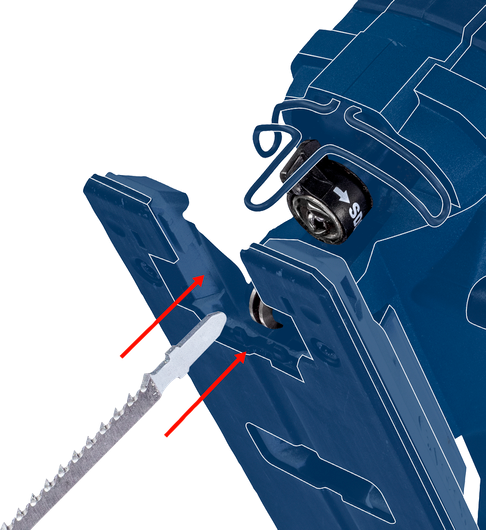
- Turn off and unplug the jigsaw first.
- Insert the blade into the holder fully.
- Use the tool or lever to lock the blade in place.
- Give the blade a gentle pull to test if it is secure.
Aligning For Accuracy
Align the blade straight with the jigsaw base for clean cuts. Misaligned blades cause uneven edges.
Look at the blade from the front and side. Adjust it to be perfectly vertical and centered.
- Place the blade straight into the guide slot.
- Check the blade does not lean left or right.
- Make sure the blade’s teeth face the correct cutting direction.
- Tighten the holder without moving the blade.
Blade Cleaning Methods
Keeping your jigsaw blades clean is important for good cutting performance. Dirt and resin buildup can make the blade dull and slow.
This guide explains safe ways to clean blades and remove sticky debris.
Removing Resin And Debris
Resin and debris collect on blades after cutting wood or other materials. Removing these helps the blade cut smoothly and last longer.
- Use a stiff brush to scrub the blade gently.
- Soak the blade in warm, soapy water for a few minutes.
- Wipe the blade dry with a clean cloth to prevent rust.
- Repeat cleaning after each heavy use to avoid buildup.
Using Solvents Safely
Solvents can help dissolve tough resin on blades. Use them carefully to protect your skin and work area.
| Solvent Type | Use Instructions | Safety Tips |
| Isopropyl Alcohol | Soak blade for 5 minutes, then wipe. | Use gloves and work in a ventilated area. |
| Mineral Spirits | Apply with cloth, avoid soaking. | Keep away from flames and wear protective gloves. |
| Commercial Blade Cleaner | Follow product instructions carefully. | Store safely and avoid inhaling fumes. |
Credit: www.gz-supplies.com
Sharpening Jigsaw Blades
Jigsaw blades get dull after cutting many materials. Sharp blades make clean cuts and work faster. Sharpening extends the blade’s life and saves money.
Sharpening jigsaw blades is easy with the right tools and steps. This guide helps you keep your blades sharp and ready to use.
Tools For Sharpening
You need a few simple tools to sharpen jigsaw blades at home. These tools help you work safely and sharpen the teeth evenly.
- A small flat file or diamond file for sharpening the teeth
- A clamp or vise to hold the blade steady
- Safety gloves to protect your hands
- Magnifying glass to see the blade teeth clearly
- A brush to clean metal dust from the blade
Step-by-step Sharpening Process
Follow these steps to sharpen your jigsaw blades safely and correctly. Take your time and check the blade often.
- Secure the jigsaw blade in a clamp or vise to keep it steady.
- Put on safety gloves to avoid cuts.
- Use a magnifying glass to examine each tooth on the blade.
- Take the small file and carefully run it along the front edge of each tooth.
- Keep the file angle the same as the original tooth angle for best results.
- File each tooth the same number of times to keep them even.
- Brush off metal dust from the blade with a small brush.
- Check the blade for sharpness by lightly touching the teeth or testing on scrap wood.
- Repeat sharpening if needed until the blade cuts smoothly.
Storage And Handling Tips
Jigsaw blades need good care to last longer and work well. Proper storage and handling keep them sharp and safe.
This guide helps you store and handle your blades correctly. Follow these tips to avoid damage and problems.
Preventing Rust
Rust can ruin jigsaw blades and make cutting hard. Keep blades dry and clean to stop rust from forming.
Wipe blades with a dry cloth after use. Avoid leaving them in damp places or outside.
- Use a cloth to remove moisture and dirt
- Store blades in a dry container or box
- Add silica gel packs to absorb moisture
- Apply a light coat of oil for extra protection
Organizing Blades
Organize blades by size and type for easy access. This saves time and prevents damage from mixing blades.
Use blade holders or small boxes to keep blades separate. Label containers to find the right blade quickly.
- Group blades by tooth size and material
- Keep blades in original packaging if possible
- Use magnetic strips or blade cases for storage
- Check blades regularly and remove old or damaged ones
Signs Of Blade Wear
Jigsaw blades wear out over time and use. Knowing the signs helps you keep cuts clean and safe.
Worn blades can cause poor cuts and damage your project. Watch for these signs to replace blades in time.
Reduced Cutting Performance
A worn blade cuts slower and less smoothly. You may need more force to push the blade through wood or other material.
The cut edges become rough or jagged instead of clean. This shows the blade teeth are dull or damaged.
- Cuts take longer than usual
- Blade sticks or binds during cutting
- Edges of cuts look rough or splintered
- More effort is needed to cut
Visual Damage Indicators
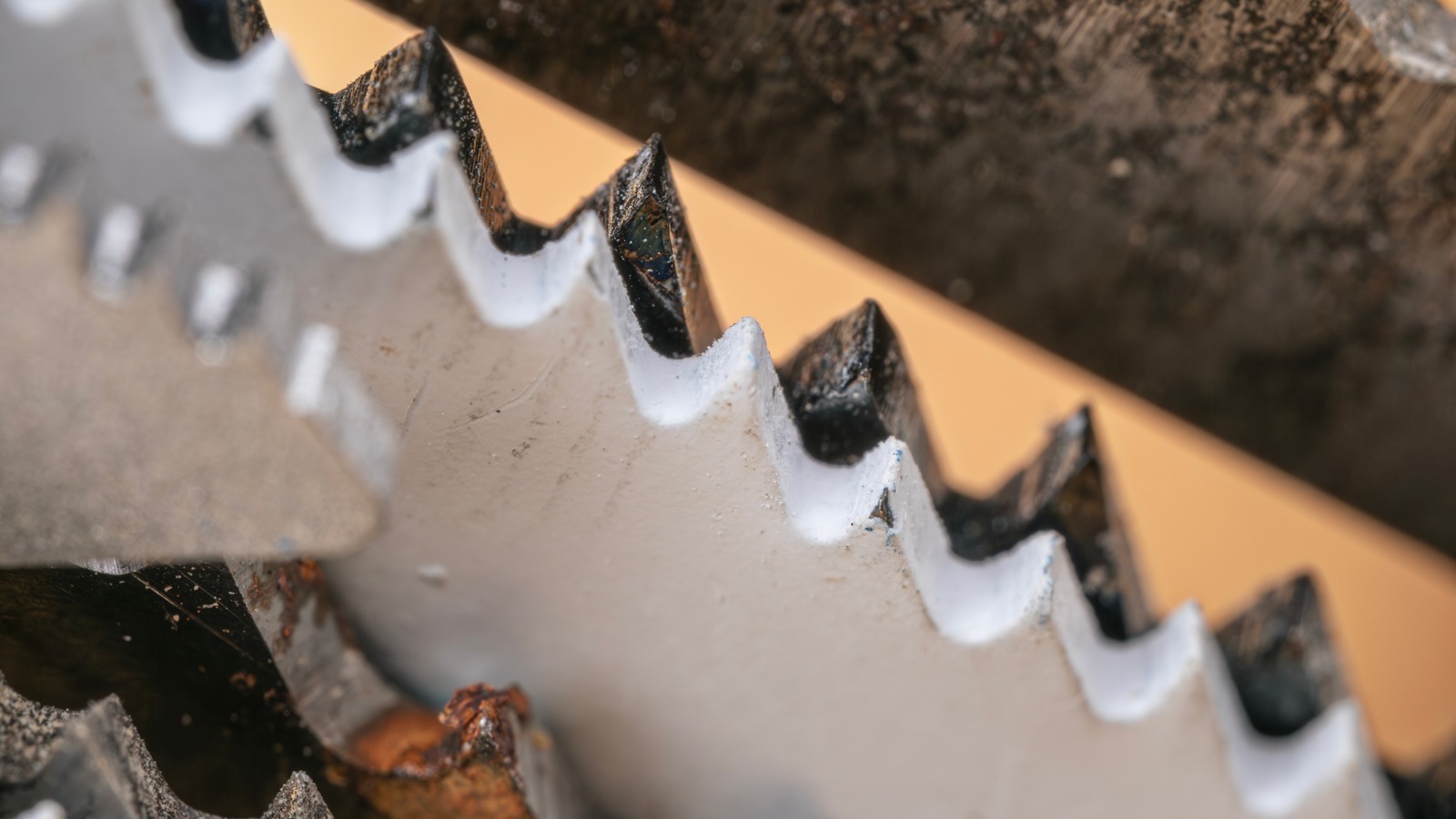
Look closely at the blade for visible signs of damage. Cracks, missing teeth, or bends mean the blade is worn out.
Rust or discoloration can also reduce blade life and cutting quality. A clean, sharp blade cuts best.
- Broken or missing teeth on the blade edge
- Blade is bent or warped
- Surface cracks or chips on the blade
- Rust spots or discoloration on the blade
Extending Blade Lifespan
Jigsaw blades wear out faster without care. Using the right methods can help them last longer. This guide covers key tips to keep your blades sharp and effective.
Following simple cutting and handling practices reduces damage. Protect your investment and improve cutting results by extending blade life.
Proper Cutting Techniques
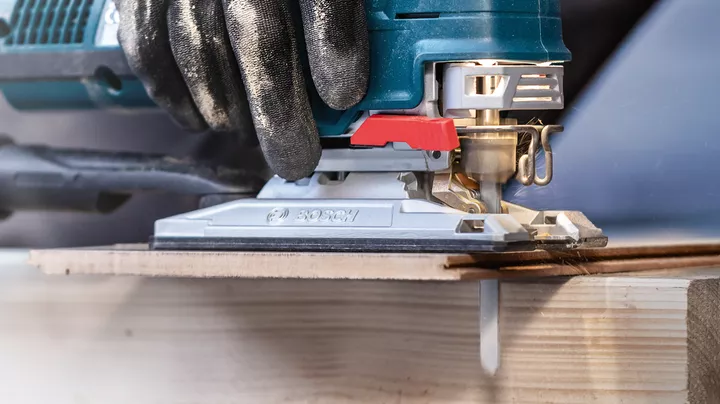
Cutting correctly lowers blade wear. Always use the right blade for your material and avoid forcing the cut. Let the blade do the work.
- Choose a blade designed for the material you cut.
- Keep a steady speed; do not rush the cut.
- Support the material well to reduce vibration.
- Make straight cuts to avoid bending the blade.
- Replace dull blades promptly to prevent damage.
Avoiding Overheating
Heat weakens blades and dulls edges. Avoid overheating by controlling speed and taking breaks during long cuts.
| Cause | Effect | Prevention |
| High cutting speed | Blade heats up quickly | Use steady, moderate speed |
| Excessive pressure | Blade bends or dulls | Apply gentle, even pressure |
| Continuous cutting | Blade temperature rises | Pause to cool blade regularly |
Credit: www.bosch-professional.com
Frequently Asked Questions
How Often Should I Clean Jigsaw Blades?
Clean jigsaw blades after every use to remove debris and resin buildup. This prevents dulling and rust, extending blade life. Use a soft brush or cloth with mild solvent. Regular cleaning ensures smooth, accurate cuts and reduces motor strain.
What Is The Best Way To Sharpen Jigsaw Blades?
Sharpen jigsaw blades carefully using a fine diamond file or sharpening stone. Follow the original tooth angle and use light, even strokes. Sharpen only if blades are high-quality and designed for resharpening. Proper sharpening restores cutting efficiency and prolongs blade use.
How Can I Prevent Jigsaw Blades From Dulling Quickly?
Avoid cutting materials harder than the blade’s rating. Use correct speed and pressure to reduce wear. Regularly clean blades and store them dry to prevent rust. Using quality blades designed for your material also helps maintain sharpness longer.
When Should I Replace Jigsaw Blades?
Replace blades when they show signs of wear like dullness, chipping, or bending. If cuts become rough or slow, it’s time to change the blade. Using worn blades risks damaging material and the jigsaw itself.
Conclusion
Maintaining jigsaw blades keeps your cuts clean and precise. Regular cleaning stops rust and wear. Sharpen dull blades to save money and time. Store blades in a dry place to avoid damage. Check blades before each use for safety. Small efforts help your tools last longer.
Keep blades sharp and clean for better work. Simple care makes a big difference in results. Follow these tips for smooth and easy cutting. Your jigsaw blades will serve you well.