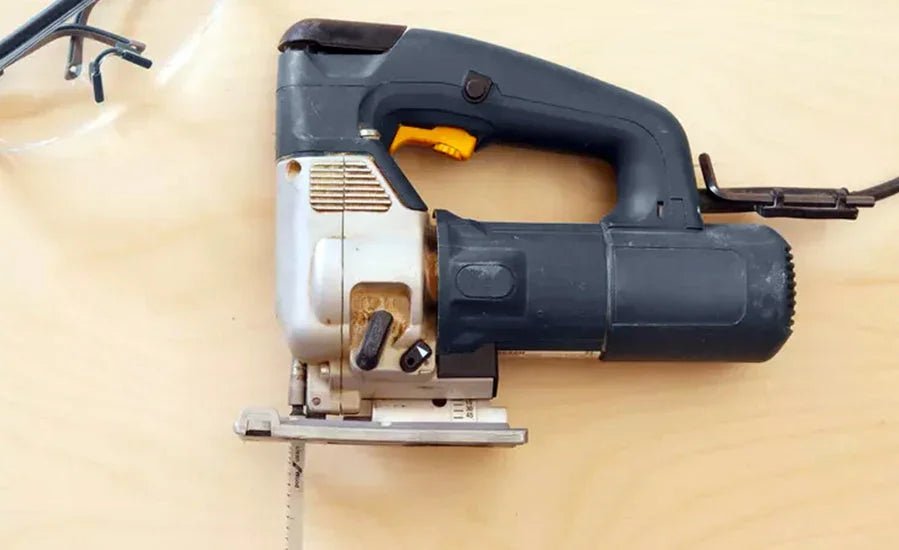
Your jigsaw motor is the heart of your tool. Without it running smoothly, your work can come to a frustrating halt.
But keeping your motor in top shape doesn’t have to be difficult or time-consuming. Imagine finishing every project without worrying about sudden breakdowns or costly repairs. In this guide, you’ll discover simple, effective ways to maintain your jigsaw motor so it stays powerful and reliable for years.
Ready to unlock the secrets that can save you time and money? Let’s dive in and make sure your jigsaw motor never lets you down.

Credit: www.gz-supplies.com
Choosing The Right Jigsaw Motor
Choosing the right motor for your jigsaw is important. It affects the tool’s power and performance.
This guide helps you understand which motor fits your needs best. It covers types, project matching, and energy use.
Types Of Motors Available
Jigsaw motors come in two main types: brushed and brushless. Each type has different features and uses.
- Brushed Motors:These are common and cost less. They need more maintenance as brushes wear out.
- Brushless Motors:These last longer and run cooler. They need less maintenance and save energy.
Matching Motor To Project Needs
Choose a motor based on the type of work you plan to do. Different projects require different motor strengths.
| Project Type | Recommended Motor | Reason |
| Light wood cutting | Brushed motor | Good power for simple tasks |
| Metal cutting | Brushless motor | Runs cooler and lasts longer |
| Heavy-duty projects | Brushless motor | Higher efficiency and power |
Energy Efficiency Considerations
Energy efficiency helps save power and reduce heat during use. Brushless motors use less energy.
- Brushless motors have better control and less friction.
- They increase battery life for cordless jigsaws.
- Lower energy use means less wear on the motor parts.
Credit: www.gz-supplies.com
Routine Cleaning Practices
Keeping your Jigsaw Motors clean helps them work better and last longer. Dirt and dust can cause problems if not removed regularly.
Follow simple cleaning steps to keep your motor in good shape. Regular care prevents damage and improves performance.
Removing Dust And Debris
Dust and debris can build up on the motor’s surface. Use a soft brush or cloth to remove them gently.
Do not use water or harsh chemicals. These can damage the motor parts and cause rust or short circuits.
- Turn off and unplug the motor before cleaning.
- Use a dry, soft brush for dust on crevices.
- Wipe the outer surface with a dry cloth.
- Clean the motor regularly to avoid heavy buildup.
Cleaning Air Vents
Air vents keep the motor cool during use. Dust inside vents can block airflow and cause overheating.
Use compressed air or a small brush to clear dust from vents. Keep the vents open and clean for better cooling.
- Switch off and unplug before cleaning vents.
- Blow compressed air gently into vents.
- Use a small brush to remove stubborn dust.
- Check vents often for blockages.
Proper Storage Tips
Store your Jigsaw Motors in a clean, dry place. Avoid moisture and dust to prevent rust and damage.
Cover the motor with a cloth or plastic when not in use. Keep it away from direct sunlight and extreme temperatures.
- Choose a dry, cool storage area.
- Cover the motor to protect from dust.
- Keep away from water or damp areas.
- Do not store near heat sources.
Lubrication And Component Care
Keeping your Jigsaw Motors in good shape helps them last longer. Lubrication and caring for parts are key tasks.
Regular checks and simple maintenance keep the motor running smoothly. This guide covers important care steps.
Lubricating Moving Parts
Moving parts in your Jigsaw Motor need regular lubrication. This reduces friction and prevents wear.
Use a light machine oil and apply it to gears, shafts, and other moving areas. Avoid over-lubrication.
- Clean parts before applying oil
- Use a small amount of lubricant
- Lubricate after every 10 hours of use
- Wipe off excess oil to prevent dust buildup
Checking Bearings And Brushes
Bearings and brushes wear down from use. Check them often to avoid motor problems.
Look for noise or rough spinning in bearings. Check brushes for wear or cracks and replace if needed.
- Spin bearings to listen for noise
- Inspect brushes for wear marks
- Replace brushes if they are shorter than 1/4 inch
- Clean bearing areas to remove dirt
Replacing Worn Components
Replace any worn parts to keep your motor running well. Worn parts reduce efficiency and cause damage.
Use parts made for your motor model. Replace gears, bearings, and brushes as soon as they show wear.
- Turn off power before replacing parts
- Match replacement parts to the model number
- Use correct tools to avoid damage
- Test motor after part replacement
Electrical Maintenance Tips
Keeping your jigsaw motor in good shape means checking its electrical parts. This helps your tool work safely and last longer.
Simple checks and care can stop problems before they start. Follow these tips to keep the motor’s electrical system reliable.
Inspecting Power Cords
Look over power cords often. Find cuts, cracks, or worn spots. These can cause shocks or stop the motor from running.
- Unplug the cord before checking.
- Check the entire length carefully.
- Replace cords with visible damage.
- Keep cords dry and away from heat.
Testing Switches And Connections
Switches and connections control the motor’s power. Test them to find loose or broken parts that can cause failure.
| Test Type | What to Do | Signs of Trouble |
|---|---|---|
| Switch Test | Turn the switch on and off several times. | Clicking sound or no power means repair needed. |
| Connection Check | Look inside for loose wires or corrosion. | Sparks, burning smell, or poor contact. |
Avoiding Electrical Overloads
Electrical overloads can harm your jigsaw motor. Use the right power source and do not plug too many tools into one outlet.
- Check the motor’s voltage rating before use.
- Use a dedicated circuit for heavy tools.
- Do not use extension cords with small gauges.
- Turn off the motor before unplugging.
Troubleshooting Common Issues
Jigsaw motors can face common problems during use. Fixing these issues helps keep your tool working well.
This guide covers simple ways to solve motor overheating, strange noises, and power loss.
Motor Overheating Solutions
Motors get hot if they run too long or face heavy loads. Overheating can damage the motor parts.
To cool the motor, stop work and let it rest. Check for blocked vents and clean them.
- Turn off the motor when not in use
- Keep air vents clear from dust
- Use the motor within its recommended limits
- Check for worn brushes or bearings
Unusual Noises And Vibrations
Strange sounds or shaking mean parts may be loose or damaged. This can reduce motor life.
Inspect the motor for loose screws or worn parts. Tighten or replace parts as needed.
- Check mounting bolts and screws
- Look for damaged bearings or brushes
- Clean debris inside the motor housing
- Balance the motor if vibrations persist
Power Loss And Performance Drops
If the motor loses power or slows down, dirt or worn parts may be the cause.
Clean the motor regularly. Replace brushes and check the power supply for issues.
- Clean dust and debris from the motor
- Replace worn brushes promptly
- Inspect power cords and connections
- Check for proper voltage supply

Credit: www.findbuytool.com
Enhancing Motor Longevity
Jigsaw motors last longer with the right care and attention. Maintaining these motors helps avoid breakdowns and costly repairs.
This guide covers key ways to keep your jigsaw motor working well over time.
Proper Usage Techniques
Use your jigsaw motor according to the manual. Avoid forcing the tool beyond its limits. Let the motor cool down during long jobs.
- Operate at recommended speeds
- Do not overload the motor
- Use the correct blade for each material
- Turn off the motor before changing blades
Regular Inspection Schedules
Check your motor often for signs of wear or damage. Regular inspections catch problems early. Keep the motor clean and dry.
| Inspection Item | Check Frequency | Action if Needed |
| Brushes | Monthly | Replace if worn |
| Bearings | Every 3 months | Lubricate or replace |
| Wiring | Monthly | Repair any damage |
| Cooling Vents | Monthly | Clean from dust |
Upgrading Parts For Better Performance
Replacing worn parts can improve motor life and work quality. Choose parts made for your jigsaw model. Upgrade to stronger materials if available.
- High-quality carbon brushes
- Sealed ball bearings
- Improved cooling fans
- Durable motor housing
Frequently Asked Questions
How Often Should You Maintain Jigsaw Motors?
Regular maintenance of jigsaw motors is essential every 3 to 6 months. This ensures optimal performance and longevity. Check for dust buildup, inspect the blades, and lubricate moving parts. Regular maintenance helps prevent unexpected breakdowns and costly repairs.
What Tools Are Needed For Jigsaw Motor Maintenance?
Essential tools include a screwdriver, cleaning brush, and lubricant. These tools help in disassembling, cleaning, and lubricating the motor components. Keeping these tools handy makes the maintenance process efficient and straightforward.
Why Is Cleaning Jigsaw Motors Important?
Cleaning removes dust and debris that can hinder motor efficiency. Accumulated dirt can cause overheating and wear. Regular cleaning ensures smooth operation and extends the motor’s lifespan. It also prevents unexpected malfunctions during critical tasks.
How To Lubricate Jigsaw Motors Correctly?
Use a quality lubricant specifically for power tools. Apply it sparingly to moving parts. Avoid excess to prevent attracting dust. Lubrication ensures smooth operation and reduces friction-related wear. Always refer to the manufacturer’s guidelines for specific lubrication instructions.
Conclusion
Maintaining your jigsaw motor keeps it running smooth and strong. Clean it often to avoid dust and dirt build-up. Check wires and connections for any signs of wear. Use the right lubricant to reduce friction and heat. Regular care helps your tool last longer and work better.
Small actions now save you from big problems later. Keep your jigsaw motor in good shape. Enjoy safer and easier cutting every time. Simple steps lead to great results.
