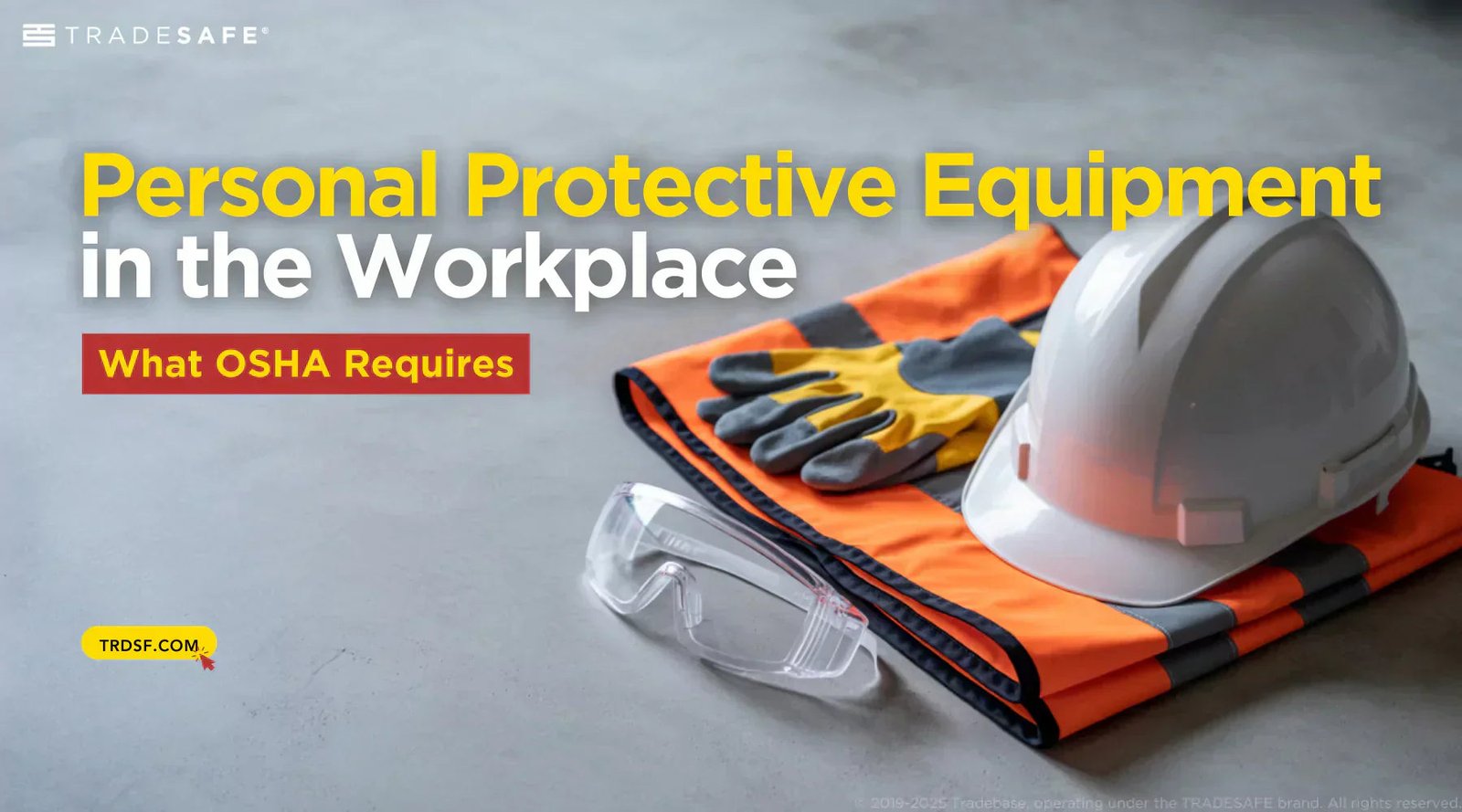
Your protective clothing is more than just gear—it’s your first line of defense against hazards. If you want to keep it working at its best, proper care is a must.
But how do you make sure your protective clothing stays strong, clean, and reliable? This guide will walk you through simple, effective steps to maintain your gear. By following these tips, you’ll extend the life of your clothing and keep yourself safer every time you use it.
Ready to protect what protects you? Let’s dive in.

Credit: bulletproofzone.com
Choosing The Right Protective Clothing
Protective clothing keeps workers safe from hazards. Choosing the right type helps prevent injuries.
It is important to pick clothing that fits the job and the environment well.
Materials And Fabrics
Protective clothing uses different materials for safety and comfort. Some fabrics resist fire or chemicals.
Common fabrics include cotton, polyester, and special blends. Each has its own strength and weakness.
- Cotton: breathable and comfortable but less resistant to flames
- Polyester: strong and durable but can melt at high heat
- Nomex: flame-resistant and used in firefighting gear
- Kevlar: cut-resistant and used in gloves and vests
Purpose And Use Cases
Choose protective clothing based on the work task and hazards. Different jobs need different protection.
Some clothes protect against heat, others guard from chemicals or sharp objects.
- Fire-resistant clothing for firefighters and welders
- Chemical-resistant suits for lab and cleaning staff
- Cut-resistant gloves for metal and glass workers
- High-visibility clothing for road and construction workers
Fit And Comfort
Protective clothing must fit well to allow free movement. Tight or loose clothes can cause accidents.
Comfort helps workers wear protective gear longer without issues. Look for adjustable features and soft linings.
- Proper sizing reduces risk of tripping or snagging
- Breathable fabrics prevent overheating
- Elastic bands and adjustable straps improve fit
- Padded areas increase comfort in high-wear spots

Credit: www.esedirect.co.uk
Proper Cleaning Techniques
Protective clothing keeps you safe in tough conditions. Cleaning it the right way helps keep its strength.
Use careful cleaning steps to stop damage. This guide covers how to wash, avoid harm, and dry your gear.
Washing Instructions
Always check the label on your clothing for washing rules. Use mild detergents and cold water to keep fabric safe.
Do not use bleach or fabric softeners. These chemicals can weaken protective fibers and reduce safety.
- Use gentle cycle on the washing machine
- Turn clothing inside out before washing
- Wash protective clothing separately from regular clothes
- Use a mild, non-bleach detergent
- Rinse thoroughly to remove all soap
Avoiding Damage
Protective clothing can lose its power if damaged. Avoid sharp objects and rough surfaces during cleaning.
Do not iron or use high heat on these clothes. Heat can melt or break down fibers, making them unsafe.
- Do not use bleach or harsh chemicals
- Do not iron or dry clean
- Handle with care to avoid tears or holes
- Inspect clothing for damage before and after washing
- Store in a clean, dry place away from sunlight
Drying Methods
Air drying is best for protective clothing. Lay items flat or hang them in shade to keep shape and strength.
Avoid using a dryer or direct sun. Heat and sunlight can cause shrinking or fabric damage.
- Air dry in a cool, shaded area
- Do not use a tumble dryer
- Do not dry in direct sunlight
- Ensure clothing is fully dry before storing
Storage Best Practices
Proper storage of protective clothing keeps it safe and ready to use. It helps extend the life of the gear and keeps workers safe.
Understanding the right ways to store protective clothing is important. This guide covers ideal conditions, contamination prevention, and organizing tips.
Ideal Storage Conditions
Store protective clothing in a clean, dry, and cool place. Avoid areas with direct sunlight or high humidity. This prevents damage and material breakdown.
- Keep temperature between 50°F and 77°F (10°C to 25°C)
- Use well-ventilated rooms to avoid moisture buildup
- Store away from chemicals and sharp objects
- Use hangers or shelves to keep items off the floor
- Protect from dust with covers or sealed containers
Preventing Contamination
Contamination can reduce the safety of protective clothing. Proper handling and storage prevent exposure to dirt, chemicals, and biological agents.
| Contamination Source | Prevention Method |
| Dust and dirt | Store in sealed bags or containers |
| Oil and chemicals | Keep away from storage areas with spills |
| Biological agents | Clean gear before storing and use gloves when handling |
| Cross-contamination | Separate clean and used clothing in storage |
Organizing Protective Gear
Organizing protective clothing makes it easy to find and use. It also prevents damage from overcrowding or folding.
Try these organizing tips:
- Label storage areas by type of gear
- Use hooks or hangers for suits and jackets
- Fold smaller items neatly on shelves
- Keep frequently used gear within easy reach
- Inspect and replace damaged storage containers regularly
Regular Inspection And Repairs
Protective clothing keeps you safe from hazards. To stay effective, it needs regular checks and fixes.
Inspecting your gear often helps spot small issues before they grow. Fixing minor problems saves money and extends use.
Identifying Wear And Tear
Look closely at your clothing for signs of damage. Check areas that face more stress like seams and edges.
Common signs include holes, frayed fabric, loose threads, and worn-out parts. Also watch for stains or burns.
- Holes or tears in fabric
- Frayed or loose threads
- Faded or stained areas
- Worn-out seams or fasteners
- Burns or chemical marks
Minor Repairs At Home
Small repairs keep your clothing safe and usable. You can fix some problems at home easily with basic tools.
Sew holes with strong thread. Replace missing buttons or snaps. Use fabric glue for small tears. Clean stains quickly.
- Sew holes and loose seams
- Replace buttons and snaps
- Use fabric glue for small tears
- Clean stains with mild soap
- Check repairs before each use
When To Replace
Protective clothing must be replaced if damage affects safety. Do not use gear with large holes or broken parts.
Replace clothing if repairs do not hold or if the material loses its protective quality. Follow manufacturer guidelines.
- Large tears or holes
- Broken zippers or fasteners
- Material thinning or hardening
- Repairs that fail repeatedly
- Expired protective features
Extending Lifespan With Proper Use
Protective clothing keeps workers safe from hazards. Using it the right way helps it last longer.
Proper care and use reduce damage and maintain protection. This guide helps you extend the life of your gear.
Avoiding Common Mistakes
Many people damage protective clothing by using it wrong. Avoid these common mistakes to keep your clothing safe.
- Do not wear protective clothing for tasks it is not made for
- Avoid exposing clothing to sharp objects unnecessarily
- Do not wash with harsh chemicals or bleach
- Never store clothing while it is wet or dirty
- Avoid folding or crushing the clothing tightly
Handling And Wearing Tips
Proper handling and wearing help keep protective clothing in good shape. Follow these tips to avoid damage.
- Put on clothing gently without pulling too hard
- Use the right size for comfort and less strain on fabric
- Remove clothing carefully to avoid tears
- Check for damage before and after use
- Store clothing flat or hung up to keep shape
Limiting Exposure To Harsh Elements
Harsh elements like sunlight, heat, and chemicals can weaken protective clothing. Limit exposure to keep it strong.
- Keep clothing out of direct sunlight when not in use
- Store clothing in a cool, dry place
- Rinse off chemicals as soon as possible after exposure
- Avoid contact with oils, solvents, and acids
- Use protective covers for storage and transport

Credit: maltadynamics.com
Frequently Asked Questions
How Often Should Protective Clothing Be Cleaned?
Protective clothing should be cleaned after every use to remove contaminants. Follow manufacturer instructions for washing to maintain fabric integrity and safety features. Regular cleaning prevents buildup of harmful substances and extends the garment’s lifespan.
What Are The Best Storage Practices For Protective Clothing?
Store protective clothing in a cool, dry place away from direct sunlight. Avoid folding or compressing garments to prevent damage to protective layers. Use hangers or designated storage areas to maintain shape and effectiveness.
Can Protective Clothing Be Repaired If Damaged?
Minor damages like small tears can be repaired using manufacturer-approved patches or kits. For major damage, replace the garment to ensure safety. Always inspect clothing regularly to catch issues early and maintain protection standards.
How To Identify When Protective Clothing Needs Replacement?
Replace protective clothing if it shows signs of wear, tears, or loss of protective properties. Discoloration, stiffness, or damage to reflective strips also indicate replacement is necessary. Regular inspections help ensure maximum safety and compliance.
Conclusion
Caring for protective clothing ensures safety and durability. Regular checks help spot wear and tear early. Clean gear according to instructions for longer life. Proper storage prevents damage. Training staff on care can avoid costly mistakes. Investing time in maintenance saves money.
Safety gear is crucial for protection. Keep it in top shape to protect yourself and others. Simple steps make a big difference. Consistency in care is key. Your safety depends on it. Stay safe, stay protected.