If you use ratchet wrenches regularly, you know how important they are for making your work faster and easier. But have you ever stopped to think about how to keep them working smoothly?
Without proper care, your ratchet wrench can get stuck, lose grip, or even break at the worst moment. This guide will show you simple, effective ways to maintain your ratchet wrenches so they last longer and perform better every time you need them.
Keep reading to protect your tools and save yourself time and frustration in the future.

Credit: tendsupplies.com
Choosing The Right Ratchet Wrench
Choosing the right ratchet wrench makes work easier and safer. It helps you apply the right force and reach tight spaces.
Knowing the types and build quality helps you pick a tool that lasts and fits your tasks well.
Types Of Ratchet Wrenches
There are several types of ratchet wrenches. Each type suits different jobs and spaces.
- Standard Ratchet:Common and easy to use for general tasks.
- Flex-Head Ratchet:Has a movable head to reach awkward angles.
- Stubby Ratchet:Short handle for tight areas with limited space.
- Speed Ratchet:Designed for quick turning without lifting the wrench.
Material And Build Quality
Good materials and solid build make a ratchet wrench strong and long-lasting. Look for tools made with sturdy metals and good finishes.
| Material | Strength | Corrosion Resistance | Weight |
|---|---|---|---|
| Chrome Vanadium Steel | High | Good | Medium |
| Stainless Steel | Medium | Excellent | Heavy |
| Carbon Steel | Medium | Poor | Light |
| Aluminum Alloy | Low | Good | Very Light |
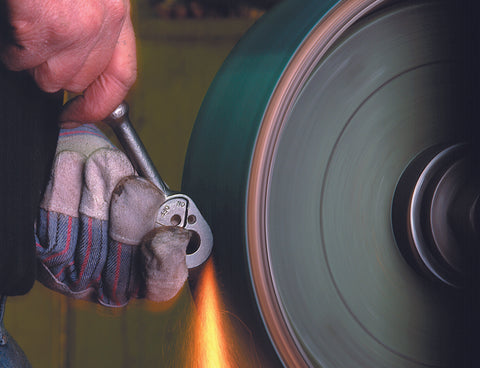
Check for smooth gear action and a secure locking mechanism. These features improve control and safety.
Credit: shopgraytools.com
Cleaning Your Ratchet Wrench
Keeping your ratchet wrench clean helps it work well for a long time. Dirt and grease can stop it from moving smoothly.
Regular cleaning removes buildup that can cause damage. It also makes the wrench easier to handle.
Removing Dirt And Debris
First, wipe off loose dirt and dust with a dry cloth. Use a soft brush to get dirt from small parts.
For stuck debris, use a toothpick or a small brush to clean tight spaces carefully. Avoid sharp tools that may cause damage.
- Wipe with dry cloth
- Brush small parts gently
- Use toothpick for tight spots
- Avoid sharp tools
Using Appropriate Cleaning Agents
Use mild soap and warm water to clean your wrench. Avoid harsh chemicals that can harm the metal or finish.
After cleaning, dry the wrench well to stop rust. You can use light machine oil to protect moving parts.
- Mild soap and warm water
- No harsh chemicals
- Dry completely after washing
- Apply light oil on moving parts
Lubrication Techniques
Lubricating ratchet wrenches keeps them working smoothly. It reduces wear and extends tool life.
Proper lubrication stops rust and prevents parts from sticking. It makes using the wrench easier.
Selecting The Best Lubricant
Choose a lubricant made for hand tools. It should protect metal and not attract dirt.
Light machine oil or specialty ratchet oil works well. Avoid thick greases that can clog the tool.
- Light machine oil: easy to apply and cleans well
- Spray lubricants: good for quick access
- Dry lubricants: resist dirt but may need frequent reapplication
Applying Lubricant Effectively
Clean the wrench before adding oil. Remove dirt and old grease with a cloth or brush.
Apply a few drops of lubricant inside the ratchet mechanism. Move the wrench back and forth to spread it.
- Wipe off excess oil to prevent dust build-up
- Lubricate regularly for best performance
- Store the wrench in a dry place after lubrication
Credit: tendsupplies.com
Storage Solutions
Keeping your ratchet wrenches safe helps them last longer. Proper storage stops damage and keeps them ready to use.
Good storage also saves space and makes it easy to find your tools quickly.
Preventing Rust And Corrosion
Rust can ruin your ratchet wrenches fast. Store them in a dry place to avoid moisture buildup.
Use silica gel packs or moisture absorbers in your toolbox. These help keep the air dry and stop rust.
- Keep tools clean and dry before storing
- Apply a light oil coating to metal parts
- Use airtight containers or toolboxes
- Store in a cool, dry location away from humidity
Organizing Your Tools
Organized tools save time and reduce damage risk. Sort your ratchet wrenches by size or type for easy access.
Use tool racks, foam inserts, or drawer organizers to keep wrenches in place and prevent them from banging together.
- Label storage spots for quick identification
- Store wrenches in sets or groups
- Use magnetic strips or pegboards for wall storage
- Regularly check and tidy your tool area
Regular Inspection And Maintenance
Keeping your ratchet wrench in good shape helps it last longer. Regular checks find problems early.
Simple maintenance keeps the tool working smoothly. It also prevents damage during use.
Checking For Wear And Tear
Look at the ratchet wrench for signs of wear. Check the teeth and the handle for damage or cracks.
Test the ratchet mechanism by moving it back and forth. It should move smoothly without sticking.
- Inspect the gear teeth for chips or rounding
- Check the handle for bends or cracks
- Make sure the ratchet clicks properly
- Look for rust or dirt build-up
Replacing Damaged Parts
Replace parts that show damage or wear. Using damaged parts can cause failure or injury.
Common parts to replace include the gear, pawl, and springs. Use parts made for your wrench model.
- Remove old parts carefully using correct tools
- Install new parts following the wrench manual
- Test the wrench after replacement to ensure proper function
- Keep spare parts handy for quick fixes
Troubleshooting Common Issues
Ratchet wrenches are handy tools for many jobs. They can sometimes have problems that stop them from working well.
Fixing small issues can save time and keep your wrench working longer. Knowing what to check helps you fix problems fast.
Fixing Ratchet Mechanism Problems
The ratchet mechanism can stop working if dirt or rust gets inside. This can make it hard to turn or stop it from locking.
Cleaning the mechanism and adding oil usually fixes these problems. Use a small brush to remove dirt and spray light oil inside.
- Remove the wrench head if possible
- Clean all moving parts with a brush or cloth
- Spray light machine oil into the mechanism
- Move the handle back and forth to spread oil
- Wipe off any extra oil before use
Handling Stiff Or Jammed Wrenches
A stiff or jammed wrench often means dirt, rust, or old grease inside. This makes it hard to move the handle or change directions.
To fix this, soak the wrench in a rust remover or lubricant. Then work the handle gently to loosen the parts. Avoid forcing it, which can cause damage.
- Apply a penetrating lubricant to the ratchet area
- Let it sit for 10-15 minutes
- Move the handle gently to free stuck parts
- Repeat if needed until the wrench moves smoothly
- Clean and oil the wrench after fixing the jam
Frequently Asked Questions
How Often Should I Clean My Ratchet Wrench?
Clean your ratchet wrench after every use. Wipe off dirt and grease with a clean cloth. This prevents rust and ensures smooth operation. Regular cleaning extends the tool’s life and keeps it functioning properly.
What Lubricant Is Best For Ratchet Wrenches?
Use light machine oil or lithium-based grease on your ratchet wrench. Apply a small amount to the gear mechanism. Proper lubrication reduces wear, prevents rust, and keeps the wrench running smoothly.
How Do I Prevent Rust On My Ratchet Wrench?
Store your ratchet wrench in a dry place to prevent rust. Apply a light oil coating before storage. Avoid leaving it in humid or wet environments, which cause corrosion and damage.
Can I Disassemble A Ratchet Wrench For Maintenance?
Yes, you can disassemble most ratchet wrenches for cleaning and lubrication. Follow the manufacturer’s instructions carefully. Regular maintenance improves performance and prolongs the tool’s lifespan.
Conclusion
Caring for ratchet wrenches ensures they last long. Clean them regularly to prevent rust. Lubricate moving parts for smooth operation. Store them in a dry place. Check for wear and replace damaged parts. Proper maintenance saves time and money. It makes your work easier.
A well-maintained tool performs better. Follow these simple steps to keep your wrenches in top shape. Enjoy efficient and effective repairs with tools that last. Stay consistent with maintenance for the best results. Your tools will thank you.