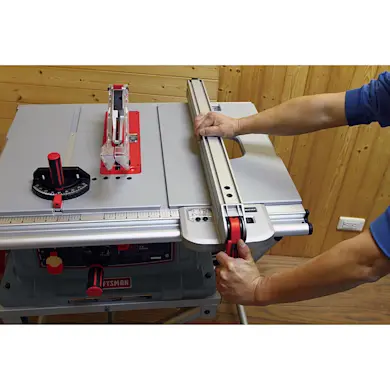
If you own a table saw, you know how powerful and useful it can be. But without proper care, your saw can lose accuracy, become unsafe, or even break down.
This guide to maintaining table saws will help you keep your tool running smoothly and safely. You’ll learn simple steps that save you time, money, and frustration. By the end, you’ll feel confident handling your saw like a pro and getting the best results every time.
Ready to protect your investment and improve your woodworking? Let’s get started.
Credit: www.jlconline.com
Choosing The Right Table Saw
Picking the right table saw helps you work safely and efficiently. It depends on your needs and the type of projects you want to do.
Knowing the types of table saws and key features guides you to a smart choice. This guide covers important points to think about.
Types Of Table Saws
There are three main types of table saws. Each fits different kinds of work and spaces.
- Benchtop Saws:Small and light, easy to move. Best for light jobs and small workshops.
- Contractor Saws:Bigger and heavier. Good for medium work and job sites.
- Cabinet Saws:Large and strong with enclosed motors. Made for heavy-duty and precise work.
Key Features To Consider
Choosing features depends on your project type and skill level. Some features help with safety, power, and accuracy.
| Feature | Why It Matters |
| Blade Size | Affects depth and type of cuts possible. |
| Motor Power | Strong motor cuts through thick or hard materials. |
| Fence System | Keeps cuts straight and accurate. |
| Safety Guards | Protects from accidents during use. |
| Dust Collection | Keeps workspace clean and improves air quality. |
| Portability | Important if you move the saw often. |
Routine Cleaning Practices
Keeping your table saw clean helps it work better and last longer.
Regular cleaning prevents dust and dirt from causing problems.
Removing Dust And Debris
Dust and debris collect inside and outside your table saw after use.
- Turn off and unplug the saw before cleaning.
- Use a brush or vacuum to remove dust from surfaces.
- Blow air through vents to clear out fine particles.
- Clean the table surface and miter slots carefully.
- Check the dust collection system and empty it if needed.
Cleaning The Blade And Motor
Cleaning the blade and motor keeps the saw running smoothly.
| Part | Cleaning Method | Frequency |
| Blade | Remove and clean with blade cleaner or soapy water | Monthly or after heavy use |
| Motor | Use compressed air to blow out dust | Every few months |
| Blade Guard | Wipe with a damp cloth | Weekly |
Blade Maintenance
Keeping your table saw blade in good shape makes your work safer and cleaner. Regular care helps the blade cut smoothly and last longer.
Blade maintenance includes cleaning, sharpening, and knowing when to replace the blade. This guide focuses on sharpening techniques and signs that show you need a new blade.
Sharpening Techniques
Sharp blades cut wood easily and reduce the risk of accidents. You can sharpen blades at home or use a professional service. Use the right tools and follow safety steps.
- Remove the blade from the saw before sharpening.
- Use a diamond blade sharpener or a fine file for small touch-ups.
- Keep the teeth angle and shape the same as the original.
- Sharpen each tooth evenly to avoid uneven cuts.
- Clean the blade after sharpening to remove metal dust.
- Wear gloves and eye protection during sharpening.
When To Replace Blades
Replacing the blade is necessary when sharpening no longer improves cutting. Using a dull or damaged blade can cause poor cuts and unsafe work conditions.
Look for these signs to know when to change your blade:
- The blade has missing or broken teeth.
- Cutting requires more force than usual.
- The blade produces rough or burnt cuts.
- Sharpening does not restore sharpness.
- The blade shows signs of rust or warping.
Lubrication And Moving Parts
Keeping your table saw in good shape means paying attention to lubrication. Proper oiling helps parts move smoothly. It also stops rust and wear.
Moving parts need regular care. This guide focuses on two key areas: the arbor and gears, and the fence with the miter gauge.
Lubricating The Arbor And Gears
The arbor holds the saw blade and spins it. Gears transfer power to the arbor. Both need lubrication to work well.
Use a light machine oil or grease designed for power tools. Avoid heavy oils that attract dust and dirt.
- Clean the arbor and gears before oiling
- Apply a small amount of lubricant evenly
- Remove excess oil to prevent buildup
- Check lubrication every few months
Maintaining The Fence And Miter Gauge
The fence and miter gauge guide your cuts. They must move freely and stay accurate. Lubrication keeps them smooth and easy to adjust.
Use dry lubricants or wax to avoid sticky surfaces. Clean the rails and sliding parts before applying lubricant.
- Wipe down rails and guide surfaces
- Apply dry lubricant or paraffin wax
- Move the fence and miter gauge back and forth
- Check for smooth movement and adjust if needed
Calibration And Alignment
Keeping your table saw calibrated and aligned helps you cut wood safely and accurately. Regular checks prevent mistakes and improve your work quality.
This guide covers how to align the blade and adjust the fence and miter gauge properly. Follow these tips to keep your saw in top shape.
Aligning The Blade
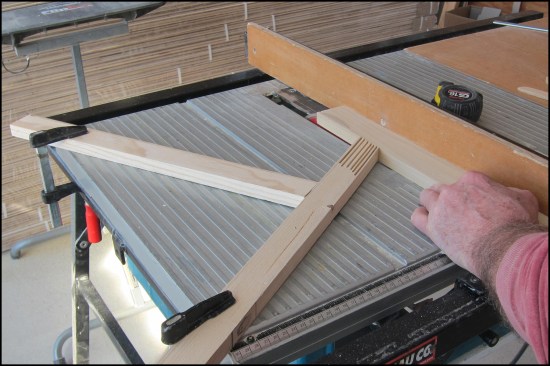
Check the blade alignment to ensure it is parallel to the miter slot. A misaligned blade causes uneven cuts and can be dangerous.
- Unplug the saw before starting any adjustments.
- Lower the blade fully and remove the throat plate.
- Use a combination square or dial indicator to check the blade’s position.
- Loosen the trunnion bolts if the blade is off alignment.
- Shift the blade until it is parallel with the miter slot.
- Tighten the bolts securely and recheck alignment.
Adjusting The Fence And Miter Gauge
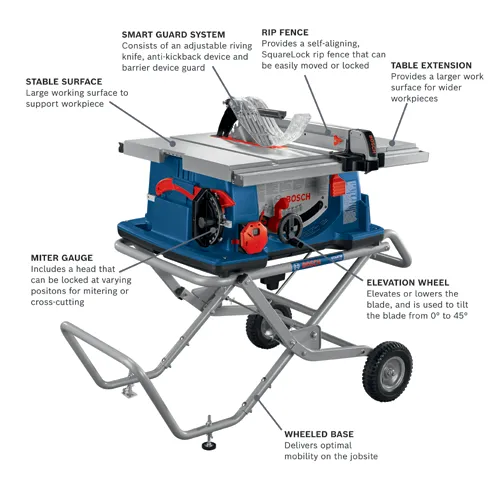
The fence and miter gauge guide the wood during cuts. Proper adjustment keeps cuts straight and square.
| Adjustment Part | What to Check | How to Adjust |
|---|---|---|
| Fence | Parallel to blade and secure lock | Loosen knobs, slide fence, tighten firmly |
| Miter Gauge | Square to blade at 0° and other angles | Use a square; adjust angle screw if needed |
Credit: www.boschtools.com
Safety Checks
Table saws are powerful tools that need careful handling. Regular safety checks help prevent accidents.
Checking the saw before use keeps you and others safe. It also helps the saw last longer.
Inspecting Power Cords And Switches
Check power cords for cuts, cracks, or frays. Damaged cords can cause shocks or fires.
Make sure the switch works smoothly. It should turn off quickly in an emergency.
- Look for exposed wires on the power cord
- Test the on/off switch before each use
- Replace any damaged cords immediately
- Ensure the switch is easy to reach
Ensuring Proper Blade Guards
Blade guards cover the saw blade to protect you from cuts. Always use them during cutting.
Check that the guard is clean and moves freely. A stuck guard can cause accidents.
- Verify the blade guard is firmly attached
- Make sure the guard covers the blade fully
- Clean sawdust and debris from the guard
- Check that the guard moves without resistance
Storage And Environment
Keeping your table saw in good shape starts with the right storage. The environment around the saw can affect its performance and lifespan.
Proper storage helps avoid damage and keeps the saw ready for use. Pay attention to temperature, humidity, and cleanliness.
Ideal Conditions For Storage
Store your table saw in a dry, clean space with stable temperature. Avoid places with high moisture or dust.
- Keep the saw off the ground on a sturdy surface or stand
- Maintain room temperature between 60°F and 80°F (16°C to 27°C)
- Use a dust cover to protect from dirt and debris
- Ensure good air circulation to prevent moisture buildup
- Store in an area free from direct sunlight and extreme heat
Protecting Against Rust And Corrosion
Rust and corrosion damage the blade and metal parts. Taking steps to prevent them keeps the saw safe and working well.
| Action | Purpose |
| Apply a thin coat of machine oil or wax | Protect metal from moisture and rust |
| Clean the saw after use to remove dust and sap | Prevent buildup that traps moisture |
| Use a dehumidifier in damp areas | Reduce humidity that causes corrosion |
| Check and tighten bolts regularly | Keep parts secure and avoid rust gaps |
| Store blades separately in a dry case | Protect sharp edges and metal surfaces |
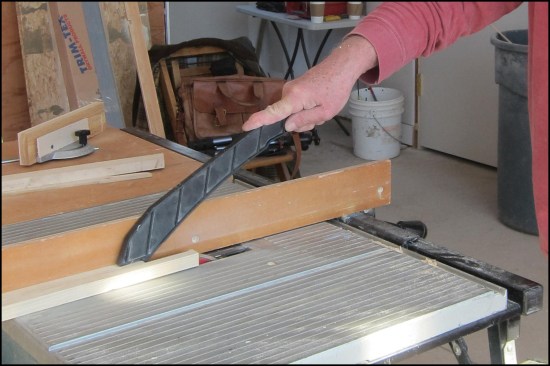
Credit: www.jlconline.com
Troubleshooting Common Issues
Table saws are powerful tools but can face problems during use. Knowing how to fix common issues keeps your saw working well.
This guide covers two frequent problems: blade drift and motor or power troubles. Learn simple fixes to maintain your table saw.
Dealing With Blade Drift
Blade drift happens when the saw blade moves away from the cut line. It causes uneven cuts and wastes material.
Blade drift can result from a dull blade, poor alignment, or wrong blade type. Check these areas to fix the problem.
- Inspect and replace a dull blade
- Align the fence and blade parallel
- Use the right blade for your wood type
- Keep the blade clean and free of pitch
Addressing Motor And Power Problems
Motor and power problems stop the saw from running smoothly or at all. These issues need quick attention for safety and work quality.
Common causes include loose wiring, a bad switch, or a worn motor. Check these parts carefully to find the cause.
- Inspect power cords and plugs for damage
- Test the switch for proper operation
- Clean motor vents to prevent overheating
- Replace worn brushes if your motor uses them
- Check circuit breakers and fuses in your workspace
Frequently Asked Questions
How Often Should I Clean My Table Saw?
Regular cleaning of your table saw is essential for optimal performance. Ideally, clean it after every use. Remove dust, debris, and resin build-up to prevent motor strain. Consistent maintenance can extend the lifespan of your saw, ensuring safety and efficiency.
What Lubricant Should I Use On A Table Saw?
Use a dry lubricant or silicone spray to lubricate table saw parts. These lubricants reduce friction without attracting dust. Apply them on the blade, arbor, and moving parts. Regular lubrication prevents rust, ensures smooth operation, and prolongs the life of your saw.
How Can I Prevent Table Saw Rust?
Preventing rust on your table saw involves regular cleaning and applying a protective wax. Wipe the table surface and apply paste wax to create a barrier. This prevents moisture accumulation and keeps your saw in excellent condition, ensuring precise cuts and durability.
What Safety Checks Are Essential For Table Saws?
Perform regular safety checks to ensure your table saw’s safe operation. Inspect the blade for sharpness and alignment. Check the safety guards and anti-kickback pawls. Ensure the power switch functions correctly. Regular checks prevent accidents and maintain the saw’s efficiency.
Conclusion
Regular care keeps your table saw running smooth and safe. Clean the blade and check parts often. Tighten screws and oil moving pieces. This stops problems before they start. A well-kept saw lasts longer and cuts better. Small steps save you time and money.
Stay safe and enjoy your woodworking projects more. Keep your saw ready, and work will go easier. Simple maintenance makes a big difference every day.