Are you ready to take your woodworking projects to the next level? Mastering how to operate a cordless drill can make your work faster, easier, and more precise.
Whether you’re a beginner or looking to sharpen your skills, this guide will walk you through everything you need to know. From choosing the right drill bits to drilling perfect holes and driving screws with confidence, you’ll gain practical tips that save time and prevent mistakes.
Keep reading, and you’ll soon handle your cordless drill like a pro, turning your ideas into beautiful wooden creations.
Choosing The Right Cordless Drill
Choosing the right cordless drill is important for woodworking projects. A good drill makes tasks easier and faster.
Consider the drill’s battery, power, and features before buying. These factors affect performance and comfort.
Battery Types And Power
Cordless drills use different battery types that affect how long they last and how much power they give.
Most drills have lithium-ion batteries. They are light and hold charge well. Older models may use nickel-cadmium, but these are heavier.
- Lithium-ion (Li-ion):Long life, light, no memory effect
- Nickel-cadmium (NiCd):Heavier, less charge hold, cheaper
- Voltage:Higher voltage means more power but more weight
- Battery capacity (Ah):Higher amp hours give longer run time
Key Features To Look For
Look for features that help woodworking tasks and improve ease of use. These features help control and comfort.
- Variable speed control:Adjust speed for different materials
- Torque settings:Set force to avoid damaging wood or screws
- Ergonomic grip:Comfortable to hold for long periods
- LED light:Illuminates dark work areas
- Brushless motor:More efficient and longer lasting
- Compact size:Easier to use in tight spaces
Best Drill Models For Woodworking
Some cordless drills are popular choices for woodworking. They balance power, battery life, and features.
| Model | Battery Type | Voltage | Key Features |
|---|---|---|---|
| Model A | Lithium-ion | 18V | Brushless motor, variable speed, LED light |
| Model B | Lithium-ion | 20V | Ergonomic grip, adjustable torque, compact size |
| Model C | Lithium-ion | 18V | Long battery life, variable speed, durable build |
:max_bytes(150000):strip_icc()/JS_1864-2008bd548fb548db8f5729d54b71976b.jpg)
Credit: www.woodmagazine.com
Essential Drill Bits For Wood
Using the right drill bit makes woodworking easier and safer. Each type of bit fits different tasks.
This guide covers common wood drill bits, when to use them, and how to keep them sharp.
Types Of Wood Drill Bits
Wood drill bits come in many shapes and sizes. Each bit is made for a special use.
- Twist Bits:Most common, good for general drilling in wood.
- Brad Point Bits:Have a sharp tip for precise holes without slipping.
- Spade Bits:Flat and wide, used for large, rough holes.
- Forstner Bits:Create clean, flat-bottom holes, good for furniture.
- Auger Bits:Long spiral bits for deep holes in thick wood.
When To Use Each Bit
Choose a bit based on the hole size and wood type. Different bits suit different tasks.
- Twist Bits:Best for small to medium holes in soft or hard wood.
- Brad Point Bits:Use for clean, accurate holes in hardwood and softwood.
- Spade Bits:Ideal for quick, large holes like running wires or pipes.
- Forstner Bits:Perfect for smooth holes in furniture and cabinet making.
- Auger Bits:Use for deep holes, especially in thick or green wood.
Maintaining Sharpness
Sharp bits cut cleaner holes and reduce wood damage. Keep your bits sharp for best results.
Use a sharpening stone or file to gently sharpen the edges. Clean bits after use to avoid buildup.
- Sharpen before the bit feels dull
- Store bits in a dry place to prevent rust
- Remove wood dust and resin after each use
- Check bits for chips or damage regularly
Setting Up Your Drill
Using a cordless drill for woodworking is easier when you set it up right. Proper setup helps you work safely and efficiently.
This guide covers adjusting speed and torque, securing drill bits, and safety precautions to prepare your drill.
Adjusting Speed And Torque
Different woodworking tasks need different speed and torque settings. Use low speed and high torque for driving screws. Choose high speed and low torque for drilling holes.
- Turn the drill speed dial to the desired level.
- Set the torque ring to control the drill’s force.
- Test the settings on scrap wood before starting your project.
Securing Drill Bits
Always secure drill bits properly to avoid damage or injury. A loose bit can slip or fall out while you work.
| Step | Action |
|---|---|
| 1 | Open the chuck by turning it counterclockwise. |
| 2 | Insert the drill bit fully into the chuck. |
| 3 | Tighten the chuck by turning it clockwise until the bit is secure. |
| 4 | Give the bit a gentle pull to confirm it is fastened well. |
Safety Precautions
Follow safety rules to protect yourself and others while using the drill. Always wear safety gear and check your work area.
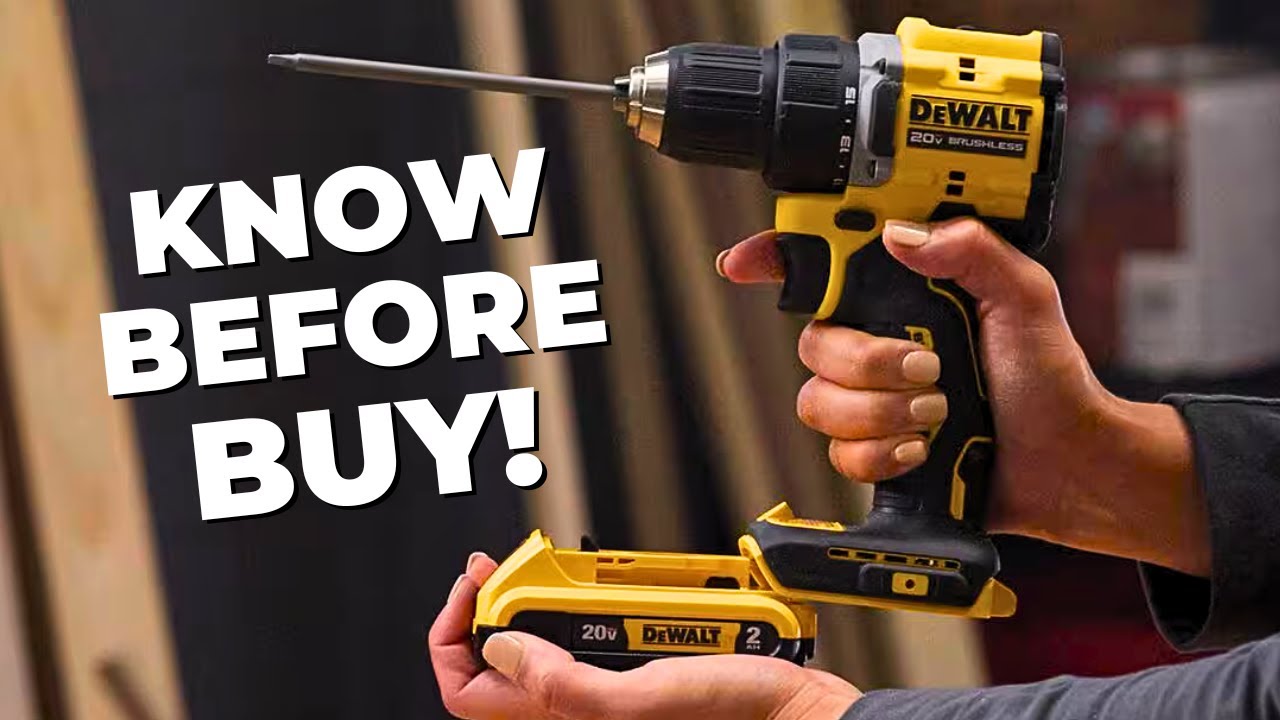
- Wear safety goggles and gloves.
- Keep your hair and clothes away from the drill.
- Make sure the drill battery is charged and inserted correctly.
- Use clamps to hold wood steady.
- Keep your hands away from the drill bit.
Credit: www.youtube.com
Drilling Techniques For Wood
Using a cordless drill for woodworking needs care and skill. Proper drilling keeps wood safe and shapes projects well.
This guide covers key methods to drill clean holes, control depth, and stop wood from splitting.
Starting The Hole Cleanly
Begin drilling with a clear mark on the wood. Use a sharp drill bit to keep the hole neat. Hold the drill steady and start slowly.
- Mark the spot with a pencil or awl.
- Use a center punch to make a small dent.
- Start drilling at low speed.
- Keep the drill perpendicular to the wood surface.
- Increase speed once the bit grips the wood.
Controlling Depth
Drilling to the right depth is important for strong joints. Too deep or too shallow holes can cause problems. Use a depth guide on your drill or bit.
| Tool | Description | Use |
| Depth Stop Collar | A small ring fixed on the drill bit | Stops drilling at set depth |
| Mark on Drill Bit | Use tape or marker to mark depth | Visual guide during drilling |
| Drill with Adjustable Stop | Drill with built-in depth control | Prevents drilling too deep |
Avoiding Wood Splitting
Wood can split if drilling is done wrong. Use these tips to keep wood safe and strong.
- Choose the right drill bit for wood, like brad point bits.
- Drill a pilot hole smaller than the screw size.
- Drill slowly near edges or ends of boards.
- Clamp the wood firmly to prevent movement.
- Back out the bit occasionally to clear wood chips.
Common Mistakes To Avoid
Using a cordless drill for woodworking can be easy if you avoid some common errors. These mistakes can cause damage to your drill or ruin your project.
Read about the most frequent mistakes and learn how to prevent them for better results and longer tool life.
Overheating The Drill
Running your cordless drill for too long without breaks can make it overheat. Overheating can damage the motor and battery.
Drilling hard wood or using high speed for a long time causes heat build-up. Always stop and let the drill cool down.
- Do not press too hard while drilling
- Take breaks every few minutes
- Use the right speed for the material
- Keep vents clean to allow airflow
Using Incorrect Bits
Choosing the wrong drill bit can damage the wood and wear out your drill. Each bit is made for specific tasks and materials.
Using metal bits on wood or dull bits causes poor holes and more strain on the drill.
- Use wood bits for wooden projects
- Check bit sharpness before use
- Match the bit size to your screw or hole
- Replace worn-out bits promptly
Poor Handling And Grip
Holding the drill incorrectly can cause slips and uneven holes. A firm grip keeps control and safety.
Using one hand or holding the drill at the wrong angle reduces accuracy and can damage the wood.
- Hold the drill with both hands if possible
- Keep a steady and firm grip
- Position the drill straight to the surface
- Use clamps to hold wood steady
Maintaining Your Cordless Drill
Taking care of your cordless drill keeps it working well for a long time. Proper maintenance helps avoid problems.
This guide covers battery care, cleaning, storage, and fixing common issues. These tips help you use your drill safely and efficiently.
Battery Care Tips
Good battery care makes your drill last longer. Always charge the battery fully before use. Avoid letting it drain completely.
Store batteries in a cool, dry place. Do not expose them to heat or direct sunlight. Remove the battery if you won’t use the drill for a long time.
- Charge batteries after each use
- Use the charger made for your battery
- Keep batteries away from water and heat
- Replace batteries that no longer hold charge
Cleaning And Storage
Clean your drill regularly to stop dust and dirt buildup. Use a dry cloth to wipe the drill body and vents. Avoid using water or solvents.
Store your drill in a dry, safe place. Keep it in a case or box to avoid damage. Remove the battery before storing it for long periods.
- Wipe dirt and dust off after each use
- Keep vents clear to prevent overheating
- Store in a dry, cool place
- Remove battery before long storage
Troubleshooting Common Issues
If your drill won’t start, check the battery charge first. Make sure the battery is correctly inserted. Clean the battery contacts if needed.
If the drill stops during use, the motor might be overheating. Let it cool down before using it again. Check for jammed drill bits or screws.
- Drill won’t start: charge or insert battery properly
- Stops mid-use: let motor cool down
- Slow or weak drill: check battery health
- Drill bit stuck: remove and clean chuck
Advanced Tips For Woodworking Projects
Using a cordless drill can make woodworking easier and faster. Learning advanced tips helps you work better.
This guide covers using drill attachments, combining tools, and ways to save time and effort.
Using Drill Attachments
Drill attachments extend what your cordless drill can do. They help you drill, sand, or mix materials.
Choose the right attachment for your project to get clean and precise results.
- Use sanding drums to smooth wood surfaces easily.
- Mix paint or glue with a mixing paddle attachment.
- Attach right-angle adapters to reach tight spots.
- Use hole saws for making large round holes.
Combining With Other Tools
Pair your cordless drill with other tools to improve your workflow. It saves time and improves accuracy.
Using clamps or guides along with the drill helps keep your work steady and safe.
- Clamp wood pieces before drilling to avoid movement.
- Use a drill guide to keep holes straight.
- Combine the drill with a jigsaw for fast cuts after drilling pilot holes.
- Work with a tape measure and pencil to mark drill points clearly.
Efficiency Hacks
Work smarter with your cordless drill by using smart habits and tricks. This saves energy and time.
Keep your drill charged and ready. Plan your steps to reduce tool changes.
- Use the right drill bit size to avoid extra work.
- Keep spare batteries charged for quick swaps.
- Pre-drill holes to prevent wood splitting.
- Organize your workspace to find tools fast.

Credit: m.youtube.com
Frequently Asked Questions
How Do I Choose The Right Cordless Drill For Woodworking?
Select a cordless drill with adjustable speed, sufficient torque, and a comfortable grip. Look for a drill with at least 18V battery power for woodworking tasks. Ensure it has a keyless chuck for easy bit changes and longer battery life for extended use.
What Safety Tips Should I Follow Using A Cordless Drill?
Always wear safety goggles and gloves while drilling. Keep your workspace clean and well-lit. Secure the wood piece firmly before drilling. Avoid loose clothing or jewelry that can get caught. Never force the drill; let it work at its own pace.
How Do I Maintain My Cordless Drill For Long Life?
Regularly clean the drill and remove dust buildup. Charge the battery fully before storage and avoid extreme temperatures. Lubricate moving parts as recommended by the manufacturer. Store the drill in a dry, safe place to prevent damage and rust.
What Drill Bits Work Best For Woodworking?
Use high-speed steel (HSS) or brad point bits for clean holes in wood. Spade bits are good for larger holes. Avoid using metal bits as they can damage wood fibers and cause splintering. Always choose sharp bits for precise drilling.
Conclusion
Operating a cordless drill for woodworking is simple with practice. Always hold the drill firmly and control the speed. Choose the right drill bit for your wood type. Keep the battery charged to avoid interruptions. Safety comes first—wear goggles and work in a clean space.
Small steps lead to better results. Enjoy building and creating with your cordless drill. Remember, patience and care improve every project you do.