Ever found yourself standing in front of a drill press, feeling unsure about how to get started? You’re not alone.
Operating a drill press efficiently can seem daunting at first, but it doesn’t have to be. Imagine crafting perfect holes with ease, reducing your work time, and minimizing mistakes. This guide is designed just for you, making the complex simple and helping you master this powerful tool.
Discover tips and tricks that will boost your confidence and transform your projects from ordinary to extraordinary. Ready to unlock the full potential of your drill press? Let’s dive in and make your next project a success!

Credit: samhotool.com
Choosing The Right Drill Press
Choosing the right drill press helps you work faster and safer. It fits your needs and type of projects.
There are many types and features to consider. Picking the right drill bits also matters for good results.
Types Of Drill Presses
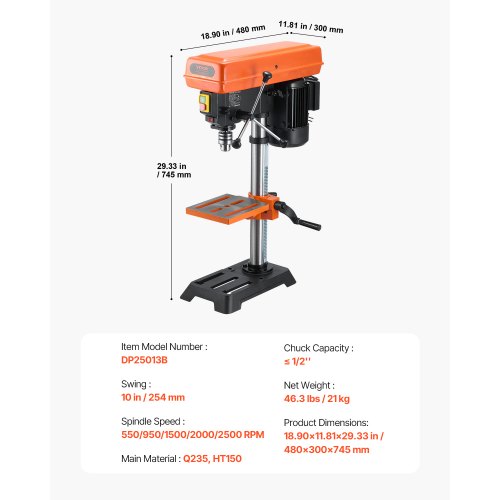
Drill presses come in different styles. Each type suits different work and space.
- Bench Drill Press: Small and fits on a table. Good for light jobs.
- Floor Drill Press: Big and stands on the floor. Best for heavy work.
- Radial Drill Press: Has an arm that moves. Useful for big pieces.
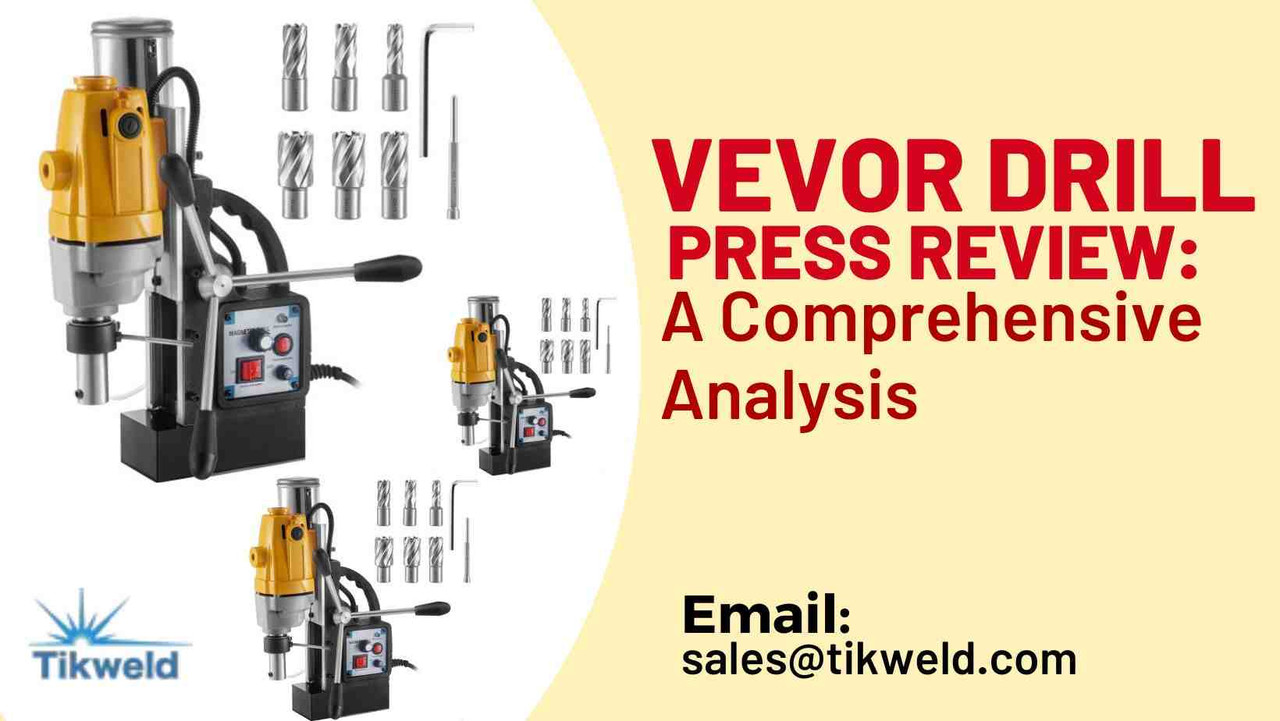
- Magnetic Drill Press: Uses magnets to stick to metal. Perfect for steel work.
Key Features To Consider
Look at features that make drilling easier and safe. These help you get steady and exact holes.
- Speed Settings: Choose a drill with many speeds for different materials.
- Table Size and Adjustability: Bigger and movable tables hold work well.
- Power: More power drills through hard materials easily.
- Depth Stop: Lets you drill to the same depth each time.
- Build Quality: Strong and stable frames reduce wobble.
Selecting The Correct Drill Bits
Using the right drill bits gives clean holes and less wear. Match bits to your material and drill press.
- Twist Bits: Good for wood, plastic, and light metals.
- Spade Bits: Best for fast drilling in wood.
- Masonry Bits: Made for stone, brick, and concrete.
- Forstner Bits: Cut flat-bottomed holes in wood.
- Step Bits: Drill different hole sizes with one bit in thin metal.
Setting Up Your Drill Press
Setting up your drill press correctly helps you work safely and efficiently. A good setup also improves your drilling accuracy.
This guide covers key steps to prepare your drill press before use.
Proper Installation And Placement
Place the drill press on a flat, stable surface to avoid wobbling. Ensure enough room around the machine for safe operation.
Keep the drill press away from moisture and dust to protect its parts.
Adjusting The Table And Spindle
Adjust the table height and angle based on the size and shape of your workpiece. The spindle speed should match the material type and drill bit size.
- Loosen the table lock and move the table up or down.
- Tilt the table to the desired angle if needed.
- Secure the table lock tightly to hold it in place.
- Set the spindle speed by adjusting the belt position or speed control.
Securing Workpieces Safely
Use clamps or a vise to hold your workpiece firmly. This prevents slipping and keeps your hands away from the drill bit.
| Method | Description |
| Clamps | Hold irregular shapes tightly to the table |
| Vise | Secure small or flat workpieces firmly |
| Hold-downs | Keep large pieces stable during drilling |
Operating Techniques For Efficiency
Using a drill press correctly can save time and improve your work quality. Efficient techniques reduce mistakes and tool wear.
Focus on settings, securing materials, and drilling angles to get the best results.
Speed And Feed Settings
Set the drill press speed based on the material you drill. Harder materials need slower speeds to avoid damage.
Feed pressure should be steady but not too hard. Pressing too fast can break bits and hurt the work.
- Use slow speed for metals and hard plastics
- Use faster speed for soft woods
- Apply steady pressure when feeding the bit
- Stop and clear chips often for smooth drilling
Using Clamps And Jigs
Clamp your workpiece firmly to the table. This prevents movement and keeps holes accurate.
Jigs help guide the drill and keep it in the right place. They make drilling repeatable and safer.
- Use clamps to hold small or odd-shaped pieces
- Build or buy jigs for common hole patterns
- Check clamps and jigs are tight before drilling
- Keep hands away from the drill bit path
Drilling At The Correct Angle
Drill straight down for most holes to avoid bit breakage. Angled holes need steady control and guides.
Use the drill press table tilt or an angled jig to keep the right angle. Check your work often with a square.
- Set the table angle before starting
- Use a square to check the drill bit angle
- Hold the workpiece steady at an angle using clamps
- Drill slowly when working at angles
Credit: www.vevor.ca
Maintenance And Safety Tips
Keeping your drill press in good shape helps it work better and last longer. Following safety tips prevents accidents while you use it.
This guide shows how to clean, check, and use the drill press safely every time.
Routine Cleaning And Lubrication
Clean the drill press after each use to remove dust and metal scraps. Dirt can cause parts to wear out faster.
Lubricate moving parts regularly. This keeps the machine running smoothly and stops it from overheating.
- Wipe down the table and base with a dry cloth
- Use a brush to clean tight spaces and gears
- Apply machine oil to the spindle and quill
- Check the owner’s manual for lubrication points
Inspecting For Wear And Damage
Check the drill press parts regularly for signs of wear or damage. Early fixes stop bigger problems.
Look at belts, pulleys, and the chuck for cracks or breaks. Replace parts if they look worn out.
- Inspect belts for cracks or fraying
- Check pulleys for smooth rotation
- Ensure the chuck grips the drill bit tightly
- Test the motor for unusual sounds or vibrations
Essential Safety Practices
Always wear safety gear like goggles and gloves when using the drill press. This protects your eyes and hands.
Secure the workpiece before drilling. Loose items can spin or fly off, causing injuries.
- Wear safety glasses to protect your eyes
- Keep hair and clothing away from moving parts
- Use clamps to hold the workpiece firmly
- Turn off and unplug the machine before adjustments
Troubleshooting Common Issues
Operating a drill press can be easy with the right knowledge. Some common issues might slow you down.
Knowing how to fix these problems helps keep your work smooth and safe.
Dealing With Bit Slippage
Bit slippage happens when the drill bit spins inside the chuck. This causes uneven holes and damage.
To stop bit slippage, make sure the chuck is tight and clean. Use the right size bit for your chuck.
- Clean the chuck jaws to remove dirt and oil
- Tighten the chuck key firmly
- Choose drill bits that fit snugly
- Replace worn or damaged bits
Fixing Inaccurate Holes
Inaccurate holes can ruin your project. They happen when the drill press is not set properly.
Check the table and workpiece alignment before drilling. Use clamps to hold materials steady.
- Align the drill bit with your mark carefully
- Secure the workpiece with clamps
- Use a center punch to guide the bit
- Check the drill press table for level and flatness
Handling Motor Or Electrical Problems
Motor or electrical issues can stop your drill press from working. These need careful attention.
Check power connections and switches. Look for signs of wear or damage in cables and motor parts.
- Unplug the drill press before inspection
- Inspect the power cord for cuts or frays
- Test the switch for proper function
- Listen for unusual motor noises
- Consult a professional for motor repairs
Credit: tikweld.com
Advanced Tips And Tricks
Operating a drill press with skill saves time and produces better results. Using the right techniques helps you work safely and efficiently.
This guide shares tips on improving precision, customizing your drill press, and saving time on repeated tasks.
Improving Precision With Accessories
Accessories can help you drill more accurately. They keep your workpiece steady and guide the drill bit exactly where you want.
- Use a drill press vise to hold small parts firmly.
- Install a fence to align your work for straight holes.
- Add a depth stop to control hole depth consistently.
- Try a laser guide for precise bit positioning.
- Use a rotary table for drilling at angles or curves.
Customizing For Specialized Projects
Some projects need special setups. Adjust your drill press to fit unique shapes or materials.
| Project Type | Customization Tip | Benefit |
| Woodworking | Use feather boards to hold thin wood pieces | Prevents movement and improves accuracy |
| Metalworking | Apply cutting oil and slower speed settings | Reduces bit wear and heats metal less |
| Plastic Drilling | Use backing boards and sharp bits | Prevents cracking and clean holes |
Time-saving Hacks For Repetitive Tasks
Drilling many holes can be slow. Use these hacks to speed up your work and stay consistent.
- Set up a stop block to drill the same depth repeatedly.
- Mark your workpiece with tape to align holes quickly.
- Use quick-release chucks to change bits faster.
- Prepare multiple clamps to switch pieces easily.
- Group holes close together to reduce repositioning.
Frequently Asked Questions
What Safety Measures Are Essential For Operating A Drill Press?
Always wear safety goggles and secure loose clothing. Use clamps to hold materials firmly. Keep hands clear of the rotating bit. Ensure the drill press is properly grounded and unplugged before adjustments.
How Do I Choose The Right Drill Bit Size?
Match the drill bit size to your material’s hole diameter. Use a bit gauge or chart for precision. Avoid forcing too large bits to prevent damage or accidents.
What Maintenance Keeps A Drill Press Running Smoothly?
Regularly clean the drill press to remove dust and debris. Lubricate moving parts as recommended by the manufacturer. Check belts and replace worn components promptly for optimal performance.
How Can I Improve Drilling Accuracy On A Drill Press?
Use a center punch to mark drill points. Secure the workpiece with clamps or a vise. Adjust the table height and angle for precise alignment before drilling.
Conclusion
Operating a drill press takes practice and care. Always follow safety steps to avoid accidents. Use the right drill bit for each job. Keep your machine clean and well-oiled. Adjust the speed to match the material. These tips help you work faster and better.
Drill press skills grow with time and patience. Stay focused and enjoy your projects.