
Cutting metal with a jigsaw might sound tricky, but with the right approach, you can do it safely and precisely. If you’re ready to take control of your next metal project, this guide will walk you through every step.
You’ll learn how to set up your jigsaw, choose the best blades, and master cutting techniques that save time and prevent mistakes. By the end, you’ll feel confident handling your jigsaw like a pro. Keep reading to unlock the secrets that make metal cutting easier than you ever thought possible.
Choosing The Right Jigsaw
Choosing the right jigsaw is important for metal cutting projects. The right tool makes your work easier and safer.
Different jigsaws work better with certain metals and cutting styles. Knowing the options helps you pick the best one.
Types Of Jigsaws For Metal
There are several types of jigsaws you can use to cut metal. Each type has features suited for specific tasks.
Some jigsaws are corded, giving constant power. Others are cordless, offering more mobility but less run time.
- Corded Jigsaws:Provide steady power for long jobs.
- Cordless Jigsaws:Portable and easy to move around.
- Orbital Jigsaws:Have a special blade motion for faster cutting.
- Variable Speed Jigsaws:Let you adjust speed to match metal thickness.
Essential Features To Look For
Some features help jigsaws cut metal better and last longer. Look for these when buying your tool.
A good jigsaw should be strong, easy to control, and safe to use on metal.
- Power:Choose a motor with enough power for thick metal.
- Variable Speed Control:Adjust speed for clean cuts on different metals.
- Blade Type:Use blades made for metal cutting to avoid damage.
- Orbital Action:Helps speed up cutting but use it carefully on metal.
- Comfort Grip:Makes long jobs easier and reduces hand fatigue.
- Dust Blower:Clears metal shavings from the cutting line.
- Blade Change System:Quick blade changes save time and effort.
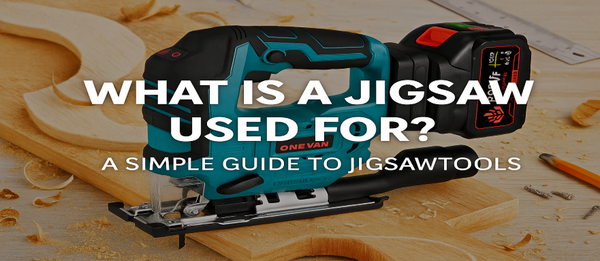
Credit: onevantool.com
Selecting Blades For Metal Cutting
Choosing the right blade is key for cutting metal with a jigsaw. The blade affects the cut’s speed and quality. Not all blades work well on metal.
Focus on blade material, tooth design, size, and teeth per inch (TPI) for best results. This guide helps you pick the right blade for metal cutting.
Blade Materials And Tooth Design
Blades made from high-speed steel (HSS) are common for metal. They last longer and cut cleanly. Bi-metal blades combine HSS teeth with flexible steel backs for durability.
- HSS blades resist heat and stay sharp
- Bi-metal blades bend without breaking easily
- Tungsten carbide blades cut very hard metals but cost more
- Tooth shape affects cutting speed and finish
- Fine teeth give smooth cuts on thin metal
- Variable tooth design reduces vibration
Blade Size And Tpi For Different Metals
Blade size and teeth per inch (TPI) must match the metal type and thickness. Thin metals need fine teeth, thick metals need coarser teeth.
| Metal Type | Recommended TPI | Blade Size |
| Thin Sheet Metal (up to 1/8 inch) | 18-24 | 3-4 inches |
| Medium Thickness Metal (1/8 to 1/4 inch) | 14-18 | 4-6 inches |
| Thick Metal (over 1/4 inch) | 6-10 | 6-8 inches |
| Non-Ferrous Metals (Aluminum, Copper) | 10-14 | 4-6 inches |
Preparing The Metal Surface
Preparing the metal surface is important before cutting with a jigsaw. Clean and secure the metal to get a smooth cut.
This step helps prevent damage to the blade and keeps the cut line clear and accurate.
Cleaning And Marking The Cut Line
Remove dirt, grease, and rust from the metal surface. Use a wire brush or cloth with a cleaner.
After cleaning, mark the line where you want to cut. Use a ruler and a permanent marker for accuracy.
- Use a straightedge for long cuts
- Mark clearly with a bright color
- Double-check measurements before marking
Securing The Metal Workpiece
Clamp the metal firmly to a workbench or table. This stops it from moving during cutting.
Use strong clamps that fit the metal size. Make sure the clamps do not block the cut line.
- Place clamps near the edges
- Check stability before starting
- Use a non-slip pad under the metal if needed
Credit: onevantool.com
Setting Up The Jigsaw
Setting up your jigsaw correctly is important for cutting metal safely and smoothly. You need to prepare the tool before you start cutting.
This guide covers how to adjust speed and stroke settings and how to install and test the blade.
Adjusting Speed And Stroke Settings
Set the right speed and stroke length for metal cutting. Different metals need different settings.
Slower speeds work best for hard metals to avoid overheating. Faster speeds suit softer metals.
- Start with a low speed setting
- Increase speed slowly if needed
- Use a longer stroke for thicker metal
- Use a shorter stroke for thin metal to prevent bending
Installing And Testing The Blade
Choose a blade made for metal cutting with fine teeth. Installing the blade correctly is key.
Make sure the blade is tight and straight. Test the blade by running the jigsaw on a scrap piece of metal.
- Turn off and unplug the jigsaw before installing
- Open the blade clamp and insert the blade teeth facing forward
- Tighten the clamp securely
- Check the blade does not wobble
- Test cut on scrap metal to ensure smooth cutting
Cutting Techniques For Precision
Using a jigsaw to cut metal requires focus and steady hands. Precision cuts help your project look neat and fit well.
These techniques will guide you in making clean and accurate cuts with your jigsaw on metal surfaces.
Starting The Cut Smoothly
Begin your cut by marking the line clearly on the metal. Secure the metal piece firmly to prevent movement.
- Use a center punch to create a small dent on the start point.
- Choose the right blade designed for metal cutting.
- Set the jigsaw speed to low or medium to avoid jumping.
- Start the saw just outside the line for better control.
- Let the blade reach full speed before touching the metal.
Maintaining Control And Stability
Keep a steady grip on the jigsaw handle. Use both hands if possible to improve control.
| Tip | Why It Helps |
|---|---|
| Use clamps to hold metal | Prevents vibration and movement |
| Keep feet firmly planted | Improves balance and control |
| Do not force the saw | Prevents blade bending or breaking |
Navigating Curves And Corners
Cutting curves needs patience. Move the saw slowly and follow the line closely.
- Use a narrow blade suited for curves.
- Make relief cuts to help turn tight corners.
- Guide the saw gently without pushing hard.
- Stop and adjust your position if needed.
- Wear safety glasses to protect from sparks and metal shavings.
Safety Tips While Cutting Metal
Cutting metal with a jigsaw needs care and attention. Safety helps prevent injuries and accidents.
Always prepare before starting your metal cutting project. Use the right tools and follow simple safety steps.
Protective Gear Essentials
Wear protective gear to shield yourself from sparks, metal shards, and loud noise. This gear keeps you safe.
- Safety goggles protect your eyes from flying debris.
- Heavy-duty gloves guard your hands from sharp edges.
- Wear a long-sleeve shirt and long pants to cover your skin.
- Use earplugs or earmuffs to reduce noise from the jigsaw.
- Wear a dust mask to avoid breathing metal dust.
Avoiding Common Hazards
Know the risks when cutting metal. Avoid mistakes that cause accidents and damage.
| Hazard | How to Avoid |
| Metal burrs and sharp edges | Wear gloves and smooth edges after cutting |
| Loose clothing or jewelry | Remove or secure to prevent catching in the jigsaw |
| Unstable workpiece | Clamp the metal firmly before cutting |
| Improper blade type | Use blades made for metal cutting only |
| Poor lighting | Work in a well-lit area to see clearly |
Post-cutting Finishing
After cutting metal with a jigsaw, finishing the edges is important. This makes the metal safe to handle and ready for use.
Proper cleaning and storing of your tools helps keep them in good shape for future jobs.
Removing Burrs And Sharp Edges
Burrs and sharp edges can cause cuts or damage. Use tools like files or sandpaper to smooth the metal edges after cutting.
- Wear safety gloves before handling sharp edges.
- Use a metal file to gently remove burrs.
- Sand the edges with fine-grit sandpaper for a smooth finish.
- Check the edge with your hand carefully to ensure no sharp spots remain.
Cleaning And Storing Equipment
Cleaning your jigsaw and blades extends their life. Proper storage keeps tools safe and ready to use.
| Task | How to Do It |
| Clean Blade | Remove metal dust with a dry cloth after use. |
| Lubricate Parts | Apply light oil to moving parts to prevent rust. |
| Store Jigsaw | Keep in a dry place, away from moisture. |
| Check Blades | Replace dull blades before next use. |

Credit: onevantool.com
Frequently Asked Questions
What Type Of Jigsaw Blade Is Best For Metal Cutting?
Use a fine-toothed, high-speed steel (HSS) blade for cutting metal. This blade ensures clean, precise cuts and lasts longer when working with metal materials.
How Do I Prepare Metal For Jigsaw Cutting?
Secure the metal firmly on a stable surface. Mark the cut line clearly and wear safety gear like gloves and goggles before starting.
What Speed Settings Work Best For Cutting Metal With A Jigsaw?
Use a slower speed setting to avoid overheating the blade. A moderate speed allows for better control and cleaner cuts on metal surfaces.
Can I Cut Thick Metal Sheets With A Jigsaw?
Yes, but use a powerful jigsaw with the right blade. Cutting thick metal requires patience and steady pressure to avoid blade damage.
Conclusion
Operating a jigsaw for metal cutting can be simple and safe. Choose the right blade and steady your workpiece. Move the saw slowly to avoid mistakes or damage. Always wear safety gear to protect your eyes and hands. Practice on scrap metal to build confidence.
With care and patience, you can achieve clean, precise cuts. Keep your tools sharp and your workspace organized. Enjoy the process and improve your skills step by step.