Are you ready to master the art of using a table saw for MDF projects? Imagine effortlessly cutting through MDF like a pro, creating precise and perfect pieces every time.
This guide is tailored for you, whether you’re a seasoned DIY enthusiast or a woodworking novice. We’ll walk you through each step, ensuring you avoid common mistakes and maximize your efficiency. By the end of this article, you’ll feel empowered and confident with your table saw skills.
Dive in, and let’s transform your woodworking experience from daunting to delightful!
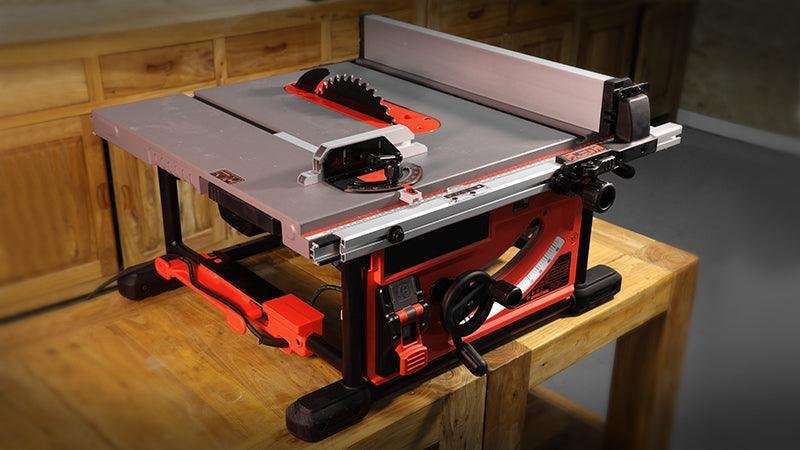
Choosing The Right Table Saw
Choosing the right table saw is important for cutting MDF safely and accurately. MDF is dense and can wear down blades fast. The saw must handle this material well.
This guide explains types of table saws, features for MDF cutting, and blade selection. Use this to pick a saw that fits your needs.
Types Of Table Saws
There are three main types of table saws. Each has strengths and limits for MDF cutting.
- Portable Table Saws:Small and light. Good for small MDF projects but less power and stability.
- Contractor Table Saws:Medium size. More power and better fence system. Suitable for moderate MDF work.
- Cabinet Table Saws:Large, heavy, and powerful. Best for long MDF cuts and frequent use.
Features For Mdf Cutting
Some table saw features help with cutting MDF cleanly and safely. Look for these when choosing your saw.
| Feature | Benefit for MDF |
| Powerful Motor (at least 1.5 HP) | Prevents bogging down in dense MDF |
| Stable Fence System | Keeps cuts straight and precise |
| Dust Collection Port | Reduces dust for cleaner work area |
| Adjustable Blade Height and Angle | Allows precise depth and bevel cuts |
Blade Selection
Blade choice affects cut quality and blade life. MDF needs a blade that cuts cleanly and lasts longer.
- Use a carbide-tipped blade for durability.
- Choose a blade with 60 to 80 teeth for smooth cuts.
- Select a blade designed for fine woodworking or laminates.
- A thin-kerf blade reduces waste and strain on the saw.

Credit: www.axminstertools.com
Preparing Your Workspace
Setting up your workspace is important before using a table saw for MDF. A safe and organized area helps you work well and avoid accidents.
Focus on a clear surface, good lighting, and dust collection. These three things make your work easier and safer.
Clear And Stable Surface
Use a flat, strong table or bench to hold your MDF and saw. Make sure it does not wobble or move. Keep the area free from clutter to avoid tripping or knocking things over.
- Clear the table of tools and scraps
- Check the surface is level with a spirit level
- Use clamps to hold MDF steady
- Keep cords and cables out of the way
Proper Lighting
Good lighting helps you see the cut lines clearly. It also improves safety by showing any hazards near the saw.
- Use bright LED lights above your workspace
- Position lights to avoid shadows on the cutting line
- Consider a portable lamp for extra focus
- Check bulbs regularly and replace if dim
Dust Collection Setup
MDF dust is fine and can harm your lungs. Use a dust collection system to keep the air clean and your work area tidy.
| Dust Collection Method | Description | Benefits |
| Vacuum Attachment | Connects to the saw’s dust port | Captures dust at the source |
| Shop Vacuum | Powerful vacuum with large capacity | Handles large amounts of dust |
| Air Filtration System | Filters dust from the air | Improves overall air quality |
Safety Gear Essentials
Operating a table saw for MDF requires careful attention to safety. Wearing the right gear protects you from dust, noise, and debris.
Using safety equipment reduces the risk of injury and keeps you comfortable during work.
Eye And Ear Protection
Eye and ear protection are vital when cutting MDF. Sawdust can irritate or injure your eyes. Loud noise from the saw can damage your hearing.
- Wear safety goggles that fit snugly around your eyes
- Use ear plugs or earmuffs to reduce noise exposure
- Choose anti-fog goggles if working in humid areas
- Inspect your protective gear for cracks or damage before use
Respiratory Masks
MDF dust contains fine particles that can harm your lungs. A good respirator mask filters these particles and keeps you safe.
| Mask Type | Protection Level | Use Case |
| N95 Respirator | Filters 95% of particles | General MDF cutting |
| P100 Respirator | Filters 99.97% of particles | Heavy dust exposure |
| Disposable Dust Mask | Basic dust protection | Short tasks with light dust |
Appropriate Clothing
Wear clothes that protect your skin and do not get caught in the saw. Loose clothing is dangerous near moving blades.
Follow these clothing tips:
- Wear long sleeves made of sturdy fabric
- Avoid loose sleeves, jewelry, or ties
- Use closed-toe shoes with good grip
- Tuck in shirts to prevent snagging
Credit: www.naturecoastdulcimerworks.com
Setting Up The Table Saw
Setting up your table saw correctly is important for cutting MDF safely and accurately. Proper setup helps you get clean cuts and avoid accidents.
Start by adjusting the blade, aligning the fence, and supporting the material well. These steps prepare your saw for the best performance.
Blade Height And Angle Adjustment
Set the blade height so it is just above the thickness of the MDF. This reduces tear-out and improves safety.
Adjust the blade angle if you need angled cuts. Make sure the angle is locked firmly to keep cuts straight and consistent.
- Blade height should be about 1/8 inch above MDF thickness
- Check blade angle with a reliable gauge
- Lock the blade securely after adjustment
Fence Alignment
Align the fence parallel to the blade. This helps you make straight, accurate cuts in the MDF sheets.
Double-check the fence distance from the blade using a measuring tape or ruler. Adjust if needed to maintain consistent cuts.
- Loosen fence locks before adjusting
- Use a square or ruler to check parallel alignment
- Tighten fence locks firmly after setting
Secure Material Support
Support the MDF sheet well on both sides of the blade. This prevents the material from tipping or binding during the cut.
Use extension tables or stands if needed. Clamps can also hold the MDF steady while you cut.
- Place supports at the same height as the table saw surface
- Use clamps to keep MDF from moving
- Clear the work area of scraps and dust
Cutting Techniques For Mdf
Cutting MDF requires care to get smooth and accurate results. Using the right techniques helps avoid damage.
Good cutting practices keep your MDF clean and reduce dust. They also make your work safer.
Straight Cuts
Make straight cuts by setting a fence on your table saw. This guides the MDF and keeps the cut even.
Use a sharp blade made for fine cuts. Move the MDF slowly and steadily through the blade.
- Set the fence firmly for a straight path
- Use a fine-toothed blade for smooth edges
- Keep the MDF flat on the table
- Push the board with steady pressure
Crosscuts
Crosscuts are cuts made across the MDF grain. Use a miter gauge to hold the board at the right angle.
Cut slowly and keep the board firmly against the gauge. This helps prevent wobbly cuts and uneven edges.
- Use a miter gauge for support
- Hold the MDF tightly to avoid movement
- Cut at a steady speed to keep control
- Check the blade angle before cutting
Avoiding Tear-out
Tear-out happens when the MDF fibers splinter on the cut edge. It makes the edge rough and uneven.
Use painter’s tape on the cut line to reduce splintering. Also, cut with the good face down to protect it.
- Apply painter’s tape along the cut line
- Cut with the finished side facing down
- Use a blade with many teeth for a cleaner cut
- Make a shallow scoring cut before the full cut

Credit: powertecproducts.com
Handling Common Hazards
Using a table saw for MDF can be dangerous without care. It is important to know the risks and how to stay safe.
This guide covers three key hazards and ways to handle them safely while working with MDF on a table saw.
Kickback Prevention
Kickback happens when the wood suddenly jumps back toward you. It can cause serious injury. Preventing kickback is very important.
Keep the MDF pressed tightly against the fence and use a riving knife if available. Never stand directly behind the saw blade.
- Use a sharp blade designed for MDF
- Feed the wood slowly and evenly
- Keep the fence and blade aligned
- Use push sticks to guide the wood
- Do not cut warped or twisted MDF
Dealing With Dust
MDF dust is fine and can harm your lungs. Always control dust to keep your workspace clean and safe.
Use a dust collection system or vacuum near the blade. Wear a dust mask or respirator to protect your breathing.
- Turn on dust extraction before cutting
- Wear eye protection to avoid dust irritation
- Clean the work area regularly
- Use a mask rated for fine dust particles
Avoiding Blade Contact
Blade contact causes severe cuts. Keep hands and fingers away from the blade at all times.
Use push sticks or push blocks to move small pieces. Turn off the saw before adjusting or clearing the blade area.
- Always focus on the cutting area
- Do not wear loose clothing or jewelry
- Keep the blade guard in place
- Use proper hand positions and tools
Maintenance Tips For Safety
Keeping your table saw in good shape helps you work safely and get clean cuts. Regular care prevents accidents and machine damage.
Follow these maintenance tips to keep your table saw safe when cutting MDF.
Blade Cleaning And Sharpening
Clean the blade often to remove resin and dust that build up during cutting. A dirty blade can cause rough cuts and increase the risk of kickback.
Sharpen the blade regularly to keep it cutting smoothly. A sharp blade reduces the chance of binding and helps maintain control.
- Use a brush or cloth to clean the blade after each use
- Apply a blade cleaner to remove sticky residue
- Sharpen or replace the blade when it becomes dull
- Check for missing or damaged teeth before use
Regular Inspection
Look over your table saw before every use. Check for loose parts and any damage to the saw and its components.
Inspect the power cord, blade guard, and fence. Fix or replace any worn or broken parts to avoid accidents.
- Check the blade guard for proper function
- Ensure the fence locks securely in place
- Look for cracks or damage on the table surface
- Test the power switch and emergency stop
Lubrication And Adjustments
Keep moving parts lubricated to reduce wear and keep the saw running smoothly. Proper lubrication prevents sticking and uneven cuts.
Adjust the blade height, angle, and fence alignment as needed. Correct adjustments improve safety and cutting accuracy.
- Apply lubricant to the blade arbor and gears
- Keep the fence tracks clean and lubricated
- Check and adjust blade height and angle before use
- Tighten all knobs and bolts securely
Frequently Asked Questions
What Blade Type Is Best For Cutting Mdf On A Table Saw?
A carbide-tipped blade with 40-60 teeth is ideal for MDF. It ensures smooth, clean cuts and reduces chipping. Avoid blades meant for wood as they can cause rough edges on MDF surfaces.
How To Adjust Table Saw Settings For Mdf Cutting?
Set the blade height slightly above the MDF thickness. Use a slower feed rate to prevent burning. Ensure the fence is locked firmly to guide straight cuts.
Is It Safe To Cut Mdf On A Table Saw?
Yes, but always wear a dust mask and eye protection. MDF dust is fine and harmful to breathe. Use dust extraction or a vacuum system for safety.
How To Prevent Chipping When Cutting Mdf?
Use a fine-toothed blade and a zero-clearance insert. Cut slowly and support the MDF properly. Scoring the cut line beforehand can also reduce chipping.
Conclusion
Operating a table saw for MDF requires care and attention. Always keep safety first by wearing protective gear. Use sharp blades designed for MDF to get clean cuts. Measure twice and cut once to avoid mistakes. Keep your workspace clean to work smoothly.
With these simple steps, cutting MDF becomes easier and safer. Practice slowly to gain confidence and improve skills. Enjoy your woodworking projects with better results every time.