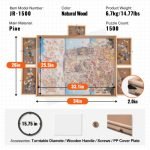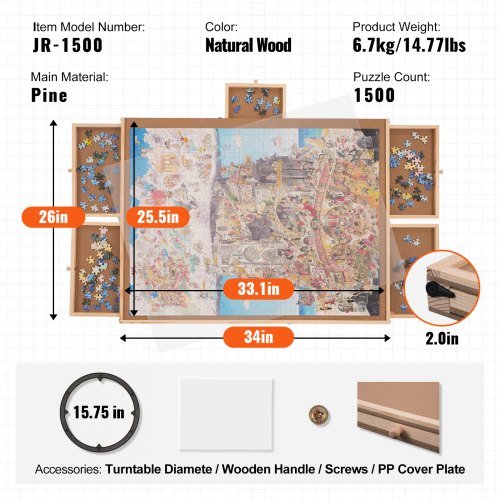
Are you tired of spending more time searching for the right jigsaw than actually putting the pieces together? Organizing your jigsaw puzzles by size can save you hours of frustration and make your puzzle time more enjoyable.
Imagine opening your puzzle box and instantly knowing exactly where each piece belongs. In this guide, you’ll discover simple, effective ways to sort and store your jigsaws so you can focus on the fun part—solving them. Keep reading to unlock easy tips that will transform your puzzle experience forever.
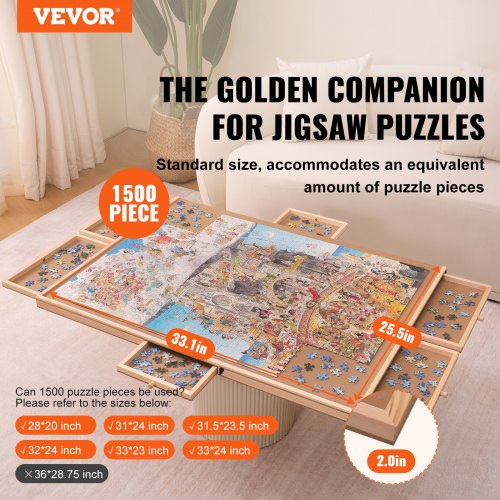
Credit: www.vevor.ca
Benefits Of Sorting By Size
Sorting jigsaw pieces by size helps you organize your puzzle better. It makes the whole process easier and faster.
When pieces are grouped by size, you can find what you need without searching through all parts. This saves time and reduces frustration.
Speeds Up Puzzle Assembly
Sorting pieces by size lets you quickly find parts that fit together. You can start with bigger pieces or edges first.
Smaller pieces can be set aside and added later. This way, you build the puzzle step by step without confusion.
- Find large edge pieces faster
- Group similar-sized pieces for quick access
- Focus on building sections in order
Improves Storage Efficiency
When pieces are sorted by size, you can store them neatly in containers or bags. This keeps your puzzle tidy and easy to manage.
It also protects small pieces from getting lost or mixed with others. Organized storage saves space and keeps pieces safe.
- Use small containers for tiny pieces
- Keep large pieces separate to avoid damage
- Label storage bags by size for quick finding
Simplifies Piece Identification
Sorting by size makes it easier to spot the piece you need. Pieces of similar shapes and sizes are grouped together.
This reduces the time spent searching for the right piece. It helps you focus on the puzzle instead of digging through piles.
- Quickly compare pieces of the same size
- Identify unique shapes within size groups
- Reduce mistakes by sorting before fitting
Tools For Sorting Jigsaw Pieces
Sorting jigsaw pieces by size helps you complete puzzles faster. Using the right tools makes sorting easier and more organized.
This guide covers useful tools to help you sort your jigsaw pieces effectively. You will learn about trays, magnifying glasses, mats, and labeling supplies.
Sorting Trays And Containers
Sorting trays and containers keep puzzle pieces separated by size or shape. They help stop pieces from mixing together again.
Use small trays with compartments or containers with lids. This way, you can store pieces safely and find them easily.
- Plastic trays with multiple sections
- Stackable containers with clear lids
- Shallow bowls or plates for quick sorting
Magnifying Glasses And Sorting Mats
Magnifying glasses help you see small puzzle details clearly. This makes sorting by size or edge type easier.
Sorting mats give you a clean, flat space to work on. They keep pieces from sliding and make sorting faster.
- Handheld magnifiers for close-up views
- Magnifying lamps for better light and zoom
- Non-slip sorting mats to hold pieces in place
Labeling Supplies
Labeling supplies help you mark trays and containers. This keeps your sorting system clear and easy to follow.
Use simple labels or color codes to separate pieces by size or shape. This saves time when searching for pieces later.
- Sticky labels with size or shape names
- Colored tape to mark different groups
- Dry erase markers for reusable containers
Techniques For Size Sorting
Sorting jigsaw puzzle pieces by size helps you find the right pieces faster. It makes assembling the puzzle easier and more enjoyable.
Use simple techniques to group pieces with similar sizes. This keeps your workspace neat and organized.
Grouping By Piece Dimensions
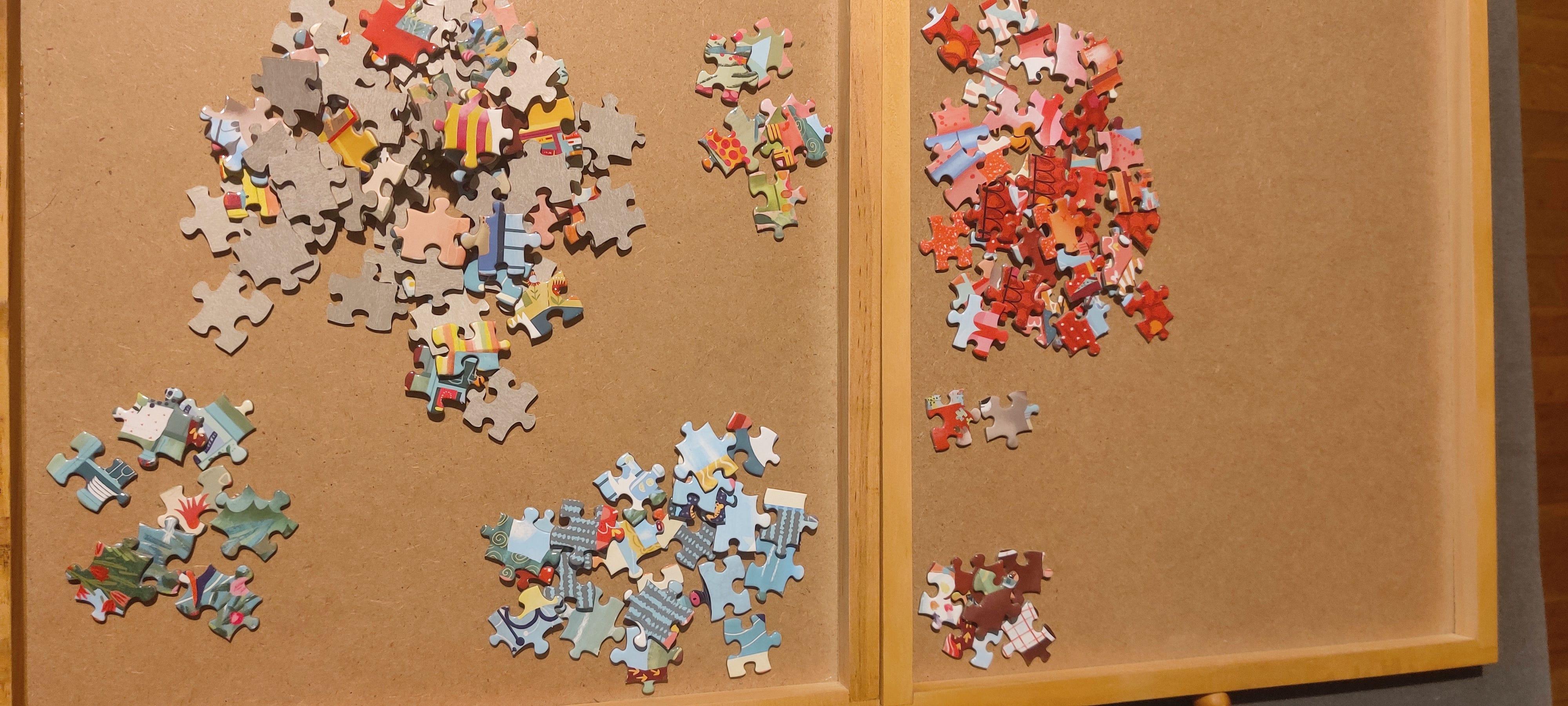
Start by sorting pieces based on their length and width. Measure or compare pieces to group those of similar size.
Separate small, medium, and large pieces into different piles. This helps you focus on one size group at a time.
- Small pieces fit in tight spaces
- Medium pieces often form the main image
- Large pieces are easier to spot and place
Using Edge And Corner Pieces
Edge and corner pieces are usually larger and have unique shapes. Separate these pieces first to build the puzzle frame.
Sorting edges by size makes it easier to find matching parts. This reduces the time spent searching for frame pieces.
- Corner pieces have two straight edges
- Edge pieces have one straight edge
- Group edges by length and shape
Separating Similar Shapes
Pieces with similar shapes can be confusing. Sort these pieces by comparing their tabs and blanks carefully.
Keep pieces with matching shapes in the same group. This helps you find pieces that fit together faster.
- Group pieces with one tab and one blank
- Separate pieces with two tabs or blanks
- Use shape differences to narrow down options
Credit: krystalcarpintieri.medium.com
Storage Solutions By Size
Organizing jigsaw puzzles by size helps keep your space tidy. It also makes finding puzzles easier. Choosing the right storage fits your puzzle collection well.
Different storage options suit different puzzle sizes. Use containers that protect pieces and save room on shelves or drawers.
Stackable Boxes
Stackable boxes save space by fitting neatly on top of each other. They come in many sizes to match puzzle dimensions. Clear boxes help you see the contents without opening them.
- Choose boxes with lids to protect puzzles from dust.
- Label each box with puzzle size and piece count.
- Keep small puzzles in smaller boxes to avoid empty space.
- Large puzzles fit best in wide, flat boxes for stability.
Drawer Organizers
Drawer organizers divide drawer space into sections. They work well for sorting puzzles by size or theme. Use adjustable dividers for flexible storage.
| Drawer Size | Best Puzzle Size | Material |
|---|---|---|
| Small (10×10 inches) | Up to 300 pieces | Plastic or wood |
| Medium (15×15 inches) | 300 to 1000 pieces | Plastic with adjustable dividers |
| Large (20×20 inches) | 1000+ pieces | Wood with fixed sections |
Zip Bags And Envelopes
Zip bags and envelopes are flexible storage for small puzzles or loose pieces. They keep pieces together and fit easily in boxes or drawers. Label bags clearly to avoid confusion.
- Use resealable zip bags for puzzles with up to 500 pieces.
- Choose heavy-duty plastic bags to prevent tearing.
- Envelopes work well for puzzle instructions or small pieces.
- Group puzzles by size or theme inside bags or envelopes.
Maintaining Sorted Jigsaws
Keeping jigsaw puzzles sorted by size helps you find pieces faster. It also makes puzzles easier to complete and store.
Organizing puzzles takes some effort, but regular care keeps them neat. Use simple habits to maintain your sorted jigsaw collection.
Regular Re-sorting
Pieces can get mixed up after use. Check your jigsaw pieces often and re-sort them by size. This keeps your collection ready for the next puzzle.
Set a schedule to sort your puzzles. This can be once a week or after each puzzle session. Sorting often prevents big messes later.
- Gather all puzzle pieces
- Separate pieces into size groups
- Check for missing or extra pieces
- Place sorted pieces in labeled containers
Cleaning Pieces Before Sorting
Dust and dirt can stick to puzzle pieces over time. Clean pieces before sorting to keep them in good shape. Clean pieces fit together better.
Use a soft cloth or a dry brush to remove dust. Avoid using water, which can damage pieces. Clean pieces make sorting easier.
- Use a soft brush to dust pieces
- Wipe with a dry, soft cloth
- Do not use water or cleaning liquids
- Clean pieces before placing in storage
Labeling Completed Sets
Label containers with puzzle details. This helps you find sets quickly. Include puzzle name and piece count on labels.
Use clear, easy-to-read labels. Labeling keeps your puzzles organized and prevents mix-ups. It saves time when picking a puzzle.
- Write puzzle name on each container
- Add total piece count on the label
- Use permanent markers or printed labels
- Place labels on container lids or sides

Credit: fullcirclewithjess.com
Tips For Sorting Large And Complex Puzzles
Sorting large jigsaw puzzles can feel overwhelming at first. Organizing pieces by size helps you find matches faster. This guide shares simple ways to sort big and tricky puzzles.
These tips make working on complex puzzles more fun and less frustrating. You will learn how to break puzzles into parts, use digital tools, and get help from others.
Breaking Down Into Sections
Divide the puzzle into smaller sections to manage it better. Sorting pieces by edges and colors helps. Group pieces that fit a part of the picture.
- Separate edge pieces from middle pieces
- Group pieces by similar colors or patterns
- Sort pieces by size within each group
- Work on one section at a time
Using Digital Tools
Use apps or software to help organize and track puzzle progress. Some tools let you take pictures and mark completed sections. This saves time and avoids confusion.
| Tool | Feature |
| Puzzle Tracker App | Track completed sections |
| Photo Organizer | Sort pictures by puzzle areas |
| Online Puzzle Forums | Get tips and share progress |
Enlisting Help From Others
Invite friends or family to help sort and build the puzzle. More hands speed up the process. Assign each person a section or task to stay organized.
Tips for working with others:
- Clear the workspace for everyone
- Label sections to avoid mix-ups
- Share sorting tools like trays or containers
- Communicate progress regularly
Frequently Asked Questions
How Do I Sort Jigsaws By Size Effectively?
Sort jigsaws by measuring each puzzle’s dimensions. Group them into categories like small, medium, and large. Use labeled containers or trays for easy access. This method keeps pieces organized and simplifies puzzle selection and storage.
What Tools Help Organize Jigsaws By Size?
Use measuring tapes, labeled boxes, and stackable trays to organize jigsaws by size. These tools help keep puzzles separated and protected. Clear labels improve visibility and accessibility, making your collection neat and user-friendly.
Why Organize Jigsaws Based On Size?
Organizing jigsaws by size saves space and reduces clutter. It makes finding puzzles faster and protects pieces from mixing. Size-based sorting improves storage efficiency and keeps your collection tidy and easy to manage.
Can I Store Different Sized Jigsaws Together?
Storing different sized jigsaws together can cause piece mixing and damage. It’s best to separate puzzles by size to maintain order. Use dividers or separate containers to keep pieces intact and organized.
Conclusion
Organizing jigsaws by size simplifies your puzzle-solving experience. Sorting pieces by size saves time and reduces frustration. You can easily find the right pieces without hassle. This method keeps your workspace tidy and efficient. Enjoy more time solving and less time searching.
Simple strategies make a big difference. Try this approach and see the improvement. Happy puzzling!