Are your pliers all over the place, making it hard to find the right one when you need it? Imagine saving time and avoiding frustration every time you reach for your tools.
Organizing your pliers by type can do just that—turn your clutter into order and boost your efficiency. In this guide, you’ll discover simple, practical ways to sort and store your pliers so they’re always easy to grab. Keep reading, and you’ll transform your workspace into a neat, stress-free zone.

Credit: www.miamiherald.com
Types Of Pliers
Pliers are tools used to grip, bend, and cut materials. They come in different types for many jobs.
Knowing each type helps you organize and choose the right pliers for your work.
Slip-joint Pliers
Slip-joint pliers have adjustable jaws that open wider or narrower. They work well for gripping different sizes.
They are common in home toolkits and can handle many tasks like holding or twisting objects.
- Adjustable pivot point
- Two jaw positions
- Good for gripping and turning
Needle-nose Pliers
Needle-nose pliers have long, thin jaws. They reach into tight spaces and hold small parts well.
They are useful for bending wire, making loops, and working with electronics or jewelry.
- Long, pointed jaws
- Fine grip for precision work
- Ideal for small, delicate tasks
Cutting Pliers
Cutting pliers have sharp edges to cut wire, nails, and other materials. They come in many styles.
Side cutters and diagonal cutters are common types used to make clean cuts.
- Sharp cutting edges
- Used for trimming and cutting
- Often insulated for electrical work
Locking Pliers
Locking pliers clamp tightly and stay locked. You can use them hands-free to hold objects firmly.
They work well for gripping round objects or holding parts during repairs.
- Adjustable locking mechanism
- Strong grip without effort
- Great for holding or twisting
Linesman Pliers
Linesman pliers combine gripping jaws with a cutting edge. Electricians use them for twisting wire and cutting.
They have a strong build and can hold, bend, or cut thick wires easily.
- Flat gripping jaws
- Cutting edges near the pivot
- Used for heavy-duty electrical work

Credit: www.amazon.ca
Benefits Of Organizing Pliers
Organizing pliers by type helps keep your workspace neat. It makes finding the right tool faster and easier.
Good organization also protects your pliers and improves safety. These benefits save time and money over time.
Improved Efficiency
When pliers are sorted by type, you spend less time searching. It is easy to grab the tool you need quickly.
This helps complete tasks faster and reduces frustration. Organized tools keep your work moving smoothly.
- Quick access to the right pliers
- Less time spent searching
- Smoother workflow and faster work
Enhanced Tool Longevity
Organizing pliers keeps them from getting damaged. Tools stored properly avoid rust, bending, and wear.
Proper storage helps pliers last longer. This saves money by reducing the need for replacements.
- Prevents tool damage
- Reduces rust and wear
- Extends tool life
Safety Considerations
Organized pliers reduce the chance of accidents. Tools left out can cause trips or cuts.
Safe storage keeps sharp edges away from hands. It also stops tools from falling and causing injuries.
- Reduces risk of trips and falls
- Keeps sharp edges protected
- Prevents tools from falling
Storage Solutions For Pliers
Organizing pliers by type helps keep your workspace neat. It also makes it easy to find the right tool quickly.
There are several storage options to fit different needs and spaces. Choose the one that works best for your tools.
Toolboxes And Trays
Toolboxes with trays are a common way to store pliers. You can sort them by size or type in different sections.
Trays keep pliers from moving around and protect their tips from damage. This setup works well for portable storage.
- Use removable trays for easy access
- Label each section for quick identification
- Choose trays with foam inserts for extra protection
Pegboards And Hooks
Pegboards offer a wall-mounted storage option. Hooks hold pliers upright and keep them visible.
This method saves drawer space and helps you spot the tool you need fast. It also keeps pliers off work surfaces.
- Arrange pliers by type on different hooks
- Use adjustable hooks for various sizes
- Add labels above each tool for easy finding
Magnetic Strips
Magnetic strips hold pliers securely on the wall. This keeps tools organized and easy to reach.
Magnetic storage works best for pliers with metal handles. It prevents clutter and frees up drawer space.
- Install strips at eye level for convenience
- Keep a clear space around each plier
- Use multiple strips for different plier types
Custom Drawer Inserts
Custom drawer inserts fit pliers perfectly. They keep tools in place and avoid damage from shifting.
Inserts can be made from foam or wood. They help organize pliers by type and size inside drawers.
- Measure your drawer to get the right fit
- Cut slots for each plier shape
- Label each slot to speed up tool selection
Labeling And Categorizing Tips
Organizing pliers by type helps you find the right tool fast. Clear labels and categories keep your workspace neat.
Use simple methods to label and sort your pliers. This saves time and reduces mistakes.
Color Coding
Color coding is an easy way to separate pliers by type or size. Use colored tape or paint on handles for quick ID.
Pick colors that stand out and stay consistent. This helps you spot the right pliers fast.
- Red for cutting pliers
- Blue for needle-nose pliers
- Green for slip-joint pliers
- Yellow for locking pliers
Tagging Techniques
Tags add clear labels on each plier. Use durable tags that resist wear and tear.
Write the tool type, size, or use on each tag. Attach tags with string or small clips for easy removal.
- Use waterproof markers to prevent fading
- Attach tags near the handle for easy reading
- Make tags large enough to read quickly
- Replace old tags regularly
Grouping By Function
Sort pliers into groups based on how you use them. This keeps similar tools together and easy to find.
Label each group clearly. Store them in separate bins, drawers, or sections of your tool rack.
- Cutting pliers for trimming wires
- Gripping pliers for holding objects
- Bending pliers for shaping metal
- Specialty pliers for unique jobs
Maintenance Practices
Organizing pliers by type helps keep your tools ready to use. Proper maintenance extends the life of your pliers. It also ensures safety and better performance.
Regular care involves cleaning, rust prevention, and inspection. Each step protects your pliers from damage and wear.
Cleaning And Lubrication
Cleaning pliers removes dirt and grime that can cause damage. Lubrication keeps the joints moving smoothly.
- Wipe pliers with a dry cloth after use
- Use mild soap and water for tougher dirt
- Dry completely to avoid moisture buildup
- Apply a light oil on the pivot area
- Work the joints to spread the lubricant evenly
Rust Prevention
Rust weakens metal and reduces tool life. Prevent rust by controlling moisture and storing pliers properly.
| Method | Description |
| Keep Dry | Store pliers in a dry place after cleaning |
| Use Rust Inhibitor | Apply rust-preventive spray or oil |
| Silica Gel Packs | Place packs in toolboxes to absorb moisture |
| Regular Use | Use pliers often to prevent rust buildup |
Regular Inspection
Check pliers often for wear or damage. Early detection prevents accidents and tool failure.
- Look for cracks or chips in the jaws
- Test the grip and alignment of the handles
- Check pivot tightness and smooth movement
- Replace or repair damaged parts immediately

Credit: toolguyd.com
Expert Hacks For Space Optimization
Organizing pliers by type helps save space and speeds up work. Keeping tools tidy avoids clutter and damage.
Using smart storage ideas makes your workspace neat and easy to use. Here are tips for organizing pliers efficiently.
Vertical Storage Ideas
Vertical storage uses wall or board space to hold pliers. It keeps tools visible and easy to grab.
Hang pliers on pegboards or magnetic strips. This frees up drawer space and keeps tools sorted by type.
- Use pegboards with hooks for different pliers
- Magnetic strips hold metal pliers firmly
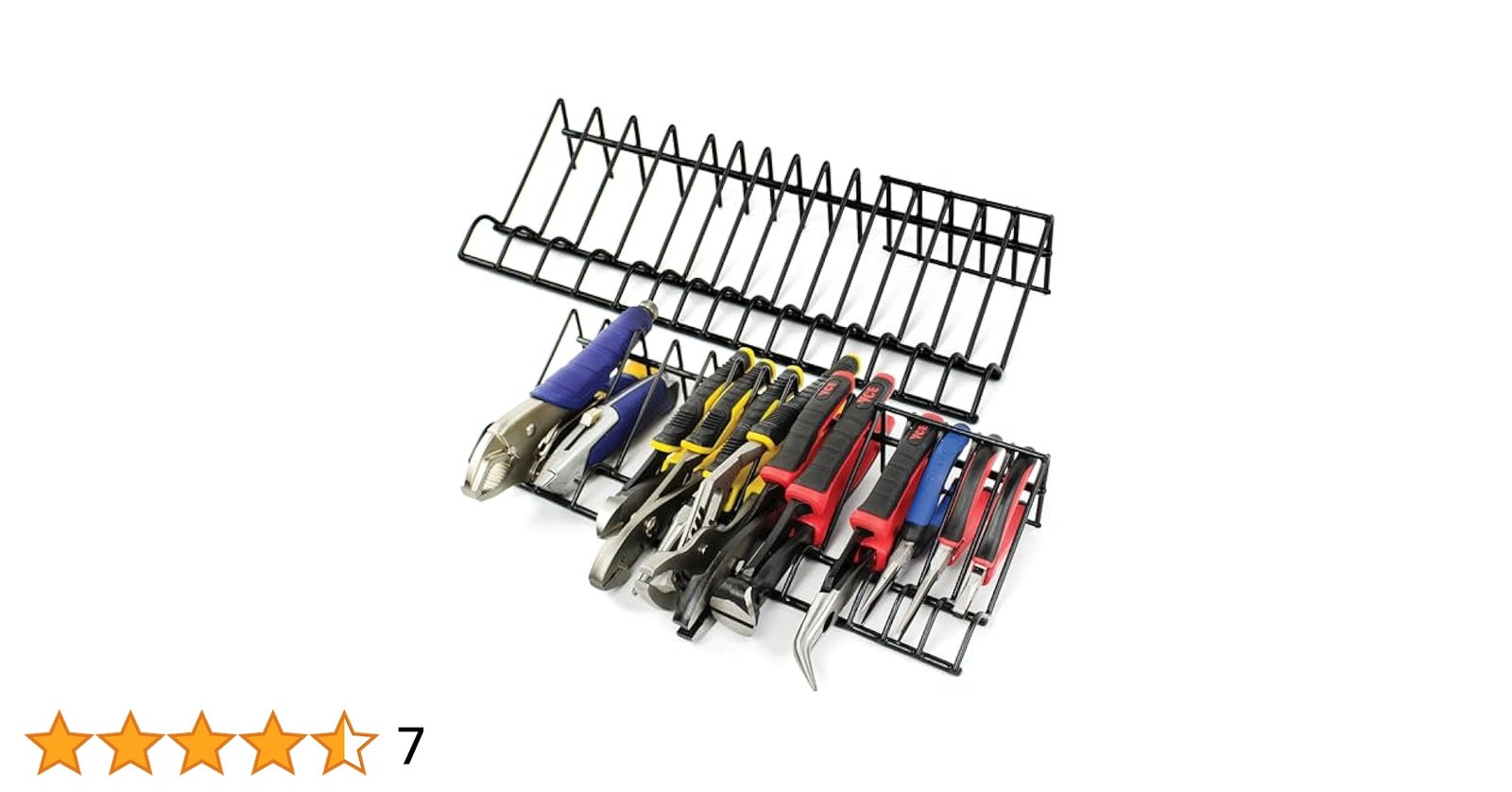
- Install wall racks with slots for handles
- Label each spot for quick ID
Portable Organizers
Portable organizers store pliers in compartments or pouches. They keep tools safe and easy to carry.
Choose organizers with adjustable slots to fit different plier sizes. This saves space and keeps items from moving.
- Use tool rolls with pockets for each plier
- Plastic cases with foam inserts protect tools
- Compact boxes with dividers separate types
- Clear lids help find pliers quickly
Multi-tool Holders
Multi-tool holders keep several pliers in one place. They save space and group tools by use.
Look for holders with slots or clips that fit your plier types. This keeps tools secure and organized.
- Stand-up holders hold pliers upright on desks
- Wall-mounted racks fit multiple pliers side by side
- Rotating holders allow easy access to all tools
- Combine holders with labels for fast sorting
Frequently Asked Questions
What Are The Main Types Of Pliers To Organize?
The main types include needle-nose, slip-joint, lineman’s, and cutting pliers. Each type serves specific tasks. Organizing by type helps find tools quickly and protects them from damage.
How Can I Efficiently Store Pliers By Type?
Use labeled compartments, magnetic strips, or pegboards. Group similar pliers together for easy access. This method saves space and improves tool management.
Why Organize Pliers By Their Specific Function?
Organizing by function speeds up work and reduces tool damage. It ensures you grab the right plier for each job. This practice enhances productivity and tool longevity.
Can Organizing Pliers Improve Workspace Safety?
Yes, organized pliers reduce clutter and minimize accidents. Proper storage prevents tools from falling or causing injuries. A tidy workspace also boosts focus and efficiency.
Conclusion
Organizing pliers by type saves time and effort. It helps you find the right tool fast. Keep similar pliers together in labeled compartments or trays. This system keeps your workspace neat and tools protected. Regularly check and clean your pliers for longer use.
A simple, clear setup makes any project easier. Start organizing today and enjoy a smoother workflow.