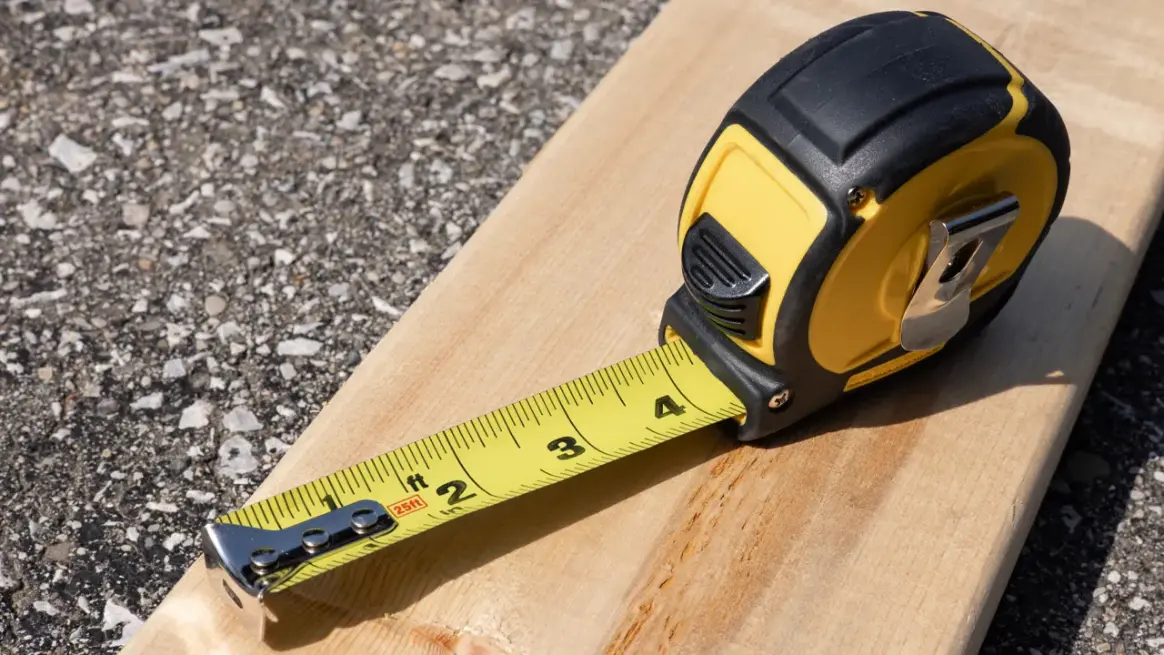
Are you tired of rummaging through a cluttered toolbox every time you need a tape measure or level? You’re not alone.
Keeping these essential tools organized can feel like an uphill battle, especially when you’re in the middle of a project and need them instantly. But imagine opening your toolbox and finding everything neatly in place, ready for use. Sounds like a dream, right?
In this guide, you’ll discover simple, effective strategies to organize your tape measures and levels, making your DIY projects smoother and more enjoyable. Say goodbye to frustration and hello to efficiency. Keep reading, and let’s transform your tool storage together.
Credit: medium.com
Choosing The Right Storage Space
Keeping tape measures and levels organized saves time and protects your tools. Picking the right storage space matters for easy access and safety.
Consider your workspace size and how often you use these tools. This guide covers wall-mounted options, workbench drawers, and portable cases.
Wall-mounted Options
Wall mounts help keep tape measures and levels visible and off the work surface. They save space and reduce clutter.
- Use hooks or brackets designed for each tool
- Place mounts near your main work area
- Label each spot for quick identification
- Keep tools at reachable height to avoid accidents
Workbench Drawers
Drawers in your workbench offer a protected space for tape measures and levels. They keep tools clean and secure.
| Benefit | Description |
| Protection | Keeps tools safe from dust and damage |
| Organization | Separate compartments help sort different sizes |
| Accessibility | Drawers close to work area save time |
| Space Usage | Uses existing furniture efficiently |
Portable Cases
Portable cases allow you to carry tape measures and levels easily to any job site. They keep everything together and prevent loss.
Choose a case with these features:
- Compartments for each tool
- Durable, water-resistant materials
- Lightweight design for easy transport
- Secure latches to prevent opening
Diy Storage Solutions
Keeping tape measures and levels organized makes your workspace safer and more efficient. Easy storage ideas help you find tools fast and keep your area neat.
Use simple materials to create smart storage. These ideas save space and protect your tools from damage.
Using Pegboards
Pegboards give you a way to hang tape measures and levels on the wall. You can see all your tools at once. Hooks hold tape measures, and long slots keep levels secure.
- Install pegboard on a wall near your workbench
- Use hooks to hang tape measures by their belt clips
- Place longer hooks or brackets for levels
- Label spots so tools return to the same place
Magnetic Strips
Magnetic strips hold metal tape measures and metal parts of levels. They keep tools off the bench and easy to grab. This method works best for tools with metal surfaces.
| Tool Type | Magnetic Strip Use |
| Steel Tape Measures | Hold securely on strip |
| Levels with Metal Edges | Stick flat against strip |
| Plastic Tools | Use alternate storage |
Repurposed Containers
Old boxes and jars can store tape measures and levels safely. This method is good for small spaces and keeps dust off your tools.
Try these container ideas:
- Use a small toolbox or tackle box with compartments
- Repurpose jars to hold rolled-up tape measures
- Cut old shoe boxes to fit levels and label them
- Mount containers on walls or shelves for easy reach
Organizing Tape Measures
Tape measures are tools used every day in many jobs. Keeping them neat saves time and avoids loss.
Organizing tape measures helps you find the right one quickly. It also keeps your workspace tidy and safe.
Labeling Techniques
Label each tape measure clearly to know its length or brand fast. Use tags or stickers that stick well.
Write labels in large letters. Use a permanent marker to avoid fading over time.
- Attach color-coded stickers for different lengths
- Use durable labels that resist dirt and water
- Place labels where they are easy to read
Size-based Arrangement
Sort tape measures by length to find the right size quickly. Group small, medium, and large tapes separately.
Use shelves or bins with dividers to keep sizes apart. This keeps your tools organized and easy to spot.
- Place shorter tapes in front or at the top
- Keep longer tapes in a separate section
- Label each section with the size range
Easy Access Tips
Store tape measures where you use them most. Keep them within reach to save time during work.
Use hooks or magnetic strips to hang tapes on the wall. This keeps them off surfaces and easy to grab.
- Keep tape measures near your workbench or tool belt
- Use a portable case if you move between job sites
- Return tapes to their spot after use
Credit: medium.com
Organizing Levels
Levels are essential tools that need careful storage. Organizing them properly keeps them safe and easy to find. This guide focuses on smart ways to organize levels efficiently.
Using the right storage methods helps protect your levels from damage. It also makes your workspace cleaner and more organized.
Vertical Storage Ideas
Storing levels vertically saves space and prevents bending. You can use wall hooks or a tall stand to keep them upright. This method keeps levels visible and easy to grab.
- Install sturdy hooks on a wall
- Use a pipe or rod to hold levels upright
- Place levels in a corner vertical rack
- Label each spot for quick access
Protecting Fragile Parts
Levels often have glass vials that can break easily. Protect these parts by storing levels in soft cases or padded holders. Avoid stacking levels directly on top of each other to reduce pressure.
| Protection Method | Details |
| Soft cases | Use padded or foam-lined cases for each level |
| Padded holders | Place levels in holders with cushioning material |
| Separate storage | Keep levels apart to avoid collisions |
Grouping By Type
Sort levels by size or type to find them faster. Group long levels together and keep small ones in a separate spot. Label each group clearly to avoid confusion.
- Place carpenter levels in one rack
- Keep torpedo levels in a small container
- Store laser levels in a dedicated shelf
Maintenance And Care
Proper maintenance keeps your tape measures and levels working well. Caring for them helps you avoid costly replacements.
Regular care also ensures accurate measurements and better project results. Follow simple steps to maintain your tools.
Cleaning Tips
Keep tape measures and levels clean to prevent dirt buildup. Dirt can cause damage and affect accuracy.
- Use a soft cloth to wipe the tools after use.
- Remove dust and debris from the tape blade carefully.
- Clean the level vials with a damp cloth and mild soap.
- Dry tools completely before storing them.
- Avoid harsh chemicals that can damage surfaces.
Regular Inspections
Check your tape measures and levels often to find problems early. Inspections help keep tools accurate and safe.
| Inspection Item | What to Look For | Action |
| Tape Blade | Cracks, kinks, or rust | Replace if damaged |
| Lock Mechanism | Sticking or slipping | Clean and lubricate |
| Level Vials | Leaks or bubbles | Replace the level |
| Case | Cracks or broken parts | Repair or replace |
Preventing Damage
Protect your tools from damage to extend their life. Use simple habits to avoid wear and tear.
- Store tape measures and levels in a dry place.
- Keep them in a toolbox or protective case.
- Do not drop or throw the tools.
- Retract tape blades slowly to avoid snapping.
- Keep tools away from extreme heat or cold.
Maximizing Small Spaces
Organizing tape measures and levels can be tough in small spaces. Smart storage helps keep your tools safe and easy to find.
Using simple tricks, you can fit more tools in less space. This guide shows ways to save room and stay organized.
Compact Storage Hacks
Small tools need small homes. Use wall-mounted racks to keep tape measures handy. Magnetic strips hold metal levels securely. Clear containers let you see what’s inside without opening them.
- Use pegboards with hooks for easy access
- Label containers for quick finding
- Store tape measures vertically to save drawer space
- Choose slim cases to fit tight areas
Multi-functional Organizers
Pick organizers that hold more than one tool type. A box with sections works well for tape measures and levels together. Some racks have slots and hooks combined.
| Organizer Type | Features | Best For |
| Compartment Boxes | Separate slots and lids | Small tape measures and mini levels |
| Wall Racks | Hooks and shelves | Quick grab and store tools |
| Magnetic Strips | Strong magnets for metal tools | Levels and metal tape measures |
Stacking Strategies
Stacking tools saves space but needs care. Use trays or bins that fit together. Keep heavy items at the bottom to avoid damage. Label stacks to know what’s inside without opening.
- Place tape measures in small bins inside larger boxes
- Stack levels side by side to prevent warping
- Use foam or cloth between tools for extra protection
- Keep frequently used tools on top for easy access
Smart Labeling Systems
Organizing tape measures and levels can save time and reduce frustration. Using smart labeling systems helps keep these tools easy to find and use. Clear and simple labels guide quick access and proper storage.
Labels also protect your tools from damage by preventing mix-ups. Let’s explore three ways to create effective labeling systems for your tape measures and levels.
Color Coding
Color coding is a quick way to identify tools at a glance. Assign different colors to tape measures and levels based on their sizes or uses. This method helps you spot the right tool fast.
- Use colored tape or paint on tool handles
- Match colors with tool types or lengths
- Create a chart to explain the color meanings
- Update colors if you add new tools
Clear Tags
Clear tags provide detailed information on each tool. Use waterproof labels with printed text to avoid smudging. Keep tags simple and easy to read to avoid confusion.
| Tag Type | Information Included | Best Use |
| Printed Label | Tool name, size, and owner | Personal and shared tools |
| QR Code Tag | Link to digital info or video | Advanced tracking and instructions |
| Color & Text Combo | Color code with brief text | Fast visual and written ID |
Digital Inventory
Digital inventory helps track tools using apps or spreadsheets. You can record tool details, location, and condition. This system reduces loss and speeds up tool checks.
- Assign each tool a unique ID number
- Input tool info into a digital list
- Update status after each use or move
- Use barcode or QR scanners if available
- Review inventory regularly to find missing items

Credit: georgefurniture.com
Frequently Asked Questions
How Can I Organize Tape Measures Effectively?
Use a dedicated toolbox or hanging rack to store tape measures. Label each tape for quick identification. Keep them clean and dry to prevent damage and ensure longevity.
What Is The Best Way To Store Levels Safely?
Store levels flat or hang them on wall hooks. Avoid placing heavy items on top to prevent bending. Regularly check for accuracy and clean after use.
How Do I Prevent Tape Measures From Tangling?
Retract the tape fully and lock it in place before storing. Use individual compartments or pouches for each tape measure to avoid mixing and tangling.
Can I Use Magnetic Strips For Organizing Levels?
Yes, magnetic strips work well for metal levels. They keep levels visible and accessible while saving space. Ensure the magnet is strong enough to hold the tool securely.
Conclusion
Organizing tape measures and levels saves time and reduces stress. It keeps your workspace tidy and tools easy to find. Simple storage ideas make a big difference every day. Consistent habits help maintain order and protect your tools. Start small, stay steady, and enjoy a more efficient work area.
Good organization supports better projects and less frustration. Try these tips to keep your tools ready for any job.