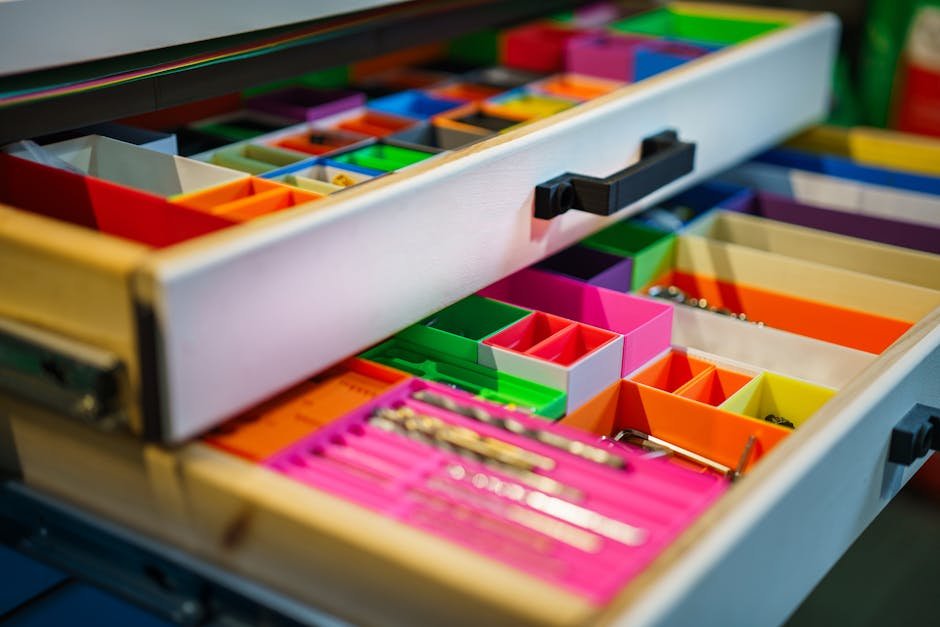
Are you tired of rummaging through cluttered drawers to find your utility knife? Organizing your utility knives in drawers doesn’t have to be a daunting task.
In fact, with the right approach, it can be quite simple and highly rewarding. Imagine opening your drawer and immediately spotting the exact knife you need, without any frustration or wasted time. This guide is here to help you achieve just that.
You’ll discover practical tips and clever hacks to transform your utility knife chaos into order. Say goodbye to the mess and hello to efficiency and safety. Ready to take control of your drawer space? Let’s get started!
Choosing The Right Drawer
Organizing utility knives properly keeps your workspace safe and efficient. Picking the right drawer is important for easy access and storage.
Choosing the right drawer depends on size and location. Both factors help keep your knives handy and secure.
Assessing Drawer Size
Measure the drawer to make sure it fits all your utility knives. A drawer that is too small causes clutter and unsafe storage.
Choose a drawer that has enough depth and width to hold knives flat or in a protective case. This keeps blades from touching.
- Measure drawer width, depth, and height
- Check if drawer dividers fit inside
- Allow space for knives to lay flat
- Avoid overly deep drawers to prevent lost tools
Selecting Accessible Locations
Pick a drawer location that is easy to reach while working. This saves time and prevents accidents.
Place the drawer near your main work area or cutting station. Avoid putting knives in high or low spots that cause strain.
- Choose drawers at waist or chest height
- Keep knives near where you use them most
- Avoid crowded drawers with many tools
- Consider safety and quick access

Credit: www.reddit.com
Prepping The Drawer
Organizing utility knives starts with getting the drawer ready. A clean and tidy space helps keep knives safe and easy to find.
Taking time to prepare the drawer makes storing tools simple and neat.
Cleaning And Clearing Space
Empty the drawer completely before organizing. Remove any dust, dirt, or small debris.
Use a damp cloth to wipe the inside well. Let it dry before putting anything back.
- Take out all items from the drawer
- Use a vacuum or brush to remove crumbs
- Wipe surfaces with a damp cloth
- Allow the drawer to dry fully
Adding Drawer Liners
Drawer liners protect the drawer and keep knives from slipping. Choose a liner that fits the drawer size.
Soft liners prevent scratches on knife handles and blades. They also help reduce noise when opening or closing the drawer.
- Measure the drawer to fit the liner
- Select a non-slip or cushioned liner
- Cut the liner to size if needed
- Place the liner flat inside the drawer
- Press edges down for a secure fit
Storage Solutions For Utility Knives
Keeping utility knives organized makes your workspace safer and more efficient. Proper storage prevents damage to blades and accidents.
There are simple ways to store your utility knives in drawers. This guide shows different ideas to keep them tidy.
Using Knife Holders
Knife holders are made to hold blades safely. They keep knives upright and easy to grab. You can place them inside drawers or on counters.
- Choose holders that fit your knife size
- Look for holders with non-slip bases
- Keep holders clean to avoid rust
- Place holders where knives are easy to reach
Installing Drawer Dividers
Drawer dividers split your drawer into sections. This stops knives from sliding and hitting each other. You can buy adjustable dividers or use wooden strips.
| Type | Material | Benefits |
| Adjustable Divider | Plastic or wood | Fits different drawer sizes |
| Fixed Wooden Divider | Wood | Strong and durable |
| Foam Inserts | Foam | Protects blades from damage |
Diy Storage Ideas
DIY storage lets you customize how knives are kept. You can use common items to build holders and dividers. This saves money and fits your style.
- Use magnetic strips inside drawers to hold metal knives
- Cut foam blocks to fit knife shapes for soft storage
- Repurpose small wooden boxes as knife compartments
- Make a fabric roll with pockets for each knife

Credit: www.amazon.ca
Safety Tips
Utility knives are useful but can be dangerous if not stored safely. Keeping them organized in drawers helps prevent accidents.
Use simple safety steps to protect yourself and others from cuts or injuries.
Blade Covers And Sheaths
Always cover the blade with a cover or sheath before storing the knife. This prevents accidental cuts when reaching inside drawers.
Blade covers are easy to use and protect both the blade and the user. Replace damaged covers right away.
- Use plastic or rubber blade covers
- Check covers for cracks or tears
- Keep covers clean and dry
- Replace covers that no longer fit securely
Safe Placement Techniques
Place utility knives in the drawer so blades do not face up or toward you. This lowers the risk of injury when opening the drawer.
Use drawer dividers or small containers to keep knives separate and stable. This stops them from sliding around and causing harm.
- Store knives with blades facing down or sideways
- Use drawer organizers to keep knives in place
- Keep knives away from edges of drawers
- Do not stack knives on top of each other
Maintenance And Upkeep
Keeping utility knives in good condition helps them last longer. Proper care makes sure they work safely every time.
Regular maintenance also keeps your drawer organized. It prevents rust and blade damage.
Regular Cleaning
Clean your utility knives after each use. Dirt and debris can cause damage over time.
Use a soft cloth or brush to remove dust and residue. Avoid using water on blades to prevent rust.
- Wipe blades with a dry cloth
- Use a small brush for hard-to-reach spots
- Keep knives dry before storing
Inspecting And Replacing Blades
Check blades often for dullness or damage. A sharp blade cuts better and is safer to use.
Replace blades if they are chipped, bent, or no longer sharp. Do not try to sharpen disposable blades.
- Look for cracks or bends in the blade
- Test sharpness by cutting paper
- Follow manufacturer instructions to replace blades safely

Credit: spaceaidhome.com
Maximizing Drawer Space
Organizing utility knives in drawers saves space and keeps tools easy to find. Proper storage protects blades and prevents accidents.
Using smart methods helps you fit more tools in less space. This guide shows simple ways to arrange your knives neatly.
Organizing Multiple Tools
When storing many utility knives, separate them by size or type. Grouping tools prevents clutter and speeds up your work.
Use small containers or drawer dividers to keep knives in place. This stops them from sliding and mixing together.
- Sort knives by blade size or purpose
- Place similar tools in labeled sections
- Use small trays or boxes inside drawers
- Keep sharp edges away from hands
Stacking And Layering Methods
Stack knives carefully to use vertical drawer space. Layer tools with separators to avoid damage and confusion.
Clear plastic sheets or foam inserts work well as layers. They protect blades and make each knife visible without moving others.
- Place foam or plastic layers between knife rows
- Stack knives flat, not on sharp edges
- Use shallow trays for top layers
- Label layers for quick access
Frequently Asked Questions
How Can I Safely Store Utility Knives In Drawers?
Use blade guards or retractable blades to prevent injuries. Store knives in a dedicated drawer organizer to avoid blade damage. Keep knives separate from other tools to maintain safety and accessibility.
What Is The Best Drawer Organizer For Utility Knives?
Choose organizers with adjustable slots and sturdy materials. Foam inserts or plastic trays work well for different knife sizes. Ensure the organizer fits your drawer dimensions for optimal use.
How Often Should I Clean Utility Knives In Drawers?
Clean knives after each use to prevent residue buildup. Regularly wipe down the drawer and organizer to maintain hygiene. This prevents rust and keeps blades sharp longer.
Can I Store Utility Knives With Other Tools In One Drawer?
It’s best to store utility knives separately to avoid blade damage. Mixing with heavy tools can dull blades and cause accidents. Use dividers or separate compartments to organize safely.
Conclusion
Organizing utility knives in drawers keeps your workspace safe and neat. Use dividers or small containers to separate each knife. Always place blades facing down to avoid accidents. Label sections to find tools quickly. Keep knives clean and dry to prevent rust.
Regularly check for dull blades and replace them. A tidy drawer saves time and reduces stress. Small steps make a big difference in your daily tasks. Try these tips to keep your tools ready and easy to reach.