When you work with pipes, a smooth finish is more than just a nice touch—it’s essential for safety and efficiency. If you’ve ever struggled with rough edges or unwanted burrs, you know how frustrating they can be.
But don’t worry, mastering pipe deburring techniques can save you time, prevent leaks, and protect your hands from sharp cuts. In this guide, you’ll discover simple, effective methods to get the job done right every time. Ready to make your pipes flawless and your projects stress-free?
Let’s dive in.
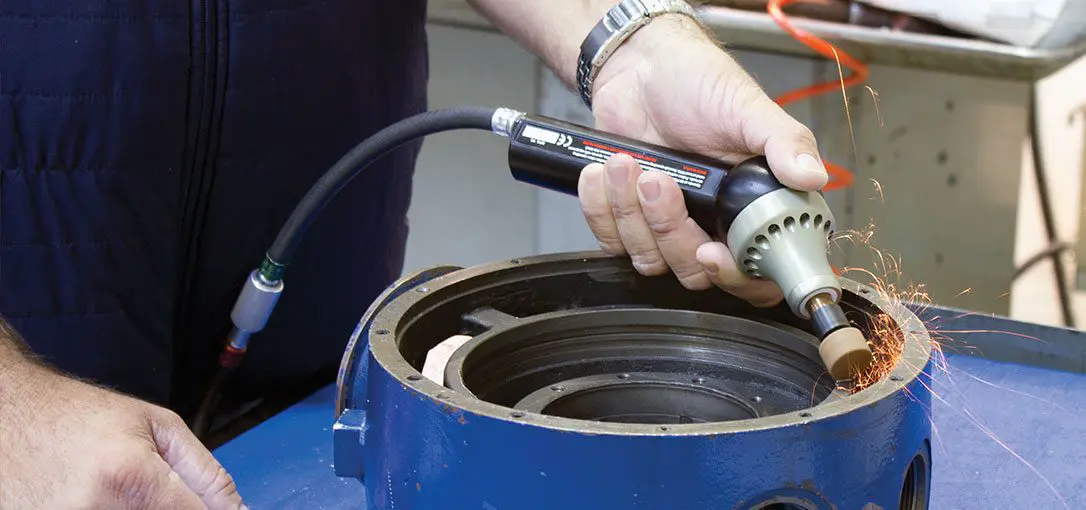
Credit: www.airturbinetools.com
Types Of Burrs In Pipes
Burrs are rough edges or small pieces left on pipes after cutting or drilling. They affect pipe quality and performance.
Removing burrs is important to prevent leaks, blockages, or damage. Knowing burr types helps choose the right deburring method.
Common Burr Shapes
Burrs vary in shape depending on the pipe material and cutting tool. Here are the most common types found on pipes.
- Roll-over Burrs:These are rounded edges that roll over the pipe surface.
- Poisson Burrs:Sharp, thin edges that form around the cut perimeter.
- Break Burrs:Small fragments that break off from the pipe edge.
- Cut-off Burrs:Rough, uneven edges left after cutting.
- Secondary Burrs:Smaller burrs formed after initial deburring.
Causes Of Burr Formation
Burrs form due to several reasons during pipe processing. Understanding these helps reduce burr occurrence.
| Cause | Description |
| Cutting Tool Wear | Dull tools create uneven cuts and more burrs. |
| High Cutting Speed | Fast cutting generates heat and rough edges. |
| Incorrect Feed Rate | Too fast or too slow feed causes poor cut quality. |
| Pipe Material | Soft or layered materials tend to produce more burrs. |
| Machine Vibration | Vibration causes irregular cuts and burrs. |
Credit: moleroda.com
Tools For Pipe Deburring
Pipe deburring removes rough edges from cut pipes. Using the right tools makes the process easier and safer.
This guide covers common tools used for pipe deburring. You will learn about manual, power, and specialized equipment.
Manual Deburring Tools
Manual tools are simple and do not require power. They work well for small jobs and tight spaces.
- Deburring knives: Sharp blades to scrape edges smooth
- Hand files: Small files to smooth rough pipe ends
- Reamers: Cone-shaped tools to clean inside pipe edges
- Sandpaper: Used to polish and smooth pipe surfaces
Power Tools Options
Power tools speed up deburring for larger or many pipes. They need a power source like electricity or batteries.
| Tool | Description | Best Use |
| Rotary Deburring Tool | Spinning blade removes burrs quickly | Metal pipes and thick walls |
| Electric Grinders | High-speed grinding discs smooth edges | Large diameter pipes |
| Drill Attachments | Deburring heads attach to drills | Fast work on many pipes |
Specialized Deburring Equipment
Specialized tools handle unique pipe types or high-volume work. These tools often combine functions for efficiency.
- Automatic Deburring Machines: Remove burrs from many pipes at once
- Rotary Brush Tools: Clean and deburr in one step
- Pipe Bevellers: Cut and smooth pipe ends at an angle
- Internal Deburring Tools: Designed to reach inside pipes
Manual Deburring Methods
Manual deburring removes rough edges or burrs from pipe ends. It helps pipes fit better and prevents damage or injury.
Using hand tools or rotary tools are common ways to deburr pipes by hand. Each method works well for different pipe types and sizes.
Using Hand Files And Scrapers
Hand files and scrapers remove burrs by scraping the pipe edges. They are simple tools that anyone can use.
Files come in different shapes, like flat or round. Scrapers have sharp edges to clean the surface well.
- Hold the pipe firmly before starting.
- Use a file or scraper to rub the pipe edge gently.
- Move the tool in one direction for a smooth finish.
- Check the edge often to avoid removing too much material.
Rotary Deburring Techniques
Rotary tools spin a blade or brush to remove burrs quickly. They save time compared to hand tools.
Use a low speed to avoid damaging the pipe. Always wear safety gear like gloves and goggles.
- Select the right rotary bit for the pipe material.
- Hold the tool steady and apply light pressure.
- Rotate the tool around the pipe edge evenly.
- Stop and inspect the pipe often to check progress.
Mechanical And Power Deburring
Deburring removes sharp edges and burrs from pipes. It improves safety and pipe fit.
Mechanical and power deburring use tools and machines to clean pipe edges fast. They save time and effort.
Rotary Brushes And Wheels
Rotary brushes and wheels spin at high speed to scrub burrs off pipe ends. They work well on metal and plastic pipes.
These tools come in different shapes and sizes. Choose the right brush or wheel for the pipe material and size.
- Wire brushes remove tough burrs on metal pipes
- Nylon brushes work gently on plastic pipes
- Flap wheels smooth edges evenly
- Rotary wheels fit inside or outside pipe ends
Automated Deburring Machines
Automated deburring machines clean pipes quickly without much human work. They use spinning tools and brushes inside machines.
These machines handle many pipes in one run. They keep the process steady and produce uniform results.
- Use sensors to detect pipe size and shape
- Apply the right pressure for smooth edges
- Work with metal, plastic, and composite pipes
- Allow adjustments for different pipe types
Deburring Techniques For Different Materials
Deburring is important to remove rough edges from pipes. It helps improve safety and fit during installation. Different materials need different methods for best results.
This guide covers deburring techniques for metal, plastic, and composite pipes. Each material has unique properties that affect the choice of tools and methods.
Metal Pipes
Metal pipes often have sharp burrs after cutting. Using the right tools prevents damage and ensures a smooth finish. Hand files, rotary tools, and abrasive pads work well on metals.
- Use a metal file to remove large burrs carefully.
- Apply a rotary deburring tool for inside edges.
- Use abrasive pads for a smooth surface finish.
- Wear gloves to protect your hands from sharp edges.
Plastic Pipes
Plastic pipes are softer and easier to deburr. A sharp utility knife or a plastic pipe deburring tool can clean edges quickly. Avoid using metal files as they may crack the plastic.
| Tool | Use | Tip |
| Utility Knife | Cutting burrs | Use gentle strokes |
| Plastic Deburring Tool | Inside and outside edges | Rotate smoothly |
| Sandpaper | Smoothing edges | Use fine grit |
Composite Pipes
Composite pipes combine different materials. Deburring must be gentle to avoid damaging layers. Use a rotary tool with a soft brush or fine file to clean edges carefully.
Tips for composite pipe deburring:
- Use light pressure to avoid delamination.
- Check edges for loose fibers after deburring.
- Clean the pipe ends with a soft cloth to remove dust.

Credit: standardbots.com
Safety Tips During Deburring
Deburring pipes removes sharp edges and makes surfaces smooth. This process helps avoid injuries and improves pipe fitting. Safety is very important during deburring to protect yourself and others.
Using the right safety gear and handling tools carefully lowers the risk of accidents. Follow clear safety steps to work safely and finish the job well.
Protective Gear Essentials
Wear proper protective gear to keep yourself safe from sharp edges and flying debris. Always choose gear that fits well and is in good condition.
- Safety goggles to protect eyes from metal chips
- Cut-resistant gloves to shield hands from sharp surfaces
- Long-sleeve shirts and pants to cover skin
- Dust mask to avoid inhaling small particles
- Sturdy closed-toe shoes for foot protection
Handling Tools Safely
Use tools correctly to reduce injury risks. Keep tools sharp and clean for better control. Follow these rules to handle deburring tools safely.
| Safety Rule | Reason |
| Hold tools firmly | Prevents slips and accidental cuts |
| Work in a well-lit area | Helps see edges and avoid mistakes |
| Keep fingers away from blades | Reduces chance of injury |
| Store tools safely after use | Prevents accidents and damage |
| Use the right tool for the job | Improves safety and work quality |
Common Challenges And Solutions
Pipe deburring removes sharp edges after cutting pipes. This process makes pipes safer and easier to fit. Many challenges appear during deburring.
Understanding common problems helps to find the right solutions. This guide covers two key challenges and how to handle them.
Dealing With Hard-to-reach Areas
Some pipe parts are hard to reach with normal tools. Inside corners and long pipes often cause trouble. These areas need special care to remove burrs fully.
Using flexible or small deburring tools works well in tight spaces. Tools with angled heads help reach inside corners. Patience is important to avoid missing spots.
- Use flexible shaft deburrers for long pipes
- Choose tools with angled or small blades
- Work slowly to check all hard spots
- Use brushes or wire tools for inside edges
Preventing Pipe Damage
Deburring can damage pipes if done incorrectly. Scratches or dents weaken the pipe and cause leaks. Avoid using too much force during deburring.
Pick the right tool size and type for the pipe. Using sharp blades reduces the need for pressure. Always check the pipe surface after deburring.
- Match tool size to pipe diameter
- Use sharp blades to cut burrs cleanly
- Apply gentle pressure to avoid dents
- Inspect pipes carefully after deburring
Maintenance And Care Of Deburring Tools
Proper maintenance keeps deburring tools working well. It helps tools last longer and perform better.
Regular care reduces damage and makes work safer. Clean and check tools often to avoid problems.
Cleaning Techniques
Clean deburring tools after each use to remove dirt and metal shavings. Use a brush or cloth to wipe the tools.
Avoid water on tools that can rust. If needed, dry them completely before storing.
- Use a soft brush to remove debris
- Wipe with a dry cloth
- Apply light oil to metal parts to stop rust
- Store tools in a dry place
Sharpening And Replacement
Sharp tools work better and require less force. Check blades often to see if they need sharpening.
If blades are too worn, replace them. Using dull blades can damage your work and the tool.
- Use a sharpening stone or file for small blades
- Follow manufacturer instructions for blade care
- Replace blades when sharpening no longer helps
- Keep spare blades on hand for quick changes
Benefits Of Proper Pipe Deburring
Proper pipe deburring removes sharp edges and rough spots from cut pipes. This process makes pipes safer and improves how they work. Clean, smooth pipes last longer and connect better in systems.
Deburring also helps pipes look neat and professional. It is an important step in many plumbing, industrial, and construction projects. Understanding its benefits shows why you should never skip it.
Improved Safety And Performance
Removing burrs prevents injuries from sharp edges. Workers handle pipes more safely after deburring. It also stops damage to other parts during installation.
Deburred pipes fit better with other components. This reduces leaks and system failures. Smooth pipe ends allow fluids to flow without blockages or turbulence.
- Reduces risk of cuts and scrapes
- Prevents pipe damage and leaks
- Improves connection and sealing
- Supports smooth fluid flow
Enhanced Aesthetic Finish
Deburring makes pipes look clean and well-made. Smooth edges give a polished, professional finish. This is important for visible piping in buildings and equipment.
Neat pipe ends also show attention to detail. This can improve customer confidence and project quality. A good finish helps pipes blend into their surroundings.
- Creates clean, smooth pipe edges
- Gives a professional appearance
- Shows high workmanship quality
- Improves overall project look
Frequently Asked Questions
What Is Pipe Deburring And Why Is It Important?
Pipe deburring removes sharp edges and burrs after cutting. It ensures smooth pipe ends, preventing damage and leaks. Proper deburring improves safety, pipe fitting, and fluid flow efficiency. It is essential for maintaining pipe integrity and extending system lifespan.
What Are Common Pipe Deburring Techniques?
Common techniques include manual filing, sanding, reaming, and using deburring tools. Mechanical methods like rotary deburring and abrasive brushes are also popular. Each technique suits different pipe materials and sizes. Choosing the right method ensures effective burr removal and surface smoothness.
How To Choose The Best Deburring Tool For Pipes?
Select a tool based on pipe material, diameter, and burr type. Hand tools work well for small pipes, while power tools suit larger diameters. Consider ease of use, precision, and cost. Matching the tool to the job ensures efficient and clean deburring.
Can Improper Deburring Affect Pipe System Performance?
Yes, improper deburring can cause leaks, blockages, and corrosion. Sharp edges may damage seals or fittings, leading to failures. It also affects fluid flow and system pressure. Proper deburring ensures reliable operation and extends pipe system life.
Conclusion
Pipe deburring is essential for smooth operations. It enhances safety and efficiency. Choose the right tool for each job. Manual methods suit small tasks. Machines handle larger projects well. Regular maintenance of tools ensures longevity. Always prioritize safety when deburring.
Wear protective gear to prevent injuries. Clean and inspect pipes after deburring. This guarantees optimal performance. Proper deburring saves time and money. It prevents costly damage and repairs. With these techniques, your pipes will function better. Success in deburring leads to more reliable systems.
Keep practicing and refining your skills. Your efforts will yield great results.