Are you dreaming of a garden that bursts into life with vibrant colors and beautiful blooms every season? Planting bulbs evenly in your garden beds is the key to achieving a stunning display.
Imagine your garden beds filled with rows of tulips, daffodils, or hyacinths, each planted with precision, creating a uniform and breathtaking spectacle. By learning how to plant bulbs evenly, you not only enhance the visual appeal of your garden but also ensure that each plant thrives, maximizing their potential to bloom.
This guide will walk you through simple, step-by-step methods to achieve perfect bulb placement, turning your garden into the envy of the neighborhood. Dive in to discover how easy it is to transform your outdoor space into a floral paradise!

Credit: migardener.com
Choosing The Right Bulbs
Planting bulbs evenly starts with choosing the right bulbs. Picking bulbs that suit your garden helps them grow strong and healthy.
Good bulb choices make your garden look full and colorful throughout the season.
Selecting Bulbs For Your Climate
Choose bulbs that grow well in your area’s weather. Some bulbs need cold winters to bloom.
Check if the bulbs can handle your local temperature and rainfall. This helps them survive and bloom.
- Spring-flowering bulbs like tulips need cold winters.
- Summer bulbs like dahlias do best in warm climates.
- Some bulbs can grow in mild or mixed climates.
Picking Bulb Varieties For Bloom Time
Choose bulbs that bloom at different times to keep your garden colorful longer. Plan early, mid, and late bloomers.
This way, you get flowers from early spring to late summer without gaps.
- Early bloomers: crocus, snowdrops, daffodils
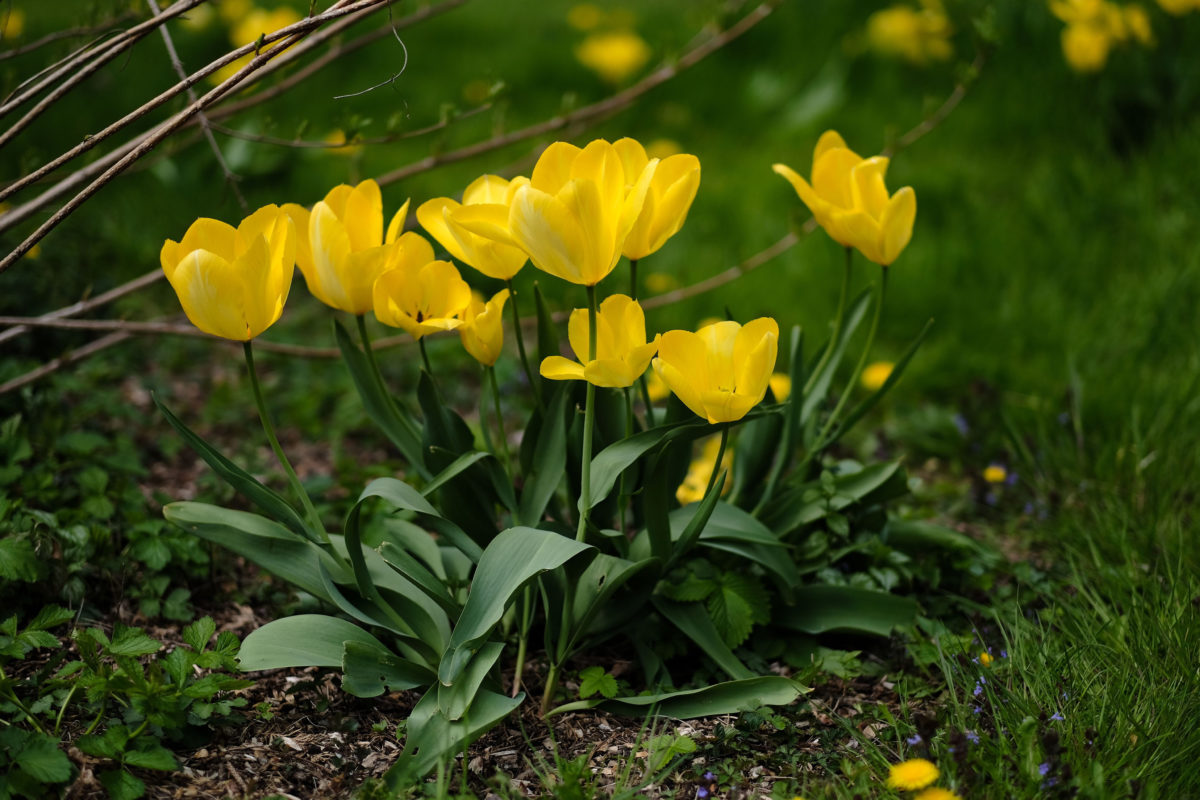
- Mid-season bloomers: tulips, hyacinths, alliums
- Late bloomers: lilies, gladiolus, dahlias
Sizing Bulbs For Desired Effect
Bigger bulbs usually make bigger flowers and stronger plants. Use large bulbs for a bold look.
Smaller bulbs work well for delicate or clustered displays. Mix sizes for interesting textures.
- Large bulbs create tall, showy flowers.
- Medium bulbs suit garden borders and beds.
- Small bulbs are good for ground cover and edging.
Credit: plnts.com
Preparing Garden Beds
Preparing your garden beds well helps bulbs grow strong and healthy. Good preparation makes planting easier and improves bulb growth.
Start by checking the soil, clearing the bed, and adding nutrients. These steps create the best place for bulbs to thrive.
Soil Testing And Improvement
Test the soil to know its pH and nutrient levels. Bulbs like soil that drains well and is rich in nutrients.
If the soil is too acidic or alkaline, add lime or sulfur to adjust the pH. Add sand or organic matter to improve drainage.
- Use a soil test kit or send samples to a lab
- Check pH level; ideal range is 6.0 to 7.0
- Add amendments based on test results
- Mix soil well after adding materials
Clearing And Leveling The Bed
Remove weeds, rocks, and old plant debris from the bed. This clears space and prevents competition for nutrients.
Level the soil surface with a rake. A flat bed helps you plant bulbs evenly and keeps water spread out.
- Pull or dig out all weeds and roots
- Remove stones and sticks
- Break up large soil clumps
- Rake soil to create a smooth, flat surface
Adding Fertilizer And Compost
Add fertilizer to give bulbs the nutrients they need to grow strong roots and flowers. Use a balanced fertilizer with equal parts nitrogen, phosphorus, and potassium.
Mix compost into the soil to improve texture and add organic matter. Compost helps the soil hold moisture and nutrients.
- Spread a layer of compost about 2 inches thick
- Use fertilizer according to package instructions
- Mix compost and fertilizer into the top 6-8 inches of soil
- Water the bed lightly to settle the soil
Tools For Even Planting
Planting bulbs evenly in garden beds helps create a neat and attractive look. Using the right tools makes it easier to space bulbs correctly. These tools save time and improve your garden’s appearance.
Below are some useful tools to help you plant bulbs evenly. Each tool has a special way to help with spacing and depth.
Using A Bulb Planter
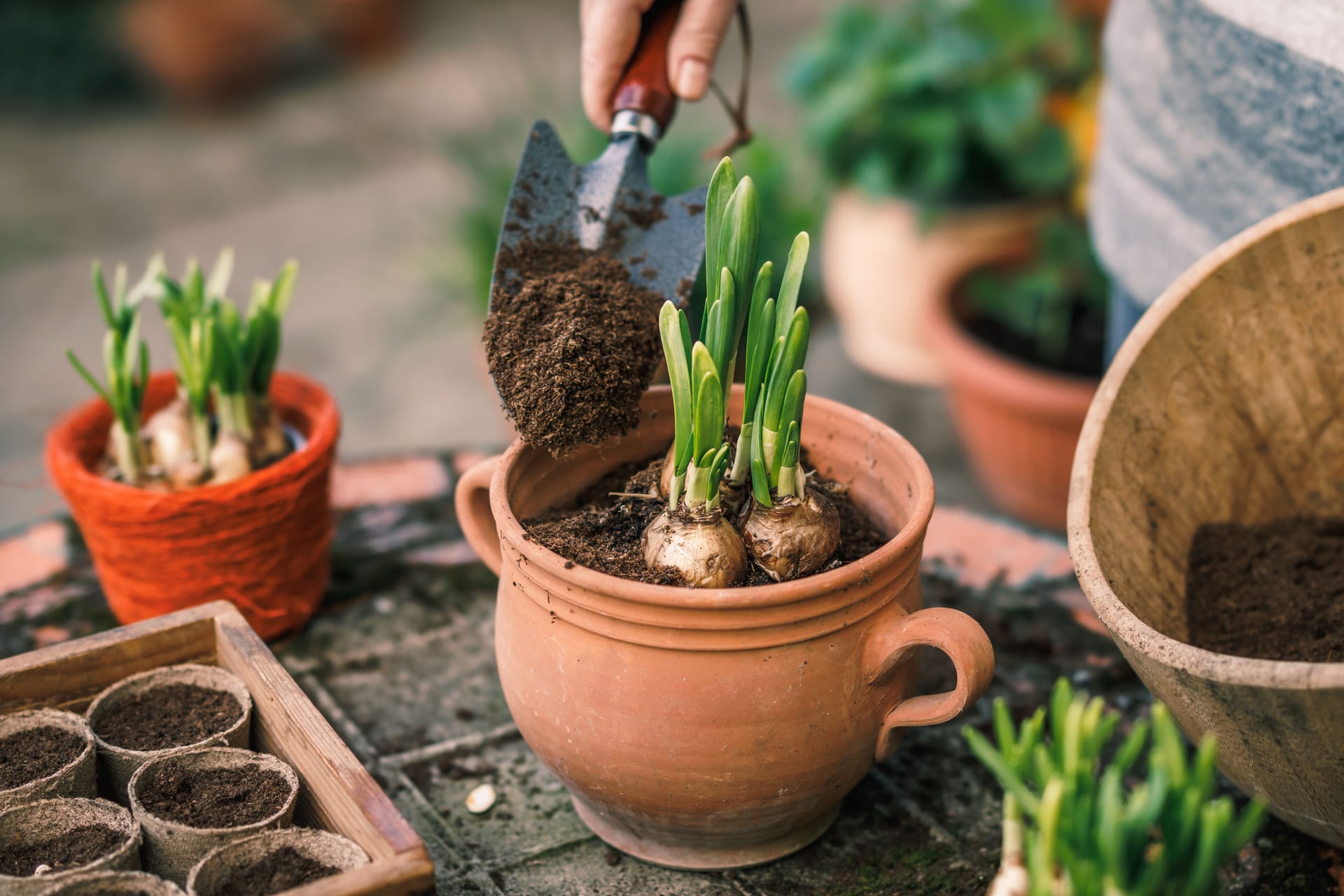
A bulb planter is a simple tool to dig holes for bulbs. It makes holes the right size and depth. This helps bulbs grow well and look tidy.
Bulb planters usually have a round metal tube with a handle. You push it into the soil, twist, and pull out a plug of dirt. Plant the bulb in the hole and cover it back up.
Measuring Spacing With Rulers Or Grids
Use rulers or planting grids to measure the distance between bulbs. This helps keep the bulbs evenly spaced. Proper spacing allows bulbs to grow without crowding.
Planting grids are plastic sheets with holes at set distances. Place the grid on the soil and plant bulbs through the holes. Rulers help if you want to space bulbs at exact inches or centimeters.
- Rulers measure exact distances between bulbs
- Grids ensure uniform spacing across the bed
- Both tools help avoid uneven gaps
Marking Planting Spots
Mark planting spots before digging holes. This helps you plant bulbs in straight rows or patterns. Use small sticks, string lines, or garden markers.
Place markers where each bulb will go. Check spacing with a ruler or grid. Adjust the marks to keep the layout even. This makes planting faster and more accurate.
- Use sticks or stakes to mark rows
- String lines help keep rows straight
- Garden markers show exact bulb spots
- Marking prevents uneven or clustered planting
Spacing Techniques
Planting bulbs evenly helps gardens look neat and healthy. Proper spacing gives each bulb room to grow strong roots and flowers.
Using good spacing techniques avoids crowding and lets you plan beautiful patterns. This guide covers key tips for spacing bulbs well.
Calculating Proper Distance Between Bulbs
Measure the size of the bulb before planting. Larger bulbs need more space than smaller ones. Keep this in mind to help flowers grow fully.
| Bulb Size | Recommended Spacing |
| Small (1-2 inches) | 2-3 inches apart |
| Medium (2-3 inches) | 3-4 inches apart |
| Large (3+ inches) | 4-6 inches apart |
Pattern Ideas For Uniform Planting
Choose simple patterns to keep bulbs evenly spaced. Straight rows or diagonal lines create a tidy look. You can also plant in circles or clusters for variety.
- Plant bulbs in straight rows for easy spacing
- Use a grid pattern for balanced coverage
- Create diagonal lines to fill odd-shaped beds
- Group bulbs in circles for a focal point
- Mix clusters and lines for natural style
Avoiding Overcrowding
Too many bulbs close together can cause poor growth. Overcrowding leads to weak stems and fewer flowers. Give bulbs enough space to breathe.
Tips to prevent overcrowding:
- Space bulbs according to their size.
- Leave extra room around larger bulbs.
- Thin crowded areas by removing extra bulbs.
- Check bulb packages for spacing advice.
Planting Steps
Planting bulbs evenly in garden beds helps create a neat and healthy display. Follow simple steps to ensure your bulbs grow well.
Preparing the soil and placing bulbs correctly makes a big difference in your garden’s look and bloom.
Correct Depth For Different Bulbs
Plant bulbs at the right depth to protect them and help roots grow. Different bulbs need different depths.
- Tulips: plant 6 to 8 inches deep
- Daffodils: plant 6 inches deep
- Crocuses: plant 3 to 4 inches deep
- Hyacinths: plant 6 to 8 inches deep
- Alliums: plant 4 to 6 inches deep
Positioning Bulbs For Growth
Place bulbs with the pointed end facing up. This is where the stem will grow.
Space bulbs evenly to give each plant room to grow roots and leaves.
- Keep bulbs 3 to 6 inches apart depending on size
- Arrange bulbs in rows or patterns for even growth
- Avoid placing bulbs too close to each other
Covering And Watering
Cover bulbs gently with soil after planting. Do not pack soil too hard.
Water the bed right after planting to help bulbs settle and start growing.
- Use enough water to moisten soil deeply
- Avoid overwatering to prevent bulb rot
- Keep soil slightly moist during growing season
Credit: www.bloomingbackyard.com
Maintaining Even Growth
Planting bulbs evenly helps your garden look neat and full. Even growth makes flowers bloom at the same time.
To keep bulbs growing evenly, you need to care for watering, mulching, and pest control. These steps help bulbs stay healthy.
Watering Schedules
Water bulbs right after planting to help roots settle. Keep soil moist but not soaked during the growing season.
Watering evenly prevents some bulbs from drying out or getting too wet. Both can hurt growth and cause uneven blooms.
- Water once or twice a week, depending on rain
- Water early in the morning or late in the evening
- Use a gentle spray to avoid soil erosion
Mulching Tips
Mulch helps keep soil temperature steady and holds moisture. This helps bulbs grow at a steady rate.
Apply a 2-3 inch layer of mulch after planting. Avoid covering bulb tips to let them grow easily.
- Use organic mulch like shredded leaves or bark
- Replace mulch yearly to keep soil healthy
- Keep mulch away from bulb stems to prevent rot
Dealing With Pests And Diseases
Check bulbs and leaves often for signs of pests or disease. Early action keeps bulbs strong and growing evenly.
Remove affected leaves or bulbs to stop spread. Use natural pest controls to protect the garden environment.
- Look for holes, discoloration, or wilting
- Handpick pests like slugs or beetles
- Use neem oil or insecticidal soap if needed
Troubleshooting Common Issues
Planting bulbs evenly can be tricky. Some problems may cause uneven growth or poor blooms.
Knowing how to fix these issues helps your garden look its best every season.
Uneven Blooming Causes
Bulbs may bloom unevenly due to different sunlight, water, or planting depth. Some bulbs get more nutrients than others.
Also, if bulbs are old or weak, they might bloom late or not at all.
- Unequal sunlight exposure
- Inconsistent watering
- Planting bulbs at different depths
- Old or damaged bulbs
- Poor soil drainage
Adjusting Soil Conditions
Good soil helps bulbs grow strong and bloom well. Check if soil drains water well and is not too hard.
Adding compost or sand can improve soil texture and nutrients. Test soil pH if plants do not grow well.
- Ensure soil drains well to avoid bulb rot
- Loosen soil to let roots grow easily
- Add compost for nutrients and moisture
- Use sand to improve drainage if soil is clay
- Test soil pH and adjust for your bulb types
Replanting Strategies
Sometimes bulbs need to be replanted for better growth. Move bulbs that are too close or too deep.
Choose healthy bulbs and plant them evenly at the right depth and spacing. This helps them bloom together.
- Remove weak or damaged bulbs before planting
- Plant bulbs at the depth recommended for their type
- Space bulbs evenly to avoid crowding
- Label planting spots to keep track of placement
- Water bulbs after planting to settle soil
Frequently Asked Questions
How Do I Space Bulbs Evenly In Garden Beds?
Measure the bed width and divide by the number of bulbs. Mark spots with stakes or string for precise planting. Consistent spacing ensures even growth and a balanced look.
What Tools Help Plant Bulbs Uniformly?
Use a garden ruler, measuring tape, or bulb planter. These tools help maintain consistent depth and spacing. String lines also guide straight rows for tidy beds.
When Is The Best Time To Plant Bulbs Evenly?
Plant bulbs in fall for spring blooms or early spring for summer flowers. Cool soil allows even root development and proper bulb positioning in beds.
How Deep Should Bulbs Be Planted Evenly?
Plant bulbs at a depth twice their size. Even depth ensures uniform growth and protection from frost. Use a bulb planter for precise planting depth.
Conclusion
Planting bulbs evenly makes your garden look neat and bright. Measure spaces carefully and use simple tools for best results. Healthy bulbs grow better and bloom beautifully. Keep soil moist and watch your flowers grow strong. Enjoy the colorful display that comes from your hard work.
Small efforts bring big rewards in garden beds. Try these tips for a garden full of life. Happy planting!