Are you ready to transform your garden into a vibrant splash of color when fall arrives? Planting bulbs now is the secret to a stunning bloom that will brighten your outdoor space during the cooler months.
Imagine waking up to beautiful flowers popping up just when you need a little cheer. In this guide, you’ll discover simple, step-by-step tips to choose, plant, and care for bulbs that thrive in fall. Whether you’re a beginner or looking to improve your garden, this guide will make sure your bulbs grow strong and bloom brilliantly.
Keep reading to unlock the easy tricks that will bring your garden to life this fall!

Credit: dennis7dees.com
Choosing The Right Bulbs
Planting bulbs in the fall brings beautiful flowers in spring. Choosing the right bulbs is key to success. You should consider the type, health, and your climate.
This guide helps you pick bulbs that grow well and bloom bright in your garden.
Best Bulbs For Fall Planting
Some bulbs bloom best when planted in fall. They need cold soil to start growing. Popular choices include tulips, daffodils, and crocuses.
- Tulips: Bright and colorful flowers in spring.
- Daffodils: Easy to grow with cheerful yellow blooms.
- Crocuses: Early bloomers that bring spring cheer.
- Hyacinths: Fragrant flowers in many colors.
- Alliums: Round flower heads that attract bees.
Selecting Healthy Bulbs
Choose bulbs that feel firm and heavy. Avoid bulbs with soft spots, mold, or cuts. Healthy bulbs grow strong roots and flowers.
| Bulb Feature | Healthy Bulb | Unhealthy Bulb |
|---|---|---|
| Firmness | Firm and solid | Soft or mushy |
| Surface | Clean and dry | Wet or moldy |
| Size | Large and well-formed | Small or shriveled |
| Smell | Fresh or neutral | Rotten or sour |
Bulb Varieties For Different Climates
Some bulbs do better in cold winters. Others grow well in mild or warm areas. Pick bulbs that match your climate for best results.
- Cold climates: Tulips, daffodils, crocuses need freezing winters.
- Mild climates: Hyacinths and alliums can handle milder winters.
- Warm climates: Some lilies and freesias bloom well with little cold.
Credit: cutflowergarden.site
Preparing The Planting Site
Planting bulbs in the fall needs good planning. Preparing the site helps bulbs grow strong roots. This step sets the stage for beautiful blooms in spring.
Focus on soil, sunlight, and drainage. Each part plays a key role in bulb health. Let’s look closely at each factor.
Soil Requirements
Bulbs need soil that drains well but holds some moisture. Loamy soil with organic matter works best. Avoid heavy clay or sandy soils without amendments.
- Test soil pH; aim for 6 to 7 for most bulbs.
- Add compost to improve fertility and texture.
- Remove weeds and debris before planting.
- Loosen soil to a depth of 8 to 12 inches.
Sunlight And Location
Choose a spot with good sun exposure. Most bulbs need at least six hours of sunlight daily. A place near windows or open areas works well.
| Bulb Type | Sunlight Needed | Best Location |
| Tulips | Full sun | Garden beds, borders |
| Daffodils | Full to partial sun | Under trees, open lawns |
| Crocus | Full sun | Lawn edges, rock gardens |
Improving Drainage
Good drainage stops bulbs from rotting. Check if water pools after rain. Raise beds or add sand to heavy soil to help water flow.
Drainage tips:
- Build raised beds 6 to 12 inches high.
- Mix coarse sand or small gravel into soil.
- Use mulch to keep soil loose and dry.
- Test drainage by digging a hole and filling with water. It should drain within 24 hours.
Planting Techniques
Planting bulbs correctly helps them grow strong and bloom beautifully in fall. Using good techniques improves their chances of healthy growth.
Follow simple steps for depth, spacing, and feeding to get the best results from your bulbs.
Correct Planting Depth
Plant bulbs at the right depth to protect them from frost and pests. Too shallow planting can dry out bulbs.
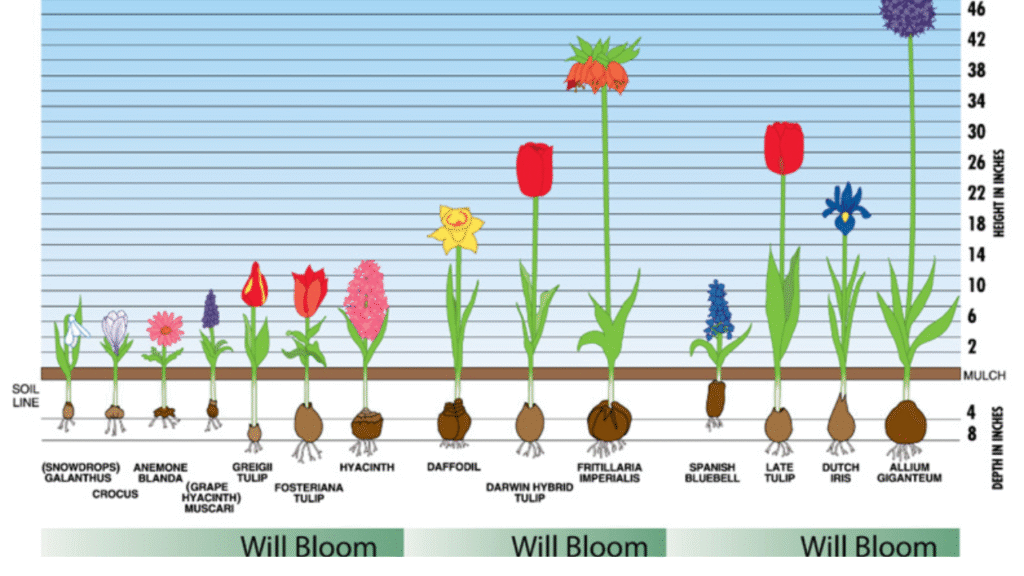
The general rule is to plant bulbs three times as deep as their height. For example, a 2-inch bulb needs 6 inches deep soil.
- Small bulbs: 4-6 inches deep
- Medium bulbs: 6-8 inches deep
- Large bulbs: 8-12 inches deep
Spacing Bulbs Properly
Give bulbs enough space to grow without crowding. Crowded bulbs may have fewer flowers or smaller blooms.
Space bulbs based on their size and type. This lets roots spread and soil stay healthy around them.
- Small bulbs: 2-3 inches apart
- Medium bulbs: 3-4 inches apart
- Large bulbs: 4-6 inches apart
Using Bulb Fertilizers
Fertilizers help bulbs get nutrients for strong roots and bright flowers. Use fertilizers that support bulb growth.
Apply bulb fertilizer at planting time and again in early spring when shoots appear. Avoid high nitrogen fertilizers.
- Use a balanced fertilizer like 10-10-10
- Apply fertilizer in planting hole or mix with soil
- Water after fertilizing to help nutrients reach roots
Watering And Mulching
Planting bulbs in fall needs the right care. Watering and mulching help bulbs grow strong roots.
Good watering and mulching protect bulbs from cold and keep soil moist. This guide shows how to do both well.
Watering Schedule After Planting
Water bulbs right after planting to help roots start. Keep soil moist but not soggy during fall.
Stop watering once the ground freezes to avoid bulb damage. If rain is low, water once every week.
- Water immediately after planting
- Keep soil moist for 4 to 6 weeks
- Water weekly if dry weather occurs
- Stop watering when soil freezes
Mulching Tips For Protection
Mulch keeps soil warm and stops moisture loss. Use organic mulch like straw or shredded leaves.
Spread 2 to 3 inches of mulch over the bulbs after planting. Avoid piling mulch directly on bulbs.
- Use straw, leaves, or bark mulch
- Apply 2 to 3 inches thick layer
- Keep mulch loose for air flow
- Remove mulch in spring after frost
Preventing Bulb Rot
Bulb rot happens if soil stays too wet. Avoid overwatering and use well-draining soil.
Mulch helps but do not cover bulbs with heavy wet mulch. Check soil moisture regularly to keep bulbs healthy.
- Plant bulbs in well-drained soil
- Water only when soil is dry
- Use mulch that drains well
- Do not let water pool around bulbs
Dealing With Pests And Diseases
Planting bulbs in fall can bring beautiful flowers in spring. Pests and diseases can stop your bulbs from growing well.
Knowing how to handle these problems helps keep your plants healthy. This guide covers common pests, disease prevention, and natural remedies.
Common Bulb Pests
Bulbs can attract many pests that damage them underground or above ground. These pests eat bulbs or spread disease.
Some pests are small and hard to see. Regular checks can catch problems early to save your plants.
- Bulb Mites: Tiny bugs that eat bulb tissue and cause decay.
- Narcissus Bulb Fly: Larvae bore into bulbs and kill them.
- Aphids: Small insects that suck sap and spread viruses.
- Slugs and Snails: Eat leaves and can damage young shoots.
- Rodents: Mice and voles dig up and eat bulbs.
Disease Prevention Strategies
Diseases in bulbs often come from wet soil and poor airflow. Preventing these stops many problems before they start.
Healthy bulbs and clean tools reduce disease risk. Good care means stronger plants that resist infections.
- Plant bulbs in well-drained soil to avoid rot.
- Space bulbs to allow air circulation.
- Use healthy, firm bulbs without spots or soft areas.
- Clean garden tools before and after use.
- Remove and destroy infected plants or bulbs quickly.
- Rotate planting areas each year to reduce soil diseases.
Natural Remedies
Natural remedies can help control pests and diseases without harmful chemicals. These options are safe for the environment.
Using these remedies regularly keeps your garden healthy and supports beneficial insects.
- Neem oil sprays stop many insect pests and fungal diseases.
- Garlic or chili pepper sprays repel insects naturally.
- Introducing ladybugs controls aphids.
- Sprinkle diatomaceous earth to deter slugs and snails.
- Use companion plants like marigolds to keep pests away.
- Water early in the day to let foliage dry quickly.
Credit: plnts.com
Aftercare For Blooming Bulbs
After bulbs bloom in the fall, they need care to stay healthy. Proper aftercare helps bulbs store energy for next year.
Taking time to care for leaves, pruning dead parts, and preparing bulbs is important. These steps keep your garden bright.
Caring For Leaves And Stems
Let leaves and stems stay until they turn yellow and dry. They collect sunlight and send energy to the bulbs underground. Avoid cutting or pulling leaves too early.
Deadheading And Pruning
Remove faded flowers by pinching or cutting them off. This helps the bulb save energy and prevents seed formation. Cut stems only after leaves have died back.
- Cut off flower heads once petals fall
- Leave leaves until they turn brown
- Trim dead or damaged leaves after they dry
- Do not prune too early to protect bulb health
Preparing Bulbs For Next Season
Some bulbs need digging up after leaves die, especially in cold climates. Clean bulbs gently and store them in a cool, dry place. Check bulbs for damage or mold before storing.
| Bulb Type | Aftercare | Storage Tips |
| Tulips | Dig up after foliage dies | Keep dry, cool, and ventilated |
| Daffodils | Leave in ground or dig if crowded | Store in paper bags, avoid plastic |
| Crocus | Leave in ground in mild climates | Can be stored if dug up |
Frequently Asked Questions
What Are The Best Bulbs To Plant In Fall?
The best bulbs for fall planting include tulips, daffodils, crocuses, and hyacinths. These bulbs thrive in cooler temperatures and bloom beautifully in spring. Ensure you plant them in well-drained soil and provide ample sunlight. Their vibrant colors and fragrances make them a perfect addition to any garden.
When Should I Plant Bulbs For Fall Bloom?
Plant bulbs in late summer to early fall, typically when soil temperatures are between 40-60°F. This timing allows bulbs to establish roots before winter. Check your local climate and hardiness zone for specific planting dates. Proper timing ensures healthy growth and a vibrant display in the spring.
How Deep Should I Plant Bulbs?
Plant bulbs at a depth of about two to three times their height. For example, a 2-inch bulb should be planted 4 to 6 inches deep. Proper depth ensures adequate insulation and moisture, promoting healthy root development and preventing bulbs from freezing during winter.
Can I Plant Bulbs In Containers?
Yes, you can plant bulbs in containers. Choose a pot with drainage holes and use well-draining soil. Position the bulbs according to their depth requirements and ensure they receive adequate sunlight. Containers can be moved indoors during extreme cold, providing flexibility and protection from harsh weather.
Conclusion
Planting bulbs in fall brings bright blooms in spring. Choose healthy bulbs and plant them at the right depth. Give them good soil and water to help roots grow. Patience is key; blooms take time to appear. Enjoy watching your garden change with colorful flowers.
Simple steps lead to a beautiful, lively yard. Start now, and look forward to spring’s cheerful colors. Gardening this way makes your outdoor space warm and inviting. Keep learning and trying new bulbs each season. Your efforts will reward you with nature’s lovely gifts.