Are you ready to transform your garden into a vibrant burst of color next spring? Planting bulbs in fall is the secret step that brings stunning flowers right to your doorstep when winter fades away.
But planting bulbs isn’t just about digging a hole and dropping them in—it’s about timing, technique, and care that can make all the difference. In this guide, you’ll discover simple tips that anyone can follow to ensure your bulbs grow strong and bloom beautifully.
Keep reading, and you’ll learn exactly how to make your garden the envy of your neighborhood next season.

Credit: www.provenwinners.com
Choosing Bulbs
Planting bulbs in fall gives you beautiful flowers in spring. Picking the right bulbs is key for success. Good bulbs grow healthy plants and bright blooms.
Learn how to select bulbs that fit your garden and climate. This guide helps you make smart choices for fall planting.
Best Bulbs For Fall Planting
Some bulbs do well when planted in fall. They stay underground during winter and bloom when it warms up. Choose bulbs that suit your garden style.
- Tulips: Bright colors and many shapes
- Daffodils: Easy to grow and deer resistant
- Crocuses: Early bloomers for a splash of color
- Hyacinths: Fragrant flowers with rich colors
- Alliums: Unique globe-shaped blooms
Selecting Healthy Bulbs
Choose bulbs that look firm and fresh. Avoid bulbs with soft spots or mold. Healthy bulbs grow stronger plants and flowers.
| Bulb Feature | Look For |
| Firmness | Firm, not soft or mushy |
| Skin | Dry and intact, no cuts |
| Color | Natural and even, no dark spots |
| Size | Large bulbs usually bloom better |
Bulb Varieties For Different Climates
Pick bulbs that match your climate zone. Some bulbs need cold winters. Others grow well in mild areas. Check local recommendations before planting.
| Climate Zone | Recommended Bulbs |
|---|---|
| Cold Winters | Tulips, Daffodils, Crocuses |
| Mild Winters | Hyacinths, Alliums, Snowdrops |
| Warm Winters | Amaryllis, Freesias, Ranunculus |
Preparing The Soil
Good soil is key for healthy bulb growth. Preparing the soil helps bulbs grow strong roots.
Fall is the best time to get your soil ready for planting bulbs. Proper preparation improves bloom quality.
Soil Testing And Amendments
Test your soil to know its pH and nutrient levels. This helps you decide what to add.
Add organic matter like compost to improve soil health. Use lime if soil is too acidic.
- Collect soil samples from different spots
- Send samples to a local lab or use a home test kit
- Add compost or aged manure for nutrients
- Apply lime to raise pH if below 6.0
- Use sulfur to lower pH if above 7.5
Improving Drainage
Bulbs do not like sitting in water. Good drainage stops bulb rot and fungal problems.
Loosen heavy soil and add sand or grit. Raised beds can also help water drain away.
- Break up compacted soil with a fork or tiller
- Mix in coarse sand or small gravel
- Create mounds or raised beds for planting
- Avoid low spots where water collects
Ideal Soil Conditions For Bulbs
Bulbs prefer loose, well-drained soil rich in organic matter. This helps roots grow easily.
The best soil pH is slightly acidic to neutral, between 6.0 and 7.0. This range aids nutrient uptake.
- Soil texture: sandy loam or loam
- pH range: 6.0 to 7.0
- Good organic content for moisture and nutrients
- Free of weeds and debris before planting
Planting Techniques
Planting bulbs in the fall prepares your garden for beautiful spring blooms. Using the right techniques helps bulbs grow strong and healthy.
Proper depth, spacing, grouping, and tools make planting easier and improve results. This guide covers these key techniques.
Correct Depth And Spacing
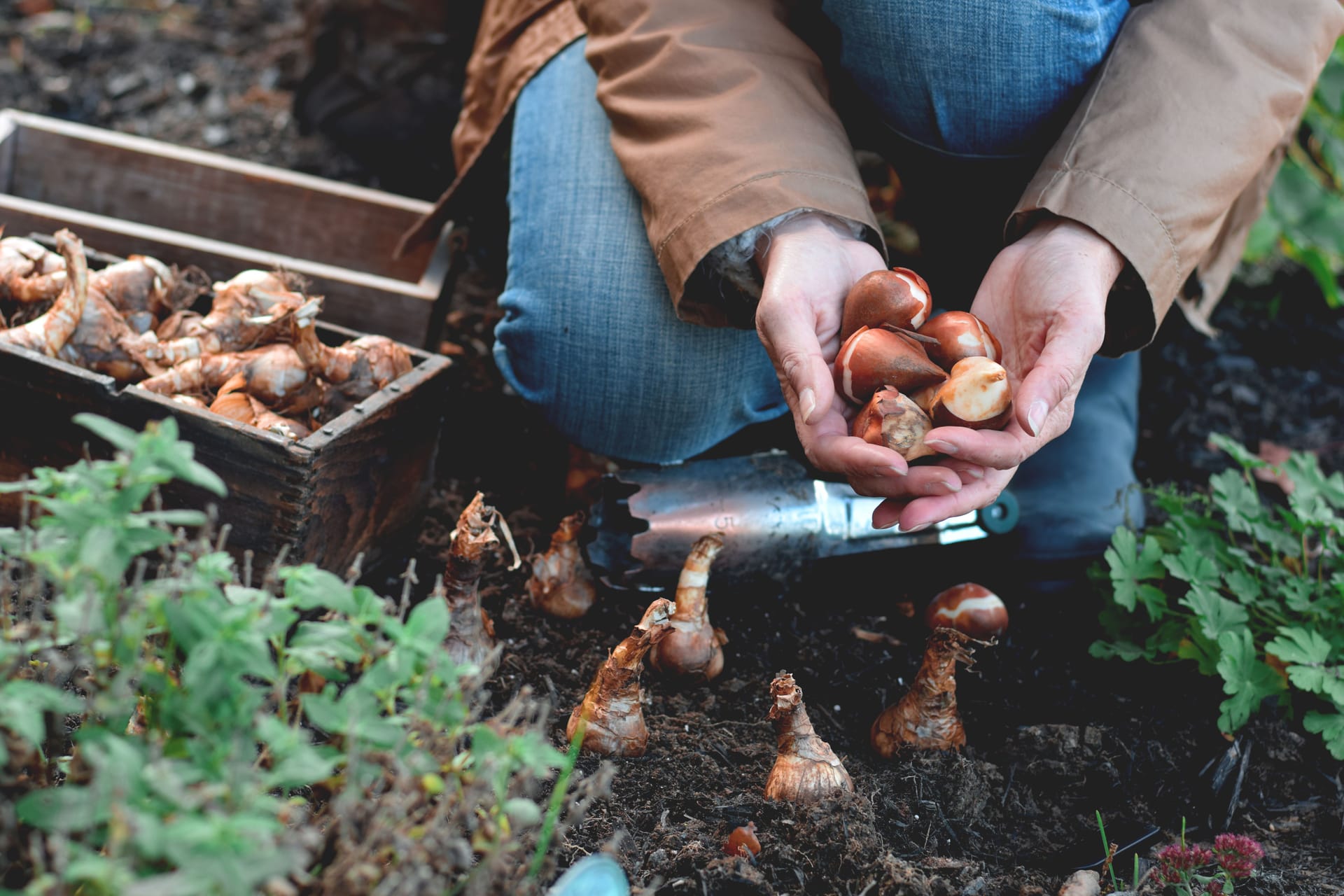
Plant bulbs at the right depth to protect them from frost and allow roots to develop. Space bulbs to give each enough room to grow without crowding.
| Bulb Size | Planting Depth | Spacing |
| Small (e.g., crocus) | 2 to 3 inches | 3 inches apart |
| Medium (e.g., tulips) | 4 to 6 inches | 4 to 6 inches apart |
| Large (e.g., daffodils) | 6 to 8 inches | 6 to 8 inches apart |
Planting Bulbs In Groups
Group bulbs in clusters to create a natural and colorful display. Planting in groups looks fuller and draws more attention.
- Plant at least five bulbs together for best effect.
- Mix different varieties for varied colors and bloom times.
- Place groups in curved or irregular shapes for a natural look.
Using Tools For Efficient Planting
Use tools to speed up planting and keep holes the right size and depth. This saves time and reduces strain on your hands.
Helpful tools include:
- Bulb planter: creates uniform holes easily.
- Hand trowel: good for small or tight spaces.
- Garden fork: loosens soil before planting.
Timing Your Planting
Planting bulbs at the right time helps them grow strong and bloom well. Fall is the best season to plant most bulbs.
Timing depends on your local climate and the type of bulb. Plant too early or late, and bulbs may not grow properly.
Best Time To Plant In Different Zones
Different zones have different weather patterns. You should plant bulbs when the soil cools but before it freezes.
- Zone 3-4:Plant bulbs in early September to mid-September.
- Zone 5-6:Plant bulbs from mid-September to early October.
- Zone 7-8:Plant bulbs in late October to mid-November.
- Zone 9:Plant bulbs in November to December before frost.
Check soil temperature if you can. Aim for about 50°F (10°C) or cooler at planting depth.
Signs Bulbs Are Ready For Planting
Healthy bulbs look firm and plump. They should not feel soft or shriveled.
Some bulbs may show small root tips or shoots. This means they are ready to grow soon.
- Firm texture without mold or rot
- No strong smell or softness
- Visible small roots or shoots in some bulbs
- Stored in a cool, dry place before planting
Caring For Bulbs After Planting
Planting bulbs in fall is just the start. Proper care helps them grow strong and bloom well in spring. You need to focus on watering, mulching, and pest control.
Each step plays a key role in keeping bulbs healthy through the cold months. Follow simple tips to protect your bulbs until they sprout.
Watering Tips
After planting, water bulbs deeply to settle the soil. Keep the soil moist but not soggy. Bulbs need water to start root growth but too much water can cause rot.
- Water once after planting
- Check soil moisture weekly
- Water during dry spells in fall
- Stop watering when ground freezes
Mulching For Protection
Mulch keeps soil temperature steady and prevents frost damage. It also helps keep weeds away and retains moisture. Use organic mulch like shredded leaves or straw.
| Mulch Type | Benefits | How to Apply |
| Shredded leaves | Insulates soil, adds nutrients | Spread 2-3 inches thick over bulbs |
| Straw | Protects from frost, light and airy | Cover bulbs evenly, avoid compacting |
| Wood chips | Prevents weeds, holds moisture | Apply thin layer, remove in spring |
Preventing Pests And Diseases
Pests and diseases can damage bulbs before they bloom. Keep the area clean and avoid overwatering. You can also use natural deterrents to protect your bulbs.
- Remove dead leaves and debris around bulbs
- Inspect bulbs for signs of rot or mold
- Use garlic spray to deter insects
- Plant bulbs with good air circulation
- Rotate planting spots each year
Credit: plnts.com
Troubleshooting Common Issues
Planting bulbs in fall brings colorful flowers in spring. Sometimes problems stop bulbs from growing well. Knowing how to fix these issues helps your garden thrive.
This guide covers common problems with bulbs. Learn to handle bulb rot, poor blooming, and damage from wildlife.
Dealing With Bulb Rot
Bulb rot happens when bulbs sit in wet soil too long. It causes soft, smelly bulbs that do not grow. Good drainage stops this problem.
Plant bulbs in soil that drains well. Avoid low spots where water collects. Adding sand or compost can improve soil.
- Choose healthy bulbs without soft spots
- Plant bulbs at the right depth
- Do not overwater after planting
- Improve soil drainage if needed
Handling Poor Blooming
Poor blooming means flowers are small, few, or missing. Bulbs may lack sunlight or nutrients. Check if bulbs get at least six hours of sun daily.
Use balanced fertilizer in fall when planting bulbs. Avoid cutting leaves too early; leaves feed the bulb for next year’s bloom.
- Plant bulbs where they get enough sun
- Use fertilizer made for bulbs
- Let leaves die back naturally
- Replace old bulbs every few years
Managing Wildlife Damage
Animals like squirrels and deer can dig or eat bulbs. This causes missing or damaged plants. Protect bulbs by using barriers or repellents.
Plant bulbs deeper to make digging harder. Use wire mesh or garden netting over bulbs. Some natural sprays keep animals away without harm.
- Cover bulbs with wire mesh
- Plant bulbs deeper than usual
- Use natural animal repellents
- Remove fallen fruit or nuts to reduce animal visits
Enhancing Your Bulb Garden
Planting bulbs in fall is the best way to have a beautiful garden in spring. You can make your bulb garden stand out with smart choices.
Adding companion plants, creating colorful displays, and extending bloom time all help your garden look great longer.
Companion Plants
Choose plants that grow well with bulbs. Companion plants add texture and fill spaces between bulbs.
Plant low-growing flowers or groundcovers near bulbs to keep weeds away. Taller plants can hide dying leaves after bloom.
- Hostas provide shade and cover for bulbs
- Ferns add soft green texture
- Sweet alyssum fills gaps with small flowers
- Heuchera offers colorful leaves all season
Creating Colorful Displays
Mix bulb types and colors to make your garden bright. Use groups of three or more bulbs for a natural look.
Combine early, mid, and late bloomers to keep colors coming. Use contrasting colors for eye-catching effects.
- Plant tulips with daffodils for bold yellow and red
- Mix crocuses and grape hyacinths for blue and purple hues
- Add white snowdrops for early spring brightness
- Use orange and red lilies for summer color
Extending Bloom Time
Choose bulbs that bloom at different times to enjoy flowers longer. Plant in layers with different depths.
Plant early bloomers like crocus first, then mid-season bulbs like tulips, and late bloomers like lilies last.
- Early bloomers: crocus, snowdrops, scilla
- Mid-season bloomers: tulips, daffodils, hyacinths
- Late bloomers: lilies, alliums, colchicums

Credit: www.provenwinners.com
Frequently Asked Questions
What Bulbs Are Best To Plant In Fall?
Fall is ideal for planting spring-flowering bulbs like tulips, daffodils, and crocuses. These bulbs need a cold period to bloom beautifully. Planting them in fall gives them ample time to establish roots before winter. Choose healthy, firm bulbs for the best results in your garden.
When Should I Plant Bulbs In Fall?
Plant bulbs in fall when the soil temperature is around 60°F. This usually occurs six to eight weeks before the ground freezes. Early to mid-autumn is ideal. This timing allows bulbs to establish roots before winter. Check local frost dates for precise timing in your area.
How Deep Should I Plant Bulbs?
Plant bulbs at a depth of two to three times their height. For example, if a bulb is 2 inches tall, plant it 4-6 inches deep. Ensure the pointed end faces upward. Proper depth ensures bulbs are insulated during winter and have room to grow.
Do Bulbs Need Fertilizer When Planting?
Yes, bulbs benefit from a balanced fertilizer during planting. Use a slow-release fertilizer or bone meal to provide essential nutrients. This helps bulbs establish strong roots. Avoid high-nitrogen fertilizers, as they promote foliage over blooms. Always follow package instructions for best results.
Conclusion
Planting bulbs in fall brings vibrant blooms in spring. Choose healthy bulbs and plant them at the right depth. Water bulbs well after planting to help roots grow. Protect your bulbs from frost and pests during winter. Watching your garden bloom makes all the effort worth it.
Enjoy colorful flowers that brighten your outdoor space easily. Start planning now for a beautiful spring garden display. Small steps today lead to a lovely garden tomorrow.