
Spring is here, and it’s the perfect time to get your hands dirty in the garden. Whether you’re a seasoned gardener or just starting out, planting seedlings can be a rewarding and therapeutic experience.
You might be wondering where to start or how to ensure your seedlings thrive. Don’t worry; you’re not alone. Many feel the same way, and this guide is tailored just for you. Imagine the joy of watching your seedlings grow into lush plants, bringing life and color to your space.
By the end of this article, you’ll have the confidence and knowledge to turn your garden into a vibrant haven. Are you ready to transform your gardening skills and enjoy the fruits of your labor? Let’s get started!

Credit: www.greenandprosperous.com
Choosing The Right Seedlings
Picking the right seedlings is important for a good spring garden. Healthy seedlings grow well and give better harvests.
Learn how to choose seedlings that fit your climate and look strong. This guide helps you select the best plants to start.
Selecting Varieties For Your Climate
Choose seedling types that match your local weather. Some plants grow best in warm climates, others in cooler areas.
- Research plants that do well in your zone
- Pick varieties that resist local pests and diseases
- Consider the length of your growing season
- Use local garden guides or extension services
Healthy Seedling Characteristics
Look for seedlings that show good health signs. Healthy plants grow strong and resist stress better.
| Characteristic | What to Look For |
| Leaves | Bright green, no spots or yellowing |
| Stem | Thick, upright, and free from damage |
| Roots | White and spread evenly, not crowded |
| Growth | Steady, no signs of wilting or stunting |
Credit: www.homedepot.com
Preparing The Soil
Good soil is key for healthy seedlings in spring. Preparing the soil helps plants grow strong roots and stay healthy.
Before planting, check the soil and improve its condition. This makes sure seedlings get the right nutrients and water.
Testing Soil Quality
Test the soil to know its pH and nutrient levels. This helps you decide what the soil needs for seedlings.
You can use a simple soil test kit or send a sample to a lab. Both ways give good information about soil health.
- Check soil pH to know acidity or alkalinity
- Test for key nutrients like nitrogen, phosphorus, and potassium
- Look for soil texture to see how well it holds water
Amending Soil For Nutrients
Add organic matter to improve soil nutrients. Compost, manure, or leaf mold work well for this.
Mix amendments into the top 6 to 8 inches of soil. This helps roots access nutrients easily as they grow.
- Use compost to add balanced nutrients
- Apply aged manure to boost nitrogen levels
- Add bone meal for phosphorus support
Improving Drainage
Good drainage prevents water from pooling around roots. This stops root rot and helps seedlings grow well.
Loosen heavy soil and add materials like sand or perlite. This improves water flow and air movement in soil.
- Break up compacted soil with a garden fork
- Mix sand or perlite to lighten clay soil
- Create raised beds for better water runoff
Timing Your Planting
Planting seedlings at the right time helps them grow strong. Knowing when to start depends on weather and frost dates.
Spring is a great season to plant. But you must watch the weather closely to protect young plants.
Ideal Weather Conditions
Seedlings grow best when temperatures are warm but not hot. They need enough sunlight and moisture to thrive.
- Day temperatures between 60°F and 75°F are ideal.
- Night temperatures should stay above 50°F.
- Soil should be moist but not soggy.
- Avoid planting on very windy days.
- Ensure seedlings get 6 to 8 hours of sunlight daily.
Frost Dates And Protection
Frost can kill young plants. Check your area’s last spring frost date before planting outside.
| Action | Before Last Frost | After Last Frost |
| Plant indoors | Yes | No |
| Plant outdoors | Use frost protection | Safe to plant |
| Use covers or cloches | Recommended | Optional |
Planting Techniques
Planting seedlings in spring is a key step for a healthy garden. Using the right techniques helps seedlings grow strong.
This guide explains simple tips for spacing, handling, and watering your seedlings.
Spacing And Depth
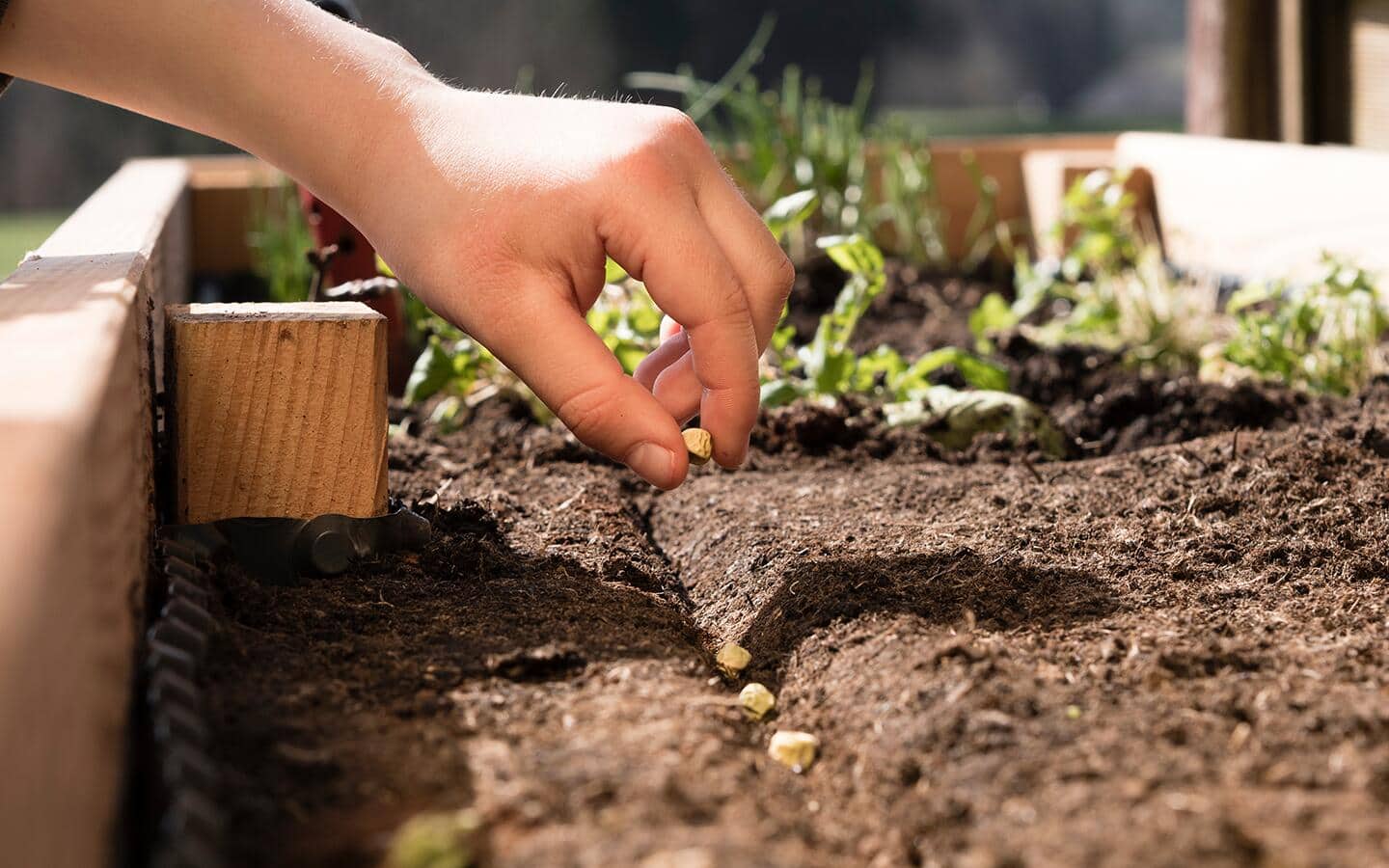
Plant seedlings with enough space to grow. Crowded plants compete for sunlight and nutrients.
Plant each seedling at the right depth. Too deep or too shallow can harm roots.
- Check seed packet for spacing advice
- Keep 1-3 inches between small seedlings
- Plant roots fully covered but not buried too deep
Handling Seedlings Gently
Seedlings are fragile. Handle them with care to avoid damage.
Hold seedlings by their leaves, not the stems. Stems break easily.
- Water seedlings before transplanting to keep roots moist
- Use a small tool or fingers to loosen soil gently
- Place seedlings carefully in holes without squeezing roots
Watering Strategies
Water seedlings right after planting to help them settle. Keep soil moist but not soaked.
Water in the morning to reduce disease risk. Avoid wetting leaves often.
- Use a gentle spray or watering can
- Water daily if soil dries quickly
- Check soil moisture with your finger before watering
Caring For Seedlings After Planting
Planting seedlings in spring is just the start. Taking good care helps them grow strong. Proper care boosts growth and keeps plants healthy.
Check your seedlings often. Pay attention to soil, water, and sunlight needs. This helps seedlings adjust well to their new home.
Mulching Benefits
Mulching protects seedlings by keeping soil moist. It stops weeds that compete for water and nutrients. Mulch also keeps soil temperature steady.
Using mulch reduces watering needs. It makes seedlings less stressed and helps roots grow deeper.
- Retains soil moisture
- Prevents weed growth
- Keeps soil temperature stable
- Improves soil quality over time
Pest And Disease Control
Keep seedlings safe from pests and diseases. Look under leaves and around stems daily. Early spotting stops spread and damage.
Use natural ways to control pests. Handpick bugs or spray water to remove them. Keep garden clean to avoid disease buildup.
- Inspect plants regularly
- Remove damaged leaves
- Use insecticidal soap if needed
- Keep area free of debris
Fertilizing Tips
Feed seedlings with light fertilizer to help growth. Use balanced fertilizers with equal nitrogen, phosphorus, and potassium. Too much fertilizer can harm young plants.
Fertilize every two weeks after seedlings settle. Water plants before and after applying fertilizer to avoid root burn.
Credit: www.kansascity.com
Troubleshooting Common Issues
Planting seedlings in spring can be rewarding but also challenging. Sometimes seedlings show signs of stress or do not grow as expected.
Knowing how to fix common problems helps you keep your plants healthy and strong.
Wilting And Yellowing Leaves
Wilting or yellow leaves often mean the seedling is stressed. This can happen from too much or too little water.
- Check soil moisture: water if dry, but avoid soggy soil.
- Ensure the plant gets enough sunlight, but not harsh direct sun all day.
- Look for pests or diseases on leaves and stems.
- Use well-draining soil to prevent root rot.
Slow Growth Causes
Seedlings that grow slowly may lack nutrients or have poor soil conditions. Cold temperatures can also slow growth.
| Cause | Solution |
| Low nutrients | Fertilize with balanced plant food |
| Poor soil drainage | Improve soil with compost or sand |
| Cold weather | Use covers or start indoors |
| Too much shade | Move seedlings to brighter spot |
Dealing With Transplant Shock
Transplant shock happens when seedlings struggle after moving to a new spot. Leaves may wilt or drop.
To reduce transplant shock:
- Water seedlings well before and after transplanting.
- Handle roots gently to avoid damage.
- Plant at the same depth as before.
- Keep seedlings shaded for a few days after moving.
- Use mulch to keep soil moist and cool.
Extending The Growing Season
Planting seedlings in spring helps gardeners grow plants earlier. Extending the growing season gives plants more time to mature.
Using simple techniques lets you start plants before the weather warms. This leads to better harvests and stronger plants.
Using Row Covers
Row covers are sheets made from lightweight fabric. They protect seedlings from cold, wind, and pests.
Place row covers over your garden beds to keep warmth in. This helps seedlings grow faster in early spring.
- Keep covers tight to avoid damage from wind
- Remove covers on sunny days to prevent overheating
- Use supports to keep fabric off plants
Starting Seeds Indoors Early
Start seeds inside before spring to get a head start. Use seed trays with good light and warmth.
Once seedlings grow strong, transplant them outside. This extends the growing time for your plants.
- Use a bright window or grow lights
- Keep soil moist but not wet
- Harden off seedlings before planting outside
Frequently Asked Questions
When Is The Best Time To Plant Seedlings In Spring?
The best time to plant seedlings is after the last frost date. Soil should be warm enough to support growth. This ensures seedlings establish well and avoid frost damage.
How Deep Should I Plant Spring Seedlings?
Plant seedlings at the same depth they grew in their containers. Avoid burying stems too deep to prevent rot. Proper depth encourages strong root development and healthy growth.
What Soil Type Suits Spring Seedling Planting?
Use well-draining, nutrient-rich soil for seedlings. Mix compost or organic matter to improve fertility. Good soil supports root growth and retains moisture without waterlogging.
How Often Should I Water Newly Planted Seedlings?
Water seedlings immediately after planting and keep soil moist. Avoid overwatering to prevent root rot. Consistent moisture helps seedlings establish strong roots and thrive.
Conclusion
Planting seedlings in spring helps your garden grow strong. Choose healthy seedlings and prepare the soil well. Water them gently but regularly to keep roots moist. Watch for pests and protect young plants early. Give your seedlings enough sunlight each day.
Patience and care bring great results. Enjoy the process and see your garden bloom beautifully. Start now for a bright, green spring garden.