Are you tired of seeds clumping together and your garden ending up looking more like a wild jungle than a neatly organized paradise? You’re not alone.
Many gardeners face the challenge of planting seeds evenly, which is crucial for giving each plant the best chance to thrive. Imagine a garden where every seed has the perfect space to grow, resulting in a lush, beautiful landscape. Sounds ideal, right?
In this guide, you’ll discover simple yet effective techniques to ensure your seeds are evenly spaced. These tips will transform your planting process, making it easier and more efficient. Ready to unlock the secrets to a perfectly planted garden? Keep reading to learn how to turn your gardening dreams into reality.
Choosing The Right Seeds
Picking the right seeds is important for a good garden. The right seeds help plants grow well and produce more.
Before planting, learn about seed types and how to check seed quality. This guide will help you choose seeds that grow evenly and strong.
Seed Types And Sizes
Seeds come in different types and sizes. Some are large and easy to plant. Others are small and need careful handling.
- Large seeds: beans, peas, and corn. They need more space.
- Medium seeds: lettuce, carrots, and spinach. They grow well in rows.
- Small seeds: herbs and flowers. They need shallow soil and gentle watering.
Seed Quality And Viability
Good seed quality means seeds will sprout fast and grow healthy plants. Viability shows how many seeds can grow.
| Factor | What to Check | Why It Matters |
| Freshness | Buy recent seed packets | Old seeds sprout less |
| Storage | Keep seeds dry and cool | Prevents seed damage |
| Seed Coat | Look for firm and whole seeds | Broken seeds may not grow |
| Viability Test | Plant a few seeds first | See how many sprout |
Credit: www.thompson-morgan.com
Preparing The Soil
Planting seeds evenly starts with good soil preparation. Healthy soil helps seeds grow strong roots.
Taking time to prepare the soil makes planting easier and helps plants thrive.
Soil Texture And Composition
Soil texture means the size of soil particles. It can be sandy, clay, or loamy soil.
Good soil has a mix of sand, silt, and clay. This mix is called loam and holds water well.
- Sandy soil drains fast but does not hold nutrients well.
- Clay soil holds water but drains slowly and can be heavy.
- Loamy soil is soft, drains well, and keeps nutrients.
Adding organic matter like compost improves soil texture and helps seeds grow.
Clearing And Leveling The Ground
Clear the ground by removing rocks, weeds, and old roots. This makes space for new seeds.
Level the soil surface so water spreads evenly. This helps seeds get equal moisture.
- Use a rake to remove debris and smooth the soil.
- Break up large clumps of soil for better seed contact.
- Check for low spots that might collect water and fill them.
Tools For Even Planting
Planting seeds evenly helps your garden grow better. Using the right tools makes it easier. These tools save time and reduce waste.
Below are two useful tools to help you plant seeds with good spacing and accuracy.
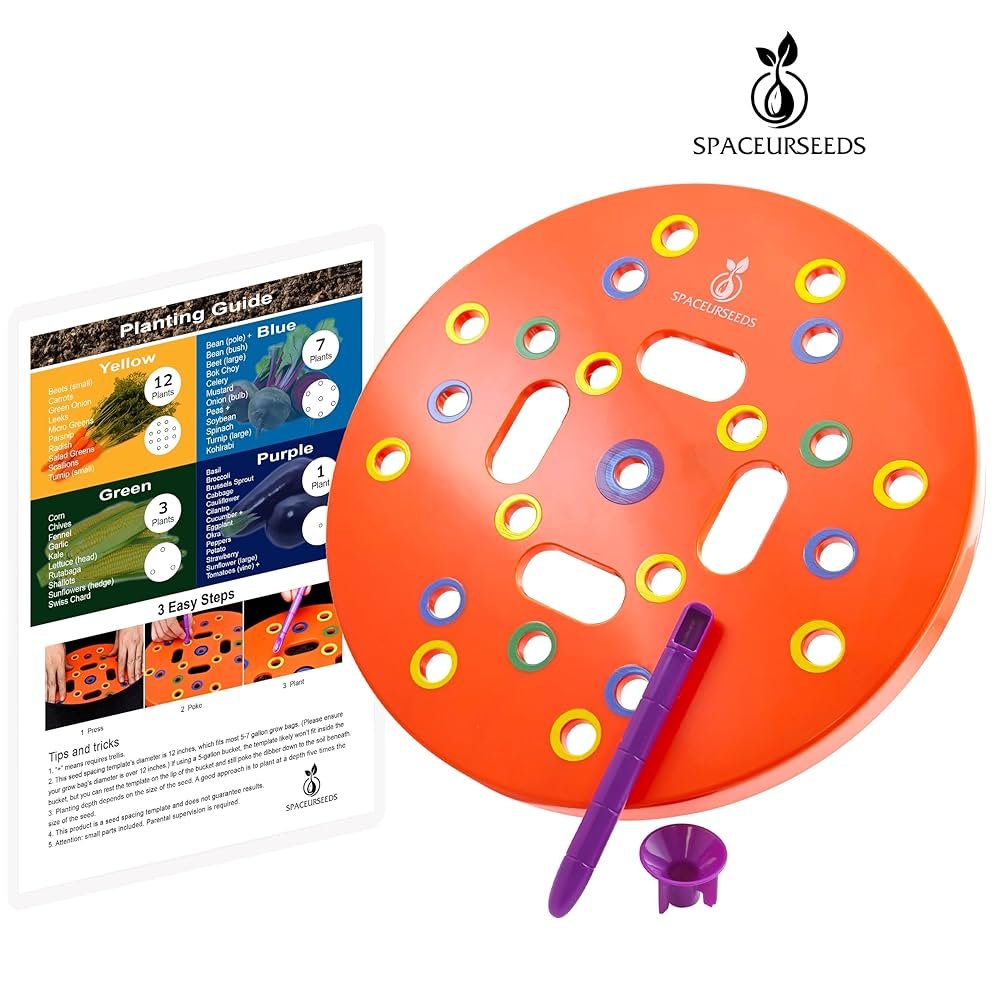
Using Seed Spacers
Seed spacers keep seeds apart at the right distance. They help prevent overcrowding. This gives each plant room to grow strong.
- Seed spacers come in different sizes for various seed types.
- They are easy to use and clean after planting.
- Spacers can be plastic, wood, or metal.
- Use spacers for rows or clusters of seeds.
Diy Planting Guides
You can make simple guides at home to space seeds evenly. These guides help you mark spots or lines in your garden bed.
| Material | Use | Benefits |
| Wooden sticks | Mark rows or seed spots | Reusable and easy to find |
| String or twine | Create straight planting lines | Simple and adjustable length |
| Cardboard templates | Mark exact seed spacing | Custom sizes for different seeds |
Spacing Seeds Correctly
Planting seeds with the right space helps them grow strong. Proper spacing avoids crowding and gives plants room for roots.
Good seed spacing improves air flow and sunlight for each plant. It also reduces diseases and helps you manage the garden better.
Row Spacing Techniques
Rows need to be far enough apart for easy care and growth. Space depends on the plant type and garden size.
Keep wider rows for big plants and narrow rows for small ones. This helps with watering and weeding.
- Use a measuring tape or stick to keep even rows
- Leave 12 to 18 inches between rows for most vegetables
- For large plants, space rows 24 to 36 inches apart
- Mark rows with string or sticks to guide planting
Depth Control Tips
Plant seeds at the right depth to help them sprout well. Too deep or too shallow can stop growth.
Seed packets show the best depth. Usually, plant seeds two times as deep as their size.
- Small seeds: plant ¼ to ½ inch deep
- Medium seeds: plant ½ to 1 inch deep
- Large seeds: plant 1 to 2 inches deep
- Use a stick or finger to make holes at correct depth
Planting Methods
Planting seeds evenly ensures better growth and higher yields. Different methods suit different garden sizes and seed types.
This guide covers two main planting methods: hand planting and mechanical seeders. Each has unique tips and tools.
Hand Planting Tips
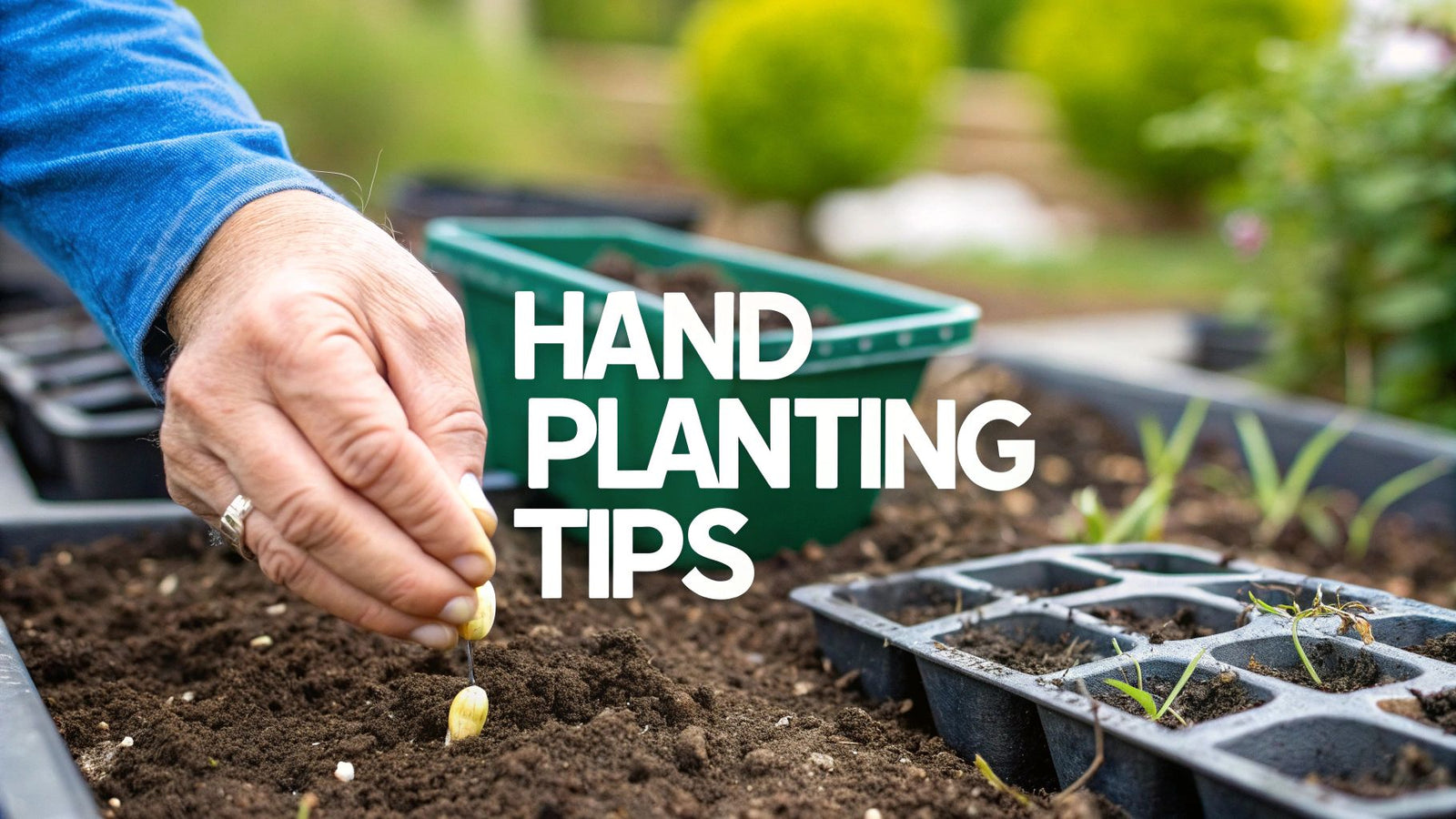
Hand planting lets you place seeds exactly where you want. It works well for small gardens and delicate seeds.
- Use a seed dibbler or pencil to make holes at even depths.
- Count seeds carefully to avoid overcrowding.
- Cover seeds gently with soil to keep moisture.
- Water the soil lightly after planting.
- Mark rows with sticks or string to keep straight lines.
Mechanical Seeders
Mechanical seeders speed up planting on larger farms. They place seeds at set distances and depths automatically.
| Seeder Type | Best Use | Seed Spacing |
| Drop Seeder | Small to medium seeds | Adjustable |
| Precision Seeder | Large seeds and vegetables | Very precise |
| Broadcast Seeder | Cover crops and grasses | Wide spread |
Credit: homegrown-garden.com
Watering And Maintenance
Watering and maintenance are key to growing healthy seedlings. Proper care helps seeds sprout evenly and strong.
Different stages need different watering and attention. Knowing how to care for young plants improves growth.
Initial Watering Strategies
Right after planting, water the seeds gently. Use a spray or fine mist to avoid washing seeds away.
Keep the soil moist but not soaked. Too much water can cause seeds to rot or move unevenly.
- Water lightly every day or as needed
- Use a spray bottle or watering can with a fine rose
- Avoid strong water streams that disturb seeds
- Check soil moisture by touch; it should feel damp
Ongoing Care For Seedlings
Once seedlings appear, water them less often but more deeply. This helps roots grow strong and deep.
Remove any weeds and keep soil loose. Seedlings need air and space to grow well.
- Water seedlings early in the day
- Water soil around seedlings, not leaves
- Thin seedlings to avoid crowding
- Keep soil loose by gently loosening it
- Watch for signs of over or under watering
Common Mistakes To Avoid
Planting seeds evenly helps plants grow strong and healthy. Many gardeners make simple mistakes that hurt seed growth.
Knowing what to avoid can save time and improve your garden’s success. Here are two common mistakes to watch out for.
Overcrowding Seeds
Putting too many seeds close together causes overcrowding. Plants compete for water, light, and nutrients.
This can make plants weak and small. Crowded roots also struggle to get enough space to grow well.
- Overcrowded seeds grow slower
- Weak plants are more likely to die
- Thinning crowded plants wastes time later
- Leave enough space between seeds
Inconsistent Depths
Planting seeds at different depths causes uneven growth. Some seeds may not get enough light or water.
Seeds planted too deep take longer to sprout or may not grow at all. Shallow seeds can dry out quickly.
- Check seed packet for correct planting depth
- Use a ruler or finger to plant seeds evenly
- Keep soil moist but not too wet
- Consistent depth helps seeds sprout together
Troubleshooting Growth Issues
Planting seeds evenly is key to healthy growth. Sometimes seeds do not grow well. This guide helps you find and fix common problems.
Knowing why seeds fail helps you improve your planting skills. You can get better results with simple changes.
Identifying Poor Germination
Poor germination means many seeds do not sprout. This problem can come from bad seed quality or wrong soil conditions.
Look for signs like uneven sprouts or empty spots in your seedbed. Check if seeds are old or damaged.
- Seeds not sprouting after two weeks
- Patchy or thin plant growth
- Soil too dry or too wet
- Seeds planted too deep or too shallow
Adjusting Planting Techniques
Changing how you plant seeds can fix growth problems. Use the right soil, depth, and spacing for each seed type.
Water seeds gently and keep soil moist but not soaked. Thin seedlings if they grow too close together.
- Use fresh seeds and test germination before planting
- Plant seeds at the depth recommended on the packet
- Keep soil evenly moist and warm
- Space seeds evenly to avoid crowding
- Thin seedlings to give space for strong growth

Credit: growcycle.com
Frequently Asked Questions
How Do I Space Seeds Evenly In A Garden Bed?
To space seeds evenly, use a ruler or seed spacing tool. Mark planting spots before sowing. This ensures uniform growth and healthy plants.
What Tools Help Plant Seeds Evenly?
Tools like seed spacers, dibblers, and seed tapes help plant seeds evenly. They save time and improve seed distribution accuracy.
How Deep Should I Plant Seeds For Even Growth?
Plant seeds at a depth twice their size. This promotes proper germination and avoids uneven growth or seed rot.
Can I Plant Different Seeds Evenly Together?
Yes, plant compatible seeds with similar spacing needs together. This maintains even growth and optimizes garden space effectively.
Conclusion
Planting seeds evenly helps plants grow strong and healthy. It saves space and makes your garden neat. Using simple tools and careful measuring improves your results. Take your time to spread seeds with care. Watch your garden grow with even rows and good spacing.
Enjoy the process and learn with each planting. Healthy plants start with good seed placement. Keep practicing, and your garden will flourish year after year.