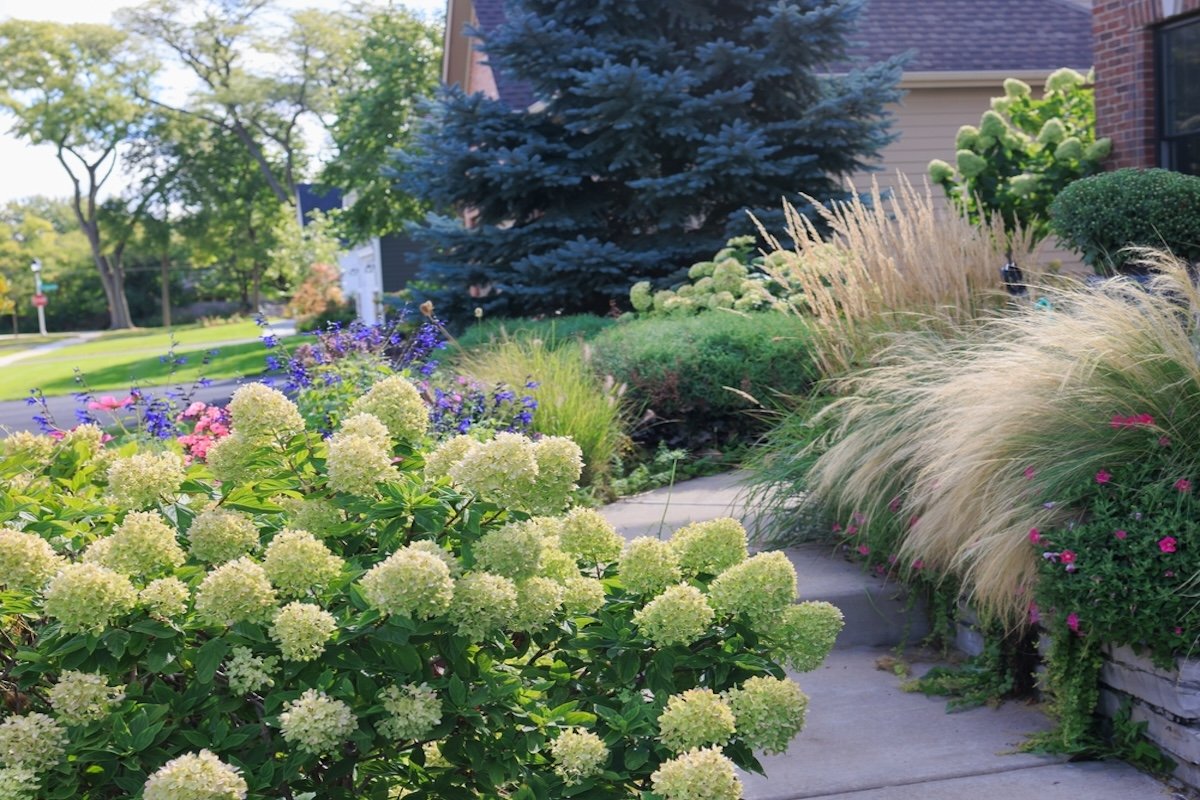
Are you ready to transform your garden but don’t know where to start? Planting shrubs can seem tricky at first, but with the right guidance, you’ll find it’s easier than you think.
Imagine stepping outside to a beautiful, green space that you created yourself. This guide will show you exactly how to choose, plant, and care for shrubs, even if you’ve never done it before. Keep reading, and you’ll discover simple steps that make your garden grow healthy and strong.
Your perfect garden is just a few easy tips away!

Credit: www.bobvila.com
Choosing The Right Shrubs
Picking the right shrubs is important for a healthy garden. Shrubs need the right environment to grow well. This guide helps beginners select shrubs that fit their garden.
Choosing shrubs includes thinking about the climate, size, and soil. Each factor affects how well shrubs will grow and thrive. Let’s explore these key points.
Selecting Shrubs For Your Climate
Shrubs must match your local weather to survive. Some shrubs like cool places, while others prefer warmth. Look for plants that handle your area’s temperature and rain.
- Know your climate zone before buying
- Choose drought-tolerant shrubs in dry areas
- Pick frost-resistant shrubs if winters are cold
- Consider humidity and rainfall levels
- Ask local nurseries for shrubs that grow well nearby
Considering Shrub Size And Growth
Shrub size affects where you plant them. Some shrubs stay small, while others grow tall and wide. Think about space and how fast the shrub grows.
| Shrub Type | Average Height | Growth Rate | Best Use |
|---|---|---|---|
| Dwarf Shrubs | 1 to 3 feet | Slow | Borders and small gardens |
| Medium Shrubs | 3 to 6 feet | Medium | Hedges and privacy screens |
| Large Shrubs | 6 to 12 feet | Fast | Windbreaks and large spaces |
Picking Shrubs For Soil Type
Soil type changes how shrubs take in nutrients and water. Some shrubs like sandy soil, others do better in clay or loam. Check your soil before planting.
Common Soil Types and Suitable Shrubs:
- Sandy Soil:Lavender, Juniper, Rosemary
- Clay Soil:Hydrangea, Forsythia, Viburnum
- Loamy Soil:Azalea, Boxwood, Holly

Credit: gardenerspath.com
Preparing The Planting Site
Preparing the planting site is important for healthy shrub growth. Taking time to get the area ready helps shrubs grow strong roots.
Good preparation includes clearing the area, testing the soil, and planning where to plant the shrubs. These steps create a good start.
Clearing And Cleaning The Area
Remove all weeds, grass, and debris from the planting site. This stops competition for water and nutrients.
Clear rocks and sticks to make digging easier and to protect the roots of new shrubs.
- Pull or dig out weeds by the roots
- Rake away leaves and dead plants
- Remove stones larger than 2 inches
- Dispose of trash and old plant material
Testing And Improving Soil Quality
Check the soil to see if it has the right nutrients and pH for shrubs. Healthy soil helps plants grow well.
Use a soil test kit or send a sample to a lab. Add compost or fertilizer to fix any problems found.
- Test soil pH (ideal is 6.0 to 7.0 for most shrubs)
- Add organic matter like compost for better texture
- Use balanced fertilizer if soil lacks nutrients
- Mix soil amendments well into the top 6-8 inches
Planning Shrub Placement
Decide where to plant each shrub before digging. Good spacing helps shrubs grow without crowding.
Consider sunlight, water needs, and how tall the shrubs will grow. Plan paths and views around them.
- Leave enough space for each shrub’s mature size
- Place sun-loving shrubs in full sun spots
- Plant shade-tolerant shrubs under trees or near buildings
- Avoid planting too close to foundations or walkways
Planting Techniques
Planting shrubs properly helps them grow strong and healthy. Good techniques make sure roots get enough space and nutrients.
Follow simple steps to dig, handle, and position your shrubs well. This guide will show you how to do it right.
Digging The Proper Hole
Dig a hole that is twice as wide as the root ball of the shrub. The depth should match the height of the root ball. This gives roots room to spread out easily.
- Measure the root ball width and height.
- Dig the hole twice as wide as the root ball.
- Keep the hole depth equal to the root ball height.
- Loosen the soil at the bottom and sides of the hole.
Handling Shrubs Carefully
Handle shrubs by their root ball, not the stems. Avoid shaking or dropping them. Keep the roots moist before planting to prevent damage.
- Lift by the root ball only.
- Do not hold the shrub by branches.
- Keep roots covered with moist burlap or soil.
- Plant the shrub soon after removing from container.
Positioning And Backfilling
Place the shrub in the hole so the top of the root ball is level with the ground. Backfill gently with soil while pressing it down to remove air pockets.
| Task | How to Do It |
| Positioning | Set root ball top level with soil surface. |
| Backfilling | Use native soil; fill hole half full and press gently. |
| Watering | Water after backfilling to settle soil. |
| Mulching | Apply mulch around base but keep away from stems. |
Watering And Mulching
Planting shrubs needs care to help them grow well. Watering and mulching are key parts of this care.
Good watering gives shrubs enough moisture. Mulching protects the soil and keeps water in.
Establishing A Watering Routine
New shrubs need regular watering to start strong. Water them deeply to reach the roots.
Water shrubs early in the morning or late in the evening. This helps reduce water loss from heat.
- Water 2-3 times a week for the first month
- Check soil moisture before watering again
- Reduce watering as shrubs grow stronger
Choosing The Right Mulch
Mulch helps keep soil moist and cool. It also stops weeds from growing near shrubs.
Organic mulches like wood chips or bark break down slowly. They add nutrients to the soil as they decay.
- Wood chips for a natural look
- Bark mulch for good moisture retention
- Leaves or straw for quick coverage
Applying Mulch Effectively
Spread mulch evenly around shrubs, but keep it away from the trunk. This stops rot and pests.
Apply mulch 2 to 3 inches deep. Too much mulch can stop water from reaching roots.
- Clear weeds before adding mulch
- Keep mulch 3-4 inches away from shrub stems
- Replenish mulch each spring
Caring For New Shrubs
Planting shrubs is just the start. Proper care helps them grow strong and healthy. New shrubs need extra attention in the first year.
Water, sunlight, and soil quality are important. Also, pruning, fertilizing, and checking for pests keep shrubs thriving.
Pruning Tips For Beginners
Pruning helps shape the shrub and removes dead parts. Do not cut too much at once. Use clean, sharp tools for best results.
- Cut branches at a 45-degree angle
- Remove dead or broken stems first
- Prune lightly during the first year
- Prune in early spring or late winter
- Do not remove more than one-third of the shrub
Fertilizing Basics
Fertilizer gives shrubs the nutrients they need to grow. Use a balanced fertilizer with nitrogen, phosphorus, and potassium.
| Fertilizer Type | Best Time to Apply | Amount per Shrub |
| Slow-release granular | Early spring | 1 cup |
| Liquid fertilizer | Every 4 weeks in growing season | Follow label |
| Organic compost | Any time | 2-3 inches around base |
Monitoring For Pests And Diseases
Watch shrubs for signs of pests or disease. Early detection stops damage and keeps plants healthy.
- Check leaves for spots or discoloration
- Look under leaves for insects or eggs
- Remove affected parts quickly
- Use natural insect repellents if needed
- Keep area around shrubs clean and weed-free
:strip_icc()/TheGoldHiveGardenforBHG201806-0044_preview-bc5489b682f84aa8980329d216c16bad.jpg)
Credit: www.bhg.com
Common Mistakes To Avoid
Planting shrubs can be easy if you avoid some common errors. These mistakes can harm your plants or slow their growth.
Knowing what to watch out for helps your shrubs grow strong and healthy. Read on to learn about key mistakes and how to prevent them.
Overwatering And Underwatering
Watering shrubs is tricky. Too much or too little water can hurt them. Overwatering causes root rot. Underwatering dries out the roots.
- Check soil moisture before watering.
- Water deeply but less often.
- Use mulch to keep soil moist.
- Adjust watering by season and weather.
Planting Too Deep Or Too Shallow
Planting depth affects root health. Too deep planting can suffocate roots. Too shallow planting leaves roots exposed and dry.
| Depth Issue | Effect on Shrub |
| Too Deep | Roots may rot and not get air. |
| Too Shallow | Roots dry out and may die. |
| Correct Depth | Roots are covered but get air and water. |
Ignoring Sunlight Requirements
Shrubs need the right amount of sunlight to grow well. Some like full sun, while others prefer shade. Planting in wrong light hurts growth.
Follow these tips to match shrubs with light needs:
- Read plant labels for sunlight info.
- Observe your garden’s sun and shade areas.
- Place sun-loving shrubs in open spots.
- Put shade-tolerant shrubs under trees or near buildings.
- Adjust placement if plants look weak or scorched.
Frequently Asked Questions
What Are The Best Shrubs For Beginners?
Beginners should choose low-maintenance shrubs like boxwood, hydrangea, or spirea. These are hardy and adapt well to various conditions. They require minimal pruning and care, making them ideal for new gardeners. Starting with these plants can ensure a successful gardening experience.
When Is The Best Time To Plant Shrubs?
The best time to plant shrubs is during early spring or fall. During these seasons, temperatures are moderate, and rainfall is more consistent. This helps shrubs establish roots before extreme weather. Planting during these times ensures healthier growth and better survival rates.
How Much Sunlight Do Shrubs Need?
Most shrubs need at least 4-6 hours of sunlight daily. Some shade-tolerant varieties can thrive in less light. Always check the specific sunlight requirements of your chosen shrub species. Ensuring proper sunlight helps in healthy growth and vibrant blooms.
How Often Should I Water My Shrubs?
Water newly planted shrubs weekly, ensuring the soil remains moist but not waterlogged. Once established, most shrubs require less frequent watering. Adjust watering based on weather conditions and soil type. Proper watering prevents root rot and promotes healthy growth.
Conclusion
Planting shrubs is simple with the right steps. Choose healthy plants and good soil. Water them well and give space to grow. Watch your garden come alive with green beauty. Enjoy the fresh air and calm nature brings. Keep learning and caring for your plants daily.
Your effort will show in strong, healthy shrubs. Gardening brings peace and joy to your home. Start small and grow your confidence over time. Happy planting and may your garden flourish!