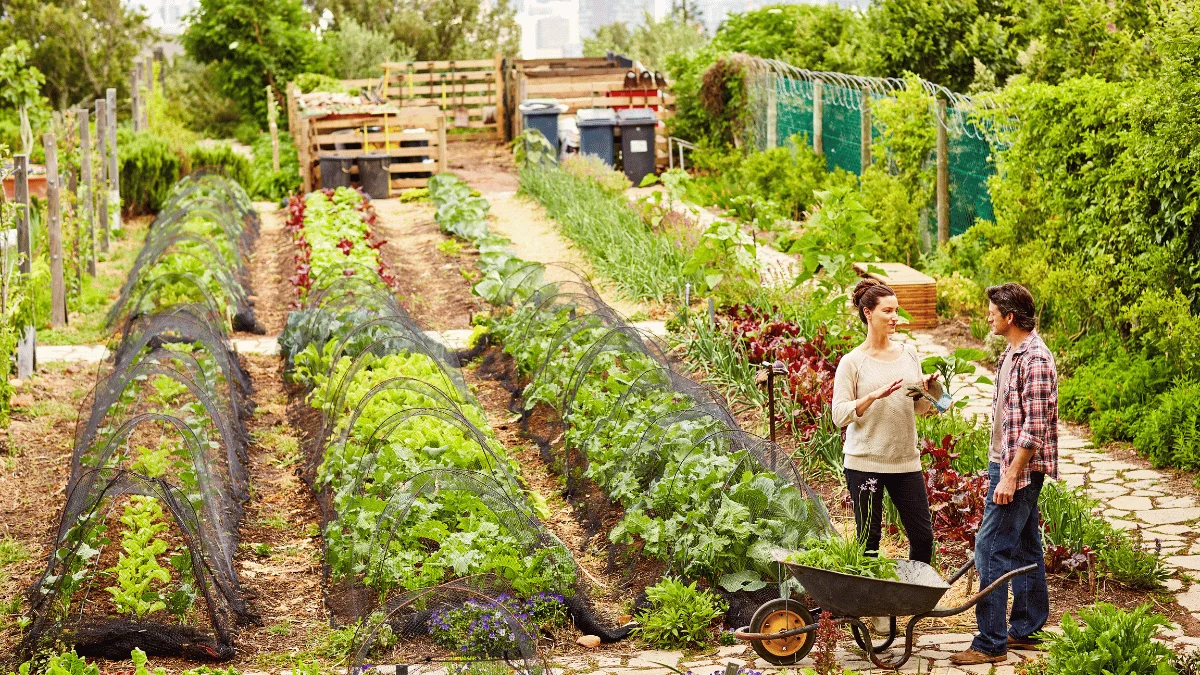
Are you tired of your vegetable garden looking more like a chaotic jungle than a neatly organized oasis? Planting vegetables evenly is the secret to a thriving garden, and it’s easier than you might think.
Imagine walking through your garden, every plant perfectly spaced, maximizing sunlight and nutrients, leading to bountiful harvests. In this guide, you’ll discover simple yet effective techniques to achieve that perfect balance. Whether you’re a seasoned gardener or just starting out, this article will unlock the keys to transforming your garden into a productive, well-organized space.
Ready to dig in and uncover the secrets to vegetable planting success? Keep reading to find out how!
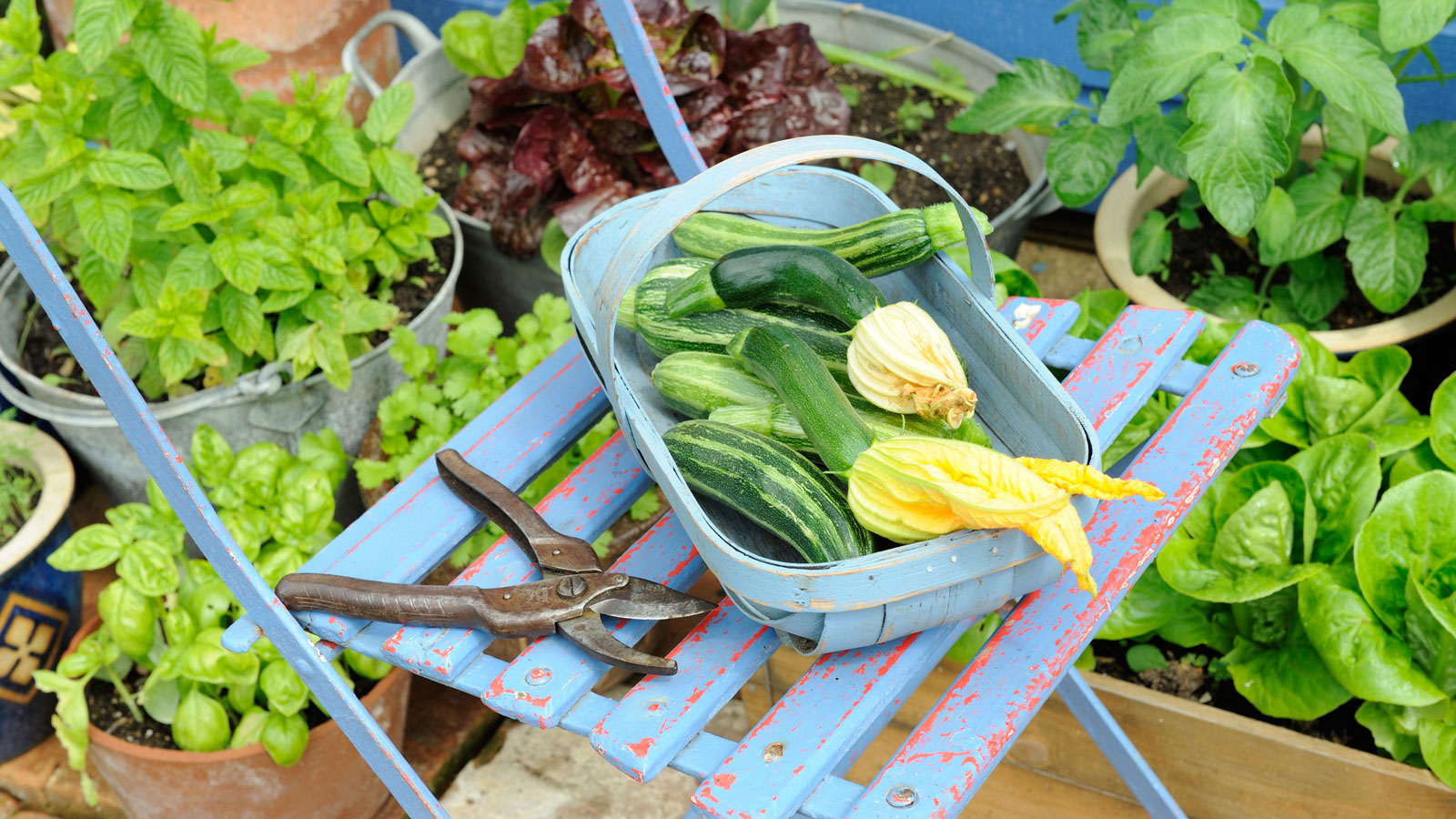
Credit: www.homesandgardens.com
Choosing The Right Vegetables
Choosing the right vegetables is key to a successful garden. The right choices help plants grow well and give a good harvest.
Focus on vegetables that fit your local climate, grow well together, and have enough space to develop fully.
Consider Climate And Season
Vegetables grow best in specific climates and seasons. Some like warm weather, while others prefer cooler times.
- Check your area’s frost dates before planting.
- Choose heat-loving vegetables for summer.
- Select cool-season crops for spring and fall.
- Use local gardening guides to know the best planting times.
Select Compatible Plants
Some plants grow well side by side, while others compete for nutrients and space. Pick plants that support each other.
| Vegetable | Good Companion Plants | Plants to Avoid |
| Tomatoes | Basil, Carrots | Cabbage |
| Carrots | Peas, Lettuce | Dill |
| Cabbage | Celery, Onion | Strawberries |
Plan For Growth Space
Each vegetable needs space to grow roots and leaves. Crowding plants can reduce their size and yield.
- Read seed packets for spacing instructions.
- Allow extra room for tall or wide plants.
- Use vertical supports for climbing plants.
- Group plants by their size and growth habit.

Credit: www.rasnetwork.org
Preparing The Soil
Good soil is key to growing vegetables evenly. Preparing soil helps plants get the nutrients they need.
Well-prepared soil holds moisture and allows roots to grow strong. Take time to get your soil ready.
Test Soil Quality
Test your soil to check its pH and nutrient levels. This helps you know what your soil needs.
Use a soil test kit or send a sample to a lab. Testing is simple and guides your soil care.
Add Nutrients And Compost
Vegetables need nutrients like nitrogen, phosphorus, and potassium. Add compost to enrich the soil.
Compost improves soil texture and feeds plants naturally. Spread it evenly before planting your seeds.
- Use well-rotted compost or organic matter
- Mix compost into the top 6-8 inches of soil
- Add fertilizer if soil tests show low nutrients
Ensure Proper Drainage
Good drainage stops water from pooling around roots. This prevents root rot and other problems.
Check if water drains well after watering. If not, add sand or organic matter to improve it.
- Raise beds if soil stays too wet
- Mix coarse sand or fine gravel into heavy soil
- Use organic matter to improve soil structure
Tools For Even Planting
Planting vegetables evenly helps them grow better. You need the right tools to space seeds correctly.
This guide covers three useful tools that make planting easier and more accurate.
Measuring Tapes And Markers
Measuring tapes help you set exact distances between plants. Use markers to note where each seed goes.
- Measure the length of each row
- Mark spots with sticks or flags
- Keep spacing consistent for better growth
Row Spacing Guides
Row spacing guides keep your planting lines straight and spaced evenly. They fit easily in garden beds.
| Type | Use | Material |
| Wooden stakes | Mark row ends | Wood |
| String line | Keep rows straight | Twine or nylon |
| Plastic spacers | Measure row gaps | Plastic |
Planting Templates
Templates help place seeds or seedlings evenly by following a preset pattern.
Common planting templates include:
- Grid mats with holes spaced for various crops
- Plastic sheets with cutouts for seed spots
- Cardboard guides for quick layout
Marking Straight Rows
Planting vegetables in straight rows helps your garden look neat. It also makes watering and weeding easier.
To get straight rows, you need to mark them before planting. This guide shows simple ways to mark even rows.
Using String Lines
Tie a string between two stakes to mark a straight line. This line shows where to plant your seeds or seedlings.
Stretch the string tight and keep it low to the ground. This helps you plant in a straight path easily.
Creating Furrows
Use a hoe or a stick to make shallow furrows along the string line. Furrows are small trenches for planting seeds.
Furrows guide you to plant seeds evenly and help water reach the roots better.
Maintaining Consistent Spacing
Keep equal distance between seeds and rows. This helps plants grow well without crowding each other.
- Use a measuring tape or ruler for accuracy
- Mark spots with small sticks or seeds
- Follow seed packet spacing instructions
Planting Techniques
Planting vegetables evenly helps them grow healthy and strong. Using the right methods makes your garden neat and productive.
Good planting techniques include choosing how to place seeds or seedlings, setting the right depth and spacing, and watering properly.
Seed Vs. Seedling Placement
Decide if you want to plant seeds directly or start with seedlings. Seeds need careful spacing so they do not crowd each other. Seedlings require gentle handling to avoid damage.
Place seeds shallow enough for sunlight to reach but deep enough to stay moist. Seedlings should go into holes big enough for their roots without bending.
Depth And Spacing Rules
Planting depth and spacing vary by vegetable type. Too deep or too close can stop growth. Follow these simple rules for common vegetables:
- Carrots: Plant seeds ½ inch deep, space 2 inches apart.
- Tomatoes: Plant seedlings 2 inches deep, space 18 inches apart.
- Beans: Sow seeds 1 inch deep, space 3 inches apart.
- Lettuce: Sow seeds ¼ inch deep, space 6 inches apart.
- Peppers: Plant seedlings 1 inch deep, space 12 inches apart.
Watering After Planting
Water right after planting to settle soil around roots. Use gentle watering to avoid washing seeds away. Keep soil moist but not soggy during early growth.
| Planting Stage | Watering Advice |
| Right after planting | Water gently to moisten soil |
| First two weeks | Keep soil evenly moist daily |
| After seedlings grow | Water less often but deeply |
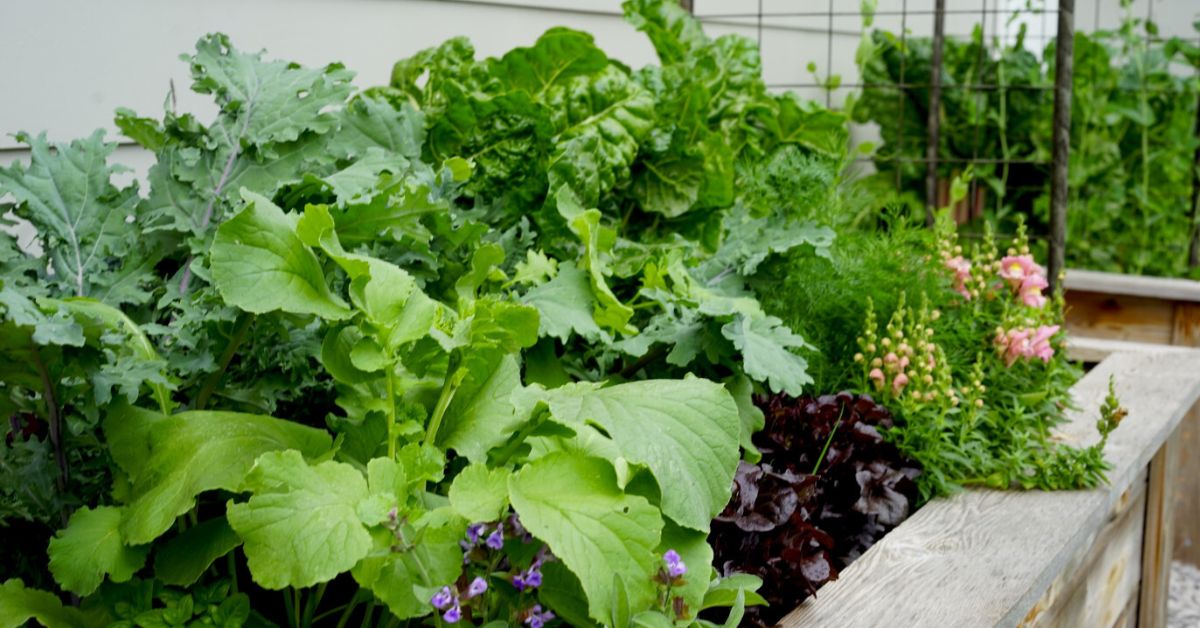
Credit: thebetterindia.com
Maintaining Even Growth
Growing vegetables evenly requires care and attention. Healthy plants need space, water, and regular cleaning.
Even growth helps plants get enough sunlight and nutrients. It also makes harvesting easier.
Regular Weeding
Weeds compete with vegetables for water and nutrients. Removing them often keeps your plants strong. Pull weeds by hand or use a hoe to clear the area carefully.
Consistent Watering
Vegetables need steady moisture to grow well. Too little water causes stunted growth. Too much water can harm roots.
- Water early in the morning to reduce evaporation.
- Keep soil moist but not soggy.
- Use drip irrigation or soaker hoses for best results.
- Check soil regularly and adjust watering as needed.
Thinning Crowded Plants
When seedlings grow too close, they compete for light and nutrients. Thinning helps each plant get enough space.
| Reason to Thin | Effect on Growth |
|---|---|
| More air circulation | Reduces disease risk |
| Better root space | Stronger plants |
| Even sunlight | Uniform size |
| Less competition | Higher yield |
Troubleshooting Common Issues
Planting vegetables evenly ensures a healthy, productive garden. Sometimes problems arise that stop plants from growing well. Knowing how to fix these issues helps keep your garden on track.
This guide covers common problems like uneven germination, pests, diseases, and row alignment. You will find tips and solutions to handle these challenges easily.
Uneven Germination
Uneven germination means some seeds sprout late or not at all. This causes gaps and crowding in your rows. The main causes are poor seed quality, uneven soil moisture, and wrong planting depth.
- Use fresh, high-quality seeds from a trusted source.
- Keep soil evenly moist but not soggy during germination.
- Plant seeds at the depth recommended on the seed packet.
- Prepare soil by loosening it to help roots grow easily.
- Maintain consistent temperature around the seeds.
Pest And Disease Control
Pests and diseases can damage plants and reduce yields. Early detection and treatment keep your vegetables healthy. Use natural and safe methods to protect your garden.
| Common Problem | Signs | Control Method |
| Aphids | Sticky leaves, curled growth | Spray water or neem oil |
| Fungal Disease | Spots on leaves, wilting | Remove infected leaves, improve air flow |
| Cutworms | Seedlings cut at base | Use collars or organic insecticides |
| Powdery Mildew | White powder on leaves | Apply baking soda spray, avoid wet leaves |
Correcting Row Misalignment
Misaligned rows make it hard to care for plants and harvest. Correcting rows early saves time and effort later. Mark rows clearly before planting and check spacing often.
- Use a string or garden line to guide planting straight rows.
- Measure equal spacing between seeds to avoid crowding.
- Adjust seedlings carefully if rows shift after planting.
- Keep tools and stakes handy to maintain row lines.
- Regularly walk through the garden to spot any misalignment.
Frequently Asked Questions
How Do I Space Vegetables Evenly When Planting?
To space vegetables evenly, follow seed packet instructions for spacing. Use a ruler or string to measure consistent gaps. Proper spacing ensures adequate sunlight, airflow, and nutrient access, promoting healthy growth and preventing disease.
What Tools Help Plant Vegetables Evenly?
Common tools include garden rulers, measuring tapes, string lines, and planting templates. These tools help maintain consistent row and plant spacing, ensuring even growth and easier garden maintenance.
Why Is Even Vegetable Planting Important?
Even planting improves air circulation and sunlight exposure. It reduces competition for nutrients and water. This leads to healthier plants, better yields, and easier pest and weed control.
Can I Plant Different Vegetables Evenly Together?
Yes, companion planting allows different vegetables to grow evenly when spaced properly. Choose plants with compatible spacing needs and growth habits to maximize space and improve garden health.
Conclusion
Planting vegetables evenly helps them grow strong and healthy. Space your seeds or seedlings carefully for better air and sunlight. Even planting also makes watering and weeding easier. Watch your garden closely and adjust spacing as needed. A well-planned garden saves time and gives a good harvest.
Try these tips to enjoy fresh vegetables from your own garden. Happy planting!