Are you tired of struggling with messy, uneven cuts when working on your plumbing projects? Choosing the right pipe cutter can make all the difference between a smooth job and a frustrating one.
Whether you’re a DIY enthusiast or a professional plumber, knowing how to pick and use the best plumbing pipe cutter saves you time, effort, and headaches. In this guide, you’ll discover simple tips and expert advice that will help you cut pipes cleanly and quickly every time.
Keep reading to unlock the secrets to perfect cuts and take your plumbing skills to the next level.
Types Of Plumbing Pipe Cutters
Plumbing pipe cutters help cut pipes quickly and cleanly. Different types fit various pipe materials and sizes.
Choosing the right cutter makes plumbing work easier and safer. Here are common types of pipe cutters used in plumbing.
Rotary Pipe Cutters
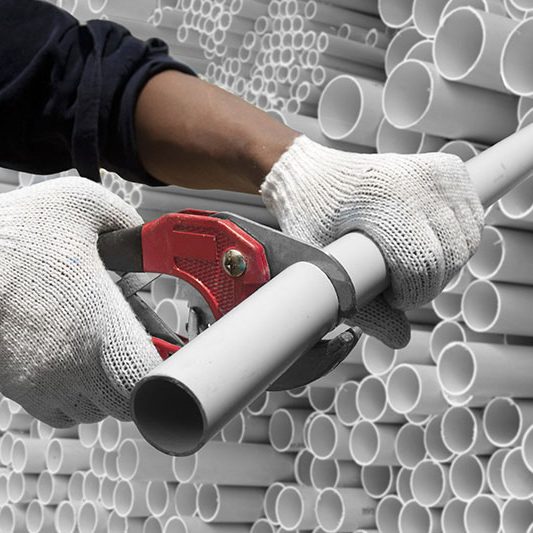
Rotary pipe cutters have a round cutting wheel and rollers. You place the cutter around the pipe and rotate it.
Each turn cuts deeper until the pipe is cleanly cut. They work best on metal pipes like copper and steel.
- Easy to use with one hand
- Provides smooth, even cuts
- Ideal for straight pipes
Hose Pipe Cutters
Hose pipe cutters are designed for flexible hoses. They have sharp blades to cut rubber or plastic hoses cleanly.
These cutters often look like scissors or shears. They give a straight cut without crushing the hose.
- Good for garden or fuel hoses
- Simple, quick cutting action
- Prevents damage to hose walls
Tubing Cutters
Tubing cutters are similar to rotary cutters but smaller. They are made for thin tubes like copper or plastic tubing.
They offer precise control and smooth cuts. Tubing cutters work well in tight spaces where larger cutters don’t fit.
- Lightweight and easy to handle
- Great for small diameter tubes
- Reduces risk of tube deformation
Mini Pipe Cutters
Mini pipe cutters are compact versions of rotary cutters. They fit small pipes and tight spots where space is limited.
Despite their size, they deliver clean cuts. Mini cutters are handy for quick repairs and small plumbing jobs.
- Light and portable
- Works well on copper and plastic pipes
- Ideal for plumbing maintenance
Choosing The Right Cutter For Your Pipe
Using the right pipe cutter makes your plumbing work easier. Different pipes need different cutters for clean cuts.
Choosing a cutter depends on the pipe material, size, and how precise the cut must be. This guide helps you pick the best cutter.
Material Compatibility
Pipe cutters are made for certain materials. Using the wrong cutter can damage the pipe or tool.
Soft plastics need a different cutter than metal pipes. Some cutters work well for copper, PVC, or steel.
- Copper pipes: Use rotary cutters with sharp blades
- Plastic pipes (PVC, CPVC): Use plastic pipe cutters or fine-toothed saws
- Steel pipes: Use heavy-duty cutters or power tools
- PEX pipes: Use special PEX cutters for clean cuts
Pipe Diameter Considerations
Pipe diameter affects the type of cutter you need. Some cutters work only with small pipes.
Check the cutter’s size range before buying. Larger pipes need stronger, adjustable cutters.
| Pipe Diameter | Recommended Cutter Type |
|---|---|
| Up to 1 inch | Handheld rotary cutter |
| 1 to 2 inches | Adjustable ratcheting cutter |
| Above 2 inches | Heavy-duty ratcheting or power cutter |
Cutting Precision Needs
Some plumbing jobs need very straight and smooth cuts. Precision cutters help avoid leaks and fitting issues.
For rough cuts, a basic cutter may work. For tight spaces or high precision, choose cutters with fine blades and easy control.
- Precision cutters have sharp blades for clean edges
- Ratchet cutters provide steady, controlled cutting
- Deburring tools help smooth pipe edges after cutting
Essential Features To Look For
Choosing the right plumbing pipe cutter makes your work easier and safer. Not all cutters are the same. Some have better features that improve cutting quality and comfort.
This guide highlights key features to check before buying a pipe cutter. Focus on blade quality, ergonomic design, and adjustability for size range.
Blade Quality And Durability
The blade is the most important part of a pipe cutter. A sharp, strong blade cuts cleanly and lasts longer. Look for blades made from high-carbon steel or stainless steel.
- Sharpness keeps cuts smooth and accurate
- Durable materials resist rust and wear
- Replaceable blades add value and convenience
Ergonomic Design
An ergonomic design reduces hand fatigue during use. Comfortable grips and a balanced weight help you work longer without strain. Check if the handle fits well in your hand.
- Non-slip rubber grips
- Lightweight frame
- Easy-to-turn knobs or levers
Adjustability And Size Range
Choose a pipe cutter that adjusts to fit different pipe sizes. A wide size range makes the tool more versatile. Check the maximum and minimum pipe diameters it can cut.
| Feature | Why It Matters |
|---|---|
| Minimum Pipe Size | Allows cutting small pipes accurately |
| Maximum Pipe Size | Ensures tool fits larger pipes |
| Adjustment Mechanism | Makes size changes fast and easy |
Credit: wholesalesupply.us
Step-by-step Pipe Cutting Process
Cutting plumbing pipes correctly helps ensure a tight fit. It prevents leaks and saves time during installation.
This guide walks you through the pipe cutting process. Follow each part carefully for the best results.
Preparing The Pipe
Before cutting, clean the pipe surface. Remove dirt, grease, or rust around the cutting area.
- Measure the length needed using a tape measure.
- Mark the cutting spot with a permanent marker.
- Secure the pipe firmly in a vise or clamp.
Positioning The Cutter
Place the pipe cutter on the marked spot. Align the cutter blade perpendicular to the pipe for a straight cut.
- Open the cutter jaws wide enough to fit the pipe.
- Close the jaws gently until the blade touches the pipe.
- Make sure the cutter is steady and does not slip.
Executing The Cut
Turn the cutter handle slowly around the pipe. Apply light pressure as you rotate.
- Rotate the cutter around the pipe one full turn.
- Tighten the cutter handle slightly after each rotation.
- Repeat until the pipe cuts through completely.
Finishing Touches
Remove the pipe cutter and check the cut edge. Smooth any rough spots to prevent damage.
| Tool | Purpose |
|---|---|
| Deburring tool | Remove sharp edges inside the pipe |
| Sandpaper | Smooth outer pipe edge |
| Cloth | Clean the pipe after finishing |
Common Mistakes To Avoid
Using a plumbing pipe cutter may seem easy, but many people make simple mistakes. These errors can damage pipes or tools and cause accidents.
Knowing what to avoid helps you cut pipes safely and cleanly. Here are some common mistakes to watch out for.
Incorrect Tool Selection
Choosing the wrong pipe cutter can ruin your work. Different pipes need different cutters for a smooth cut.
Using a cutter made for metal on plastic pipes can crack or crush them. Pick a tool that fits the pipe material and size.
- Use plastic pipe cutters for PVC or CPVC pipes
- Use metal pipe cutters for copper or steel pipes
- Check the cutter’s size range before starting
Uneven Pressure Application
Applying too much pressure on one side causes uneven cuts. This can make the pipe edge rough or crushed.
Turn the cutter slowly and apply even pressure all around the pipe. This gives a clean and straight cut.
- Rotate the cutter smoothly, do not rush
- Apply small, steady pressure with each turn
- Stop and adjust if the cutter slips or sticks
Neglecting Safety Measures
Ignoring safety can cause injuries. Always protect your eyes and hands when cutting pipes.
Work in a clear area and keep your fingers away from the blade. Clean up any pipe scraps to avoid slips.
- Wear safety goggles to protect your eyes
- Use gloves to protect your hands
- Keep your workspace tidy and well-lit
- Check the cutter blade for damage before use

Credit: www.amazon.ca
Maintenance Tips For Pipe Cutters
Keeping your plumbing pipe cutters in good shape helps them last longer. Regular care improves cutting accuracy and safety.
Simple maintenance steps can prevent rust and damage. Learn how to clean, replace blades, and store your pipe cutters properly.
Cleaning After Use
After cutting pipes, clean your pipe cutter to remove dirt and residue. This stops buildup that can harm the tool.
Wipe the cutter with a dry cloth. For tough grime, use a small brush or mild soap and water. Dry it fully to avoid rust.
- Remove metal shavings and debris
- Clean moving parts carefully
- Dry all parts before storage
Blade Replacement
Dull blades make cutting harder and less precise. Replace blades as soon as you notice wear or damage.
Check your pipe cutter’s manual for the correct blade type. Use the right tools to remove and install blades safely.
- Wear gloves to protect your hands
- Remove the old blade carefully
- Install the new blade firmly
- Test the cutter before use
Storage Best Practices
Store pipe cutters in a dry place to prevent rust. Avoid places with high humidity or direct sunlight.
Keep your tools in a toolbox or hang them on a rack. This protects blades and keeps cutters ready for use.
- Use protective covers if available
- Keep cutters away from heavy tools
- Check tools regularly for rust or damage
Advanced Techniques For Perfect Cuts
Cutting pipes cleanly is important for plumbing work. Using the right techniques helps create smooth, accurate cuts. This guide covers advanced tips for better pipe cutting.
These methods focus on handling hard-to-reach places, thick pipes, and using power tools safely. Follow these steps to improve your cutting skills.
Cutting In Tight Spaces
Tight spaces make pipe cutting tricky. You must work carefully to avoid damaging nearby parts. Use compact cutters designed for small areas.
Position the cutter so it fits comfortably around the pipe. Rotate the tool slowly and keep it steady for a clean cut.
- Choose a cutter with a slim profile
- Use a flashlight for better visibility
- Keep your hands steady to avoid slips
- Clear the area before cutting
Handling Thick Or Hard Pipes
Thick or hard pipes need more force and patience. Use a heavy-duty cutter made for tough materials. Cut slowly to avoid cracking or crushing the pipe.
Mark the cut line clearly. Rotate the cutter evenly to keep the cut straight and smooth. Check the blade often and replace it if dull.
- Use a pipe cutter rated for thick pipes
- Score the pipe surface before cutting
- Apply steady pressure while cutting
- Keep the blade sharp for best results
Using Power-assisted Cutters
Power-assisted cutters make cutting faster and easier. They work well on large or tough pipes. Handle the tool with care to keep cuts precise.
Secure the pipe firmly before cutting. Guide the cutter slowly along the mark. Avoid forcing the tool to prevent damage.
- Wear safety gear like gloves and goggles
- Use clamps to hold the pipe steady
- Start the cut gently and increase speed gradually
- Keep the power cutter perpendicular to the pipe

Credit: www.amazon.ca
Frequently Asked Questions
What Types Of Plumbing Pipe Cutters Exist?
There are rotary, ratchet, and tubing cutters. Each suits different pipe materials like copper, PVC, or steel. Choose based on pipe size and material for best results.
How To Use A Plumbing Pipe Cutter Safely?
Secure the pipe firmly. Rotate the cutter around the pipe while tightening gradually. Avoid excessive force to prevent pipe damage and ensure a clean cut.
Can Plumbing Pipe Cutters Cut All Pipe Materials?
Most cutters handle copper, plastic, and aluminum pipes. However, steel or cast iron may require specialized cutters or saws for clean cutting.
Why Choose A Pipe Cutter Over A Saw?
Pipe cutters provide cleaner, straighter cuts with less effort. They reduce burrs and damage, making them ideal for plumbing tasks.
Conclusion
Choosing the right pipe cutter makes plumbing work easier. Each type fits different pipes and jobs. Simple tools save time and reduce mistakes. Remember to measure pipes before cutting carefully. Clean cuts help pipes fit better and stop leaks. Practice using cutters on spare pieces first.
Good tools and correct use bring better results. Keep your cutters sharp and clean for longer life. This guide helps you pick and use cutters with confidence. Start your plumbing projects with the right tools today.