Imagine this: You’re about to start that long-awaited home improvement project. You’re excited to finally tackle the sanding, but there’s a catch.
Inhaling dust particles can be harmful to your health. Choosing the right dust mask is crucial to keep you safe and healthy. But how do you decide which one is best for you? In this guide, you’ll discover everything you need to know about selecting the perfect dust mask for your sanding tasks.
Don’t let confusion hold you back from safeguarding your well-being. Read on to arm yourself with the knowledge to make an informed choice and breathe easy as you work.
Types Of Dust Masks
Dust masks protect your lungs from harmful particles during sanding. Choosing the right mask helps keep you safe and comfortable.
There are several types of dust masks. Each type offers different levels of protection and reusability.
Disposable Masks
Disposable masks are light and easy to use. They are made for one-time use and then thrown away.
These masks usually have a simple design. They fit loosely but block large dust particles effectively.
- Best for short jobs with low dust levels
- Inexpensive and widely available
- Not suitable for fine or toxic dust
- Must be replaced after each use
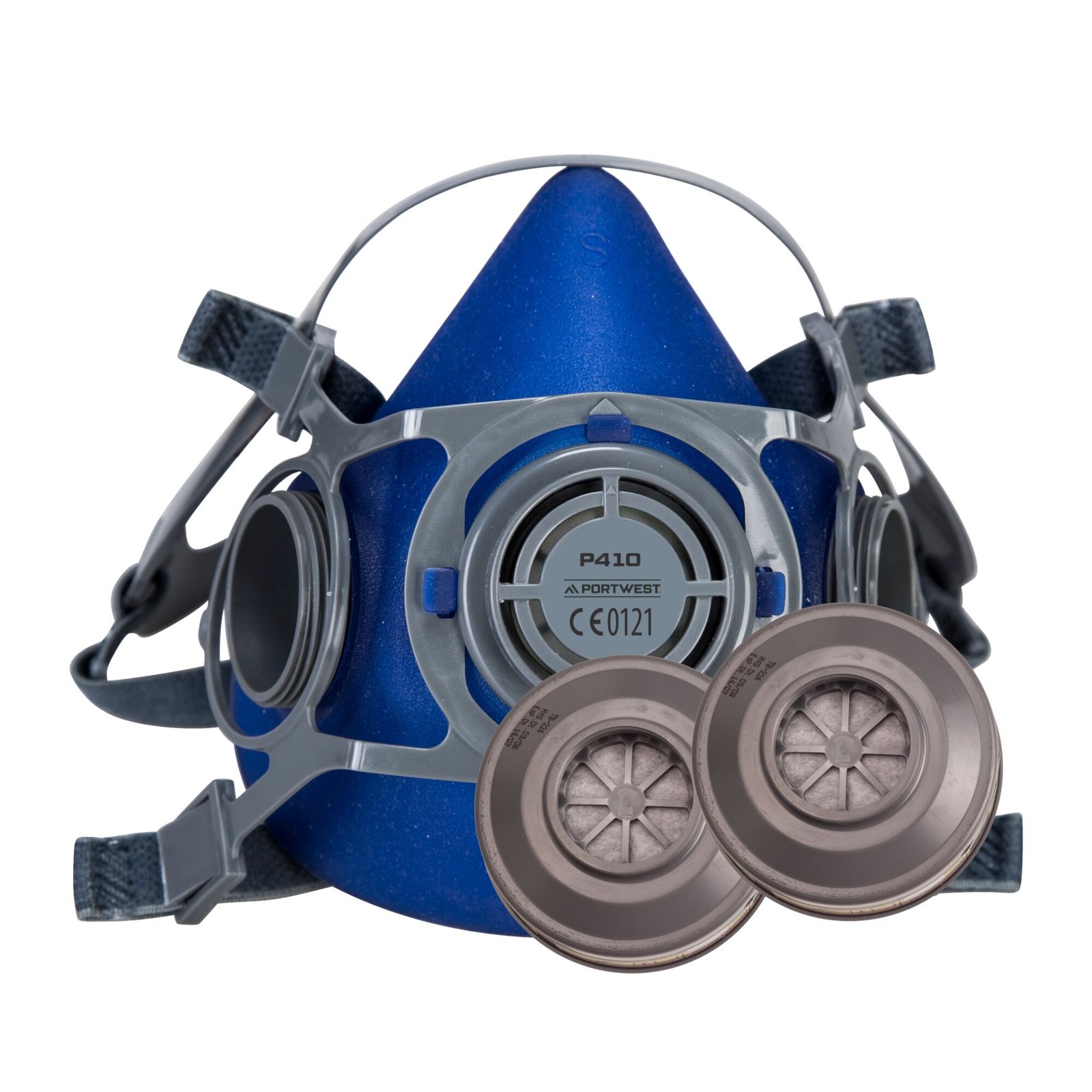
Reusable Respirators
Reusable respirators have filters that you can replace. They offer stronger protection than disposable masks.
They fit tightly to the face and block smaller dust particles. Many types protect against chemicals and fumes too.
- Filters can be changed when dirty
- Good for long or frequent sanding tasks
- Usually made of durable materials
- Requires cleaning after use
Half-face Vs Full-face Masks
Half-face masks cover your nose and mouth only. They are lighter and easier to wear for long periods.
Full-face masks cover your entire face. They protect your eyes and skin from dust and debris.
- Half-Face Masks:More comfortable, protect breathing only
- Full-Face Masks:Protect eyes and face, heavier to wear
- Choose full-face if sanding creates a lot of dust or flying particles
- Half-face is good for less intense sanding jobs
Credit: droppe.com
Key Features To Look For
Choosing the right dust mask for sanding is important to protect your lungs. Different masks offer various levels of safety and comfort. Knowing what features to check helps you pick the best one for your needs.
This guide covers key features such as filtration efficiency, fit and comfort, and valve options. These factors affect how well the mask works and how easy it is to wear.
Filtration Efficiency
Filtration efficiency shows how well a mask blocks dust particles. Higher efficiency means better protection against fine dust from sanding. Look for masks rated N95 or higher for good filtering.
| Mask Rating | Filtration Level |
| N95 | Filters 95% of airborne particles |
| N99 | Filters 99% of airborne particles |
| P100 | Filters 99.97% of airborne particles |
Fit And Comfort
A mask must fit snugly to stop dust from leaking in. Adjustable straps and nose clips help improve the fit. Soft materials and lightweight design add comfort for long use.
- Check if the mask seals well around your nose and mouth
- Look for adjustable straps for a secure fit
- Choose masks with breathable, soft fabric
- Consider masks that are lightweight and flexible
Valve Options
Some dust masks have exhalation valves. Valves make breathing easier and reduce heat inside the mask. They help keep you cool but may not filter exhaled air.
Decide if you need a valve based on your work and safety needs:
- With valve:Easier breathing, less moisture build-up
- Without valve:Better for preventing spread of germs
Selecting Masks For Different Sanding Tasks
Choosing the right dust mask protects your lungs and keeps you safe. Different sanding jobs need different masks. This guide helps you pick the best mask for each task.
Dust masks vary by filtration level and comfort. Use the right mask to block dust and harmful particles during sanding.
Light Sanding
Light sanding creates small amounts of dust. A basic dust mask can protect you from this level of dust.
- Use disposable masks with a filter rating of N95 or higher.
- Make sure the mask fits snugly on your face.
- Change the mask if it becomes clogged or damaged.
Heavy-duty Sanding
Heavy sanding produces large dust amounts and bigger particles. You need a stronger mask with better protection.
| Mask Type | Filter Rating | Features |
| Half-face respirator | P100 | Reusable, replaceable cartridges |
| Full-face respirator | P100 | Protects eyes and face |
| Disposable respirator | N99 or P100 | Higher filtration than N95 |
Working With Hazardous Materials
Sanding hazardous materials like lead paint or fiberglass needs the highest protection. Use masks designed for toxic dust.
Tips for hazardous sanding:
- Use a full-face respirator with P100 filters.
- Ensure a tight seal around your face.
- Wear protective clothing and goggles.
- Follow safety rules and local regulations.
Proper Mask Usage
Wearing the right dust mask protects your lungs while sanding. Use masks that block fine dust particles.
Always follow the correct steps to wear and care for your dust mask. This keeps you safe and comfortable.
How To Fit Your Mask Correctly
Make sure your mask fits snugly on your face. A tight fit stops dust from entering around the edges.
Adjust the straps and nose clip to seal the mask well. Check for gaps before starting to work.
- Place the mask over your nose and mouth
- Pull the straps behind your head or ears
- Press the nose clip to fit your nose shape
- Check for leaks by breathing in and out
Maintenance And Cleaning
Keep your mask clean to make it last longer. Dirt and sweat can reduce its effectiveness.
Use a mild soap and warm water to clean reusable masks. Let them dry completely before using again.
- Remove filters if the mask has them
- Wash only the mask body, not the filter
- Air dry in a clean area
- Store in a dry place away from dust
When To Replace Your Mask
Change your mask if it becomes hard to breathe through. This means dust has clogged the filter.
Replace masks that are damaged or dirty beyond cleaning. Also swap out disposable masks after one use.
- Mask is torn or has holes
- Straps or nose clip lose shape
- Mask smells bad or looks dirty
- Breathing feels restricted
- Disposable mask used once
Additional Safety Tips
Using the right dust mask is important for sanding work. You must also follow extra safety steps to protect yourself fully.
This guide covers key safety tips to keep your work area safe and protect your eyes and skin.
Work Area Ventilation
Good airflow helps remove dust from your work area. It lowers the amount of dust you breathe in.
Open windows or use fans to move air. Use dust extractors if possible to catch dust at the source.
- Keep windows open to let fresh air in
- Use a fan to blow dust away from you
- Use a dust extractor or vacuum attachment
- Avoid sanding in small, closed spaces
Protecting Eyes And Skin
Dust can harm your eyes and irritate your skin. Wear safety glasses or goggles to keep dust out of your eyes.
Wear long sleeves and gloves to protect your skin from dust and small particles.
- Wear safety glasses or goggles
- Use gloves to protect your hands
- Wear long-sleeve shirts and long pants
- Wash your skin after sanding to remove dust
Combining Masks With Other Ppe
Dust masks work best when used with other personal protective equipment (PPE). This adds more layers of safety.
Use ear protection if you work with loud tools. Hard hats help if you work around falling objects.
- Wear a dust mask with ear plugs or ear muffs
- Use hard hats in construction or overhead work
- Wear full-face shields if dust is heavy
- Check all PPE fits well and is comfortable

Credit: www.rebelsafetygear.com

Credit: www.amazon.ca
Frequently Asked Questions
What Type Of Dust Mask Is Best For Sanding?
The best dust mask for sanding is an N95 respirator. It filters out 95% of airborne particles and fits snugly to the face. This mask protects against fine dust and harmful particles generated during sanding. Always choose masks approved by NIOSH for maximum safety.
How Do I Know If My Dust Mask Fits Properly?
A proper dust mask fit feels secure without gaps around the nose and cheeks. Perform a seal check by inhaling sharply; the mask should collapse slightly without air leaks. A good fit ensures effective filtration and prevents dust from entering through edges.
Can Regular Surgical Masks Protect Against Sanding Dust?
No, regular surgical masks do not provide adequate protection against sanding dust. They are designed to block large droplets but not fine dust particles. For sanding, use masks with particulate filters like N95 or higher to ensure proper respiratory protection.
How Often Should I Replace My Sanding Dust Mask?
Replace your sanding dust mask after 8 hours of use or if it becomes damaged or dirty. Disposable masks lose effectiveness over time due to clogging and moisture buildup. Always follow manufacturer guidelines for mask replacement to maintain protection.
Conclusion
Choosing the right dust mask protects your lungs during sanding. Focus on fit, comfort, and filter type. A proper mask keeps dust out and helps you breathe easy. Always check the mask’s rating before buying. Replace masks regularly to maintain safety.
Stay safe and keep your workspace clean. Dust masks are simple tools but very important. Protect yourself well for better work and health.