Are you looking for the best way to keep yourself safe and visible on the job or during outdoor activities? Choosing the right high-visibility vest can make all the difference between being seen and staying unseen.
But with so many options out there, how do you know which one fits your needs perfectly? This guide will help you make smart, confident choices that protect you when it matters most. Keep reading to discover simple tips and expert advice that will keep you safer and more visible every time you step out.
Importance Of High-visibility Vests
High-visibility vests help workers stay seen. They reduce accidents and injuries.
These vests use bright colors and reflective strips. They make workers easy to spot day and night.
Enhancing Worker Safety
High-visibility vests make workers stand out in busy places. This helps drivers and machine operators see them early.
Wearing these vests lowers the risk of accidents. It protects workers from serious harm.
- Bright colors like neon yellow or orange catch attention
- Reflective strips shine in low light
- Vests improve visibility in all weather conditions
Compliance With Safety Standards
Many jobs require workers to wear safety vests that meet rules. These rules keep workers safe.
Standards set colors, materials, and reflectivity levels for vests. Employers must follow these rules.
- ANSI/ISEA 107 is a common safety vest standard
- Vests have classes based on risk and work type
- Choosing the right vest helps meet legal safety needs
Common Work Environments
High-visibility vests suit many jobs. They help workers stay safe in tough places.
Workers in construction, road work, and warehouses often wear these vests. They also help emergency responders and airport staff.
- Construction sites with heavy equipment
- Roadside maintenance and traffic control
- Warehouse and factory floors
- Emergency rescue and fire services
- Airports and shipping docks

Credit: motoman.com.au
Types Of High-visibility Vests
High-visibility vests help keep workers safe by making them easy to see. Different types of vests offer different levels of visibility and protection.
Choosing the right vest depends on the work environment and the risk level. Here are the main classes of high-visibility vests.
Class 1 Vests
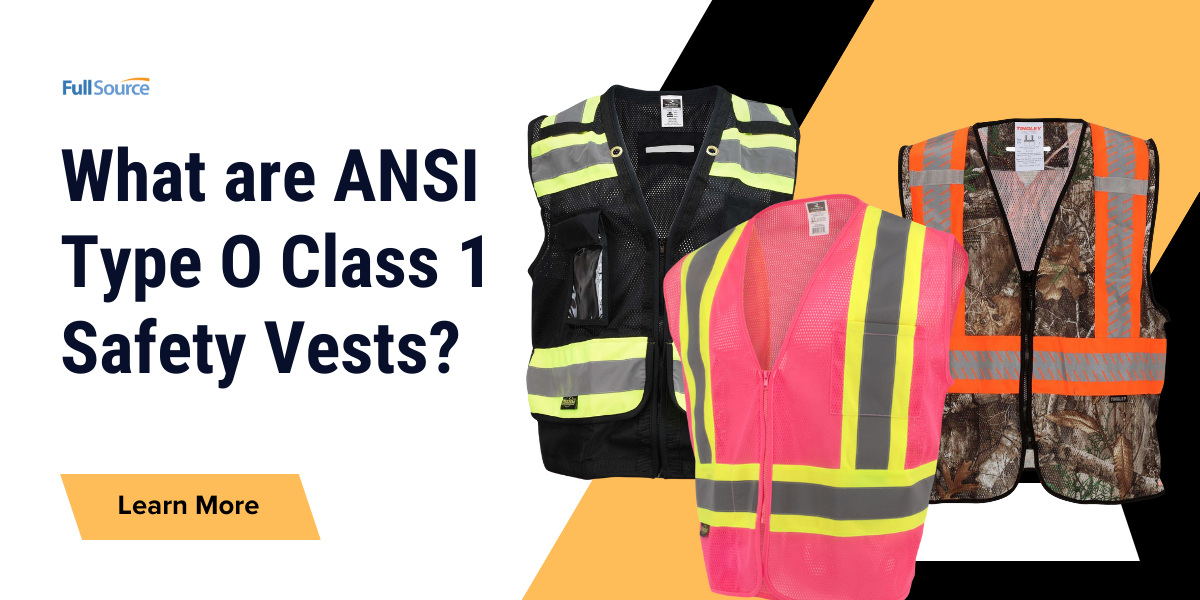
Class 1 vests provide the lowest level of visibility. They are used in areas with low traffic and where workers are far from moving vehicles or equipment.
- Bright fluorescent colors like yellow or orange
- Basic reflective striping
- Lightweight and comfortable for warm weather
- Common for parking attendants and warehouse workers
Class 2 Vests
Class 2 vests offer more visibility than Class 1. They are used in environments with higher traffic and where workers are closer to moving vehicles.
| Feature | Class 2 Vest |
|---|---|
| Background Material | Bright fluorescent colors |
| Reflective Tape | Wide and more reflective |
| Use | Roadside work, construction zones |
| Weather Options | Available in mesh or solid fabric |
Class 3 Vests
Class 3 vests provide the highest visibility. They cover more body area and have more reflective material. These are for high-risk areas with fast traffic or poor lighting.
Key features of Class 3 vests include:
- Full coverage with reflective stripes around the torso and shoulders
- Bright fluorescent colors for daytime visibility
- Often used with matching pants or jackets
- Suitable for emergency responders and highway workers
Material And Fabric Choices
Choosing the right material for high-visibility vests is important for safety and comfort. The fabric affects how well the vest works and how long it lasts.
Different materials offer features like breathability, durability, and weather resistance. Knowing these helps pick the best vest for your needs.
Breathable Fabrics
Breathable fabrics let air flow through the vest. This helps keep the wearer cool and dry, especially in hot weather.
Common breathable materials include mesh and lightweight polyester. These fabrics reduce sweat build-up and increase comfort during long hours.
- Mesh fabric offers excellent ventilation
- Lightweight polyester balances breathability and visibility
- Breathable materials prevent overheating
Durability Factors
Durable fabrics resist tears and wear in tough work conditions. This ensures the vest lasts longer and stays safe.
Materials like heavy-duty polyester and nylon are strong choices. Reinforced stitching also adds to the vest’s durability.
- Heavy-duty polyester resists ripping
- Nylon offers good abrasion resistance
- Strong stitching keeps parts from falling apart
Weather Resistance
Weather-resistant fabrics protect against rain, wind, and cold. These vests keep users dry and comfortable outdoors.
Materials with water-repellent coatings or tightly woven fibers block moisture. Some fabrics also offer wind protection and quick drying.
- Water-repellent polyester blocks rain
- Tightly woven fabrics stop wind
- Quick-dry materials reduce dampness
Credit: www.hi-viz.com
Color And Reflectivity
High-visibility vests help keep people safe by making them easy to see. Color and reflectivity are key parts of these vests.
Choosing the right color and reflective features improves visibility in many work settings. This guide explains what to look for.
Fluorescent Colors
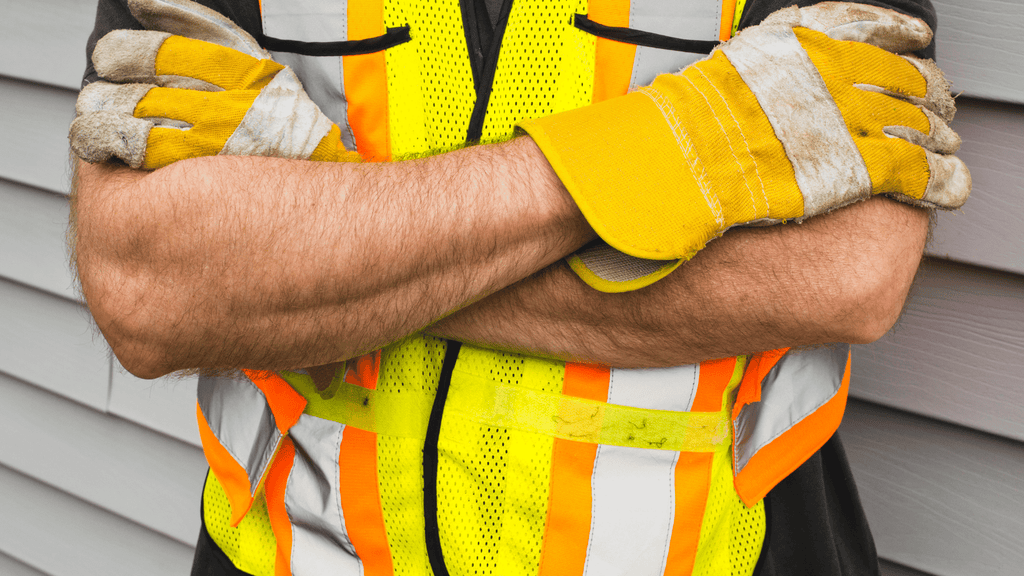
Fluorescent colors absorb and emit light. This makes them very bright during the day. Common colors include neon yellow, orange, and green.
- Neon yellow is easy to see in daylight and low light.
- Bright orange stands out well in wooded or urban areas.
- Fluorescent green works well in both daylight and fog.
- These colors are best for daylight or dawn work.
Reflective Tape Patterns
Reflective tapes reflect light back to its source. This helps drivers and others see the wearer at night or in poor light.
| Pattern | Description | Best Use |
| Horizontal Stripes | Wrap around the vest’s body | General visibility |
| Vertical Stripes | Run up and down the vest | Enhances outline visibility |
| X-Shape | Two diagonal stripes crossing the chest and back | Improved front and back visibility |
| Combination Patterns | Mix of horizontal and vertical | Maximum visibility |
Visibility In Different Conditions
Visibility changes with weather and lighting. Vests must work in sun, rain, fog, and darkness.
- Bright fluorescent colors work best in daylight and fog.
- Reflective tape is crucial at night and in low light.
- Wet or rainy conditions reduce visibility. Reflective surfaces help here.
- Choose vests with both color and reflective tape for all-around safety.
Sizing And Fit Considerations
Choosing the right size and fit for high-visibility vests is key for safety. A proper fit helps workers move freely and stay visible.
Ill-fitting vests can cause discomfort and reduce safety. This guide covers important points on sizing and fit.
Ensuring Comfort
Comfort affects how long workers wear their vests. The vest should not be too tight or too loose. Look for soft materials that do not irritate the skin.
Check that the vest allows easy arm movement and does not restrict breathing. Breathable fabrics help reduce sweating during work.
Layering Options
Consider what you will wear under the vest. Some jobs require wearing jackets or sweaters underneath for warmth.
| Layer Type | Recommended Vest Fit |
| Light clothing (t-shirt) | Standard fit |
| Thick sweater or jacket | Loose or adjustable fit |
| Multiple layers | Extra-large or adjustable vest |
Adjustable Features
Adjustable vests offer a better fit for different body shapes. Look for vests with:
- Velcro straps for waist and shoulders
- Zippers that allow size changes
- Elastic sides for stretch and comfort
- Adjustable lengths for torso fit
Adjustable features help keep the vest snug and secure during work tasks.
Additional Features To Look For
High-visibility vests keep workers safe by making them visible. Some vests have extra features to improve comfort and usefulness.
These features can help you carry tools, stay comfortable, and show your brand. Look for these details when choosing a vest.
Pockets And Storage
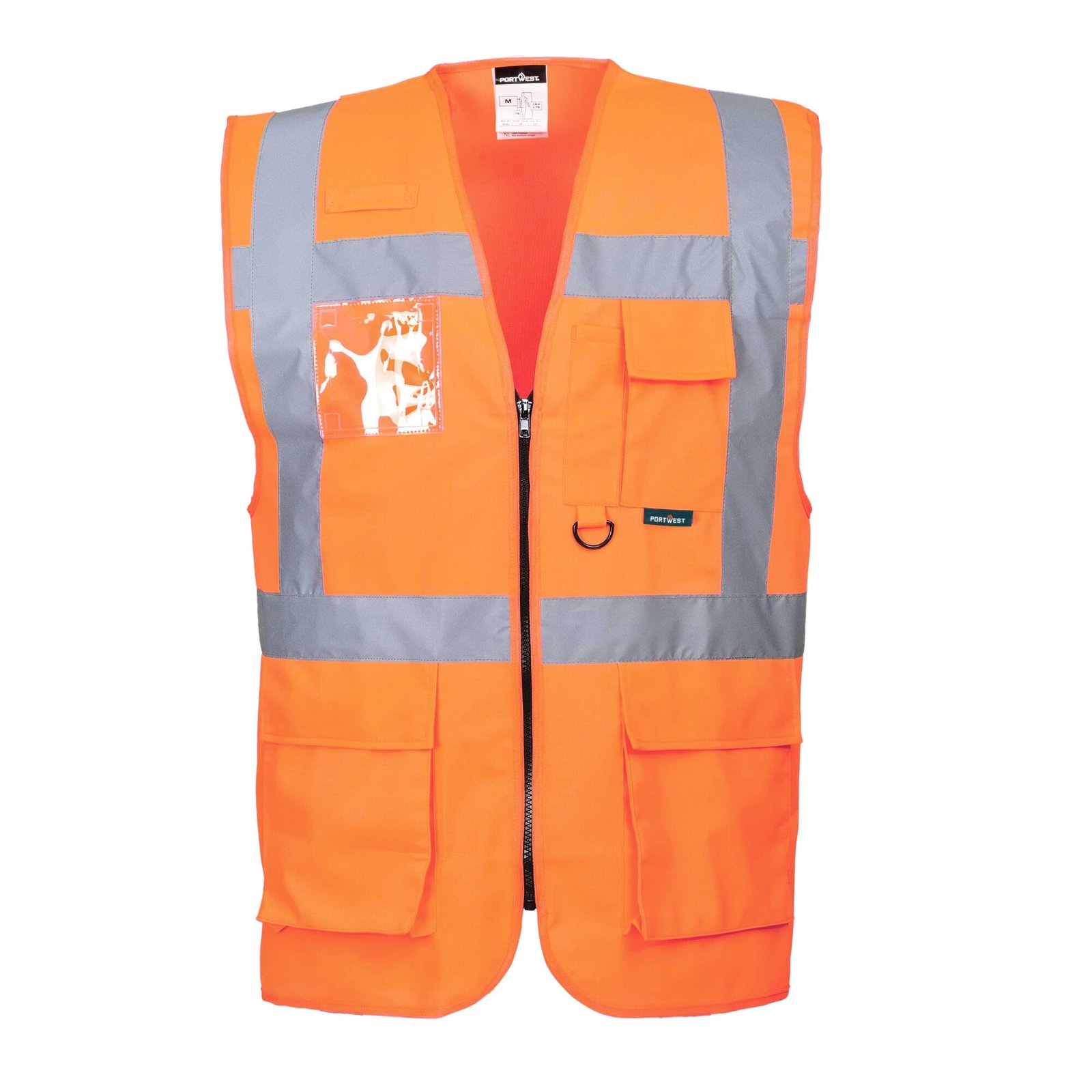
Pockets let workers carry tools and small items easily. Check how many pockets a vest has and their size.
Some vests have special pockets for phones, pens, or ID cards. Deep pockets hold bigger tools safely.
- Multiple pockets for different tools
- Secure closures like flaps or Velcro
- Easy access to important items
- Some vests include clear ID windows
Zippers And Closures
Zippers and closures keep the vest secure and comfortable. They affect how fast you can put on or take off the vest.
Look for strong zippers that do not get stuck. Some vests use Velcro or snap buttons for quick use.
- Durable zippers prevent breaks
- Velcro allows fast opening and closing
- Snap buttons add extra security
- Consider closures that work with gloves
Customization And Branding
Custom vests show your company name or logo. This helps with identification and promotes your brand.
Check if the vest material supports printing or patches. Make sure the design stays clear after washing.
- Printed logos for clear branding
- Velcro patches for easy changes
- Options for adding names or roles
- Bright colors to match your brand
Maintenance And Care Tips
High-visibility vests keep workers safe by making them easy to see. Proper care helps these vests last longer. It also keeps their bright colors and reflective strips effective.
Follow simple maintenance steps to keep your safety vests in good shape. Clean them right, check for damage, and replace worn vests safely.
Cleaning Guidelines
Cleaning your high-visibility vest correctly protects its material and reflective parts. Use mild soap and cold water for washing. Avoid bleach and harsh detergents.
- Hand wash or use a gentle machine cycle
- Do not use bleach or fabric softeners
- Air dry in a shaded area, avoid direct sunlight
- Do not iron or dry clean
- Check the vest’s label for specific instructions
Inspecting For Wear And Tear
Regular inspections help find damage that lowers vest safety. Look for tears, holes, or faded colors. Check that reflective tape is not peeling or cracked.
| Inspection Point | What to Check | Action Needed |
|---|---|---|
| Fabric | Rips, holes, stains | Repair small tears or replace if large damage |
| Reflective Tape | Peeling, cracks, fading | Replace vest if tape is damaged |
| Fasteners | Zippers, buttons, Velcro | Ensure they work well; fix or replace if broken |
Replacing Vests Safely
Replace vests once they lose brightness or have too much damage. Using worn-out vests can put workers at risk. Choose vests that meet safety standards.
- Check the vest’s age and condition regularly
- Remove and discard vests with heavy stains or damage
- Buy replacement vests that match safety requirements
- Store new vests in a clean, dry place before use
- Train workers on proper vest use and care
Credit: blog.fullsource.com
Frequently Asked Questions
What Are High-visibility Vests Used For?
High-visibility vests are used to enhance the wearer’s visibility. They are essential for safety in low-light conditions. Workers in construction, road maintenance, and emergency services commonly use them. These vests help reduce accidents by making individuals more noticeable. Reflective materials and bright colors ensure maximum visibility during day and night.
How Do I Choose The Right Size Vest?
To choose the right size vest, measure your chest and waist. Consider your clothing layers underneath. High-visibility vests should fit snugly but allow free movement. Check the manufacturer’s sizing chart for accuracy. A well-fitted vest enhances safety and comfort, ensuring optimal performance in various conditions.
What Materials Are High-visibility Vests Made Of?
High-visibility vests are typically made from polyester or mesh fabric. These materials are lightweight and durable. Reflective strips are added for enhanced visibility. Some vests are waterproof for outdoor use. The materials used ensure comfort, breathability, and long-lasting wear, making them suitable for diverse working environments.
Are There Different Types Of High-visibility Vests?
Yes, there are different types of high-visibility vests. They vary in design, color, and reflective patterns. Some vests offer additional features like pockets or radio holders. Specialized vests provide flame resistance or enhanced durability. Choosing the right type depends on specific job requirements and safety standards.
Conclusion
Choosing the right high-visibility vest improves safety greatly. Bright colors and reflective strips help others see you. Make sure the vest fits well and meets safety rules. Different jobs need different vest types and features. Think about comfort for long hours of wear.
Quality materials last longer and keep you safe. Always check your vest before using it. Stay visible, stay protected. Safety starts with the right gear.