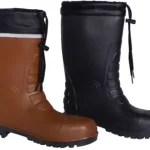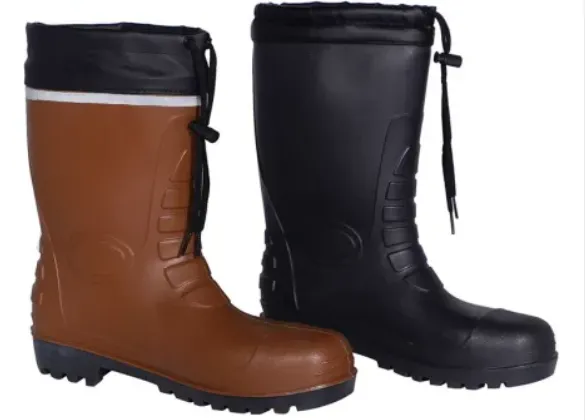
When you work in wet conditions, your safety boots are more than just footwear—they’re your shield against slips, cold, and injury. Choosing the right pair can feel overwhelming with so many options out there.
But what if you could pick boots that keep your feet dry, comfortable, and secure all day long? This guide will help you make the smart choice, so you never have to worry about soggy, unsafe boots again. Ready to find the perfect safety boots for wet conditions?
Let’s dive in.
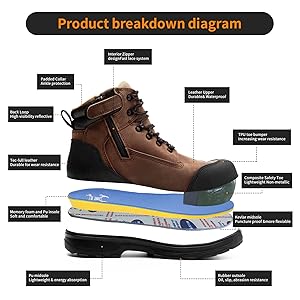
Credit: www.amazon.com
Choosing The Right Material
Selecting safety boots for wet conditions means picking the right material. The material affects comfort, protection, and durability.
Materials vary in how they handle water and air. This guide looks at common options and their features.
Waterproof Leather
Leather boots are strong and can be waterproofed with treatments. They offer good protection and last long.
Look for full-grain leather with a waterproof finish. It stops water but still lets your feet breathe a bit.
Rubber And Synthetic Options
Rubber and synthetic boots are fully waterproof. They keep water out completely and dry quickly.
- Rubber boots resist water and mud well.
- Synthetic boots often weigh less than leather.
- Both types can be less breathable but easy to clean.
Breathability Vs Waterproofing
Waterproof boots block water but may trap sweat inside. Breathable boots let air in but may let some water through.
| Feature | Waterproof Boots | Breathable Boots |
| Water Protection | High | Medium |
| Air Flow | Low | High |
| Comfort in Heat | Lower | Higher |
| Best Use | Wet, muddy places | Light rain, dry work |

Credit: www.safetyandhealthmagazine.com
Essential Safety Features
Choosing the right safety boots for wet conditions keeps your feet safe and dry. Certain features are important for comfort and protection. This guide covers the main safety features you need.
Wet environments can be slippery and cold. Safety boots must handle these hazards well. Below are key features to check before buying.
Slip-resistant Soles
Slip-resistant soles help prevent falls on wet surfaces. They improve grip and stability. Look for soles made with rubber or similar materials that do not wear out quickly.
- Deep treads for better traction
- Materials that stay flexible in cold
- Wide sole base for balance
- Resistance to oils and chemicals
Steel Toe Caps
Steel toe caps protect your toes from heavy impacts. They are a must in many workplaces. Look for boots with certified steel toes that meet safety standards.
| Feature | Benefit |
| Steel Toe Cap | Protects toes from falling objects |
| Composite Toe Cap | Lighter and does not conduct cold |
| Aluminum Toe Cap | Stronger than steel, lighter weight |
Insulation And Warmth
Insulation keeps feet warm in cold, wet places. Good insulation stops heat loss and prevents frostbite. Materials like Thinsulate or wool liners work well.
Key insulation features:
- Waterproof membranes to keep water out
- Breathable fabrics to reduce sweat
- Thick padding for extra warmth
- Quick-drying materials to avoid cold feet
Fit And Comfort
Choosing safety boots for wet conditions requires careful attention to fit and comfort. Boots that fit well protect your feet and keep you dry.
Comfort helps you work longer without pain or blisters. Proper fit and support reduce foot fatigue in wet environments.
Proper Sizing Tips
Measure your feet at the end of the day when they are largest. Use the longer foot measurement for sizing.
Try boots on with the socks you plan to wear. Leave space for toe movement but avoid loose heels.
- Measure both feet and choose the larger size
- Wear thick or waterproof socks for testing
- Check for enough room in the toe box
- Make sure the heel fits snugly without slipping
Cushioning And Support
Look for boots with good cushioning to absorb shock on hard surfaces. This reduces foot strain over time.
Arch support is important to keep your feet stable. It helps prevent discomfort and injury during long wear.
- Use insoles with padding for extra comfort
- Choose boots with built-in arch support
- Consider removable insoles to customize fit
- Ensure the sole provides good grip on wet surfaces
Break-in Period
New boots may feel stiff at first. Wear them in short sessions to soften the material and shape to your feet.
Gradually increase wear time to avoid blisters and discomfort. Proper break-in makes boots more comfortable and safer.
- Wear boots indoors for a few hours at a time
- Use thick socks to protect your feet
- Check for pressure points and adjust lacing
- Do not rush the break-in process
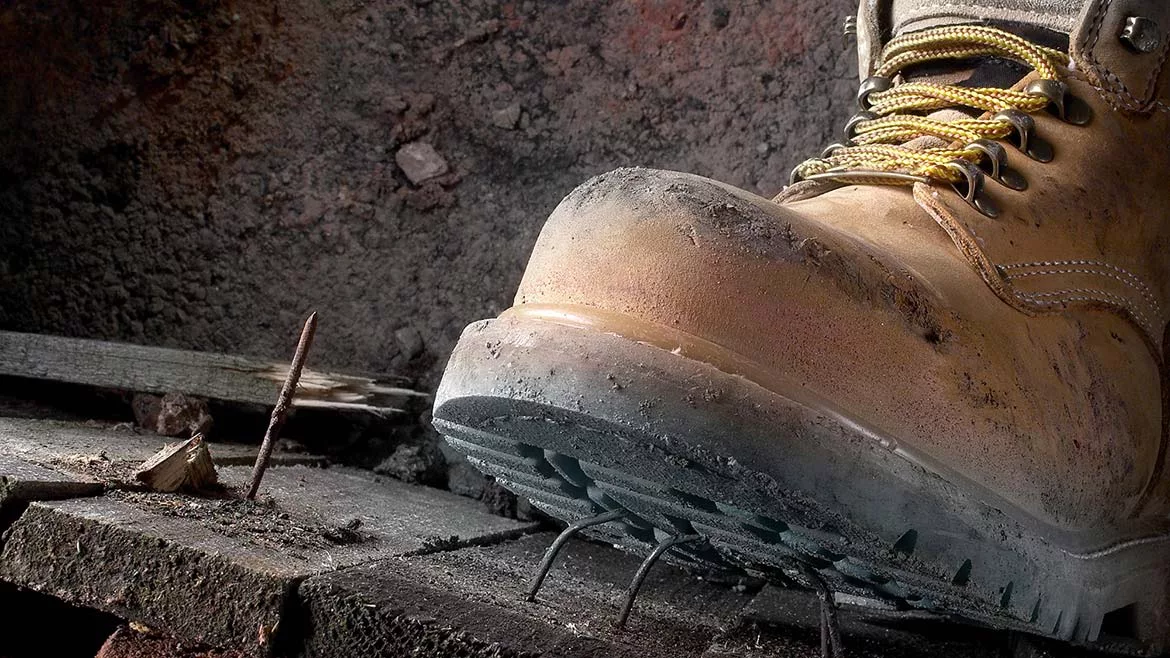
Credit: www.randrmagonline.com
Maintenance For Longevity
Safety boots for wet conditions need regular care. Proper maintenance helps them last longer and stay effective.
Simple steps like cleaning, waterproofing, and storing boots correctly keep them in good shape.
Cleaning After Use
Remove dirt and mud from your boots after each use. Use a soft brush or damp cloth to clean the surface gently.
Avoid harsh chemicals that can damage the material. Let boots dry naturally away from direct heat sources.
Waterproofing Treatments
Apply waterproofing products regularly to keep boots water-resistant. Use sprays, waxes, or creams suitable for your boot material.
Follow product instructions carefully. This treatment helps prevent water damage and keeps feet dry.
Storage Recommendations
Store boots in a cool, dry place away from sunlight. Avoid damp areas to prevent mold and mildew growth.
Use boot trees or stuff boots with newspaper to keep their shape during storage.
Top Brands And Models
Choosing the right safety boots for wet conditions is important. Wet areas need boots that keep feet dry and safe.
Some brands are known for making strong boots. These boots protect well and last long in wet places.
Popular Choices For Wet Conditions
Many workers pick boots with waterproof features. Rubber soles and water-resistant materials are common in these boots.
- Timberland PRO: Known for waterproof leather and slip resistance.
- Caterpillar: Durable boots with waterproof membranes.
- KEEN Utility: Comfortable, waterproof, and lightweight.
- Columbia: Boots with waterproof technology and good grip.
Budget-friendly Options
Good safety boots do not have to cost a lot. Some brands offer reliable boots at lower prices.
- Dr. Martens: Affordable with waterproof models available.
- Wolverine: Offers waterproof boots that protect well.
- Irish Setter: Budget boots with good water resistance.
These boots work well for wet conditions without a high price. They balance cost and protection.
Premium Performance Boots
Premium boots have advanced waterproofing and comfort features. They are built for long use in tough wet conditions.
- Red Wing Heritage: High-quality leather and excellent water protection.
- Salomon: Boots with Gore-Tex lining for full waterproofing.
- Danner: Rugged boots designed for wet and slippery areas.
These boots offer strong support, durability, and keep feet dry all day.
Frequently Asked Questions
What Features Make Safety Boots Suitable For Wet Conditions?
Safety boots for wet conditions should be waterproof and slip-resistant. Look for boots with rubber soles and sealed seams. It’s important they also have good insulation to keep feet warm. Proper traction is crucial to prevent slips and falls. Durable materials like leather or synthetic are ideal for longevity.
Are Steel-toe Boots Necessary For Wet Conditions?
Steel-toe boots are not always necessary for wet conditions. However, they offer extra protection in hazardous environments. If you’re working in areas with heavy machinery or falling objects, steel-toe boots are recommended. They provide both safety and comfort when combined with waterproof features.
How Do I Maintain Safety Boots For Wet Conditions?
Maintaining safety boots involves regular cleaning and drying. Remove mud and dirt after each use. Use a damp cloth and mild soap for cleaning. Allow them to dry naturally, avoiding direct heat. Apply waterproofing spray periodically to maintain water resistance.
Regular maintenance ensures longevity and effectiveness.
Can I Use Hiking Boots For Wet Work Environments?
Hiking boots can be used in some wet work environments. However, they may lack necessary safety features. They often provide good traction and water resistance. Ensure they have adequate protection like reinforced toes if needed. For specific work-related safety standards, opt for boots designed for industrial use.
Conclusion
Choosing the right safety boots keeps your feet dry and safe in wet places. Check for waterproof material and good grip soles. Comfort matters for long hours on your feet. Strong boots protect against slips and injuries. Don’t forget to pick the right size for a snug fit.
Good boots help you work better and stay healthy. Take time to choose well—it makes a big difference. Stay safe, dry, and comfortable every day.