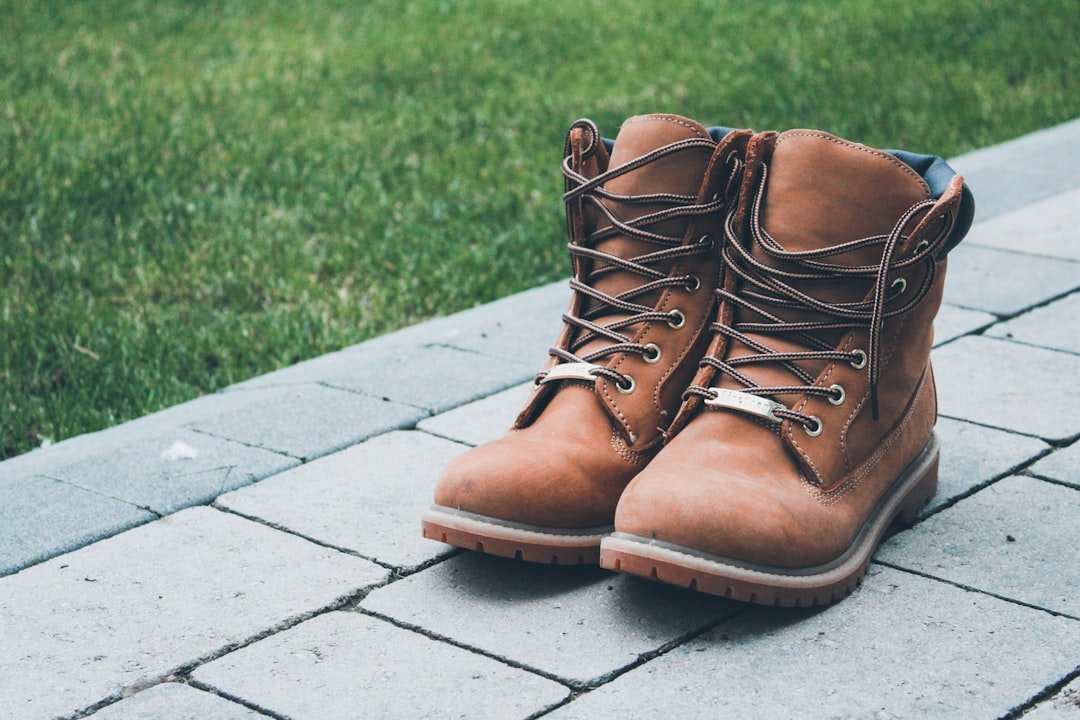
When it comes to your safety and comfort at work, the right gear makes all the difference. Safety boots with ankle support are not just footwear; they’re your first line of defense against workplace hazards.
Imagine walking into a job site feeling secure and protected because you chose the right boots. But how do you select the perfect pair? With so many options on the market, it can be overwhelming. This guide is crafted to make your decision easier.
Discover what features to look for, and learn how the right boots can enhance your performance and keep you safe. Stick around to ensure your feet get the support they deserve, and never second guess your choice again.
Importance Of Ankle Support
Choosing safety boots with good ankle support helps protect your feet from injuries. It keeps your ankles stable and strong during work.
Strong ankle support reduces the chance of twists, sprains, and other accidents. This is important for many jobs that need long hours on your feet.
Risks Of Weak Ankle Protection
Boots without proper ankle support can lead to serious problems. Your ankles may twist easily, causing pain or long-term damage.
- Increased risk of ankle sprains and strains
- Higher chance of falls and slips at work
- Longer recovery time from injuries
- Reduced balance and stability on uneven surfaces
- Possible chronic ankle pain or weakness
Benefits In Work Environments
Safety boots with ankle support offer many benefits in work places. They protect workers and improve comfort during long shifts.
| Benefit | Explanation |
| Injury Prevention | Reduces ankle twists and sprains |
| Better Balance | Keeps feet steady on uneven ground |
| Increased Comfort | Less fatigue during long work hours |
| Improved Productivity | Workers move safely and confidently |

Credit: deltahealth.co.za
Types Of Safety Boots
Safety boots protect your feet in tough work conditions. Choosing the right type helps keep you safe and comfortable. Ankle support is important to avoid injuries.
There are different styles of safety boots. Each style offers a different level of ankle support and protection. Learn about high-top, mid-height, and low-cut boots with padding.
High-top Boots
High-top boots rise above the ankle. They give strong support and protect from twists and bumps. These boots are good for rough terrain and heavy work.
They usually have thick padding around the ankle. This helps reduce strain and adds comfort for long hours.
Mid-height Boots
Mid-height boots cover the ankle but do not go much higher. They balance ankle support and flexibility. These boots suit workers who need to move quickly.
- Provide moderate ankle protection
- Offer good breathability
- Lightweight compared to high-top boots
- Suitable for indoor and outdoor jobs
Low-cut Boots With Ankle Padding
Low-cut boots sit below the ankle. They allow the most movement and are easier to put on. These boots include extra ankle padding to protect against minor bumps.
| Feature | Benefit |
| Low cut design | Greater flexibility and quick wear |
| Ankle padding | Extra comfort and light support |
| Lightweight | Less foot fatigue during long shifts |
| Best for | Work in less hazardous areas |
Key Features To Consider
Choosing the right safety boots with ankle support is important for protecting your feet. Look for features that give comfort and safety during work.
Focus on materials, grip, water resistance, and weight. These features help you work longer and avoid injuries.
Material And Durability
Durable materials keep your boots strong and long-lasting. Leather is tough and protects well. Synthetic materials can be lighter but still strong.
Check the stitching and reinforcements near the ankle. Strong seams and extra padding add support and last longer.
- Full-grain leather for toughness
- Reinforced stitching around ankles
- Synthetic fabrics for lighter boots
- Extra padding for ankle protection
Sole Grip And Traction
A good sole stops slipping on wet or oily floors. Look for deep treads and slip-resistant materials. They keep you steady and safe.
Rubber soles usually offer the best grip. Some soles also resist heat and chemicals, which is good for certain jobs.
- Deep treads for better grip
- Slip-resistant rubber soles
- Heat and chemical resistance
- Wide sole base for stability
Water Resistance And Breathability
Waterproof boots keep your feet dry in wet conditions. Look for boots with sealed seams or waterproof membranes.
Breathable materials let air in and sweat out. This keeps your feet cool and stops bad smells.
- Waterproof leather or membranes
- Sealed seams to block water
- Breathable linings for airflow
- Moisture-wicking insoles
Weight And Comfort
Light boots reduce foot fatigue during long shifts. Choose boots that balance support and weight.
Comfort comes from good cushioning and ankle support. Padded collars and shock-absorbing soles help protect your feet.
- Lightweight materials for less fatigue
- Cushioned insoles for comfort
- Padded ankle collars for support
- Shock-absorbing midsoles
Sizing And Fit Tips
Choosing the right safety boots with ankle support is important for comfort and protection. Proper sizing helps prevent injuries and foot pain.
Use these tips to find boots that fit well and support your feet all day long.
Measuring Your Feet Accurately
Measure your feet at the end of the day when they are largest. Use a ruler or tape measure to find both length and width.
- Place your foot on a piece of paper and mark the longest toe and heel.
- Measure the distance between these marks for length.
- Wrap the tape measure around the widest part of your foot for width.
- Compare your measurements to the brand’s size chart.
Trying Boots With Work Socks
Wear the socks you plan to use at work when trying on boots. Thick or cushioned socks can affect the fit.
| Tip | Reason |
|---|---|
| Wear work socks during fitting | Ensures accurate fit with actual gear |
| Try boots at the end of the day | Feet swell and sizing is more accurate |
| Walk around in boots | Tests comfort and fit in motion |
Checking For Proper Ankle Support
Good ankle support protects your joints and helps prevent twists. Check the boot’s height and stiffness around the ankle.
- Boots should cover the ankle bone completely.
- Firm padding should hold the ankle snugly.
- You should feel stable but not tight or pinched.
- Try bending and twisting your foot to test support.
Safety Standards And Certifications
Choosing safety boots with ankle support means understanding safety standards. These certifications show that boots meet rules for protection.
Knowing common safety ratings helps you pick the right boots for your job. Each certification tells what kind of risks the boots can handle.
Common Safety Ratings
Safety boots have different ratings depending on the country and industry. These ratings cover toe protection, sole strength, and other features.
- ASTM F2413– US standard for toe protection and sole puncture resistance.
- EN ISO 20345– European standard for safety footwear requirements.
- CSA Z195– Canadian standard focusing on impact and compression resistance.
- IS 15298– Indian standard for industrial safety footwear.
What Each Certification Means
| Certification | Protection Features | Use Case |
| ASTM F2413 | Steel or composite toe, puncture-resistant sole, electrical hazard protection | Construction, manufacturing, electrical work |
| EN ISO 20345 | Toe cap resistance, slip resistance, water resistance, energy absorption | General industry, outdoor work |
| CSA Z195 | Impact and compression resistance, metatarsal guards, puncture protection | Heavy industry, mining |
| IS 15298 | Toe protection, sole grip, ankle support, shock absorption | Industrial sectors in India |

Credit: deltahealth.co.za
Maintenance And Care
Taking good care of your safety boots with ankle support keeps them strong. Regular maintenance helps protect your feet and saves money.
Simple cleaning and checking your boots can extend their life. Follow easy steps to keep them safe and comfortable.
Cleaning Techniques
Clean your boots after each use to remove dirt and grime. Use a soft brush or cloth to avoid damage.
Use mild soap and water for tough stains. Avoid soaking boots in water to protect materials.
- Remove laces before cleaning
- Brush off loose dirt first
- Use a damp cloth with mild soap
- Air dry boots away from heat
- Apply leather conditioner if needed
Extending Boot Lifespan
Store your boots in a dry, cool place to avoid damage. Keep them away from direct sunlight and damp areas.
Rotate your boots if you have more than one pair. This gives each pair time to rest and dry out fully.
- Use boot trees to keep shape
- Replace worn laces promptly
- Check soles for wear and tear
- Keep boots polished and conditioned
- Fix small damages early
When To Replace Your Boots
Replace your boots if the ankle support feels weak or loose. Proper support is important for safety.
Look for cracks, holes, or worn soles. These signs mean your boots no longer protect well.
- Cracked or torn upper material
- Worn-down or slippery soles
- Broken or missing ankle support
- Uncomfortable fit or pain
- Water leaks despite treatment
Top Brands And Models
Choosing the right safety boots with ankle support is important for comfort and protection. Many brands offer models that focus on ankle stability.
This guide looks at popular choices, budget-friendly options, and premium picks for safety boots with ankle support.
Popular Choices For Ankle Support
Several brands are known for making boots that provide good ankle support. These boots often feature padded collars and firm soles.
- Timberland PRO 6″ Pit Boss
- KEEN Utility Pittsburgh Steel Toe
- Caterpillar Second Shift Steel Toe
- Carhartt CMF6366 6-Inch Rugged Flex
- Wolverine Raider 6″
Budget-friendly Options
Good ankle support boots do not have to cost a lot. Some affordable options offer durable construction and comfort.
| Brand | Model | Price Range | Key Feature |
| Dr. Martens | Icon 2295 | $100-$130 | Slip-resistant sole |
| Reebok Work | Rapid Response RB4040 | $90-$120 | Lightweight design |
| Georgia Boot | Loggers Waterproof | $80-$110 | Waterproof leather |
Premium Picks
Premium boots offer extra features like advanced cushioning and reinforced ankle support. These boots suit heavy-duty work.
- Danner Bull Run 6″ Work Boot – durable and supportive
- Red Wing Iron Ranger – handcrafted with firm ankle padding
- Blundstone 1907 Series – shock-absorbing and comfortable

Credit: deltahealth.co.za
Frequently Asked Questions
What Are The Key Features Of Safety Boots With Ankle Support?
Safety boots with ankle support offer reinforced ankle padding, sturdy soles, and durable materials. These features prevent ankle injuries and provide stability on uneven surfaces. They are designed for industrial, construction, and outdoor work environments requiring extra foot protection.
How Do I Choose The Right Size For Safety Boots?
Measure your foot length and width accurately before purchasing. Choose boots that allow some toe movement but fit snugly around the ankle. Proper sizing ensures comfort, prevents blisters, and maximizes the effectiveness of ankle support.
Why Is Ankle Support Important In Safety Boots?
Ankle support helps prevent sprains and twists by stabilizing the foot during movement. It reduces the risk of injuries on slippery or uneven surfaces. This support is essential for workers in physically demanding or hazardous jobs.
Can Safety Boots With Ankle Support Be Worn All Day?
Yes, quality safety boots with ankle support are designed for extended wear. They provide cushioning and breathability to reduce fatigue. Choosing lightweight, well-ventilated boots enhances comfort during long work hours.
Conclusion
Choosing the right safety boots with ankle support protects your feet and prevents injuries. Focus on fit, comfort, and strong materials. Good boots help you work longer without pain. Don’t forget to check the sole and ankle padding carefully. Your safety depends on the boots you wear every day.
Take time to pick the best pair for your needs. Stay safe and comfortable on the job with boots that support your ankles well.
