Choosing the right woodworking bench can make all the difference in your projects. Whether you’re just starting out or have years of experience, your bench is the foundation for precision, comfort, and efficiency.
But with so many options out there, how do you know which one fits your needs best? This guide will help you cut through the noise and find the perfect woodworking bench that matches your space, style, and skill level.
Keep reading, and you’ll discover exactly what to look for to make your work easier and more enjoyable.
Types Of Woodworking Benches
Woodworking benches come in different styles to fit various needs. Choosing the right bench helps you work better and safer.
This guide covers three common types of benches used in woodworking shops and by hobbyists.
Traditional Workbenches
Traditional workbenches are sturdy and heavy. They offer a solid surface to hold wood pieces while you work.
- Usually made from hardwood like maple or oak
- Feature built-in vises and dog holes
- Designed for standing work
- Heavy weight prevents movement during use
Portable Benches
Portable benches are light and easy to move. They suit small workshops or outdoor projects.
| Feature | Description |
| Weight | Light to medium |
| Materials | Usually softwood or metal frames |
| Size | Compact for easy storage |
| Function | Good for quick setup and simple tasks |
Specialty Benches
Specialty benches serve specific woodworking needs. They include benches for carving, finishing, or assembly.
- Carving benches have low profiles and clamps to hold small pieces.
- Finishing benches provide flat, clean surfaces for sanding and painting.
- Assembly benches include tool holders and storage for parts.

Credit: www.youtube.com
Key Features To Consider
Choosing the right woodworking bench is important for your projects. The right bench helps you work safely and comfortably.
Focus on key features like the work surface, size, and clamping options. These affect how well your bench fits your needs.
Work Surface Material
The work surface material affects durability and how your tools perform. A strong surface lasts longer and resists damage.
Common materials include hardwood, plywood, and metal. Each has pros and cons for woodworking tasks.
- Hardwood: Durable and smooth, good for most projects
- Plywood: Affordable but less durable
- Metal: Very strong but can damage tools
Size And Height
Size affects the space you have to work. Choose a bench big enough for your projects but fits your workspace.
Height affects comfort and posture. A bench too tall or short can cause strain or poor results.
- Measure your workspace before choosing size
- Standard height is around 34 to 36 inches
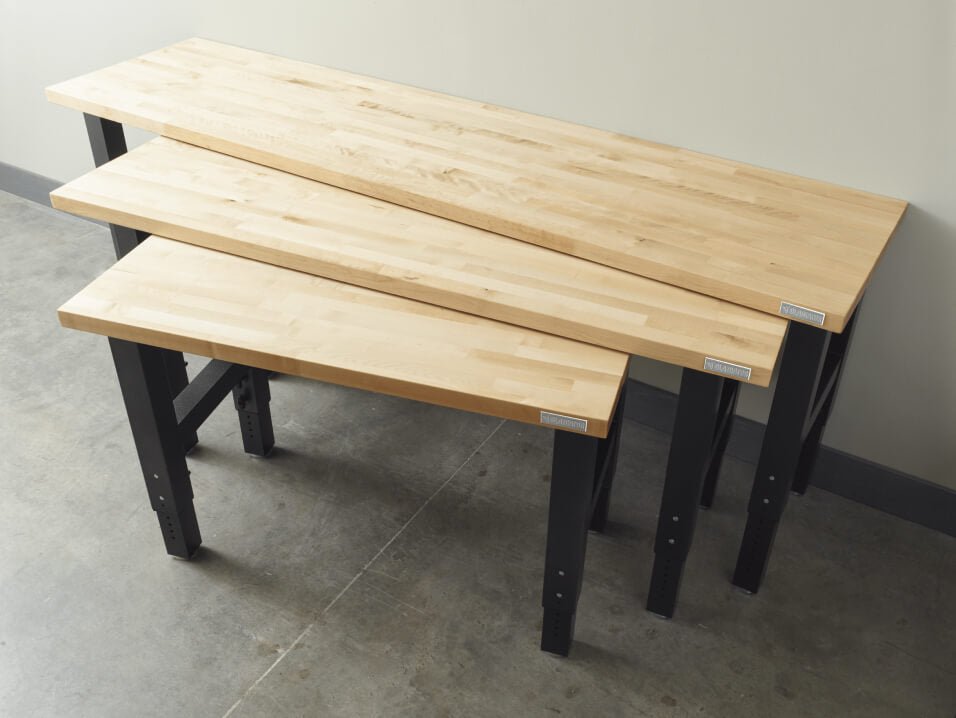
- Adjustable benches offer flexible height options
Clamping Options
Clamps hold your workpieces steady. Good clamping options make tasks easier and safer.
Look for benches with built-in clamps or holes for adding your own. Multiple clamp points are best.
- Face vises hold boards vertically
- End vises hold boards horizontally
- Dog holes allow flexible clamping positions
Material Choices And Durability
Choosing the right materials for a woodworking bench affects how long it lasts and how well it works. Wood type, metal parts, and surface finish all matter for strength and wear.
This guide covers key points about hardwood and softwood, metal components, and finish options. Knowing these helps pick a bench that suits your needs and lasts for years.
Hardwood Vs Softwood
Hardwoods come from slow-growing trees and are dense and strong. Softwoods grow faster and are lighter but less durable. Each type has pros and cons for a workbench surface.
- Hardwood:Oak, maple, and beech resist dents and scratches well.
- Softwood:Pine and fir are easier to shape but wear down quicker.
- Durability:Hardwoods last longer under heavy use.
- Cost:Softwoods are usually cheaper but may need more repair.
Metal Components
Metal parts like vises, clamps, and fasteners add strength and stability. The choice of metal affects corrosion resistance and bench longevity.
| Metal Type | Strength | Corrosion Resistance | Maintenance |
| Steel | High | Low (rusts without coating) | Needs oil or paint |
| Stainless Steel | High | High | Low |
| Aluminum | Medium | High | Low |
Finish And Coating
Finishes protect the bench surface from moisture and wear. They also affect how easy it is to clean and maintain the workbench.
- Oil finishes:Penetrate wood and keep it natural looking. Need reapplication.
- Lacquer and varnish:Form a hard surface layer. Resist stains and scratches better.
- Wax coatings:Add a smooth feel but wear off faster.
- Paint:Protects wood but can hide grain and texture.
Credit: www.youtube.com
Bench Accessories And Add-ons
Woodworking benches can be much more useful with the right accessories. These add-ons help you work faster and keep tools organized.
Choosing the right extras depends on your projects and workspace. This guide covers useful vices, storage, lighting, and power options.
Vices And Holders
Vices hold wood firmly while you work on it. They keep your hands free and improve safety.
Different types of vices suit different tasks. Some fit on the bench edge, while others clamp to the top.
- Front vices hold wood vertically for sawing and planing
- End vices secure long pieces for shaping
- Tool holders keep clamps, chisels, and screwdrivers nearby
- Pipe vices can hold round objects like dowels
Storage Solutions
Good storage keeps your tools tidy and easy to find. It helps keep your workspace clean and safe.
Benches with built-in shelves or drawers save space. You can also add tool racks or pegboards nearby.
- Drawers for small hand tools and hardware
- Shelves for larger tools and supplies
- Under-bench racks for clamps and power tools
- Magnetic strips to hold metal tools
Lighting And Power
Good lighting helps you see details clearly. It reduces mistakes and eye strain.
Power outlets near your bench make tool use easier. You can plug in drills, sanders, and other electric tools.
- Adjustable LED lamps for focused light
- Overhead lights for general workspace illumination
- Built-in power strips or outlet strips on the bench
- Cord management hooks or clips to avoid tangles
Budgeting For Your Bench
Choosing the right woodworking bench means planning your budget well. A bench is a key tool in your workshop. Knowing what to spend helps you avoid surprises.
Let’s look at different price points, the difference between value and cost, and how to think about your bench as an investment.
Price Ranges
Woodworking benches come in many price ranges. You can find simple benches for under $100. Mid-range benches usually cost between $200 and $500. High-end benches often go over $700.
| Price Range | Features | Ideal For |
| Under $100 | Basic design, limited durability | Beginners, light use |
| $200 – $500 | Better materials, more stability | Hobbyists, regular use |
| Over $700 | Heavy-duty, professional quality | Experienced woodworkers, heavy use |
Value Vs Cost
Cost is the amount you pay. Value is what you get for that cost. A cheap bench might cost less but wear out fast. A more expensive bench may last years and work better.
- Look for strong materials like hardwood or steel
- Check for a stable and flat work surface
- Consider extra features like vises or dog holes
- Read reviews to see how others rate the bench
Long-term Investment
Buying a quality bench can save money over time. A sturdy bench needs less repair and replacement. It also makes woodworking safer and more enjoyable.
Think about your woodworking goals. If you plan to work for years, invest in a bench that supports your needs. This choice pays off in comfort and results.
Setting Up Your Workspace
Setting up your workspace is key to effective woodworking. A good workspace makes work easier and safer.
Choosing the right woodworking bench and placing it well helps improve your workflow and comfort.
Optimal Bench Placement
Place your bench where you have enough light and space to move around. Avoid tight corners or cluttered areas.
Keep tools and materials close by to reduce walking back and forth. This saves time and effort.
- Near windows or good light sources
- Clear space on all sides for easy access
- Close to power outlets for electric tools
- Away from doors to prevent blocking
Ergonomics And Comfort
Use a bench height that fits your body to avoid strain. Most benches are 32 to 36 inches high.
Stand or sit comfortably without bending too much. Good posture helps prevent back and neck pain.
- Adjust bench height if needed with blocks or risers
- Use anti-fatigue mats if standing long
- Wear comfortable shoes for support
- Keep tools within easy reach to avoid stretching
Safety Considerations
Keep your workspace clean to avoid slips and trips. Clear sawdust and scraps regularly.
Make sure your bench is stable and strong enough to hold your projects. Check for loose parts often.
- Store sharp tools safely when not in use
- Keep a fire extinguisher nearby
- Use proper lighting to see clearly
- Wear safety gear like goggles and gloves
Maintenance And Longevity
Keeping your woodworking bench in good shape helps it last a long time. Proper care prevents damage and keeps the bench safe to use.
Simple maintenance tasks can protect your bench from wear. This guide covers cleaning, fixing, and ways to extend its life.
Cleaning Tips
Clean your bench regularly to remove dust, wood chips, and glue. Use a soft brush or cloth for gentle cleaning.
Avoid harsh chemicals that can damage the wood finish. Warm water and mild soap work well for sticky spots.
- Brush off sawdust after each use
- Wipe spills quickly to prevent stains
- Use a damp cloth with mild soap for cleaning
- Dry the surface well to avoid moisture damage
Repairing Damage
Fix small scratches and dents to keep your bench smooth. Light sanding can help remove minor surface damage.
For deeper cracks or loose parts, use wood glue and clamps. Replace any broken parts to maintain stability.
- Sand rough spots gently with fine-grit sandpaper
- Apply wood glue to cracks and clamp tightly
- Tighten loose screws or bolts regularly
- Replace broken components promptly
Extending Bench Life
Protect your bench from moisture and extreme temperatures. Store it in a dry, stable environment.
Use protective covers when not in use. Apply wood oil or finish to keep the surface strong and less prone to damage.
- Keep bench away from direct sunlight and damp areas
- Cover the bench to stop dust buildup
- Apply wood oil or wax once every few months
- Check and tighten hardware regularly

Credit: www.gladiatorgarageworks.com
Frequently Asked Questions
What Factors To Consider When Choosing A Woodworking Bench?
Consider size, material, weight capacity, and storage options. Stability and durability are essential for safety and precision. Also, match the bench to your workspace and project types for optimal efficiency.
Which Wood Type Is Best For A Woodworking Bench?
Hardwoods like maple, beech, or oak are ideal. They offer durability and resist dents. Softwoods wear out faster and may not support heavy work efficiently.
How Important Is Bench Stability In Woodworking?
Bench stability is crucial for safety and accuracy. A stable bench prevents movement during cutting or planing, reducing errors and accidents. Heavy, well-constructed benches typically provide better stability.
Should I Choose A Portable Or Fixed Woodworking Bench?
Choose a portable bench for flexibility and small spaces. Fixed benches offer better stability and durability for heavy-duty work. Your choice depends on workspace size and work nature.
Conclusion
Choosing the right woodworking bench is important. It shapes your work experience. Consider size and material. Think about storage options. Remember, comfort is key for long hours. Assess your budget carefully. Compare different models and brands. A good bench enhances productivity.
It also ensures safety. Take your time to decide. A well-chosen bench supports your woodworking journey. Enjoy crafting with confidence. Happy woodworking!