Are your chisels feeling dull and ineffective, making your woodworking projects more of a chore than a joy? You’re not alone.
Many DIY enthusiasts and seasoned woodworkers face this common challenge. But what if sharpening your chisels could be simpler than you think? Imagine slicing through wood like it’s butter with perfectly sharpened tools. In this comprehensive guide to sharpening chisels, you’ll discover the secrets to achieving razor-sharp edges that make every cut precise and effortless.
Whether you’re a beginner or looking to refine your skills, this guide will equip you with the know-how to transform your chisels—and your woodworking experience. Ready to unleash the full potential of your tools? Let’s dive in!

Credit: www.amazon.com
Choosing The Right Chisel
Choosing the right chisel is important for good woodworking results. The right tool makes your work easier and safer.
Different chisels suit different jobs. Knowing what type, material, and use fits your needs helps you pick well.
Types Of Chisels
Chisels come in many types. Each type has a special shape and purpose. Choose based on what you want to do.
- Bench chisels: Common for general woodwork
- Mortise chisels: Strong for deep cuts
- Paring chisels: Thin blade for fine trimming
- Corner chisels: Make sharp inside corners
- Skew chisels: Cut at an angle for detail work
Material And Quality
Good chisels are made from strong, sharp steel. The steel should hold an edge well and resist dulling fast.
Check the handle too. Wood or plastic handles should feel comfortable and not slip in your hand.
- High-carbon steel for sharp edges
- Chrome-vanadium steel for toughness
- Wood handles offer good grip
- Plastic handles resist moisture
Selecting Based On Use
Pick a chisel that fits the job. Larger chisels are good for heavy cutting. Small ones work for detail.
Think about the wood type and your skill level. Hard woods need stronger chisels. Beginners should choose easy tools.
- Use bench chisels for general tasks
- Choose mortise chisels for deep cuts
- Paring chisels for fine, controlled cuts
- Softwood needs less sharp chisels
- Hardwood needs sharper, stronger chisels

Credit: woodworkersinstitute.com
Tools Needed For Sharpening
Sharpening chisels requires the right tools to get a sharp, clean edge. Using proper equipment helps make the process easier and more effective.
This guide covers the main tools you need. These include sharpening stones, honing guides, and lubricants with accessories.
Sharpening Stones
Sharpening stones are the main tool for sharpening chisels. They come in different grit sizes to smooth and polish the blade.
- Coarse grit stones remove nicks and shape the edge.
- Medium grit stones refine the edge after shaping.
- Fine grit stones polish the edge for a razor-sharp finish.
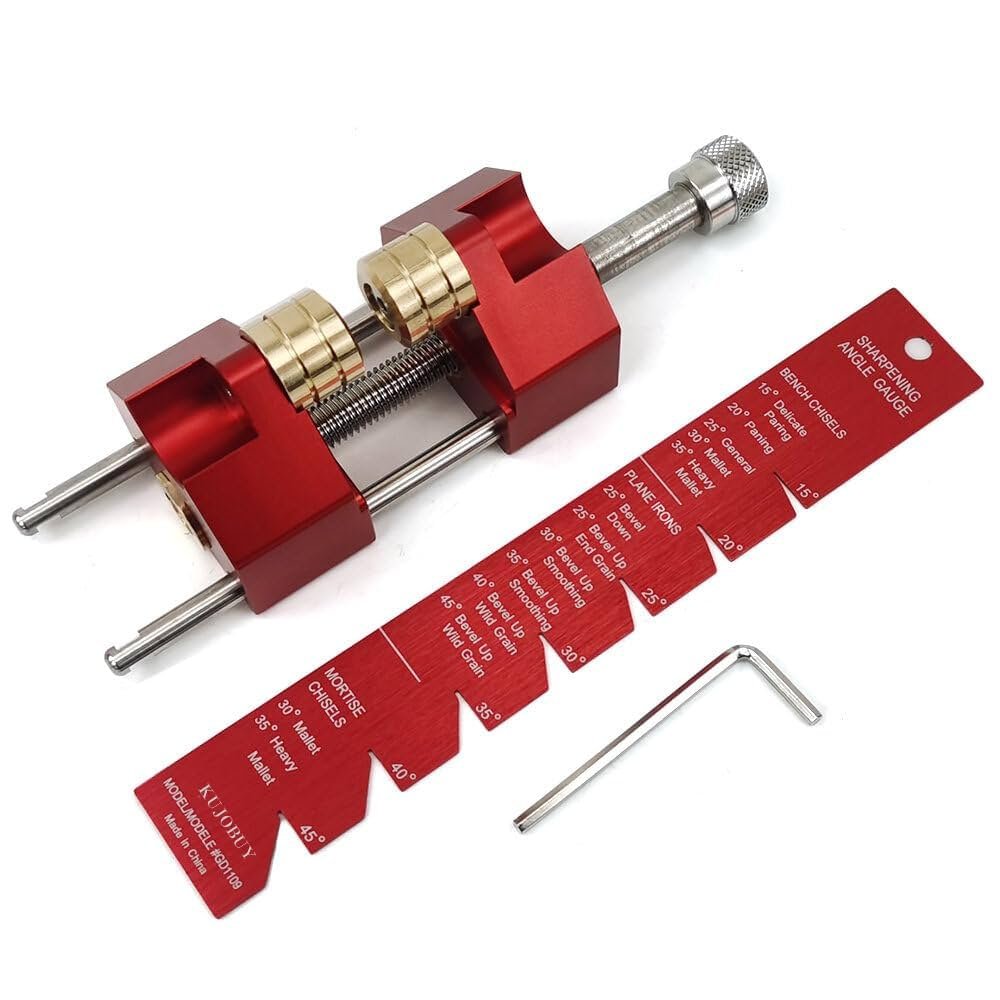
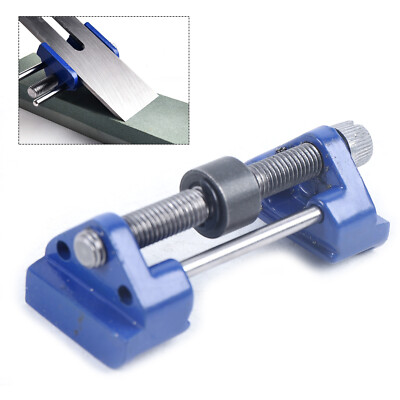
Honing Guides
Honing guides keep the chisel at the correct angle during sharpening. This helps create a consistent and even edge.
| Type of Honing Guide | Description |
| Clamp-on guides | Attach to the chisel for fixed angle sharpening |
| Pin guides | Use pins to hold the blade steady |
| Manual guides | Help hand positioning without clamps |
Lubricants And Accessories
Lubricants help reduce friction and clean the stone’s surface. Accessories improve the sharpening process and tool care.
- Water or oil for stone lubrication
- Strop for final edge polishing
- Cleaning cloths to remove metal filings
- Flattening stone to keep sharpening stones even
Preparing Your Chisel
Sharpening a chisel starts with good preparation. Taking time to get your chisel ready helps you sharpen it better.
Cleaning and checking your chisel before sharpening saves you trouble later. It ensures you work on a tool that is ready.
Cleaning And Inspection
Remove dirt, rust, and old oil from your chisel. Use a cloth and a little oil or rust remover to clean the blade well.
Check the chisel for damage like chips or cracks. Small problems can become bigger if not fixed before sharpening.
- Use a wire brush for rust spots
- Wipe the blade dry after cleaning
- Look closely at the edge for chips
- Check the handle for cracks or looseness
Checking The Bevel Angle
The bevel angle affects how sharp your chisel will be. It is important to keep the original angle when sharpening.
Use a bevel gauge or angle finder to check the angle. Most chisels have a bevel angle between 25 and 30 degrees.
- Hold the gauge flat on the bevel
- Read the angle on the gauge carefully
- Mark the angle if needed for sharpening guide
Sharpening Techniques
Sharpening chisels keeps them effective and safe. Different stones offer unique ways to sharpen.
Choosing the right sharpening stone depends on your chisel and skill level. Each stone type requires a specific technique.
Using Waterstones
Waterstones need soaking before use. They remove metal quickly and give a smooth edge.
Use light pressure and move the chisel in a circular or back-and-forth motion. Keep the stone wet during sharpening.
- Soak waterstone for 10-15 minutes
- Hold chisel at correct bevel angle
- Use even strokes across the stone
- Rinse stone and chisel often
- Finish with finer grit for a sharp edge
Using Oilstones
Oilstones use oil to float metal particles away. They sharpen slower but leave a durable edge.
Apply a thin layer of oil on the stone. Use smooth, steady strokes while holding the chisel steady.
- Apply honing oil to the stone surface
- Hold chisel at a steady angle
- Sharpen with long, even strokes
- Wipe metal filings off the stone
- Use finer grit stones last for polish
Using Diamond Stones
Diamond stones are very hard and fast. They do not need water or oil and last a long time.
Hold the chisel at the correct angle. Move it smoothly across the stone with light pressure.
- Use dry or slightly damp stone
- Keep a consistent bevel angle
- Use light pressure for best results
- Clean stone with water after use
- Finish with a fine diamond stone if available
Honing For A Razor Edge
Honing chisels refines the blade to a very sharp edge. This process removes tiny burrs and smooths the metal.
A razor edge makes chisels cut cleaner and work easier. Using the right honing methods improves your results.
Using A Honing Guide
A honing guide keeps the chisel at a steady angle during sharpening. This helps keep the edge even and sharp.
- Attach the chisel firmly in the guide.
- Set the guide to the correct bevel angle.
- Move the chisel back and forth on the stone evenly.
- Check the edge often for sharpness.
Creating A Micro-bevel
A micro-bevel adds a small extra angle to the chisel edge. This step makes the edge stronger and easier to sharpen later.
| Angle Type | Typical Degree |
| Main Bevel | 25° to 30° |
| Micro-Bevel | 1° to 3° steeper |
Use the honing guide to slightly raise the angle. Hone only a few strokes to form the micro-bevel.
Stropping Methods
Stropping polishes the edge and removes any remaining burr. It uses a leather strap and polishing compound.
- Apply a fine abrasive compound to the leather strop.
- Draw the chisel away from the edge, not cutting into the leather.
- Repeat 20 to 30 strokes on each side.
- Check the edge for a mirror-like finish and sharpness.
Maintaining Your Chisels
Keeping your chisels in good shape helps them work better and last longer. Regular care saves time and effort in your woodworking projects.
Learn simple ways to maintain your chisels by sharpening them regularly, storing them properly, and avoiding common mistakes.
Regular Sharpening Schedule
Sharpen your chisels often to keep a sharp edge. Dull tools make cutting harder and less safe.
- Check the edge before each use.
- Sharpen when you see nicks or dullness.
- Use a whetstone or sharpening system.
- Finish with a fine stone for a smooth edge.
Proper Storage
Store chisels in a dry place to stop rust. Keep edges covered to avoid damage.
| Storage Method | Benefit |
|---|---|
| Wooden rack | Protects edges and keeps chisels organized |
| Blade guards | Prevents accidental cuts and edge damage |
| Tool roll | Easy to carry and protects from moisture |
| Dry toolbox | Keeps tools safe from rust and dirt |
Avoiding Common Mistakes
Wrong use or care can harm your chisels. Avoid these mistakes for longer tool life.
- Do not use chisels on metal or stone.
- Never strike the blade with a metal hammer.
- Avoid storing chisels loose in a drawer.
- Do not skip regular cleaning after use.
- Sharpen only with the right tools and techniques.
Troubleshooting Common Issues
Sharpening chisels can be tricky if issues arise during the process. Common problems include nicks, rust, and dull edges. Fixing these problems helps keep your chisels sharp and safe to use.
This guide covers easy ways to fix these common problems. Follow the steps to restore your chisels quickly and effectively.
Removing Nicks And Chips
Nicks and chips on your chisel edge cause rough cuts and can damage wood. You need to remove them before sharpening the blade fully.
- Use a coarse sharpening stone or diamond file to grind away the damaged metal.
- Hold the chisel at a consistent angle to avoid uneven edges.
- Check the edge often and stop when the nicks are gone.
- Progress to finer stones to smooth the edge after removing nicks.
- Finish by honing the edge for a sharp, smooth finish.
Dealing With Rust
Rust weakens the chisel metal and makes sharpening harder. Removing rust is important before you sharpen.
| Rust Removal Method | Tools Needed | Notes |
|---|---|---|
| Soaking in vinegar | White vinegar, container | Soak 1-2 hours; scrub with brush |
| Using steel wool | Steel wool, oil | Rub rust gently; apply oil after |
| Sanding with fine sandpaper | Sandpaper (400-600 grit) | Use light pressure; clean afterward |
After removing rust, wipe the chisel dry and apply light oil. This stops rust from returning quickly.
Fixing A Dull Edge
A dull chisel edge cuts poorly and requires more force. Sharpen the edge regularly to keep it sharp.
- Start with a coarse sharpening stone to reshape the edge if very dull.
- Move to medium and fine stones for a sharper edge.
- Keep the sharpening angle steady, usually 25 to 30 degrees.
- Use a leather strop with polishing compound for a final polish.
- Test sharpness on a piece of soft wood or paper.
Credit: www.ebay.com
Frequently Asked Questions
How Often Should I Sharpen My Chisels?
Sharpen chisels whenever they lose cutting efficiency. Regular use dulls edges quickly. Frequent sharpening ensures cleaner cuts and safer handling.
What Tools Are Best For Sharpening Chisels?
Use sharpening stones, diamond plates, or honing guides. These tools provide precise edge angles and smooth finishes. Choose based on skill level and desired sharpness.
Can I Sharpen Chisels Without Professional Equipment?
Yes, you can use sandpaper on a flat surface. Start with coarse grits and finish with fine grits for a sharp edge. This method works well for beginners.
How Do I Maintain A Sharp Chisel Edge?
Regularly hone the edge with a leather strop or fine stone. Keep chisels clean and dry to prevent rust. Proper storage preserves sharpness longer.
Conclusion
Sharpening chisels keeps your tools ready and work smooth. Regular care saves time and effort during projects. Use the right angle and tools for best results. Practice makes the sharpening process easier each time. Keep your chisels sharp to cut clean and safe.
This simple skill improves your woodworking experience greatly. Start sharpening today and see the difference in your work.