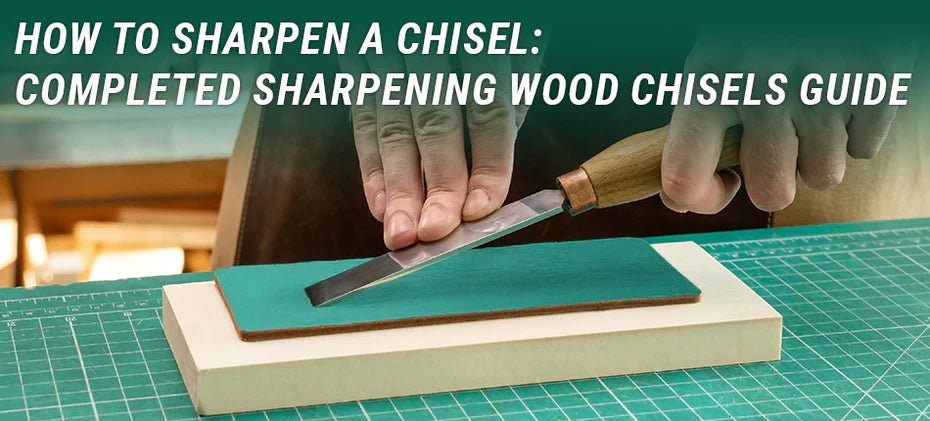
Are your chisels not cutting as smoothly as they used to? Dull chisels can make your projects frustrating and even dangerous.
But sharpening them doesn’t have to be hard or risky. In this guide, you’ll learn simple, safe steps to bring your chisels back to life. By following these easy tips, you’ll save time, work more precisely, and avoid accidents. Ready to sharpen your skills and your tools?
Let’s dive in.
Choosing The Right Sharpening Tools
Sharpening chisels safely needs the right tools. Picking the correct tool helps keep the blade sharp and prevents accidents.
This guide covers key sharpening tools to consider. Learn about whetstones, honing guides, and other options.
Whetstones And Grains
Whetstones come in different grains. Coarse stones remove chips fast. Fine stones smooth the edge.
| Grain Size | Use |
| Coarse (200-400) | Fix damaged edges |
| Medium (800-1000) | Sharpen dull blades |
| Fine (3000+) | Polish and refine edge |
Honing Guides And Jigs
Honing guides hold the chisel at a steady angle. Jigs help keep the blade straight. They make sharpening safer and easier.
- Maintain a consistent angle
- Prevent uneven sharpening
- Reduce risk of slipping
Alternative Sharpening Options
Besides whetstones, use other tools like diamond plates or electric sharpeners. These options offer different benefits.
- Diamond Plates:Fast sharpening, durable surface
- Electric Sharpeners:Quick and easy but need control
- Leather Strops:Final polish to a razor edge
Preparing Your Workspace
Sharpening chisels needs focus and care. A well-prepared workspace helps you work safely and effectively.
Take time to set up your area before you start. This guide shows you how to prepare your workspace.
Setting Up A Stable Surface
Use a strong table or bench that does not move. A steady surface prevents accidents and helps you control the chisel.
- Clear the surface of clutter and dust
- Place a non-slip mat or pad under the sharpening stone
- Make sure the bench is at a comfortable height
- Keep tools within easy reach but not crowded
Ensuring Proper Lighting
Good lighting helps you see the blade edge clearly. This reduces mistakes and protects your eyes.
| Lighting Type | Benefits |
| Natural daylight | True color and sharp detail |
| LED desk lamp | Bright, focused light with low heat |
| Overhead fluorescent | Even light over the whole workspace |
Safety Gear Essentials
Wear safety gear to protect yourself from sharp edges and flying particles. Safety is a top priority.
Use this checklist to prepare your safety gear:
- Protective gloves to avoid cuts
- Safety glasses or goggles to protect eyes
- Dust mask if sharpening creates fine dust
- Apron or old clothes to keep clean
Step-by-step Sharpening Process
Sharpening chisels is important for safe and clean woodworking. This guide explains how to sharpen chisels carefully and correctly.
Follow these steps to keep your chisels sharp and ready to use. Each step ensures the blade is in good shape and sharp enough for precise work.
Cleaning And Inspecting The Chisel
Start by cleaning the chisel to remove dirt and rust. Use a cloth and some oil or rust remover. Check the blade and handle for any damage.
- Wipe the blade with a clean cloth
- Apply rust remover if needed
- Inspect the bevel and cutting edge for chips
- Check the handle for cracks or looseness
- Fix or replace parts before sharpening
Grinding The Bevel
Use a grinding wheel or belt sander to shape the bevel. Keep the angle steady and avoid overheating the blade. Cooling with water helps prevent damage.
| Tool | Purpose | Tip |
|---|---|---|
| Grinding Wheel | Shape bevel | Keep angle steady |
| Belt Sander | Smooth bevel | Use water to cool |
| Water | Cool blade | Prevent overheating |
Honing The Edge
Honing sharpens the edge after grinding. Use a honing stone with coarse to fine grits. Keep the blade flat and stroke it evenly for best results.
- Place the honing stone on a flat surface
- Hold the chisel at the correct bevel angle
- Move the blade back and forth across the stone
- Use finer stones to refine the edge
- Check sharpness by carefully feeling the edge
Polishing For A Razor Sharp Finish
Polishing removes small burrs and adds shine. Use a leather strop with polishing compound. Pull the blade away from the edge for safety.
- Apply polishing compound to the leather strop
- Hold the chisel at the bevel angle
- Pull the blade away from the edge on the strop
- Repeat until the edge is smooth and bright
- Test on soft wood to ensure sharpness

Credit: woodworkersinstitute.com
Maintaining The Correct Angle
Keeping the right angle while sharpening chisels is key to a sharp edge. It protects the tool and improves cutting performance.
Using the correct angle ensures even wear and helps the chisel stay sharp longer. Let’s look at how to find and keep this angle.
Finding The Optimal Bevel Angle
The bevel angle is the slope on the chisel’s edge. Choosing the right angle depends on the chisel’s use and steel type.
- Standard bevel angles range from 25° to 30° for softwood chisels.
- Hardwood chisels often need a steeper angle, around 30° to 35°.
- Very hard steel chisels may use angles up to 40° for durability.
- Lower angles give a sharper edge but wear out faster.
- Higher angles last longer but cut less smoothly.
Check the chisel manufacturer’s guide for recommended angles if available. Adjust based on how you plan to use the tool.
Using Angle Guides Effectively
Angle guides help hold the chisel steady at the right bevel angle. They improve accuracy and safety during sharpening.
| Type of Angle Guide | Description | Best Use |
| Simple wedge | A fixed block that sets one angle. | Basic sharpening at a single angle. |
| Adjustable guide | Allows setting different angles. | Sharpening various chisels or blades. |
| Magnetic guide | Attaches to the chisel for stability. | Hands-free, precise angle control. |
| DIY guide | Custom-made from wood or plastic. | Budget option for consistent angles. |
To use a guide, place the chisel on the sharpener with the guide holding the bevel at the set angle. Move the chisel back and forth evenly.
Common Mistakes To Avoid
Sharpening chisels is important for good woodworking. Avoiding common mistakes keeps blades sharp and safe. This guide covers key errors to watch for.
Careful sharpening helps your tools last longer and work better. Learn what to avoid to protect your chisels and yourself.
Overheating The Blade
Overheating happens if you sharpen too fast or press too hard. It can ruin the blade’s temper and make it soft. A soft blade dulls quickly and breaks easier.
To prevent overheating:
- Use light, even pressure when sharpening.
- Keep the blade moving to avoid heat buildup.
- Dip the blade in water often to cool it down.
- Sharpen slowly and carefully for best results.
Uneven Sharpening
Uneven sharpening creates a blade edge that is not straight. This makes cutting harder and less precise. It also wears out the blade quickly.
| Common Cause | Effect |
| Unequal pressure on one side | Edge becomes lopsided |
| Sharpening at wrong angle | Blade dulls fast |
| Not checking the edge regularly | Uneven wear |
Use a guide or jig to keep angles correct. Check the blade edge often during sharpening.
Neglecting Regular Maintenance
Skipping regular sharpening and cleaning causes blades to lose sharpness. Dirt and rust can build up, making chisels unsafe and hard to use.
- Wipe blades clean after each use.
- Sharpen your chisels frequently, even if they seem fine.
- Store chisels in a dry place to avoid rust.
- Apply a light coat of oil to protect metal.
Testing Sharpness Safely
Checking the sharpness of chisels is important for good work and safety. Sharp tools cut better and need less force.
Testing sharpness safely helps avoid injuries. Use simple ways to check edges without touching the blade directly.
Visual Inspection Techniques
Look closely at the chisel edge under good light. A sharp edge looks smooth and shiny. Dull edges show tiny chips or reflections.
Use a magnifying glass if needed. Check both sides of the blade for even sharpness. Avoid touching the edge with fingers.
- Use bright light to see the edge clearly
- Look for chips or nicks on the blade
- Check for shiny spots that show dullness
- Use magnification for a better view
- Do not run fingers along the blade
Paper And Wood Tests
Test sharpness by cutting soft materials like paper or wood. These tests show how easily the chisel cuts without force.
Hold the tool safely and cut a piece of paper. A sharp chisel slices cleanly. If it tears or folds, the blade needs sharpening.
- Hold the chisel handle firmly
- Cut a piece of paper slowly and gently
- Look for smooth, clean cuts without tears
- Try slicing thin wood shavings carefully
- Stop if the blade slips or catches
Storing And Caring For Sharpened Chisels
Sharpened chisels need proper care to stay sharp and safe. Storing them correctly helps keep their edges strong.
Taking simple steps after sharpening extends the life of your chisels and improves your work results.
Protecting The Edge
Protect the sharp edge by covering it after use. Use blade guards or sheaths made for chisels.
Keep chisels separate from other tools to avoid dulling the edge or causing chips.
- Use plastic or leather blade guards
- Store chisels in a dedicated rack or roll
- Avoid piling chisels together
Regular Touch-ups
Sharpening chisels fully every time is not needed. Small touch-ups keep the edge keen.
Use a fine sharpening stone or honing guide to maintain the edge after each use.
- Hone the edge lightly after every project
- Check for burrs or dull spots regularly
- Sharpen fully only when necessary
Preventing Rust And Damage
Rust weakens chisels and dulls edges. Keep chisels dry and clean to stop rust from forming.
Apply a light coat of oil on metal parts before storing them for a long time.
- Wipe chisels after use to remove moisture
- Store chisels in a dry place
- Use rust inhibitors or light oil on blades

Credit: woodworkersinstitute.com

Credit: woodworkersinstitute.com
Frequently Asked Questions
How Often Should Chisels Be Sharpened For Best Results?
Sharpen chisels regularly to maintain a sharp edge. Frequency depends on use, but generally after several hours of work. Regular sharpening ensures clean cuts and reduces effort. Neglecting sharpening leads to poor performance and potential tool damage.
What Safety Gear Is Needed When Sharpening Chisels?
Always wear safety glasses to protect your eyes from metal shards. Use gloves to prevent cuts and a dust mask if grinding produces dust. Proper lighting and a stable work surface also enhance safety during sharpening.
Which Sharpening Tools Are Best For Chisels?
Whetstones and diamond stones are ideal for sharpening chisels. They provide a fine, controlled edge. Honing guides help maintain the correct angle. Avoid using grinders without skill, as they can damage the chisel edge quickly.
How Do I Maintain The Correct Sharpening Angle?
Most chisels sharpen best at 25 to 30 degrees. Use a honing guide to keep a consistent angle. Maintaining the correct angle ensures a sharp, durable edge and improves cutting performance.
Conclusion
Sharpening chisels safely is a crucial skill for woodworkers. It ensures better performance and longevity of tools. Always prioritize safety when handling sharpening equipment. Use the right techniques and maintain focus to avoid accidents. Regular maintenance of your chisels makes your projects smoother and more precise.
Consistent practice will enhance your sharpening skills over time. Remember to store tools properly after sharpening. This keeps them in good condition and ready for use. With these tips, you can enjoy woodworking with sharp, efficient tools. Stay safe and keep crafting!
