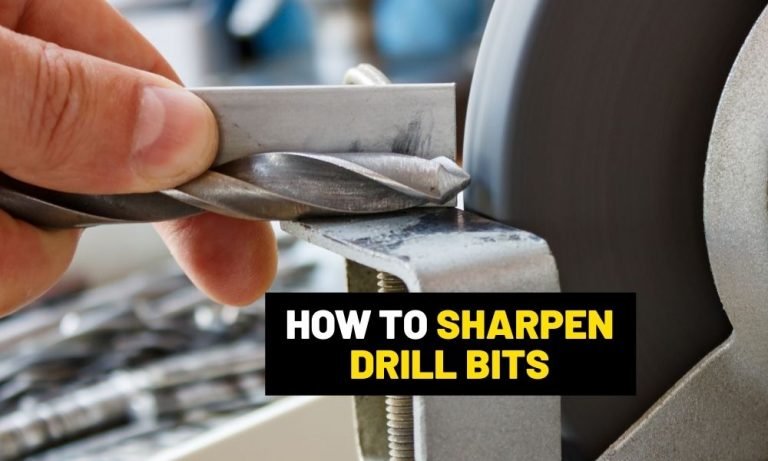
Are your drill bits not cutting as cleanly as they used to? If your projects demand precision, a dull bit can ruin your work and waste your time.
But what if you could bring your drill bits back to life with just a few simple steps? In this guide, you’ll learn how to sharpen your drill bits easily and effectively, so every hole you drill is sharp, accurate, and smooth.
Keep reading to discover tips that will save you money, improve your results, and make your tools feel brand new. Your next project deserves the best—let’s make sure your drill bits are ready.
Choosing The Right Drill Bits
Selecting the correct drill bit is important for precision work. The right bit helps you get clean and accurate holes.
Knowing the types, materials, and how to pick bits can improve your drilling results. This guide will help you choose wisely.
Types Of Drill Bits
Drill bits come in many shapes and sizes. Each type fits specific materials and tasks.
Common types include twist bits, spade bits, and masonry bits. Pick the type that matches your project.
- Twist bits:Best for general purpose drilling in wood, metal, and plastic.
- Spade bits:Used for drilling large holes in wood quickly.
- Masonry bits:Designed for concrete, brick, and stone.
- Brad point bits:Provide clean holes in wood with less splintering.
- Forstner bits:Make flat-bottomed holes in wood.
Materials And Coatings
Drill bits are made from different materials. Coatings improve their strength and lifespan.
- High-Speed Steel (HSS):Good for wood and soft metals.
- Cobalt:Better for hard metals and heat resistance.
- Carbide:Very hard and used for tough materials like masonry.
- Titanium coating:Reduces friction and extends bit life.
- Black oxide coating:Adds corrosion resistance and durability.
Selecting For Precision
Choose drill bits that offer control and accuracy. Sharp, well-made bits help keep holes clean.
Look for bits with split points or brad tips. These start drilling without slipping and guide the bit well.
- Pick smaller sizes for fine, detailed work.
- Use bits with clear cutting edges for smooth holes.
- Keep bits sharp and check for damage before use.
- Match bit type and material to your workpiece.

Credit: www.youtube.com
Tools Needed For Sharpening
Sharpening drill bits helps keep them sharp and accurate. Using the right tools makes this task easier and safer.
This guide covers the essential tools for sharpening drill bits for precise work.
Bench Grinder Essentials
A bench grinder is a common tool for sharpening drill bits. It spins a grinding wheel to remove metal and sharpen edges.
Choose a grinder with adjustable speed and a fine grinding wheel. Safety gear like goggles and gloves are important too.
- Bench grinder with variable speed
- Fine-grit grinding wheel
- Eye protection goggles
- Protective gloves
- Dust mask for safety
Using A Sharpening Jig
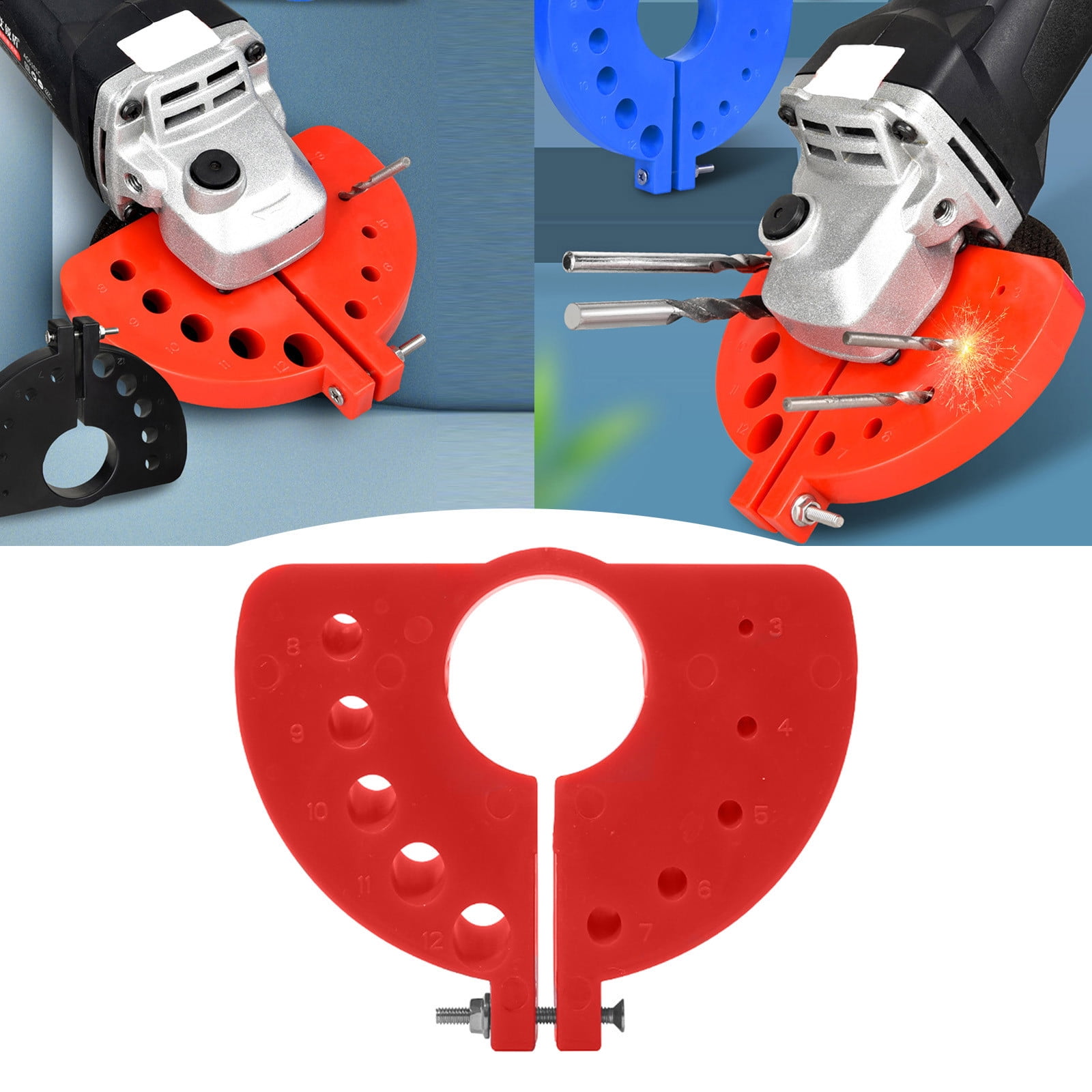
A sharpening jig holds the drill bit steady during grinding. This helps keep the angle correct and improves precision.
Jigs are adjustable to fit different drill bit sizes. They reduce mistakes and make sharpening faster.
- Adjustable holder for drill bits
- Angle guide for consistent sharpening
- Clamp or locking mechanism
- Compatible with bench grinders
Alternative Sharpening Tools
If you don’t have a bench grinder, other tools can sharpen drill bits. These include hand files and rotary tools.
These tools work well for small jobs or touch-ups but require more skill and time.
- Diamond-coated hand files for fine control
- Rotary tool with a grinding attachment
- Sharpening stones for manual grinding
- Electric drill bit sharpeners
Preparing Drill Bits For Sharpening
Before sharpening drill bits, you must prepare them properly. This ensures the sharpening process is safe and effective.
Preparing includes cleaning the bits and marking the cutting edges. These steps help you see where to sharpen.
Cleaning And Inspection
Start by cleaning the drill bits to remove dirt and oil. Use a brush or cloth with some soapy water.
After cleaning, inspect the bits closely. Look for chips, cracks, or worn areas that need attention.
- Remove all grease and debris for clear visibility
- Check for any damage or uneven wear
- Decide if the bit is worth sharpening
Marking The Cutting Edges
Mark the cutting edges of the drill bit with a permanent marker. This guides you during sharpening.
Marking helps keep the correct angle and balance on the bit. It also shows if you sharpen evenly.
- Color the edges with a dark marker
- Check marks after each sharpening pass
- Adjust sharpening if marks disappear unevenly

Credit: www.bangingtoolbox.com
Sharpening Techniques
Sharpening drill bits improves their cutting ability. It helps you drill clean and precise holes.
Using the right technique keeps the drill bit sharp longer. It also prevents damage during sharpening.
Setting The Correct Angle
Set the drill bit at the correct angle before grinding. The usual angle is 118 degrees for general use.
A correct angle keeps the cutting edge sharp and helps the bit cut smoothly. Use an angle guide if needed.
- Use a tool to measure the angle precisely
- Hold the drill bit steady during sharpening
- Adjust angle for special materials if necessary
Grinding The Cutting Edge
Grind the cutting edge carefully using a bench grinder or a sharpening stone. Move the bit evenly across the surface.
Keep a smooth motion to avoid uneven grinding. Sharpen both edges equally for better performance.
- Use light pressure to avoid overheating
- Check the edge frequently for evenness
- Stop grinding when edges are sharp and smooth
Maintaining Symmetry
Symmetry is key for drill bits to work well. Both cutting edges should look the same size and shape.
Unequal edges cause the drill to wander and make rough holes. Check symmetry often during sharpening.
- Compare edges under good light
- Use a magnifying glass to see details
- Grind small areas to fix uneven parts
Cooling To Prevent Damage
Cooling the drill bit stops heat from damaging it. Overheating can change the metal and weaken the bit.
Dip the bit in water or oil often during grinding. Let it cool before grinding more to avoid burns.
- Use a container of water for quick cooling
- Do not overheat the bit while grinding
- Cool the bit slowly if it feels hot
Testing And Adjusting Sharpness
Checking the sharpness of drill bits is key for precise work. Sharp bits drill cleaner holes and last longer.
Testing sharpness helps you know if the bit needs more sharpening. Adjusting sharpness improves the drill’s performance.
Visual Inspection
Look closely at the drill bit edges under good light. Check for chips, nicks, or uneven surfaces that reduce sharpness.
Shiny or rounded edges show dullness. Sharp edges have a consistent, clean grind without shiny spots.
- Use a magnifying glass for a clear view
- Check both cutting edges equally
- Spot any damage or uneven wear
Trial Drilling
Test the drill bit by drilling into scrap material. Watch how smoothly it cuts and how clean the hole looks.
Dull bits need more pressure and make rough holes. Sharp bits cut easily and leave smooth edges.
- Use the same drill speed for testing
- Drill a small hole in wood or plastic
- Compare hole quality and drill effort
Fine-tuning The Edges
Adjust sharpness by carefully grinding the bit edges. Keep the original angle and shape for best results.
Remove small amounts of metal at a time. Stop often to check the sharpness and avoid over-grinding.
- Use a fine grinding wheel or sharpening tool
- Hold the bit steady to keep the correct angle
- Check visual sharpness and test drill after each adjustment
Credit: www.ledfordlaw.net
Safety Tips During Sharpening
Sharpening drill bits needs care to avoid injuries. Following safety tips keeps you safe and your tools sharp.
Always prepare your workspace and use the right techniques. This guide covers safety gear and handling practices.
Protective Gear
Wear protective gear to shield your eyes, hands, and body during sharpening. Sparks and metal shards can cause harm.
Good gear lowers the risk of cuts and eye injuries. Always use safety glasses and gloves.
- Safety glasses protect eyes from flying debris
- Gloves shield hands from sharp edges and heat
- Long sleeves protect arms from sparks
- Closed-toe shoes keep feet safe from dropped tools
Safe Handling Practices
Handle drill bits carefully to avoid cuts. Hold bits firmly but do not squeeze too hard.
Keep your workspace clean and well-lit. Use clamps to hold the drill bit steady during sharpening.
- Secure bits in a vise or clamp before sharpening
- Do not touch the bit immediately after sharpening; it may be hot
- Sharpen bits one at a time to avoid confusion and accidents
- Keep your hands away from grinding wheels and sharp edges
Maintaining Sharp Drill Bits
Keeping drill bits sharp is important for precise work. Sharp bits make cleaner holes and last longer.
Proper care helps avoid damage and saves time during projects. Follow simple steps to maintain your drill bits.
Regular Inspection
Check drill bits before and after each use. Look for signs of wear, dullness, or damage.
Inspect the cutting edges and tips carefully. Sharp edges reflect light evenly; dull edges look rough or chipped.
- Look for cracks or chips on the tip
- Check if the edges are smooth and sharp
- Notice any discoloration from overheating
- Replace or sharpen dull bits promptly
Proper Storage
Store drill bits in a dry and organized place. This prevents rust and damage to the cutting edges.
Use cases or holders to keep bits separated. Avoid loose bits rubbing against each other.
- Keep bits in a labeled case or rack
- Store in a dry area to avoid rust
- Do not mix drill bits with other tools
- Clean bits before storing them
When To Replace
Replace drill bits that cannot be sharpened properly. Using damaged bits affects your work quality.
Bits that are bent, cracked, or too worn should be discarded. Using the right bit keeps your project precise and safe.
- Replace if the tip is broken or bent
- Discard bits with deep cracks
- Replace bits that do not sharpen well
- Use new bits for critical or fine work
Frequently Asked Questions
How Often Should I Sharpen Drill Bits?
Drill bits should be sharpened whenever you notice a decrease in performance. Frequent use may require sharpening every few months. Regular maintenance ensures precision and extends the life of your drill bits. Always inspect for dullness before starting a new project to maintain efficiency and accuracy.
What Tools Are Best For Sharpening Drill Bits?
For sharpening drill bits, use a bench grinder or a dedicated drill bit sharpener. These tools provide precision and control. A sharpening jig can also help maintain the correct angle. Always ensure your tools are in good condition to achieve the best results and prolong the life of your drill bits.
Can A Dull Drill Bit Cause Damage?
Yes, a dull drill bit can lead to overheating and material damage. It may also result in inaccurate holes. Regular sharpening prevents these issues, ensuring clean cuts and reducing wear on your equipment. Always check the sharpness before use to maintain safety and effectiveness.
What’s The Correct Angle For Sharpening Drill Bits?
For general-purpose drilling, maintain a 118-degree angle. This angle is suitable for most materials. For harder materials, such as metal, consider a 135-degree angle. Consistency in the angle ensures precision and efficiency. Use a sharpening jig for maintaining the correct angle throughout the process.
Conclusion
Sharpening drill bits keeps your tools working well and saves money. Sharp bits cut cleanly and reduce the risk of mistakes. Regular sharpening improves precision in every project you do. It takes only a few simple steps to sharpen drill bits.
Practice a little, and you will see better results. Keep your workspace safe and focused while sharpening. Good maintenance extends the life of your drill bits. Try these tips to keep your tools sharp and ready.