Are your hand tools feeling dull and less effective? Sharpening them can bring back their original power and make your work easier and safer.
In this guide, you’ll discover simple, practical steps to sharpen your tools like a pro. Whether you’re a beginner or just want to improve your skills, this article will help you save time, effort, and money. Keep reading to unlock the secrets that will keep your tools sharp and ready for any task.

Credit: woodworkersinstitute.com
Choosing The Right Sharpening Tools
Sharpening hand tools keeps them safe and effective. Choosing the right tools helps you sharpen faster and better. This guide covers key sharpening tools you should know.
Understanding different sharpening stones, guides, and sharpeners lets you pick what suits your needs. Each tool has benefits and limits. Learn how to decide.
Types Of Sharpening Stones
Sharpening stones come in many kinds. They help remove metal and smooth edges. Pick stones based on the tool’s dullness and your skill level.
- Oil Stones:Use oil as lubricant. They last long and sharpen well.
- Water Stones:Use water for cooling. They sharpen fast but wear out quicker.
- Diamond Stones:Use diamond grit. They are very hard and cut quickly.
- Ceramic Stones:Great for fine sharpening and finishing edges.
Using Honing Guides
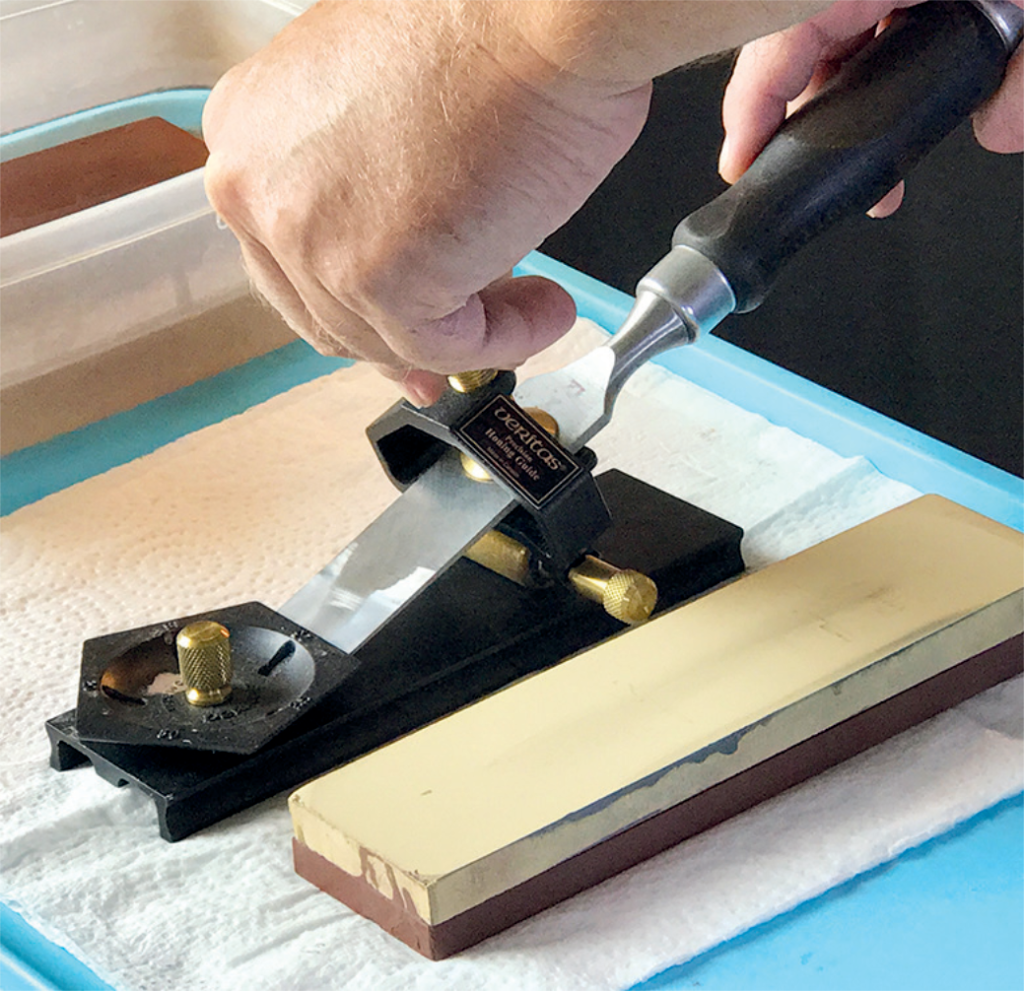
Honing guides keep the sharpening angle steady. This helps create even edges and prevents tool damage. They are useful for beginners and experts alike.
| Type | Benefit | Best for |
| Clamp Guides | Hold blade firmly | Chisels and plane blades |
| Angle Guides | Set exact angle | Various hand tools |
| Wheel Guides | Guide round edges | Knives and scissors |
Electric Vs Manual Sharpeners
Electric sharpeners speed up the process. Manual sharpeners offer more control. Choose based on how often and what tools you sharpen.
- Electric Sharpeners:Fast and easy for many tools. Use with care to avoid overheating edges.
- Manual Sharpeners:Include stones and rods. Allow precise sharpening and edge finishing.
- Combination:Some use both to get quick and fine results.
Preparing Hand Tools For Sharpening
Sharpening hand tools improves their performance and safety. Preparing your tools well helps you sharpen them correctly.
Proper preparation includes cleaning, inspecting, securing, and understanding the blade angles. This guide explains these steps clearly.
Cleaning And Inspecting Blades
Clean blades before sharpening to remove dirt and rust. Use a wire brush or cloth with oil to clean the blade.
Inspect the blade for chips, cracks, or deep nicks. These problems affect sharpening and tool safety.
- Remove rust with sandpaper or steel wool
- Check for any bent or damaged edges
- Note any chips that may need special attention
Securing Tools Safely
Hold tools firmly to prevent slipping during sharpening. Use a vise or clamp to keep the tool steady.
Make sure the clamp is tight but does not damage the tool. Safety helps you sharpen with control.
- Use a bench vise for larger tools
- Clamp smaller tools on a sturdy surface
- Wear gloves to protect your hands
Identifying Blade Angles
Know the blade angle before sharpening. The angle affects the sharpness and tool use.
Use a protractor or angle guide to find the exact bevel angle. Common angles range from 20° to 35°.
| Tool Type | Common Blade Angle |
|---|---|
| Chisels | 25° to 30° |
| Planes | 25° to 30° |
| Knives | 20° to 25° |
| Axes | 30° to 35° |
Sharpening Techniques For Different Tools
Keeping hand tools sharp improves their performance and safety. Different tools need different sharpening methods. Understanding these methods helps maintain your tools longer.
This guide covers basic sharpening techniques for knives and blades, chisels and planes, and axes and hatchets.
Knives And Blades
Sharpen knives and blades using a whetstone or sharpening rod. Start with a coarse grit to fix dull edges, then use finer grit to polish. Keep the blade angle steady for best results.
- Hold the blade at a 20-degree angle
- Slide the blade across the stone evenly
- Sharpen both sides equally
- Finish with a strop to smooth the edge
Chisels And Planes
Chisels and planes need a flat, sharp edge. Use a flat sharpening stone and a honing guide to keep the angle consistent. Regular honing keeps the edge sharp between full sharpenings.
| Tool | Recommended Angle | Sharpening Method |
| Chisel | 25 degrees | Flat stone with honing guide |
| Hand Plane Blade | 30 degrees | Flat stone and stropping |
Axes And Hatchets
Axes and hatchets need a strong, sharp edge for chopping wood. Use a coarse file to shape the edge and then a sharpening stone to refine it. Always keep the edge angle between 20 and 25 degrees.
Basic sharpening steps for axes and hatchets:
- Secure the tool in a vice for safety
- File the edge to remove nicks and shape
- Use a coarse stone to sharpen
- Finish with a fine stone for a smooth edge
- Apply oil to prevent rust

Credit: woodworkersinstitute.com
Maintaining Sharp Edges
Keeping your hand tools sharp helps them work better and last longer. Sharp edges make cutting easier and safer. Regular care is important to keep these edges in top shape.
This guide covers key ways to maintain sharp edges. You will learn about stropping, using oils, and checking your tools often.
Proper Stropping Methods
Stropping removes small burrs and smooths the edge. Use a leather strop for the best results. Pull the blade gently along the strop, away from the edge.
- Apply a stropping compound to the leather to increase effectiveness.
- Hold the tool at a low angle, about 20 degrees.
- Move the blade backward across the strop without pressing hard.
- Repeat 10 to 20 times on each side of the edge.
- Clean the strop regularly to remove metal particles.
Using Honing Oils And Lubricants
Honing oils help reduce friction and prevent metal from overheating. They also carry away tiny metal bits from sharpening.
| Type of Oil | Use | Notes |
| Mineral Oil | General sharpening | Safe and easy to find |
| Camellia Oil | Fine blades | Dries slowly for long protection |
| Water-based Lubricant | Stone sharpening | Good for water stones |
| Vegetable Oil | Temporary use | Can go rancid, avoid long storage |
Regular Edge Inspection
Check edges often for dullness or damage. Look for chips, bends, or rough spots. Early detection saves time and effort.
- Hold the blade up to light to see chips.
- Run your thumb carefully along the edge to feel dullness.
- Use a magnifying glass for a close look at small nicks.
- Sharpen or repair edges as soon as you find problems.
- Keep a log of inspections to track tool condition over time.
Common Sharpening Mistakes To Avoid
Sharpening hand tools helps keep them sharp and useful. Avoid mistakes to save time and tools.
Many mistakes can damage the tool or make sharpening less effective. Learn what to watch for.
Over-sharpening And Metal Removal
Removing too much metal weakens the tool and shortens its life. Sharpen only what is needed.
- Sharpen lightly and check often
- Stop as soon as the edge is sharp
- Avoid grinding the tool to a thin edge
- Keep the tool balanced to prevent uneven wear
Incorrect Angle Maintenance
Keeping the correct angle is key. The wrong angle dulls tools faster or makes sharpening hard.
| Tool Type | Ideal Sharpening Angle |
| Chisels | 25 to 30 degrees |
| Hand Planes | 25 degrees |
| Knives | 20 to 25 degrees |
| Axes | 30 to 35 degrees |
Neglecting Tool Safety
Sharpening tools can be dangerous. Always follow safety rules to avoid injury.
- Wear protective gloves and eye protection
- Use a stable surface for sharpening
- Keep fingers away from the blade
- Clean and store tools safely after sharpening

Credit: woodworkersinstitute.com
Extending Tool Life With Care
Keeping hand tools sharp helps them work better and last longer. Caring for tools properly saves money and effort.
Simple steps like storing tools right and checking their edges can keep them useful for years.
Proper Storage Practices
Store hand tools in a dry place to stop rust. Use toolboxes or racks to keep them organized.
Keep sharp edges covered or sheathed to avoid damage and injury. Avoid piling tools on top of each other.
- Use a toolbox with compartments
- Hang tools on wall racks
- Cover sharp edges with protective guards
- Keep tools dry and away from moisture
Routine Maintenance Tips
Clean tools after each use to remove dirt and sap. Wipe metal parts with an oily cloth to stop rust.
Check handles for cracks or splinters and fix them quickly. Tighten loose screws or bolts to keep tools safe.
- Wipe blades and metal parts clean
- Apply light oil to prevent rust
- Inspect handles for damage
- Tighten screws and bolts regularly
When To Resharpen
Sharpen tools when they feel dull or need more force to cut. Look for chips or rough edges on blades.
Regular sharpening keeps tools safe and effective. Avoid waiting too long, or tools may break or wear out faster.
- Sharpen blades that no longer cut smoothly
- Check edges for nicks or chips
- Resharpen tools after heavy use
- Keep sharpening tools handy for quick touch-ups
Frequently Asked Questions
How Often Should Hand Tools Be Sharpened?
Hand tools should be sharpened regularly to maintain efficiency. Frequency depends on usage but generally after every few hours of work. Dull tools increase effort and reduce accuracy. Inspect edges before each use and sharpen when you notice reduced cutting performance or visible dullness.
What Are The Best Sharpening Tools For Hand Tools?
The best sharpening tools include whetstones, diamond stones, and sharpening files. Whetstones offer fine, precise edges. Diamond stones are durable and fast. Files are ideal for rough shaping. Choose based on tool type and desired sharpness for optimal results.
Can I Sharpen Hand Tools Without Professional Help?
Yes, you can sharpen hand tools at home with proper tools and techniques. Use a stable surface and follow step-by-step guides. Practice patience and maintain consistent angles. Many tutorials and kits are available for beginners to achieve sharp edges safely.
Why Is Maintaining The Sharpening Angle Important?
Maintaining the sharpening angle ensures a sharp, durable edge. Incorrect angles can damage the blade or reduce cutting efficiency. Consistent angles create uniform edges that last longer. Use angle guides or jigs for precision during sharpening.
Conclusion
Sharpening hand tools keeps them effective and safe. Practice makes perfect. Choose the right sharpening stone for your tools. Maintain a consistent angle when sharpening. Use water or oil for smoother sharpening. Wipe tools clean after each session. Store them properly to prevent rust.
Regular maintenance extends tool life. Sharpening becomes easier with time. Enjoy the satisfaction of well-maintained tools. Your projects will benefit from sharper edges. Happy sharpening!